Liati Wote, at the Foot of the Mountains: Your Encounter Begins Here
Some journeys leave you with photographs; others stay with you through the memory of a conversation, a newly learned skill or a shared meal. In Liati Wote, a village in Ghana’s Volta Region, these two experiences can come together.
Mount Afadja dominates the skyline, while paths wind through farmland, vegetation and hills. Yet the essence of rural immersion is not measured in altitude: it lies in how residents choose to welcome visitors and share their lives.
At the foot of the slopes, cultivated fields and wooded areas invite you to explore the landscape from the village’s perspective. Observe the paths leading to the fields, the trees bordering the plots and the hills in the background. With a local guide, these details become starting points for conversations about harvests, travel and everyday work.
In Liati Wote, Kiblistours works with local partners to organise village walks, agricultural discoveries and culinary experiences. Learning about palm wine production can complement the programme. Selected activities and availability are specified when booking; a cultural welcome does not automatically include a ritual ceremony.
1. Liati Wote: Landscapes, History and Agricultural Life
Liati Wote is located in the Volta Region, near Hohoe and the Togolese border. Mount Afadja, Tagbo Falls and the surrounding farmland provide three reference points for exploring the area. In the village, ask your guide how residents name local places and which stories they wish to share.
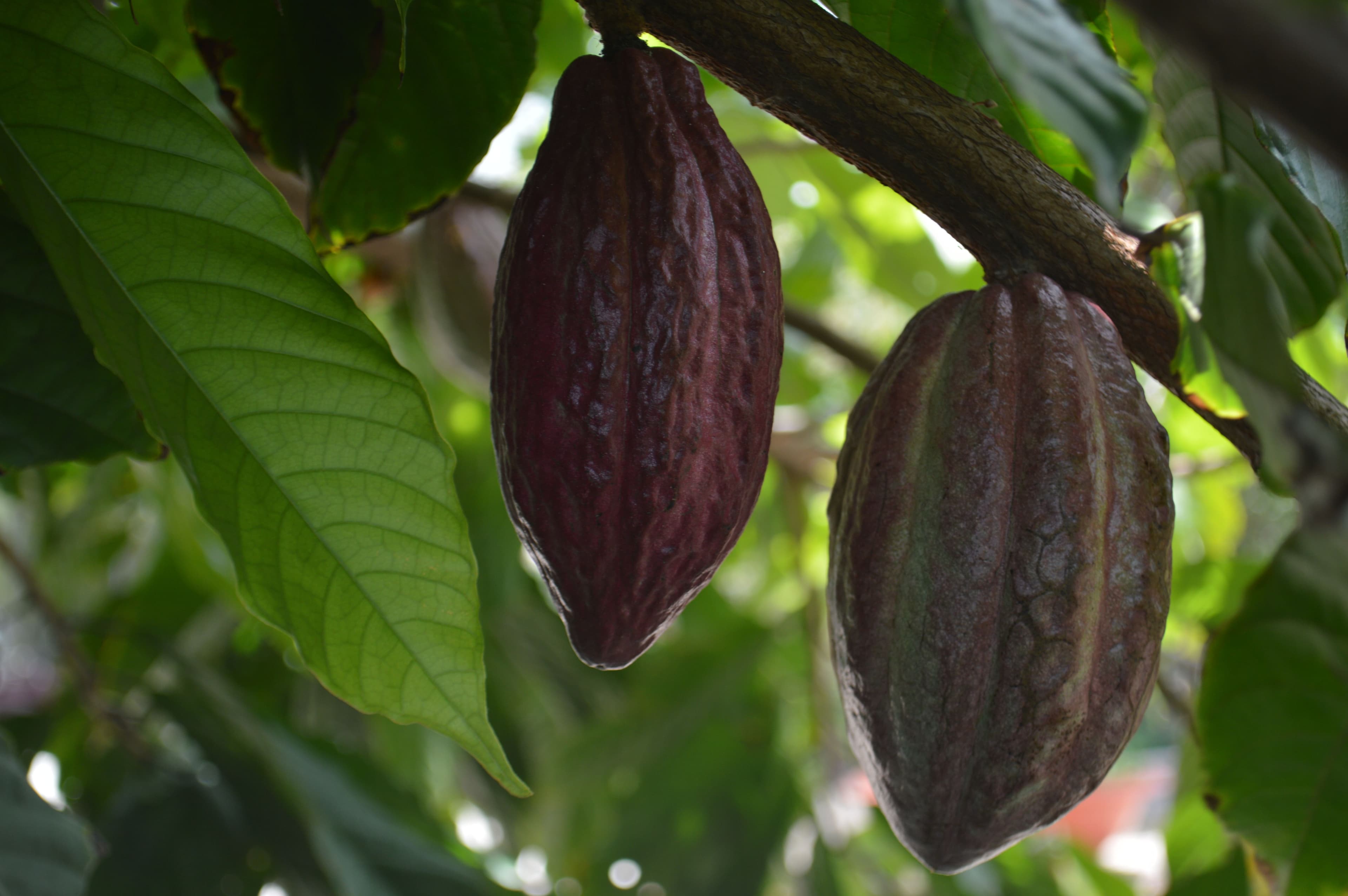
Cassava, maize, plantain, banana and cocoa are among the crops mentioned in reports about the village. Depending on the season and accessible plots, your guide can explain the work taking place: tending crops, harvesting, transporting or processing produce. Ask where products are sold and how Hohoe and neighbouring communities participate in these exchanges.
To explore other agricultural areas, discover Kiblistours’ agritourism experiences in Benin: https://kiblistours.com/fr/agrotourisme?country=benin.
To give agricultural exploration a clear focus, the visit can follow a simple question: how does a cultivated product become food shared around a table? This question connects activities that might otherwise be presented as separate stops. An explanation beside a field opens up discussions about ripeness, harvesting challenges and transporting produce.
The conversation can then continue with storage methods, available tools and the time required for preparation. Visitors come to understand that cooking begins long before the hearth: it forms part of a wider organisation of work, seasons and economic exchanges.
Choose one product as your guiding thread: cassava, maize or plantain. How do people recognise when it is ready to harvest? How is it transported, stored and prepared? Your hosts’ answers allow you to follow its transformation and compare their recipes with those you know.
2. Traditional Cooking: From the Wood Fire to a Shared Meal
The workshop begins with the ingredients and the recipe chosen with your hosts. Observe the quantities, utensils and preparation stages. Depending on the dish, you may watch ingredients being sorted, pounded or mixed, then try an accessible task with the permission of the person guiding you.
When a wood-fired hearth is used, observe how the cook controls the heat and positions the pots. Cooking requires continuous attention to the flame and the texture of the preparation. Mention any sensitivity to smoke; the cooking setup and tasks offered to visitors are adapted to safety conditions.
For families and individual travellers alike, the culinary workshop confirmed with local partners follows an accessible sequence: discover the ingredients, understand where they come from, observe their transformation, take part in a suitable task and taste the finished preparation.
The precise arrangements are agreed with the hosts according to the dates, number of participants, hygiene requirements and conditions on the day. Payment for the people delivering the experience and the cost of ingredients are included in organising the service.
During the meal, recognise the ingredients introduced in the workshop. Compare the resulting texture, accompaniments and serving methods. Ask your hosts whether the dish is eaten daily or reserved for particular occasions. The meal thus continues the conversation that began around the cooking utensils.
3. Palm Wine and Local Produce
Discovering palm wine begins with the producer’s work: which palm tree is used, how is the sap collected and how is it stored? When observation is possible, remain where your guide indicates and leave the collection process to the professional.
Fresh sap changes rapidly through fermentation. Its flavour can shift from pronounced sweetness towards more acidic notes, while its alcohol content increases at a variable rate. The expression “fresh palm wine” therefore guarantees neither an absence of alcohol nor a stable composition.
Minors, pregnant women and people avoiding alcohol should not be encouraged to take part in a tasting. Fruit, safe drinking water or other local non-alcoholic drinks may be offered when their availability is confirmed. Collection equipment, storage and serving conditions must undergo a prior hygiene check. Tasting remains a choice, never a compulsory part of the experience.
Plantain may be boiled or grilled; cassava and maize require processing that varies according to the dish. During your visit, ask which products come from nearby plots and which are purchased elsewhere. An optional purchase from a producer or host can extend this discovery, with a clearly agreed price.
4. Ewe Hospitality and Cultural Encounters
Greetings, place names and words for foods offer an introduction to Liati Wote’s Ewe cultural environment. Depending on the people involved, conversations may take place in Ewe or English, with help from the local cultural intermediary. Ask how to pronounce a word, then give your host time to explain its meaning.
Ask permission before photographing someone or entering a private space. Wait until the translation is complete, and accept that a question may remain unanswered. Hosts may also ask about your country, your cooking or your relationship with rural life: the encounter develops in both directions.
A conversation may begin with the name of an ingredient and continue with farming or journeys between villages. Favour open questions: what would you like to show us? Which tasks keep you busy at this time of year? Your guide helps you understand the answers and respect subjects residents prefer to keep private.
5. Five Ways to Discover a Different Side of Liati Wote
1. The mountain and the village offer two different experiences
Visit Ghana distinguishes exploring the village from climbing Mount Afadja. You can therefore choose a walk and conversations with residents without undertaking a demanding hike.
2. Tagbo Falls are connected to an agricultural landscape
Visit Ghana describes a trail passing through coffee and cocoa-growing areas and semi-deciduous forest. With your guide, the walk to the falls can become an opportunity to understand the agricultural landscape.
3. Palm wine production is among the experiences mentioned
Visit Ghana mentions discovering this production process. Observation, explanations and tasting are separate activities; those selected for your stay are specified when booking.
4. Tourism operates alongside community projects
Ghanaian media discuss both visitor numbers and needs relating to water, roads and mobile coverage. These reports place tourism within the village’s present-day life.
5. Simple accommodation is described on site
Visit Ghana describes rustic rooms, camping and homestay possibilities. Compare their comfort with accommodation in Hohoe; your selected lodging and its facilities are specified before booking.
6.Tourism, Infrastructure and Local Development
A destination investing in its infrastructure
A Daily Graphic report published in April 2026 discusses difficulties with mobile coverage and road access. These dated observations highlight the need to check conditions before departure. Keep useful contact details available offline and agree on meeting points and emergency contacts with Kiblistours.
Tourism generates revenue, but its benefits require closer examination
According to the Daily Graphic, Liati Wote welcomed 8,834 visitors in 2024, in figures published on 2 May 2025, followed by 8,807 visitors in 2025, in figures published on 7 April 2026. For 2025, the site manager quoted by the newspaper reported tourism revenue of 275,621 Ghanaian cedis.
7. Planning an Immersion That Suits You
To plan your programme, share your interests with Kiblistours and specify Liati Wote in Ghana as your destination: https://kiblistours.com/fr/contact.
Before departure: Choose the right pace
Families with children, older travellers and those unaccustomed to walking should be able to choose a gentler version of the excursion. Hiking enthusiasts can book a separate extension. In both cases, physical conditions must be clearly explained: heat, uneven ground, access to toilets and time spent in a vehicle.
Bring closed-toe shoes, sun protection, safe drinking water and any personal medication you may need. Travellers who are sensitive to smoke or have dietary restrictions should mention this before a culinary workshop is confirmed.
On arrival: Begin at the visitor centre
Start with the welcome arranged with your local guide. The guide introduces the day’s activities, access fees and photography rules. This is also the time to clarify your expectations and learn about any adjustments.
During the visit: Observe, listen and participate
Observe first, ask questions, then try a task if your host invites you. The interest may lie in a small detail: the texture of a dough, the choice of a fruit or the way a utensil is held.
Before leaving: Thank your hosts
Take time to thank those involved and pay for any additional purchases. If you wish to publish photographs of people, also ask their permission for that use.
Would you like to discover a Ghana where mountains, farming and cooking tell a connected story? Choose your Standard, Premium or VIP package with Kiblistours and plan an immersion in Liati Wote at your own pace. Share your dates, departure city and number of participants through www.kiblistours.com: our team will help organise your stay according to availability on your chosen dates.
8. Access, Seasons, Accommodation and Mountain Activities
From Accra, allow enough travel time to consider spending a night in the region. From Ho or Hohoe, a shorter visit may be organised depending on your starting point. Kiblistours specifies the transfer arrangements and estimated duration when booking, taking the route and road conditions into account.
From Hohoe, Ho or Accra
Visit Ghana places Liati Wote approximately 24 kilometres from Hohoe. From Ho or Accra, the journey continues towards the Hohoe area before reaching the village. Departure time is chosen according to the planned activity: a hike requires different arrangements from a culinary workshop or a walk.
Where to stay and what to bring
Bring cash in Ghanaian cedis and keep your booking information accessible offline. The quotation lists transport, meals, accommodation and selected activities separately.
Before choosing a room, travellers should request details about toilets and washing facilities, water, electricity, ventilation, cancellation conditions and the distance to the visitor centre. These details should appear in the written proposal rather than being assumed from a general tourism description.
From Cotonou and Lomé: Organising a cross-border journey
A road itinerary to the Volta Region can be considered from Cotonou or Lomé. Border crossings and the route are prepared according to travellers’ nationalities, documents and entry conditions. For departures from Cotonou, allow several days to preserve sufficient time at the destination.
When is the best time to visit?
Choose the period according to your priorities. In drier weather, some journeys may be easier, although there may be more dust and sometimes less water at the falls. In wet weather, the landscape becomes greener, but trails can become slippery.
Agricultural work and product availability also change with the seasons. The best timing therefore depends on the traveller’s objective: hiking, culinary discovery, landscape photography or a restful stay. Before selling the trip, Kiblistours checks with the local guide that the experiences can take place on the proposed dates.
Not all travellers seek the same relationship with the mountains. For some, the pleasure lies in walking gently between inhabited areas and agricultural landscapes, then devoting most of the day to meeting people.
For others, discovering Mount Afadja or Tagbo Falls is an important motivation. These interests can complement one another, but should not be confused: the physical demands, timings and supervision required for a hike differ from those of a culinary workshop or village walk.
With young children, favour shorter activities and breaks. For a restful stay, devote more time to meals and conversations. If walking appeals to you, book a separate extension into the mountain landscape.
9. Shared Tourism: Community Benefits and Commitments
Shared tourism takes shape through organisational choices: agreeing on prices with those delivering activities, paying for workshops, providing ingredients and matching group size to the space available. During your stay, respect the activities agreed with your hosts and ask before adding a visit or demonstration.
Take away waste that cannot be managed locally, stay on authorised trails and do not pick plants. Use water carefully: reports published in 2025 mention supply difficulties. Your guide will explain the instructions appropriate to the conditions during your stay.
Listening to travellers and partners
After the stay, Kiblistours may collect feedback from travellers and activity providers about the pace, exchanges and organisation. These comments help adapt future visits to both parties’ expectations.
10. Travelling with Kiblistours: Three Distinct Experiences
The Kiblistours difference
Kiblistours coordinates your welcome with partners in Liati Wote, guides and the people delivering your chosen activities. Compare the three approaches below, then explore their detailed programmes. The quotation specifies selected services and availability for your dates.
Feature | Standard | Premium | VIP |
|---|---|---|---|
Indicative duration | One full day on site | Two days | Two to three days, adjustable |
Main focus | Village and agricultural landscape | Agriculture and cooking | Personalised itinerary |
Local guide | Planned | Planned | Planned |
Culinary workshop | Not included in the advertised base package | Planned according to the booking | To be selected for the programme |
Transport | Inclusion specified in the quotation | Arrangements specified in the quotation | Dedicated vehicle and driver, depending on departure point |
Accommodation | Not included in the advertised base package | Overnight arrangements specified in the quotation | Selected according to the chosen comfort level |
Meals and access fees | Detailed in the quotation | Detailed in the quotation | Detailed in the quotation |
Hiking | No compulsory ascent | Separate extension | Optional, depending on the programme |
Standard-Your First Steps in Liati Wote
Description. A first encounter with the village, its agricultural landscapes and residents who wish to share their knowledge. At the foot of the mountains, a guided walk introduces local crops, paths and the connections between fields and everyday meals, without a compulsory ascent.
Included services and arrangements. Welcome at the visitor centre, local guide, guided walk and introduction to the agricultural landscape. Round-trip transport, meals, admission fees and insurance are detailed in the booked offer; their inclusion depends on the departure point and selected arrangements.
Experiences. Discuss local crops, understand the journey of produce from field to plate and take time to observe the Agumatsa landscape.
Indicative itinerary. Morning: welcome, introduction to the guidelines and village walk. Afternoon: agricultural discovery and discussion with the guide, followed by departure. One day on site, excluding transfers; group size and departure point are specified in the quotation.
Practical information. Closed-toe shoes, safe drinking water and sun protection are recommended. Encounters depend on residents’ availability and local conditions.
Take your first steps in Liati Wote! Book your Standard experience with Kiblistours and let us organise a day of encounters and landscapes suited to your departure point.
Premium-Flavours and Traditional Skills
Description. Take more time to listen, learn and taste. This immersion focuses on agricultural and culinary skills, conversations with hosts and a shared meal, where hosting conditions allow. The pleasure lies as much in learning a technique as in discovering new flavours.
Included services and arrangements. Kiblistours coordination, community guide, agricultural discovery and a culinary experience with local partners. The confirmation details the accompanying services, transport, meals and accommodation selected. An overnight stay is not advertised as included by default: the establishment, category and price appear in the quotation when booked.
Experiences. Discover local ingredients, observe the techniques used in a local preparation and, with your hosts’ agreement and appropriate hygiene conditions, take part in a stage of traditional cooking. Wood-fire cooking is organised according to safety conditions and the availability of the cooking setup on the selected dates.
Indicative itinerary. Day 1: arrival in the Hohoe area, settling in and an initial introduction to the village. Day 2: an encounter focused on local crops, a culinary workshop arranged with hosts and a shared meal, followed by departure or an extension depending on the journey. Indicative duration: two days; timings and group size are specified when booking.
Practical information. Mention allergies, dietary restrictions and sensitivity to smoke in advance. Palm wine tasting is optional, restricted to adults and subject to local conditions.
Turn discovery into hands-on experience: choose Premium to learn cooking techniques, meet your hosts and share the flavours of Liati Wote. Contact Kiblistours to book your dates.
VIP-Liati Wote at Your Own Pace
Description. A private escape for a couple, family or small group, with a pace tailored to your interests. Choose to extend a culinary exchange, prioritise a walk or book a mountain activity. Support is personalised, and encounters are arranged with your hosts.
Included services and arrangements. Private organisation, a dedicated vehicle and driver depending on the departure point, personalised support, a local guide and accommodation selected according to your chosen comfort level. Meals, access fees and additional activities are clearly identified in the booking confirmation.
Experiences. Choose between extended time exploring cooking and traditional skills, a gentle walk or an extension to Mount Afadja or Tagbo Falls. Private encounters and workshops are organised with partner activity providers, according to their availability on your selected dates.
Indicative itinerary. Day 1: private transfer, settling in and a gentle introduction to the area. Day 2: a cultural or culinary experience organised with partners, with breaks and meals according to your preferences. Optional Day 3: a guided hike or free time, followed by the return journey. Indicative duration: two to three days, adjustable according to dates and local conditions.
Practical information. Private stay, with the number of travellers and comfort level agreed in the quotation. All hikes are subject to weather, physical fitness and local instructions.
Treat yourself to Liati Wote at your own pace: contact Kiblistours to design your private VIP stay, choose your experiences and set the dates for your escape.
The Standard, Premium and VIP packages are based on services confirmed with local partners in Liati Wote. Delivery on a particular date remains subject to guide and host availability, weather conditions, safety and seasonal constraints.
Wood-fire cooking, discovering palm wine production, accommodation and any extensions are organised according to the options actually selected. No particular ceremony is promised unless it is explicitly included in the confirmed offer. Each booking specifies inclusions, exclusions, insurance, cancellation conditions and group size.
To plan an immersion in Ghana, contact Kiblistours and mention Liati Wote in your message: https://kiblistours.com/fr/contact.
11. Booking Your Immersion: Essential Information
To book, provide your dates, departure city, number of participants and preferred package. Kiblistours sends you a written offer detailing transport, guides, accommodation, meals, selected experiences, prices and conditions for changes or cancellations. With local services already confirmed, the team checks their availability for your dates and works with you to finalise a realistic programme suited to your pace.
Choose your package and request your Liati Wote programme: https://kiblistours.com/fr/contact.
12. Frequently Asked Questions About Liati Wote
The following answers introduce the experiences offered in Liati Wote. Activities are organised with local partners, but their timing and delivery on your preferred dates remain subject to weather, seasons and the availability of those involved. Details of each package appear in the booking confirmation.
Is Liati Wote really a mountain village?
Yes. It lies at the foot of Mount Afadja in the Volta Region.
Can you learn to cook over a wood fire?
Yes. Kiblistours offers a culinary experience with its local partners. Wood-fire cooking takes place when safety conditions, equipment and host availability allow it on the booked date.
Can you taste palm wine?
Visit Ghana mentions this possibility. Tasting is offered according to local conditions and availability, remains optional and is intended for adults.
Is a traditional Akan ceremony offered?
No Akan ceremony is documented as a tourism service in Liati Wote, which lies in an Ewe cultural environment. A local welcome can be discussed with hosts without inventing a ritual.
Do you have to climb Mount Afadja?
No. The ascent is a separate, optional and more physically demanding activity.
Can you stay overnight in Liati Wote?
Visit Ghana describes simple accommodation options; availability and conditions must be checked.
How much time should you allow?
One day on site is suitable for an introduction; two days allow more time for activities and conversations.
Your Finest Memory May Be an Encounter
At the foot of Mount Afadja, the landscapes inspire the journey; the encounters give it depth. A technique learned beside a cooking pot, the taste of local produce, a conversation about farming or a walk between cultivated plots can become your most treasured memories.
In Liati Wote, the experience is shaped with the people who keep the village alive. Discover this different way of travelling with Kiblistours: experience authentic Africa !