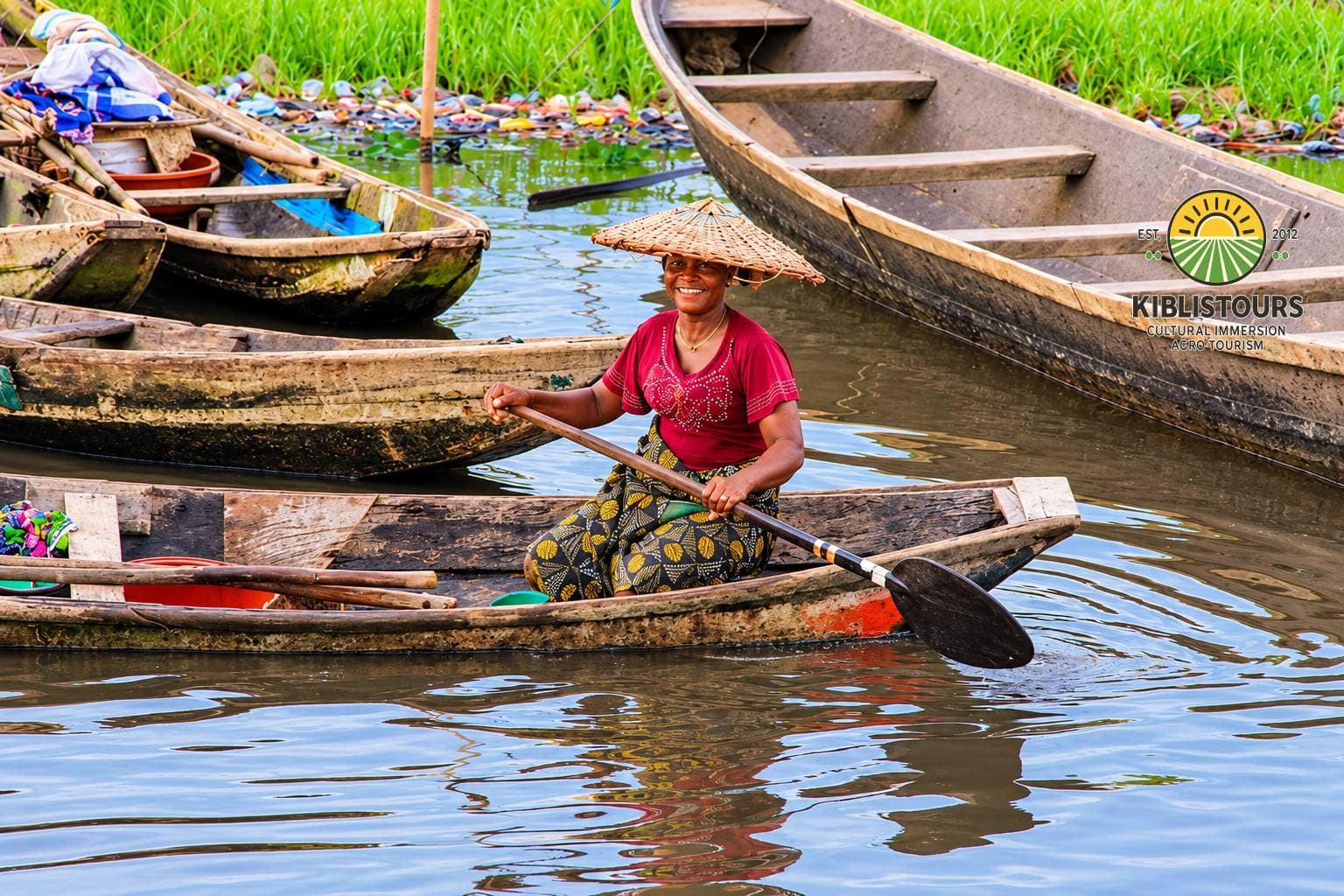
Travel at your own pace, understand the country, and experience encounters that give meaning to your stay.
Traveling differently in Benin means accepting to slow down, to look, to listen and, sometimes, to completely change what you had planned.
There is often a moment during a trip when you simply stop following the program. That moment was not announced in the itinerary and no one had necessarily anticipated it, yet it becomes one of those you will remember for a long time.
Perhaps you are in Ouidah. The visit has just ended and, before you, the Atlantic Ocean seems to fill the entire horizon. You have just heard about a profound, complex and sometimes painful history. Your guide tells you that you can leave, but you do not feel like going.
So you choose to stay, simply because this moment deserves not to be interrupted.
No one rushes you. For a few minutes, there is no longer a visit, no program and no next stop. There is simply the ocean, your thoughts and that particular feeling of being very far from home while being fully present where you are.
Perhaps that is, ultimately, the difference between visiting Benin and truly encountering it. And that is precisely what a private tour in Benin can make possible.
Why choose a private tour in Benin in 2026?
A private tour does not simply mean having a car, a driver and a guide. Of course, comfort matters, but the real privilege lies above all in being able to travel at your own pace.
You can start a day a little later because you are tired, stay longer in a place that moves you, ask ten questions where a conventional visit would already have moved on, or change an activity because you still have energy and want to discover something else.
On a tailor-made trip in Benin, the itinerary remains essential, but it ceases to be a constraint. It becomes a guiding thread strong enough to structure the stay and flexible enough to leave room for encounters, unexpected discoveries and desires that arise once you are there.
The day when twenty minutes become an hour
Imagine entering an artisan's workshop in Abomey for a visit that was initially supposed to last twenty minutes. A pattern catches your attention and you ask what it represents. He answers, and then you want to know who taught him his craft.
The question seems simple, but it suddenly opens a much larger door. The artisan begins to talk about his apprenticeship, his father or his master, his early years, the difficulties encountered in the trade and the time needed to master certain techniques.
At that moment, you are no longer simply visiting a workshop: you are listening to a story of transmission.
Twenty minutes pass, then thirty, then forty. In a very rigid program, someone would probably eventually announce that it is time to leave. On a private tour, your guide can check the rest of the day, see that a few extra minutes will not compromise anything, and allow the conversation to continue naturally.
You may leave with an object, but what you will probably remember most is the story of the person who made it.
That is one of the great advantages of private travel: not measuring the success of a day by the number of activities completed, but by the quality of the moments experienced.
Private tour, group travel or independent travel: what is the difference?
There is obviously no single right way to discover Benin. Some travelers enjoy the energy of a group, others prefer to organize every journey themselves, while some seek more personalized support.
A private tour primarily responds to a particular desire: to retain much of the freedom of independent travel while benefiting from the expertise and support of a local team.
On an organized group trip, schedules necessarily have to suit all participants. When around fifteen people travel together, it becomes difficult to spontaneously extend a conversation, change a day or slow down the program because one traveler wants to spend more time in a particular place.
Independent travel offers greater freedom, but in return requires more preparation. You have to research routes, organize transport, identify guides, book certain activities and gradually understand local customs.
A tailor-made tour in Benin therefore seeks a balance between these two approaches. You know where you are going and have an organized framework, but that framework can evolve according to your needs and realities on the ground.
This flexibility is particularly appealing to families, couples, seniors, diaspora travelers, photographers, history enthusiasts or simply those who do not want to turn their vacation into a race against the clock.
What can you discover on a private tour in Benin?
Benin is particularly well suited to tailor-made travel because its heritage is not limited to a succession of monuments. History, spirituality, crafts, gastronomy, kingdoms, markets, landscapes and contemporary life constantly echo one another.
A question asked in Porto-Novo can thus take on a different meaning a few days later in Ouidah. A symbol observed in Abomey may reappear in an artisan's workshop, while an ingredient discovered at the market may end up on your plate a few hours later.
A story told by a guide may also echo, several days later, in a conversation with a resident. Little by little, the different stages cease to be independent visits.
The journey then takes the form of a coherent story, with each stage shedding light on the next.
Cotonou: starting with Benin today
For many international travelers, Cotonou is the first contact with the country. Upon leaving the airport, the sensations arrive almost simultaneously: the heat, motorcycles, horns, vendors, signs, conversations and the intensity of traffic create a particularly vivid first impression.
After several hours of flying, it can be tempting to want to begin sightseeing immediately. Yet your first evening does not need to be spectacular. You can simply go to your hotel, take time to settle in and, if you still feel like it, go for a short walk, taste your first Beninese dish and ask your first questions.
That is more than enough for a first contact. The next day, the journey can truly begin.
Discovering Cotonou through its details
Cotonou is not merely a transit city. It is also a privileged gateway to contemporary Benin, with its commercial energy, creativity, constant movement and many contrasts.
At first contact, the city can seem intense or difficult to read. Yet when discovered with someone who knows it, its workings gradually become more understandable. A market is no longer just a crowd, a street is no longer merely a traffic route, and a product displayed on a stall suddenly acquires a name, a use and sometimes a story.
Depending on your interests, your discovery can include cultural spaces, art venues, shopping districts, markets, relaxation areas or simply a walk that allows you to observe the city in everyday life.
That is precisely one of the benefits of a private tour: not offering exactly the same Cotonou to everyone. A contemporary art enthusiast will not seek the same experience as a family with young children. A food lover may want to spend more time around markets and local flavors, while a diaspora traveler may be particularly sensitive to conversations, history and the transformations of Beninese society.
At the market, start by saying hello
It is easy to enter a market with your phone already ready, as the colors and scenes of daily life make you want to take photographs. Yet a much simpler approach can completely transform the visit: start by saying hello.
Take the time to look, ask and listen. Your guide may show you a product you do not know and encourage you to ask the vendor a question. She explains how it is prepared, another person joins in and, without you really planning it, an exchange begins.
At that moment, the market ceases to be a simple tourist backdrop. It becomes a place of life whose codes you are beginning to understand.
Ganvié: when water becomes a street
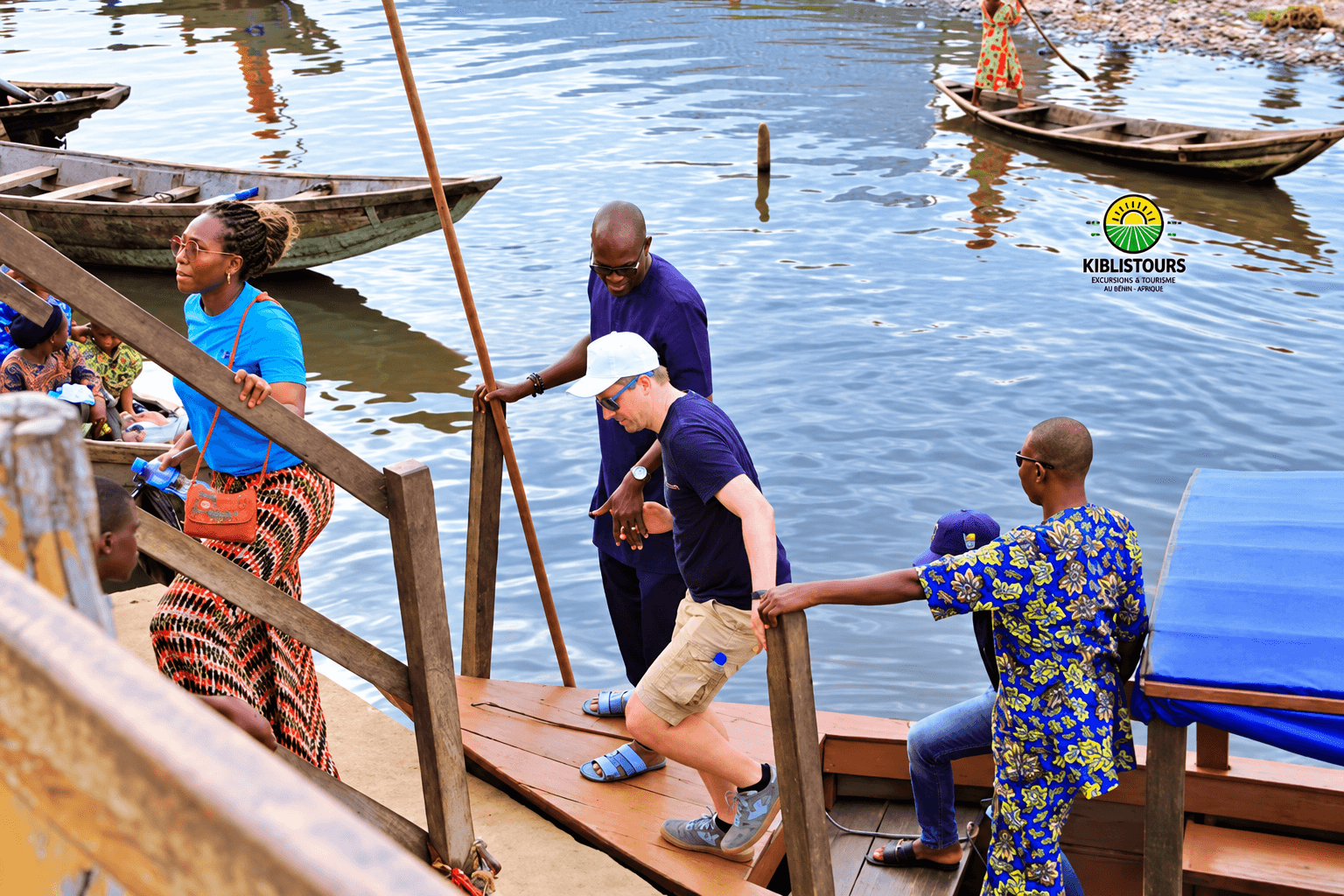
You gradually leave land traffic behind to reach the shores of Lake Nokoué. Once aboard the boat, roads slowly disappear and are replaced by movement on the water. Canoes pass around you, some carrying people, others goods, while homes gradually appear in this lakeside landscape.
For many travelers, the first few minutes are marked by silence. You look a great deal before even asking questions, simply because you are trying to understand how this other way of living and moving around is organized.
Ganvié is not a tourist backdrop
Ganvié is sometimes nicknamed the “Venice of Africa.” This comparison quickly conveys the omnipresence of water, but Ganvié does not need to be compared with a European city to be exceptional.
It has its own history, its own ways of life and its own economic and social realities. The people who live there are not present to provide visitors with a beautiful photograph. The houses are real homes, the canoes are part of daily life, and the lake is above all a space for living, movement and activity.
Understanding this reality profoundly changes the way you visit Ganvié.
Contact us now to enjoy a unique experience in Ganvié.
The photograph you decide not to take
You are in the canoe when a scene suddenly catches your eye. The light is magnificent and your first instinct is to take out your phone.
Your guide discreetly signals you to wait.
You lower the device and soon understand why. The person you wanted to photograph is simply working and going about their day. Your guide exchanges a few words with them before finding out whether a photograph is appropriate.
Sometimes permission is given. Sometimes it is not.
In both cases, something important has happened: the person remained a person and was not turned into a mere tourist image.
This way of traveling does not deprive the visitor of an experience. On the contrary, it allows them to have one that is more respectful and often far more memorable.
Porto-Novo: taking the time to look
Porto-Novo does not necessarily reveal itself at first glance. Benin's capital sometimes requires you to walk, observe a facade, listen to a story, turn down a street or stop in front of a detail you would probably never have noticed on your own.
The city allows you, in particular, to explore royal legacies, Afro-Brazilian influences, cultural traditions and different dimensions of contemporary Benin.
A guide may, for example, stop you in front of a building that seemed ordinary and draw your attention to an architectural detail. From that simple element can emerge stories of families who returned from Brazil, movements between continents or the evolution of a neighborhood.
A facade suddenly becomes a gateway to several centuries of history.
That is what good local guidance can provide: not simply showing what is visible, but giving meaning to what would probably have remained invisible without explanation.
Porto-Novo therefore deserves more than a rapid succession of sites to photograph. It is particularly well suited to walks, conversations and gradual discovery.
Would you like to explore Porto-Novo, its history, rich heritage, and vibrant culture? Contact us now for an unforgettable experience filled with emotion.
Ouidah: memory, history and spirituality
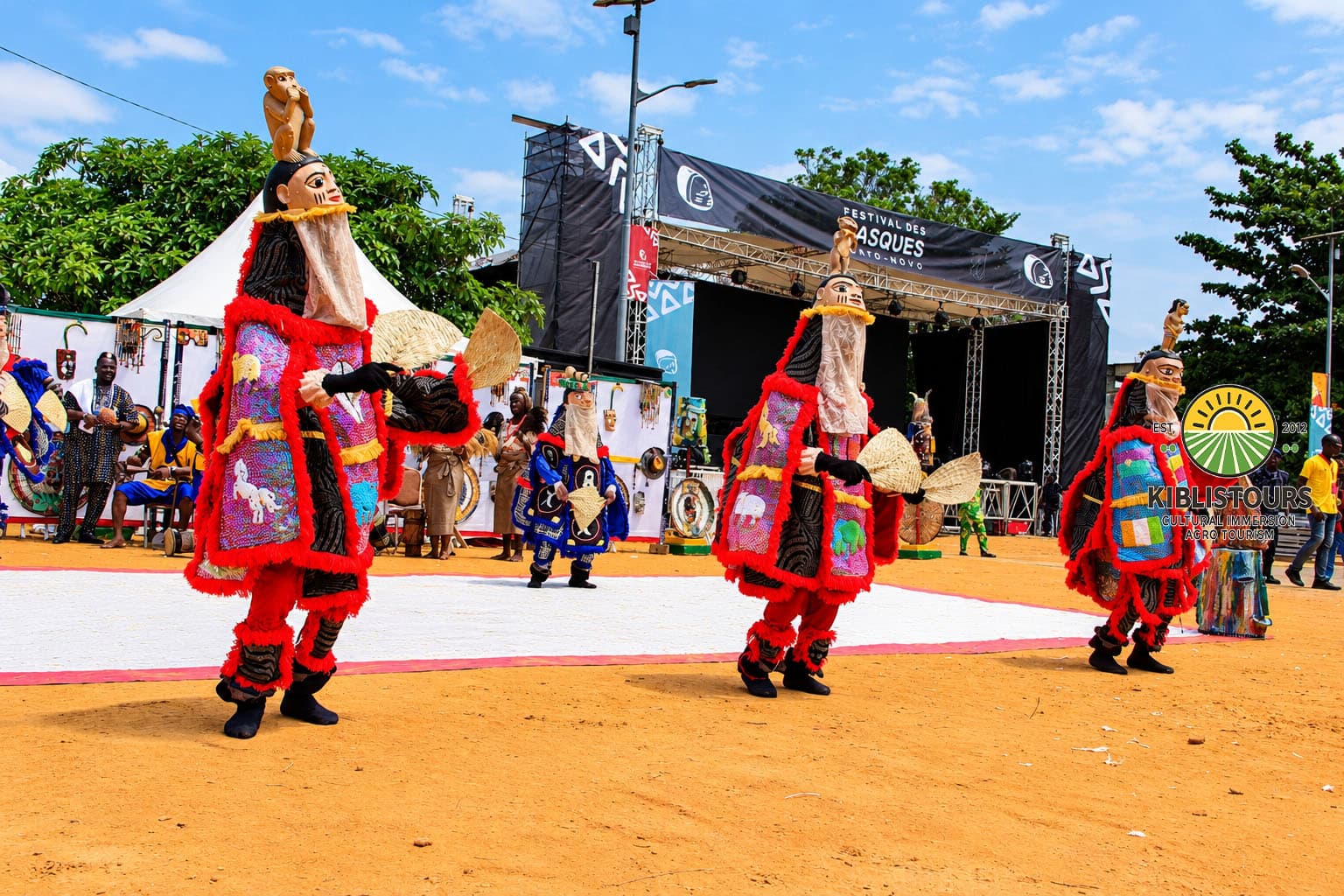
Ouidah has a particular depth. Some visitors arrive thinking first of the transatlantic slave trade, others of Vodun and still others of the major cultural events organized there.
Yet Ouidah cannot easily be reduced to a single aspect. The city has several historical, spiritual, cultural and memorial layers that require time to understand.
Traveling the Slave Route differently
A historical visit should never become a simple succession of photographs. In this type of place, guidance and contextualization make all the difference.
A competent guide explains events, distinguishes historically documented facts from transmitted narratives or memorial dimensions, answers questions and also acknowledges complexity when certain interpretations need to be nuanced.
Then comes the moment when you arrive facing the ocean.
Reactions differ from one traveler to another. Some feel the need to talk, while others prefer to remain silent. Some take photographs and others deliberately put their phones away.
There is no required reaction.
It is precisely in these moments that the time offered by a private tour takes on its full meaning. You can stay for ten minutes or thirty, talk at length with your guide or simply look at the Atlantic.
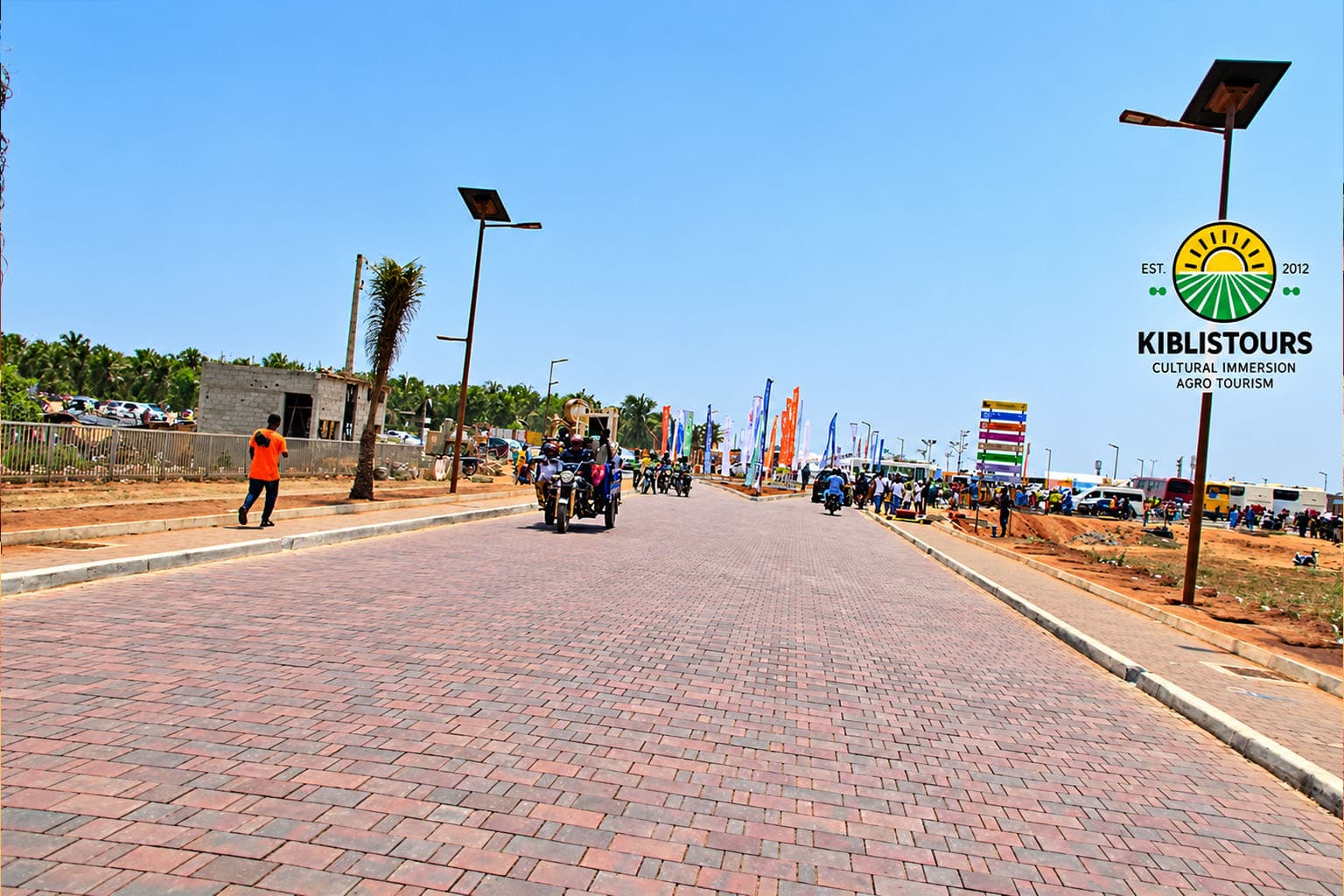
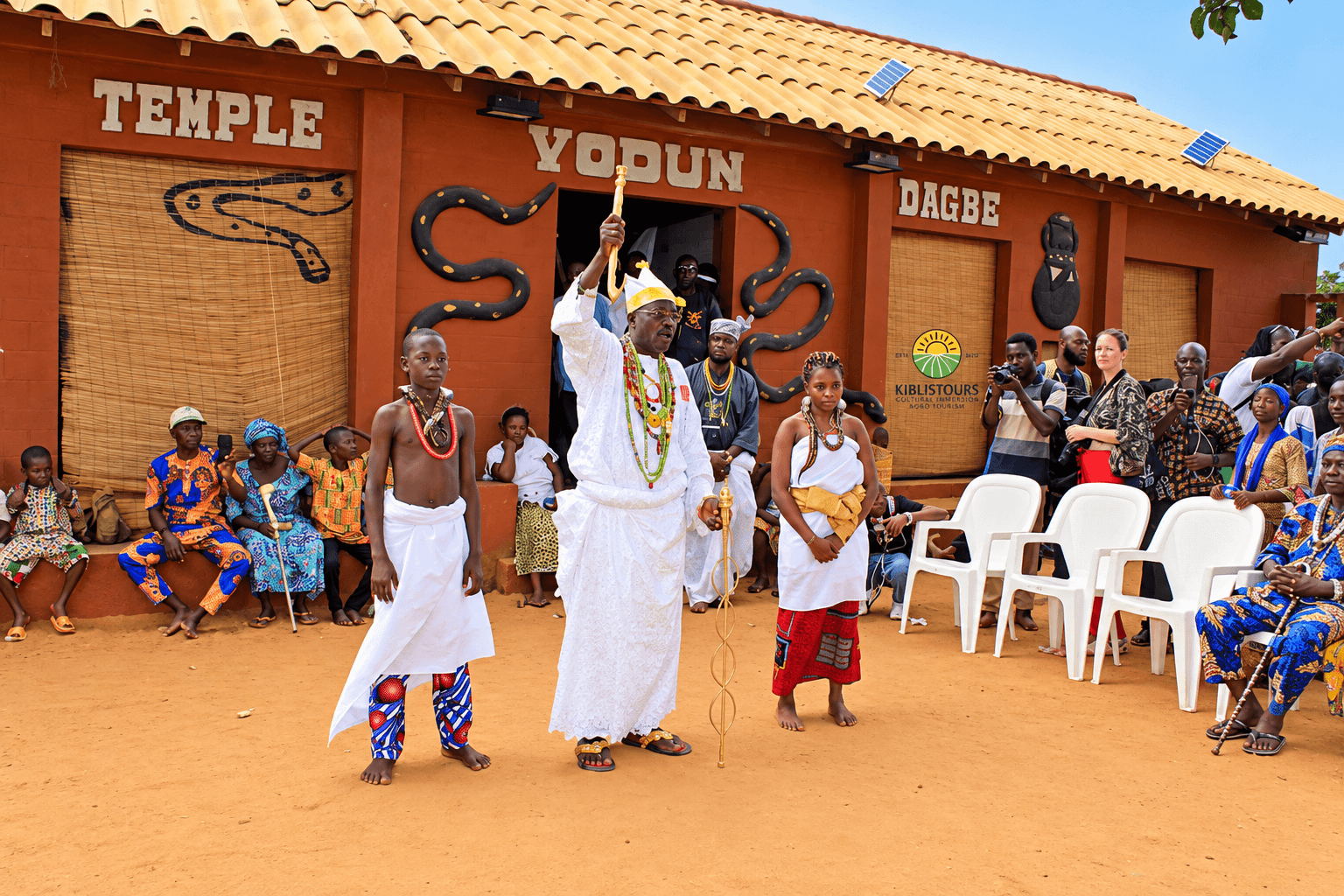
Discovering Vodun with respect
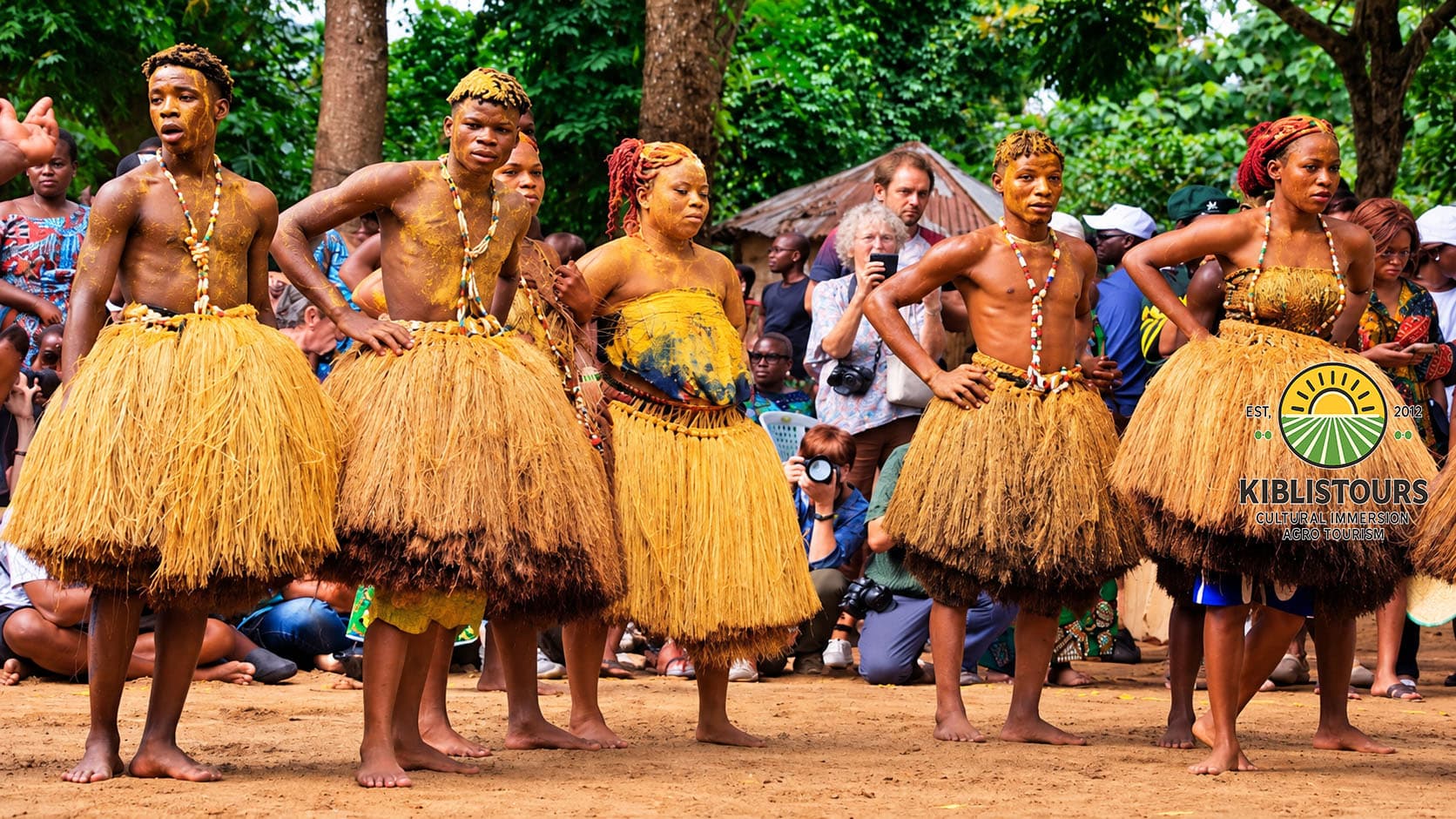
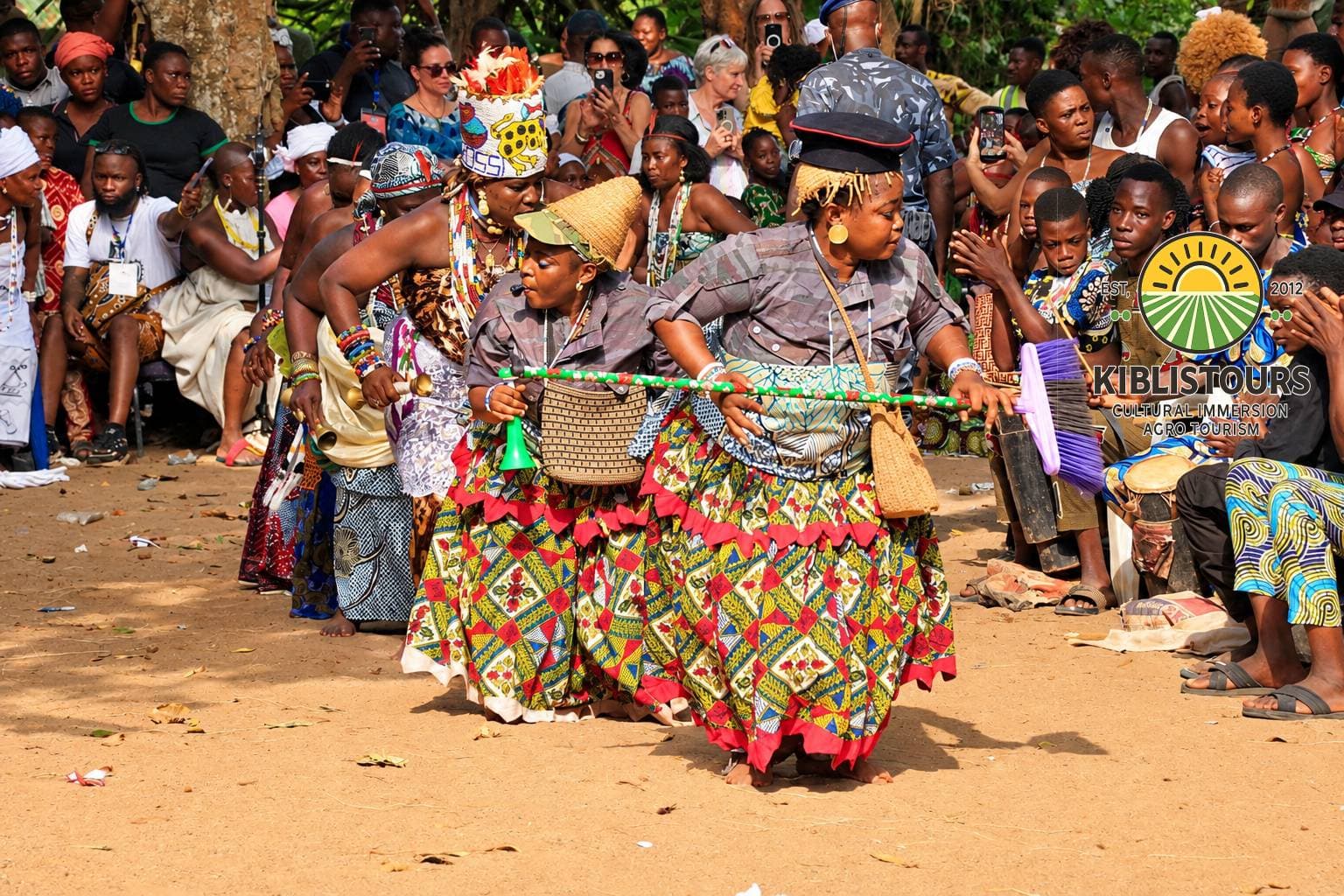
Vodun remains one of the aspects of Benin most surrounded by external representations. Some visitors arrive with images inherited from cinema, while others rely on what they have read or watched on the Internet.
The best attitude is often to accept, at the outset, that you do not yet know. You need to listen, observe, ask questions and, above all, respect the rules surrounding places, practices and people.
Not all ceremonies are public, not all places are accessible and not all photographs are appropriate. These limits do not reduce the quality of the experience; on the contrary, they give it greater meaning.
A spiritual tradition does not exist to satisfy tourist expectations.
At Kiblistours, we therefore start from a simple principle: the traveler is invited to discover, never to demand.
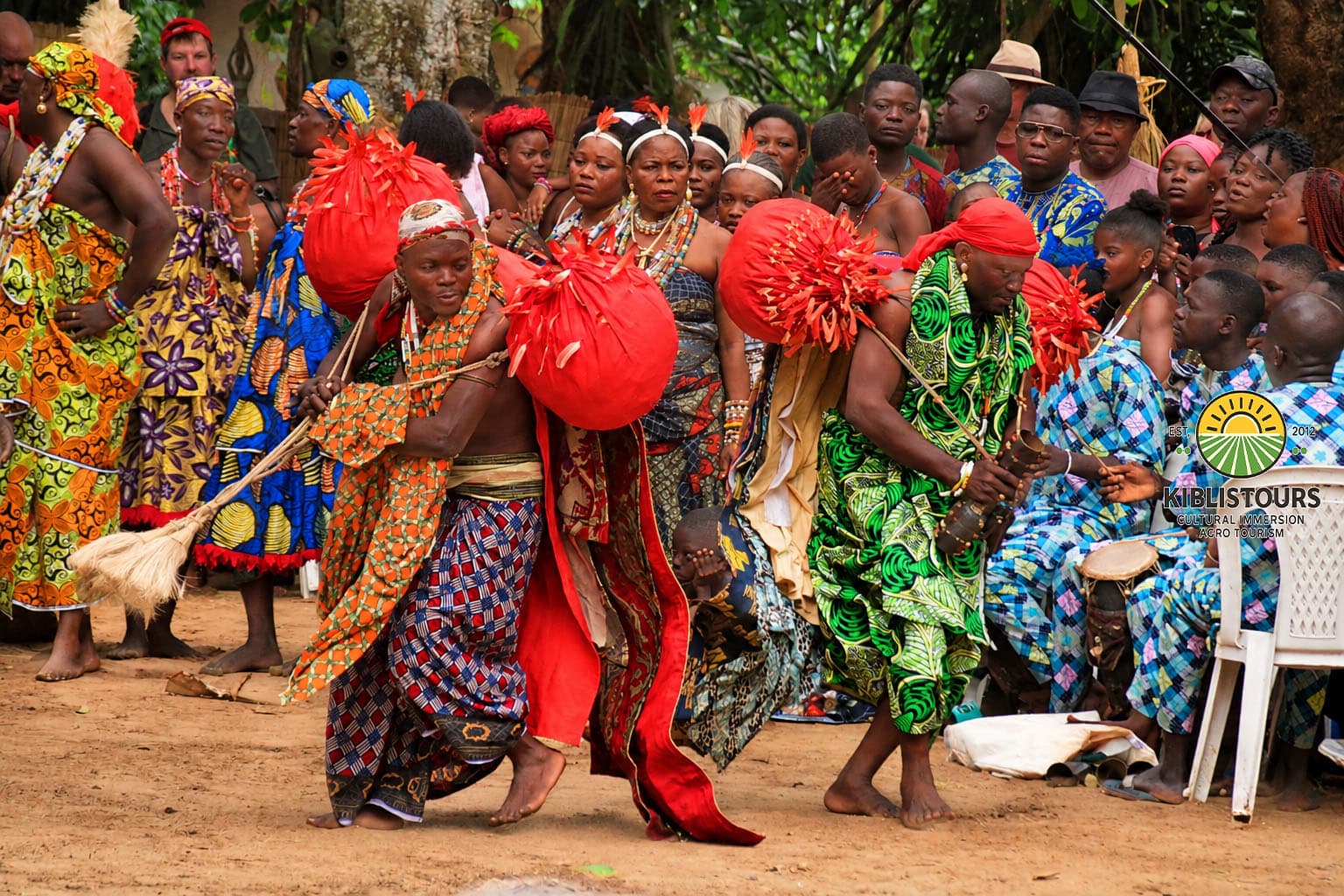
Ouidah welcomes you with its rich history, must-see attractions, and beautiful beaches for a unique and unforgettable journey.
Are you preparing your first private trip to Benin?
You do not need to have already built your itinerary. Simply tell Kiblistours your dates, the length of your stay, the number of travelers and the experiences that matter most to you.
From this initial information, we can think about a coherent tour built around your pace rather than imposing a standardized program on you.
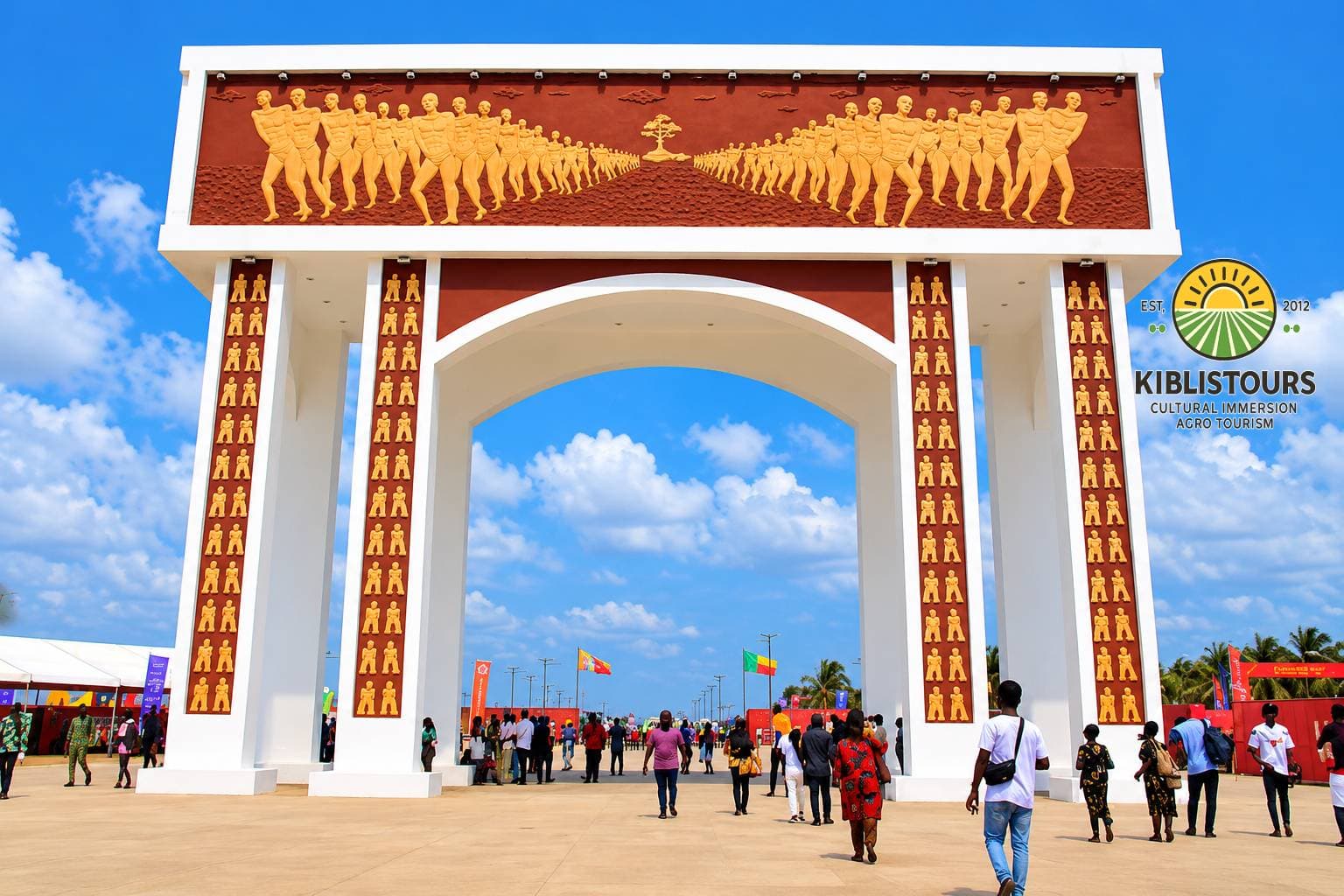
Abomey: entering the history of Danxomè
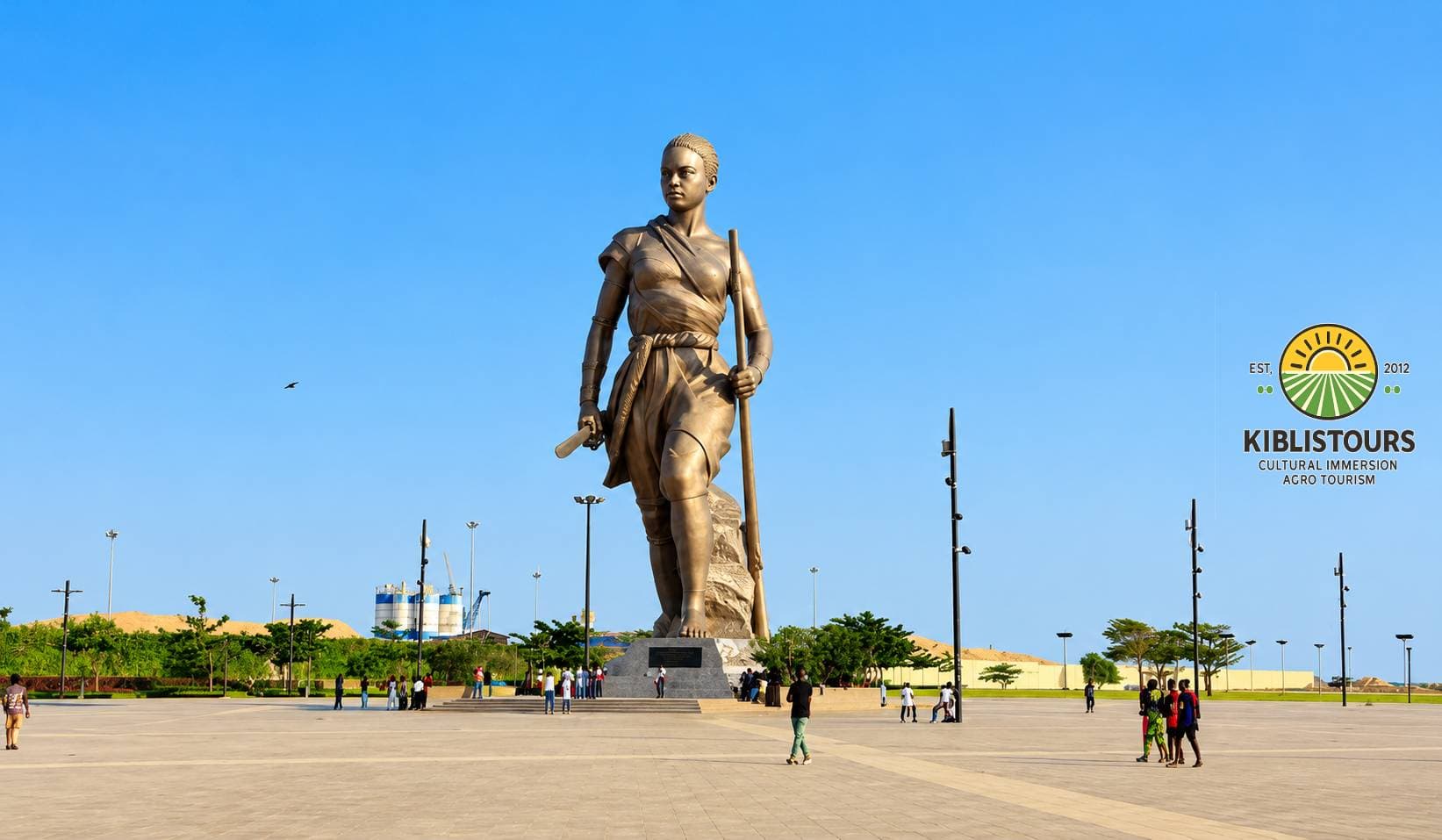
At Abomey, the former capital of the Kingdom of Dahomey, also known as Danxomè, history deserves to be explored at a thoughtful pace. The Royal Palaces of Abomey, a UNESCO World Heritage Site, are a major highlight of any cultural tour of Benin. The kingdom’s rulers, their symbols, its political organization and conflicts, the Agojié, widely known as the Dahomey Amazons, as well as traditional craftsmanship and oral traditions, offer fascinating insights into a history that cannot be fully understood in just a few minutes.
A rushed visit risks reducing this rich heritage to a collection of dates and names. Taking more time during a guided tour of Abomey allows visitors to ask the questions that bring the experience to life: Why was a particular royal symbol used? What did it represent? Is its meaning still understood today? How is the history of the kings of Dahomey passed down to younger generations?
The experience then becomes about much more than the past. Through the insights of a local guide and meaningful conversations with residents, exploring Abomey’s cultural and historical heritage also becomes an opportunity to reflect on collective memory, the transmission of traditions, and the place of this remarkable legacy in modern-day Benin.
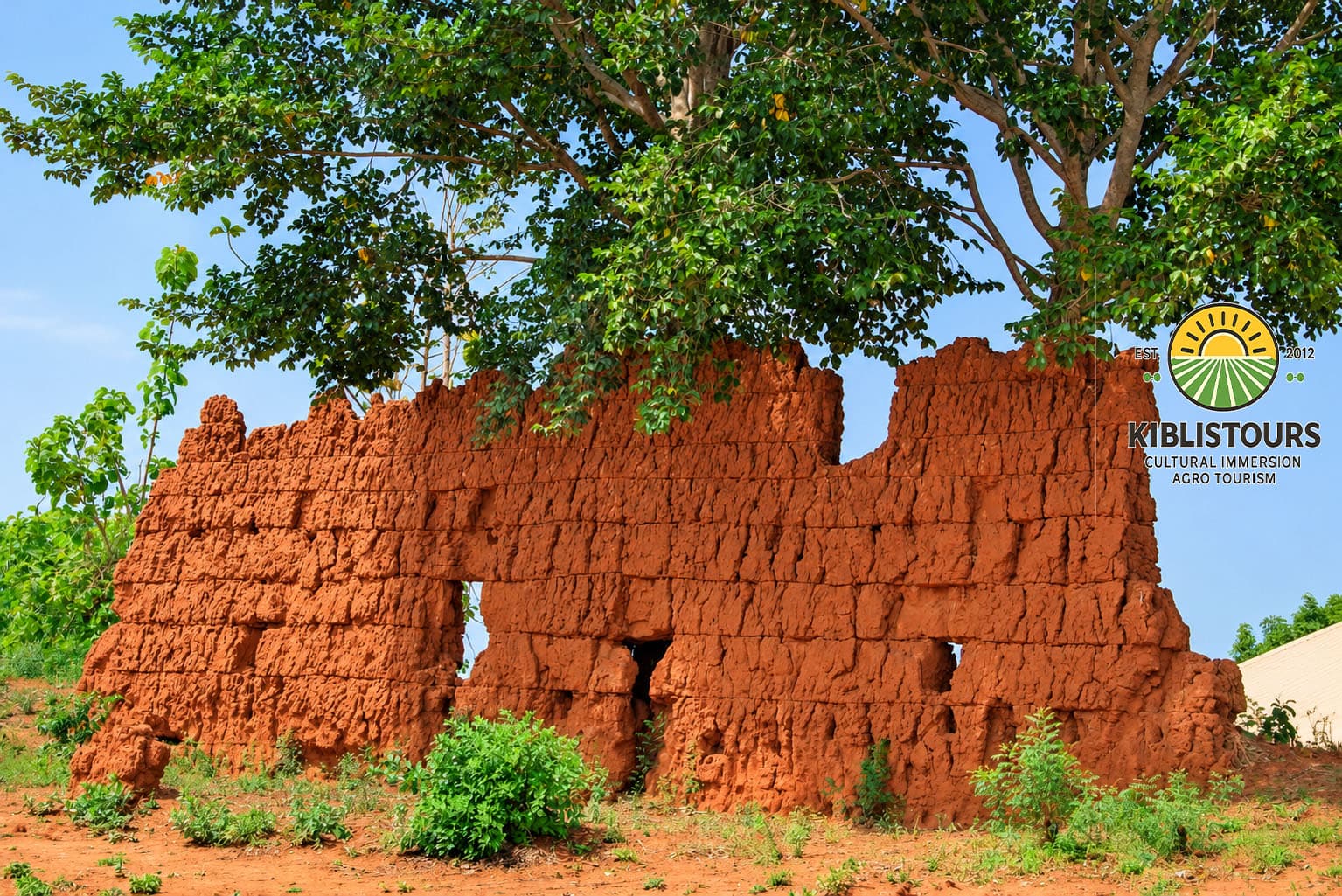
The Agojie: going beyond images from cinema
The Agojie, often called the “Dahomey Amazons,” are now known far beyond Benin's borders. Works of fiction and cinema have contributed greatly to popularizing their history and can provide an entry point that sparks curiosity.
However, this international fame makes historical context even more necessary.
In Abomey, the Agojie can be placed back within the political and military functioning of the Kingdom of Danxomè, making it possible to move beyond simplified representations. The history then becomes more nuanced, sometimes more complex, but precisely much more interesting.
What about northern Benin?
An itinerary in Benin does not necessarily stop at the major destinations in the South. The North also has landscapes, heritage, architecture, traditions and communities capable of giving the journey an entirely different dimension.
However, planning a tour to certain areas must always take into account the security situation, access conditions and recommendations applicable at the time of the stay.
A responsible private itinerary should never be fixed several months in advance to the point of ignoring developments on the ground. If a stage needs to be changed or removed for safety reasons, it must be.
The priority must always remain the protection of travelers, teams and the communities that welcome them.
This ability to adapt is precisely one of the advantages of a local agency: building a realistic and up-to-date trip rather than a program that looks attractive on paper but is unsuited to current conditions.
Beninese gastronomy: traveling through the plate as well
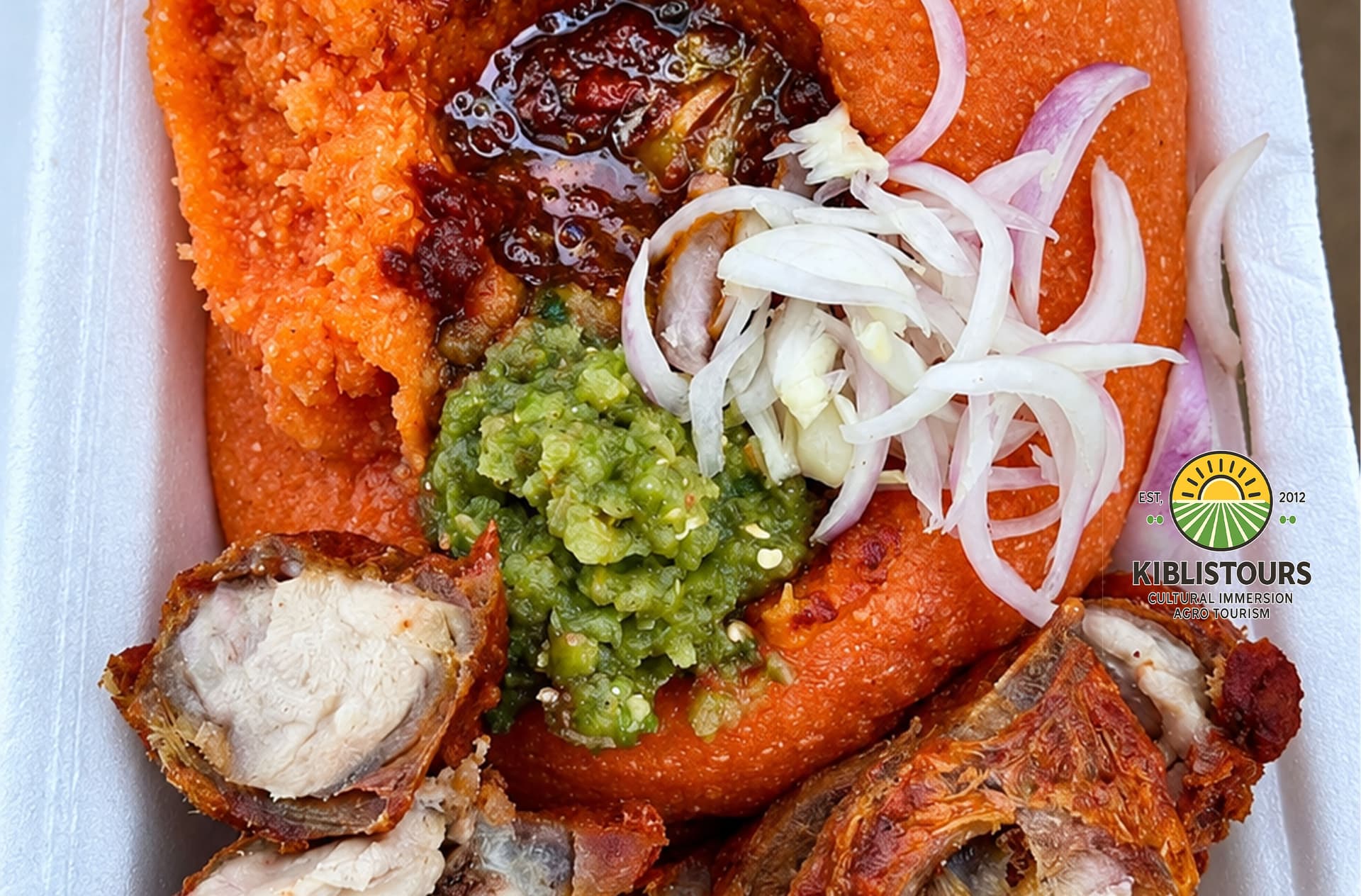
An excellent culinary experience sometimes begins with a very simple question: “What is this?”
You are at the market when an ingredient catches your attention. Your guide gives you its name and a vendor explains how it is prepared. You try to pronounce the word correctly, perhaps you get it wrong, and the exchange suddenly becomes much warmer.
A few hours later, you may find that same ingredient in a kitchen. You see it being prepared, take part in some stages and then taste it.
The dish is then no longer simply delicious. You now know part of its story.
Do not reduce gastronomy to a list of dishes
Discovering Beninese cuisine does not simply mean tasting as many specialties as possible. Food also tells the story of territories, family habits, seasons, agricultural products, processing techniques and transmitted know-how.
The same trip can thus take you from a lively market to a family table, from a restaurant to a cooking experience, or from a farm to tasting a processed product.
For some travelers, gastronomy can even become the guiding thread of an entire day: discovering a market in the morning, meeting a producer or processor, preparing a dish and then tasting it.
This approach connects what we eat with the people who produce, process and pass it on.
Agritourism in Benin: understanding what comes before the plate
An agricultural experience allows you to go back to the origin of products and ask very concrete questions: how do they grow? When are they harvested? How are they processed? Who works behind what we consume and what difficulties do these producers face?
For an adult, these exchanges are a way to better understand certain economic and rural realities. For a child, they can become a wonderful educational experience.
It must nevertheless be kept in mind that a farm remains, above all, a workplace. The traveler must therefore adapt to how it operates, not the other way around.
Another way to encounter the regions
Agritourism adds a different dimension to conventional tourist circuits. It allows you to leave the main roads, discover productive landscapes and talk about land, water, seasons, processing, marketing and local know-how.
The objective is certainly not to artificially stage rural life. Rather, when conditions allow, it is about creating an encounter that is useful, respectful and understandable for both parties.
A well-designed agricultural visit can include a walk around the farm, a presentation of crops or livestock, a processing demonstration, a tasting and an exchange with producers.
It must, however, respect the agricultural calendar, hygiene rules, safety requirements and the farm's professional constraints.
Tourism comes to meet the producer. The producer should not disrupt their activity solely to satisfy tourism.
Responsible tourism begins with simple actions
The more you want to get close to local life, the more essential respect becomes. It does not necessarily involve complicated rules, but often very simple actions: saying hello, asking before taking photographs, listening to instructions, accepting a refusal, respecting private or sacred spaces and understanding that paying for an excursion does not automatically give access to everything.
Buying respectfully, avoiding promises you cannot keep and treating the people you meet as interlocutors rather than elements of scenery are also part of this approach.
Responsible tourism should therefore never be a sentence added at the bottom of a brochure to reassure the reader. It begins in the everyday behavior of the traveler, the guide and the agency.
Buying local without turning the encounter into a transaction
It is perfectly natural to want to bring back a souvenir from your trip. A handcrafted object can even extend the experience long after you return home.
However, the purchase takes on another dimension when you know the story of the object, the material used, the technique involved or the person who made it.
This does not mean that you have to buy something at every stage of your trip. It simply means that a purchase can become more conscious and more personal.
You are then no longer bringing back merely “something from Benin.” You are bringing back an object whose creator, origin or meaning you may know.
Which private tour should you choose according to your profile?
There is no ideal tour for everyone. The first question to ask is therefore not necessarily: “Which sites must I absolutely see?” but rather: “How do you like to travel?”
The answer influences the pace of the stay, acceptable distances, the type of accommodation, the activities to prioritize and the time to preserve for free moments.
Traveling as a couple
A private tour allows couples to balance discovery and intimacy. A morning can be devoted to heritage before a quieter afternoon, dinner facing the ocean or an improvised walk.
Some couples will prioritize cultural discoveries, while others will want to alternate heritage, relaxation, gastronomy and free time. Personalization makes it possible to find precisely this balance.
Traveling with children
Children do not necessarily discover a country in the same way as adults. A three-hour historical visit may seem endless to them, while a canoe ride can trigger twenty questions. A craft workshop can fascinate them and a cooking session can turn learning into a game.
A farm may even allow them to see for the first time how a food they have always known grows or is processed.
A personalized tour therefore makes it possible to adapt the pace without giving up the cultural dimension of the trip. Breaks become more frequent, journeys are planned differently and interactive activities take on greater importance.
Traveling alone
Traveling alone offers immense freedom, but in a country you are discovering for the first time, having a local point of reference can also be reassuring and enriching.
You can perfectly well be accompanied during certain visits and then have long periods of free time. The guide does not need to be constantly present for the support to be useful.
For some solo travelers, the presence of a local professional also facilitates interactions and helps them better understand certain social or cultural codes.
Traveling with friends
A trip with friends has its own dynamic. One person wants to take photographs, another wants to taste everything, a third wants to understand the history, while a fourth mainly dreams of enjoying the beach.
The challenge is to build an itinerary in which these differences become an asset rather than a source of frustration.
Tailor-made travel makes it possible to alternate shared activities and freer periods. Not everyone needs to participate in every activity for the trip to be successful.
Organizing a roots journey in Benin
For some travelers from the African diaspora, coming to Benin has a particularly personal dimension. This journey may have been prepared for several years and, sometimes, imagined for a lifetime.
The traveler is then not merely seeking to discover a monument. They seek to understand, to feel, to establish connections and sometimes to place a family or collective history within a real territory.
Ouidah can obviously stir deep emotions in this process. But a roots journey in Benin should never reduce the country to the history of the transatlantic slave trade.
Benin also has its kingdoms, spiritualities, languages, gastronomy, contemporary creativity, youth, markets, villages and communities.
A roots journey takes on its full dimension when it allows you to look at the past while encountering the present.
Accepting that not all answers exist
A roots journey may involve a degree of uncertainty. Family information is sometimes fragmentary, names may have changed, some archives may be incomplete and stories passed down over several generations do not always make it possible to identify a place or person with certainty.
It is therefore important never to promise what no one can guarantee.
The role of serious support is instead to make use of available information, organize realistic research, identify relevant places and accompany the traveler on a human level throughout this process.
Sometimes a precise answer will be found. In other cases, some questions will remain open. That does not diminish the value of the journey.
How many days should you allow for a private tour in Benin?
The ideal duration depends above all on what you want to experience. The wrong question would be to ask how many destinations can be done in a week. The better question is what pace will truly allow you to enjoy them.
3 days: a first discovery
Cotonou + Ganvié + Ouidah or a three-day tour: Cotonou - Bohicon - Abomey - Dassa - Savalou - Cotonou
Three days allow for a beautiful introduction to Benin, provided you accept that you cannot see everything. Cotonou offers a first encounter with contemporary Benin, Ganvié allows you to discover the lakeside world of Lake Nokoué and Ouidah opens a door to history, memory and spirituality.
Three destinations truly experienced are better than six rushed through at full speed.
5 days: a more balanced immersion
Choose your 5-day immersive experience and enjoy the Vodun Days festivities with Kiblistours. Click here.
Vodun Days 2027 - Cinq jours au cœur des traditions de Ouidah
With five days, the trip becomes more comfortable. A day or half-day can be reserved for a gastronomic, craft or cultural experience, or simply for free time.
The stay then begins to find a genuine balance between discovery and breathing space.
7 days: an excellent balance for a first discovery
A week makes it possible to build a real narrative and explore several dimensions of the country in greater depth without necessarily multiplying journeys.
For many travelers discovering Benin for the first time, seven days is an excellent compromise between diversity, immersion and pace.
Looking for an unforgettable 7-day experience ? We offer you a unique 7-day tour of Benin.
10 days: deepening the experience
With ten days, it becomes possible to stay longer at certain stages, include a gastronomic or rural day, a workshop, a free half-day or even return to a place you particularly enjoyed.
These breathing spaces also make it easier to absorb certain emotionally powerful experiences.
Looking for an unforgettable 10-day experience? Treat yourself to an exceptional 10-day tour of Benin, filled with cultural discoveries, living traditions, and authentic encounters.
14 days: allowing Benin to gradually become familiar
After about ten days, something generally begins to change in your relationship with the country. Certain dishes become familiar, a few expressions are recognized, your guide knows your tastes better and you yourself begin to understand some rhythms of daily life.
Benin gradually ceases to feel completely foreign.
Two weeks therefore make it possible to consider a more thematic journey centered on history, gastronomy, crafts, agritourism, spirituality, relaxation or additional regions when conditions allow.
Dreaming of a complete 14-day immersion in the heart of Benin? Let yourself be captivated by a unique 14-day tour, exploring the country's cultural treasures, breathtaking landscapes, and authentic traditions.
How do you get around during a private tour in Benin?
For your travels during a private tour or tailor-made trip to Benin, Kiblistours provides fully air-conditioned, comfortable, high-quality vehicles, along with dedicated drivers who have extensive knowledge of the local roads and destinations. This private transportation service in Benin allows you to travel between the different stops on your itinerary with personalized assistance tailored to your schedule and preferred pace.
Distances play an essential role in planning your journey. Two destinations that appear close together on a map should not be assessed by distance alone. Actual driving times, road conditions, traffic, breaks, visiting hours, and possible detours are equally important factors to consider.
At Kiblistours, travel comfort also means enjoying a thoughtfully planned itinerary. Your journey includes sufficient time for sightseeing, breaks, and relaxation, while taking into account the fatigue that can come with traveling between destinations. This way, you can fully enjoy every stop without feeling rushed from one attraction to the next.
The advantage of a private vehicle with driver
For a tailor-made trip, having a suitable vehicle offers great flexibility. You do not need to understand every transport option available, your luggage stays with you during transfers and departure times can be adapted to the program.
Breaks are also easier to organize.
Above all, the journey itself can become part of the trip. You see the landscapes change, pass through towns and villages, ask your guide questions and can sometimes stop when an interesting situation arises and conditions allow.
The choice of vehicle should naturally take into account the number of travelers, the amount of luggage, the itinerary and the desired level of comfort.
What accommodation should you choose in Benin?
The best hotel is not necessarily the most expensive. Above all, it is the one that suits the way you travel.
For some visitors, location will be the essential criterion. Others will place greater importance on the quality of the bedding or want a swimming pool. Some will prefer a smaller property with more character, while families will primarily look for rooms suitable for several people.
Premium or VIP travelers, meanwhile, may seek more space, privacy and services.
Standard, Premium or VIP: a matter of priorities
A Standard package can prioritize simple, clean, functional and well-located accommodation.
A Premium package will seek greater comfort, more services and a more demanding selection of establishments.
Finally, a VIP experience should not be reduced to choosing the most expensive hotel. It can also mean more extensive personalization, greater availability of support, more comfortable transport, great flexibility and, when conditions allow, private or privileged experiences.
Luxury, on a private tour, can sometimes be extremely simple: having the time and freedom needed to fully enjoy the place where you are.
What is the best time to travel to Benin?
The answer largely depends on the type of experience you are looking for. A trip built around a cultural event is not prepared in the same way as a stay devoted to agritourism, relaxation or a general discovery of the country.
Weather conditions also influence certain activities, landscapes, roads and the overall comfort of the trip.
Rather than looking for a universally perfect period, it is better to start by defining your priorities. Do you want to attend a particular event? Travel during a less busy period? Discover certain agricultural activities? Spend a lot of time outdoors? Combine several regions?
These answers will help determine the period most consistent with your project.
During major events or particularly high-demand periods, booking in advance also makes it easier to choose accommodation, vehicles and available professionals.
How should you prepare for your first trip to Benin?
A tailor-made trip begins well before arrival, but there is no need to turn your preparation into a hundred-page file.
A few serious checks can already prevent many difficulties.
Before departure, check the entry requirements applicable to your nationality, the validity of your travel documents and the official recommendations corresponding to your situation. As these requirements may change, it is preferable to consult up-to-date official sources rather than relying solely on an old article or the testimony of a traveler who visited several years ago.
Also remember to prepare clothing suited to the climate and planned activities. Light clothing will be appropriate on some days, but certain cultural or spiritual places may require more modest attire.
Comfortable shoes are particularly important whenever the program includes walks or long visits. Sun protection, water, a power bank and suitable protection for certain electronic devices can also make the stay easier.
The objective is simply to arrive sufficiently prepared so that you can devote your energy to the journey rather than solving avoidable problems.
How much does a private tour in Benin cost?
There is no single price for a private tour because the budget varies according to the number of travelers, length of stay, accommodation level, vehicle used, distances traveled, meals included, visits, activities, support services, any private experiences and the chosen period.
Two people traveling for seven days will obviously not have the same cost structure as a family of six.
The most important thing is therefore not to artificially display the lowest possible price, but to provide a clear, detailed and understandable quotation.
The traveler should be able to easily identify the services included and those that remain at their expense: transport, driver, guide, accommodation, meals, entrance fees, crossings, activities, any insurance, personal expenses or other services.
Tour pricing is fully automated on the Kiblistours website.
A tailor-made trip is not necessarily more expensive
Personalization can also help optimize the budget. A better-designed program can avoid unnecessary kilometers, limit hotel changes, select accommodation truly suited to the traveler's priorities and focus spending on the activities that genuinely interest them.
When several people travel together, certain costs can also be shared.
The purpose of tailor-made travel is therefore not to include as many services as possible. It is to devote the budget to the experiences that truly matter to you.
How do you choose an agency for a private tour in Benin?
Price is naturally an important criterion, but it should never be the only one.
Before booking, pay particular attention to how the agency communicates with you. Does it ask questions about your expectations? Does it seek to understand your pace? Does it clearly explain what is included in its offer? Does the proposed program seem realistic and are travel times genuinely taken into account?
It is also useful to observe how cultural experiences are presented. A serious agency should be able to explain access limits to certain places or practices and know how to refuse a request when it is inappropriate, impractical or disrespectful.
A good agency should not simply try to sell you more activities. Sometimes, it should also advise you to remove some.
That may seem paradoxical, but it is often how you recognize an itinerary that has truly been designed for the traveler.
How do you prepare your tailor-made trip with Kiblistours?
You do not need to send us a detailed program to get started.
Simply tell us:
· Your dates or travel period;
· The number of travelers;
· The number of days you have available;
· Your main interests;
· The experiences you would prefer to avoid;
· The level of comfort you are looking for;
· Your indicative budget, if you wish to share it.
Then add three experiences you would absolutely like to have.
Three priorities are enough to lay the foundations for a truly personalized trip.
From this information, we can begin to build a coherent itinerary around your priorities.
Would you like an itinerary designed around your pace?
Tell us your dates, the number of travelers and your three priorities.
Kiblistours can then build a personalized proposal around you, not the other way around.
What we want to avoid at Kiblistours
We do not want to design days during which you spend your trip constantly looking at your watch. Nor do we want to turn living traditions into artificial shows or enter a community solely to produce beautiful photographs.
We also do not want to add a destination simply to make a program look more impressive or call every activity “authentic” solely because the word works well in the tourism industry.
Our ambition is different: to build coherent, human, respectful journeys that are flexible enough to still leave room for the unexpected.
FAQ: organizing a private tour in Benin
Can the program be changed once in Benin?
Yes, to a certain extent. Some changes can be made easily, while others depend on bookings already made, distances, provider availability or access conditions.
Do I have to stay with my guide all day?
No. A private program can perfectly combine guided visits with long periods of free time.
Can Kiblistours build the itinerary for me?
Yes. You can simply tell us your dates, the length of your stay, your profile, your main interests and your desired comfort level. From this information, a coherent itinerary can be built.
Can a private tour be organized for only two people?
Yes. A trip as a couple can be fully personalized according to your interests, pace and desired comfort level.
Can I travel alone with Kiblistours?
Yes. An individual tour can also be organized and combine professional support with free time.
Is Benin suitable for travel with children?
Yes, provided that travel times, the length of visits and the overall pace of the program are adapted to their age. Interactive, craft, culinary or agricultural experiences can be particularly interesting for them.
Can Ouidah, Ganvié, Porto-Novo and Abomey be combined?
Yes. These destinations can be integrated into the same itinerary, but the number of stages that is genuinely desirable depends mainly on the total length of the stay and the pace sought.
Can Vodun be discovered without attending a ceremony?
Yes. Understanding certain aspects of Vodun does not necessarily require attending a ceremony. Heritage sites, historical and cultural explanations and exchanges can already provide an opportunity to discover several of its dimensions.
Can photographs be taken everywhere?
No. Certain people, places or ceremonies should not be photographed without permission. Your guide can help you understand appropriate practices in each situation.
Can gastronomy be included in the tour?
Yes. Depending on the itinerary and availability, markets, tastings, local meals or culinary experiences can be included in the stay.
Can farms be visited?
Yes, when suitable facilities are available and visiting conditions are compatible with their activity. The agricultural calendar and the producer's constraints must always be respected.
Can artisans be met?
Yes. Encounters can be organized with respect for the artisans' work and time so that the experience remains natural and useful.
Can Kiblistours organize a roots journey?
Yes. An itinerary can be built around memory, heritage, history, encounters and contemporary Benin. When you have documents, names, places or other family information, it is preferable to share them sufficiently early in order to assess what research can reasonably be undertaken.
Can northern Benin be visited?
Destinations must be assessed according to the security situation and recommendations applicable at the time of the stay. Safety must always take precedence over maintaining a stage that was initially planned.
How far in advance should I book?
The more your stay falls during a very high-demand period, a particular event or involves specific accommodation, the more advisable it is to plan ahead in order to retain more choice.
What is the best tour in Benin?
The best tour is the one that matches your interests, the time you have available and the pace at which you like to travel. It is not necessarily the one that includes the greatest number of cities.
Is a private tour only for luxury travel?
No. The term “private” primarily means that the trip is organized for you or your own group, without imposing the pace of other travelers on you. The comfort level can then be adjusted to your preferences and budget.
Does everything need to be booked before arrival?
It is preferable to secure the essential elements, particularly accommodation, transport and activities requiring advance organization. However, this does not prevent you from deliberately keeping certain periods free in the itinerary.
Can days without visits be planned?
Absolutely. A free day is not a wasted day. It allows you to rest, enjoy your accommodation, take a quiet walk, return to a place you enjoyed or simply let the journey follow a more natural pace.
What if your private tour in Benin began with a conversation?
You do not need to send us ten pages to start imagining your trip.
A few lines may be enough:
“We are two people and we have eight days. We love history and gastronomy, but we do not want to rush. We absolutely want to discover Ouidah.”
Or:
“We are traveling with our children and would like to meet artisans while discovering local life.”
You can also simply explain:
“I would like to take a roots journey and would like to understand what it is actually possible to research or organize.”
From this initial information, we can think about what is realistic, which stages deserve more time, which destinations can be combined and which ones it may sometimes be better to save for a future visit.
Because an excellent itinerary is not one that tries to show you everything.
It is one that gives you time to be fully present where you are.
Tell us about your travel plans in Benin
Request your personalized itinerary from Kiblistours and let us build together a tour adapted to your pace, your wishes and your way of traveling.
Kiblistours-"Experience Authentic Africa".
Come and visit Benin. But above all, come and encounter it.
Ready to imagine your private tour in Benin? Tell Kiblistours your dates, the number of travelers, the desired duration and your three priorities. You will receive a proposal built around your pace, your wishes and your budget.