To reach Accra without extended sightseeing, allow a full day; to explore along the way, plan two or three days.
Key information at a glance
The coastal road connects Cotonou to Lomé via Hillacondji - Sanvee - Condji, then Lomé to Accra via Kodjoviakopé - Aflao. It can turn a simple transfer into a journey of discovery, provided you allow time for checks and distinguish distance from actual travel time.
Question | Practical answer |
Itinerary | Cotonou → Ouidah/Grand-Popo → Hillacondji → Aného/Lomé → Aflao → Volta Region → Accra |
Indicative distance | 351 km between reference centres (ALCO); door-to-door distance varies with addresses and detours |
Time to allow | A full day, with a substantial allowance for both borders; a stopover in Lomé is preferable for a relaxed journey |
Documents | Valid travel document, nationality-specific formalities, yellow fever certificate and vehicle documents if required |
Currencies | CFA franc in Benin and Togo; Ghanaian cedi in Ghana |
Time difference | Ghana and Togo are on UTC+0; Benin is on UTC+1 |
Why this journey deserves more than a transport ticket
A journey beginning amid the bustle of Cotonou
Early in the morning, Cotonou’s streets awaken to the sound of motorcycles, shops opening and vehicles joining the main road west. A few kilometres further on, the city gradually gives way to markets, residential neighbourhoods, palm trees and coastal landscapes. This change of pace sets the tone: the journey is an experience in its own right, rather than simply time spent between destinations.
Three neighbouring countries and three ways of travelling
Benin, Togo and Ghana share a regional history and daily exchanges, but travellers also encounter visible differences: road signs, service languages, eating habits, payment methods and urban atmosphere. Moving from French to English is manageable; it simply calls for advance preparation of communications, bookings and documents.
A road connecting Atlantic histories
The itinerary follows a coastline where historic trading towns, places of remembrance, religious practices and contemporary markets meet. Ouidah, Grand-Popo, Aného, Lomé and Accra each offer a different experience. A carefully organised journey respects their individuality, without reducing these places to a succession of photographs taken through a window.
Cotonou - Lomé - Accra itinerary: stages, distances and actual travel time
Cotonou: choosing the right departure point
The journey begins before the first kilometre. Leaving from a city-centre hotel, the airport, Fidjrossè or the western outskirts involves different access times. Urban traffic can be heavy, and an unclear meeting point can disrupt the first stage.
Meeting point - Agree on a precise address and reporting time, then confirm the vehicle, driver and number of bags the day before.
Ouidah and the Beninese coast: making room for remembrance
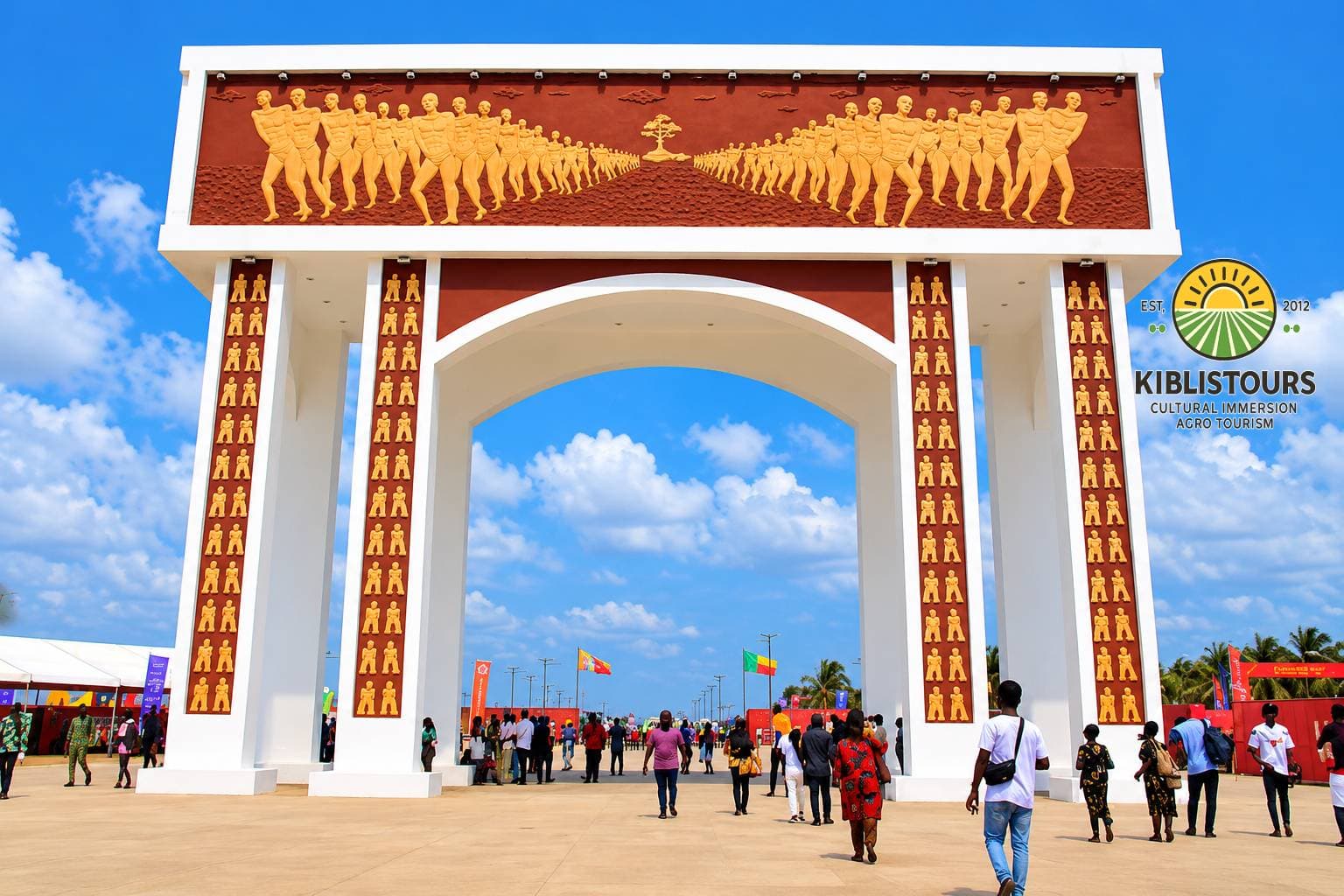
The road west crosses an area where places of remembrance and cultural expressions play a major role. Ouidah deserves a dedicated visit rather than a rushed stop between road checks. Depending on the programme, a detour can provide an opportunity to explore local heritage with a knowledgeable guide.
A realistic schedule - An in-depth visit to Ouidah may require half a day or more; it should not be squeezed into an already busy day.
Grand-Popo: a breathing space before the border
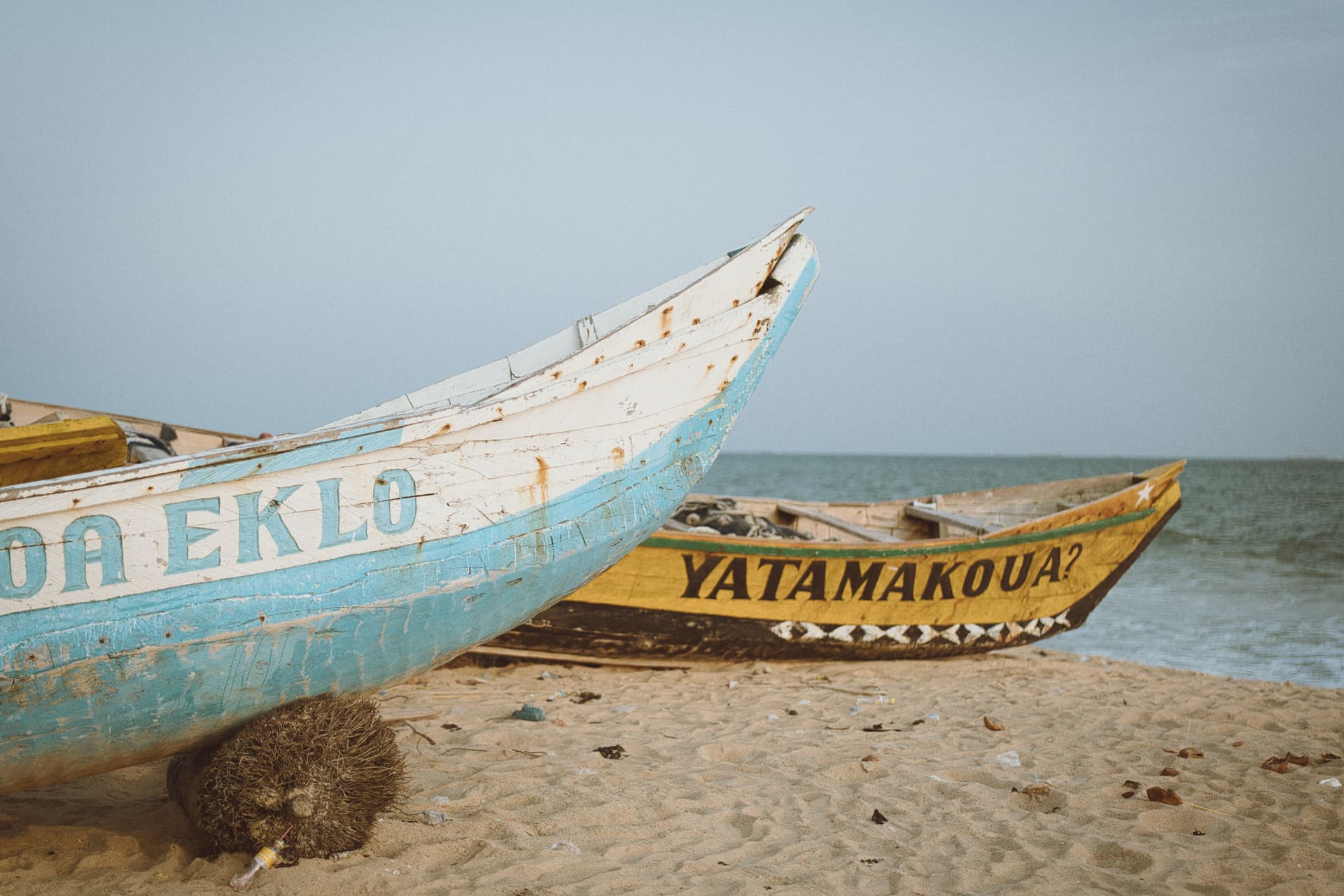
As you approach Grand-Popo, the atmosphere changes. The nearby ocean, lagoon landscapes and fishing villages reveal another side of Benin’s coastline. A stop offers a brief escape from the rhythm of traffic to observe local activities without disrupting residents’ work.
Hillacondji - Sanvee - Condji: the first border
Hillacondji on the Beninese side and Sanvee-Condji on the Togolese side form the first border crossing. Report to the immigration counters and, when travelling with a vehicle, to customs. Prefer a daytime crossing and confirm service hours with the carrier or authorities before departure.
Before reaching the checkpoint, keep your passport, Togolese immigration form, evidence of your stay and vehicle documents together. If your nationality requires a visa, obtain it before travelling.
During checks-Use official counters, avoid unauthorised intermediaries and request a receipt for any lawful payment.
After the checks, collect your documents and check your luggage. Benin is on UTC+1, while Togo and Ghana are on UTC+0: when it is 10 a.m. in Cotonou, it is 9 a.m. in Lomé and Accra. If driving, also keep your customs documents and note their expiry date.
Aného and the approach to Lomé
After the border crossing, the Togolese coast leads towards Lomé. Aného has its own urban and trading history. Travellers choosing to stop should distinguish a transit break from a proper cultural visit, organised with a guide and sufficient time.
Lomé: a stopover capital or a city to explore
Lomé deserves more than a fuel stop between two borders. Its markets, neighbourhoods, seafront and places of remembrance help explain Togo’s role in regional movements and exchanges. Staying overnight often turns the trip into a true journey of discovery.
Kodjoviakopé - Aflao: the second border
Kodjoviakopé in Lomé faces Aflao in Ghana. This second crossing involves departure formalities for Togo and entry formalities for Ghana. Plan to cross during daylight; immigration, customs and health-control service hours must accommodate your intended crossing time and vehicle type.
Personal documents - When entering Ghana, present the passport used for any electronic applications, your international yellow fever vaccination certificate and, if requested, evidence of your stay and onward travel. Beninese nationals remain subject to checks despite their visa exemption.
If travelling with a driver, ensure the quotation specifies whether the same vehicle continues to Accra or a handover is arranged at the border. Cross-border insurance and customs documents must cover the intended countries and use.
Aflao–Accra: crossing south-eastern Ghana
After Aflao, the journey takes on another character. English-language signs, towns and the landscapes of the Volta Region accompany your progress towards the capital. Traffic may slow down, particularly near major roads and urban areas.
Arrival in Accra-Decide on your arrival neighbourhood beforehand: Osu, Airport Residential, East Legon and the city centre involve different final journeys.
Stage distances and indicative driving times
The distances in the table come from the Border Guide of the Abidjan - Lagos Corridor Organisation (ALCO). They connect reference points; your departure address, accommodation and sightseeing detours change the actual distance. Driving times are planning estimates and exclude formalities.
Stage | ALCO distance | Indicative driving time | Additional time to allow |
Cotonou → Hillacondji (Benin) | 106 km | 1 hr 45 min – 3 hr | Traffic leaving Cotonou; checks on approach |
Hillacondji → Sanvee-Condji | ≈ 1 km | Cannot be estimated | First border crossing: immigration and customs where applicable |
Sanvee-Condji → Lomé | 50 km | 1 hr – 1 hr 45 min | Traffic on arrival in Lomé |
Lomé → Kodjoviakopé/Aflao | 3 - 4 km | 15 - 45 min | Urban traffic followed by the second border crossing, with a separate time allowance |
Aflao → Accra (Ghana) | 193 km | 3 hr - 5 hr 30 min | Traffic towards Tema and Accra; arrival neighbourhood |
ALCO gives approximately 351 km between Cotonou and Accra. The rounded stages in the table total approximately 353–354 km: rounding and different measurement points may explain this small difference. Separately allow an indicative margin of 1–3 hours per border, sometimes more, plus breaks and connections.
Distance source: ALCO Border Guide. The driving times above are estimates, not carrier timetables.
How long does it really take to travel from Cotonou to Accra?
The combined driving estimates amount to approximately 6 - 11 hours. Allowing 1 - 3 hours at each border brings the planning range to approximately 8 - 17 hours, before breaks and any connections. This range illustrates the journey’s variability; it does not guarantee same-day arrival. Avoid booking a meeting, flight or non-refundable visit immediately after your expected arrival.
Option | Arrangements | Who is it for? |
Direct | Early departure from Cotonou; two borders; arrival in Accra the same day if conditions allow | Travellers short on time, without extended visits |
With Lomé stopover | Cotonou - Lomé, a visit and overnight stay; Lomé - Accra the next day | Families, older travellers and visitors wishing to discover Togo |
Cultural | Ouidah/Grand-Popo, Lomé, then Accra over three days or more | Travellers prioritising encounters and heritage |
Benin - Togo - Ghana visas and formalities: passports and borders
Documents: distinguishing nationality from place of residence
Formalities depend on nationality and the passport presented, as well as the purpose and length of stay. Living in Benin or having Beninese origins does not automatically entitle you to the exemptions available to a Beninese national. For this international route, prepare a valid individual passport for every traveller and check the rules of both countries you will enter.
Beninese travellers and African nationals
A Beninese traveller is exempt from visas for Togo and Ghana. Ghana’s Ministry of Foreign Affairs lists a maximum stay of 90 days for Beninese passports. The actual authorised stay is the period granted by immigration on entry.
For Togo, the government portal announces visa-free entry for African nationals holding a valid passport, for stays of up to 30 days under this measure. The immigration form must be completed online no later than 24 hours before arrival. Keep the confirmation to present at the checkpoint. For a longer stay, check the rules applicable to your nationality.
For Ghana, consult the official checker using your nationality and passport type. Follow the result shown: “Visa-Free”, “ETA Required” or “eVisa Required”. If an ETA is required, obtain this authorisation before travelling; visa exemption alone does not establish exemption from electronic procedures.
Other nationalities and visa applications
Other travellers should check Togo and Ghana separately. Travelling overland through Togo involves entering its territory. A Ghanaian visa does not replace the documents required by Togo, and vice versa.
For Togo, use the assistant on the Togo Voyage portal. Its current notice suspends visas on arrival and express visas and asks travellers to start any necessary applications at least five days before arrival. Allow more than this minimum to complete your application and receive a decision.
For Ghana, use the official eVisa portal and its eligibility checker. If the form does not allow you to enter the Aflao land crossing correctly, contact immigration support before paying for transport. An announcement of waived fees does not in itself constitute permission to enter.
Electronic health declaration for entry into Ghana
The Ghana Health Service portal presents the health declaration as mandatory for arriving travellers. Complete it before reaching the health-control counter and keep the QR code issued after submission. A parent or guardian completes the form for a child under 12. For Aflao, keep an offline copy of the confirmation and follow the instructions of Port Health at the crossing.
Yellow fever vaccination and traveller health
Ghana’s official guide requires a valid yellow fever vaccination certificate on entry. Carry the original international certificate. If travelling with an infant, or if vaccination presents a medical difficulty, consult a healthcare professional well in advance and clarify the procedure accepted by the authorities. The electronic declaration and vaccination certificate are separate documents.
Children travelling with one parent: documents to prepare
Every child must have the travel and health documents required for their age and nationality. When travelling with one parent or another accompanying adult, check applicable exit authorisations, proof of parentage and any custody orders. Check that names and dates of birth match and keep originals accessible. Immigration authorities or the consulate can clarify the documents appropriate to your family circumstances.
Cotonou - Accra by bus, taxi or private car: which should you choose?
Coach or shared transport
A coach or shared transport can reduce individual costs, but requires adherence to a timetable, boarding point and sometimes a connection. A service advertised as Cotonou–Lomé is not a ticket to Accra. Before paying, check whether the operator actually crosses both borders, the service class, document requirements, luggage allowance and support provided if a connection is missed.
Shared taxis and combinations of vehicles
Some travellers choose to change vehicles in Togo or at the Ghanaian border. This can be flexible for someone accustomed to regional travel, but involves more negotiations, luggage handling and uncertainty over departure times.
Full price - Clarify whether the fare covers the entire journey or only one stage.
Private vehicle with a driver
A private vehicle lets you choose stops, manage comfort and adapt the journey to a group’s needs. It does not guarantee automatic border clearance. The contract should specify the driver, insurance, territorial coverage, documents and arrangements for delays.
Driver, vehicle and insurance: three separate sets of requirements
For a vehicle registered in an ECOWAS state, the Ghana Revenue Authority lists a valid driving licence, registration certificate, recognised insurance and a recognised international customs carnet. Its notice distinguishes a maximum stay of 90 days for a private vehicle and 15 days for a commercial vehicle. Confirm temporary admission and exit procedures for your vehicle. The ECOWAS Brown Card covers cross-border third-party liability; it does not replace customs formalities.
Driving your own vehicle
For a rented or borrowed vehicle, obtain written permission from the owner or rental company for the countries you will cross. Also check licence and insurance requirements in Togo. A vehicle used to carry customers may be subject to different obligations from a personal car.
Cotonou - Accra bus prices: tickets, budget and expenses to allow for
To compare options, separate the ticket, local transfers, meals and any overnight stay in Lomé. Then add expenses specific to your circumstances: extra luggage, insurance, any visa, sightseeing and return transport. The examples below are for one adult travelling one way.
How to interpret carriers’ advertised fares
Voyage Express publishes a fare of CFA 8,000 for Cotonou - Lomé and two advertised departures at 7 a.m. and 3 p.m. The ABC Transport reference figures taken from the documentary record of 13 November 2026 are NGN 75,000 for Lomé - Accra and NGN 105,000 for Cotonou - Accra, on the Sprinter service. These ABC amounts must be reconfirmed directly with the operator for your chosen date; they establish neither seat availability nor the fare payable that day.
Reference fares for the three routes
Route | Carrier | Advertised adult fare | Details |
Cotonou–Lomé | Voyage Express | CFA 8,000 | One way; published departures at 7 a.m. and 3 p.m.; availability to be confirmed |
Lomé–Accra | ABC Transport | NGN 75,000 | Documentary reference dated 13 November 2026; Sprinter service; date, payment currency and seat to be confirmed |
Cotonou–Accra | ABC Transport | NGN 105,000 | Documentary reference dated 13 November 2026; Sprinter service; date, payment currency and seat to be confirmed |
Amounts in naira are retained in their original currency. Before paying, ask which currency is actually accepted, where to board, what luggage is included and what connection conditions apply. If buying two separate tickets, check that you can reach the second departure after the first journey.
Transport sources: Voyage Express, public fare consulted on 16 November 2026; ABC Transport, reference fares dated 13 November 2026, to be reconfirmed through the operator’s booking system.
Item | Question to ask before paying |
Transport | Does the price cover Cotonou - Accra or only Cotonou - Lomé / Lomé - Accra? |
Borders | Which statutory fees are included? Which receipts or supporting documents will be issued? |
Accommodation | How many nights, in which category and on which meal plan? |
Meals | Are lunches, water and breaks included? |
Visits | Which sites, entrance fees, guides and timings are planned? |
Currency exchange | Which currency is used for the quotation and which exchange rate applies? |
Contingencies | What reserve is provided for delays or programme changes? |
CFA francs, cedis and payments at the border
Benin and Togo use the West African CFA franc, while Ghana uses the cedi. This currency change may seem straightforward, but affects small purchases, meals, taxis and payments on arrival.
Exchanging money carefully-Use an established exchange office or recognised provider and ask for the rate before any transaction.
Two costed examples: direct travel or two days with an overnight stay in Lomé
These two scenarios help you prepare a personal budget and do not constitute a Kiblistours offer. Ticket amounts use the reference figures above. Taxis, the overnight stay in Lomé, meals and contingency funds are hypothetical allowances to be adapted to your desired comfort and the prices obtained. The final transfer of GHS 120 is also an assumption, varying with the neighbourhood and arrival time.
Budget item | Direct | 1 day | With overnight stay in Lomé | 2 days | CFA equivalent | direct / 2 days |
Cotonou → Accra ticket (direct, ABC) | NGN 105,000 (published fare) | - | 46,000 / — |
Cotonou → Lomé ticket (Voyage Express) | - | CFA 8,000 (published fare) | — / 8,000 |
Lomé → Accra ticket (ABC) | - | NGN 75,000 (published fare) | — / 32,800 |
Local transfer in Cotonou | CFA 4,000 (allowance) | CFA 4,000 (allowance) | 4,000 / 4,000 |
Connection / taxis in Lomé | - | CFA 4,000 (allowance) | — / 4,000 |
Accommodation: one night in Lomé | - | CFA 25,000 (allowance) | — / 25,000 |
Meals and water during the journey | CFA 5,000 (allowance) | CFA 12,000 (allowance) | 5,000 / 12,000 |
Final transfer in Accra | GHS 120 (allowance) | GHS 120 (allowance) | 6,100 / 6,100 |
Contingency / luggage reserve | CFA 5,000 (allowance) | CFA 7,000 (allowance) | 5,000 / 7,000 |
INDICATIVE TOTAL | NGN 105,000 + CFA 14,000 + GHS 120 | NGN 75,000 + CFA 60,000 + GHS 120 | 66,100 / 98,900 |
Indicative conversion on 16 November 2026: NGN 1 ≈ CFA 0.4379 and GHS 1 ≈ CFA 50.68. These cross-rates are calculated from the West African Monetary Agency’s (WAMA) EUR rates. Equivalents are rounded to the nearest CFA 100 and exclude commissions and the margins applied by your bank or exchange office.
Under these assumptions, direct travel costs approximately CFA 66,000 and a two-day journey approximately CFA 99,000 per adult, one way. The difference of around CFA 33,000 reflects the chosen overnight and stopover arrangements; it does not, by itself, measure a difference in quality between carriers. These totals exclude the stay in Accra, return travel, visits, insurance, any visas and exchange fees.
Distinguishing the ticket price from the full journey cost
For a car with a driver, request a separate quotation covering the vehicle, fuel, tolls, cross-border insurance, any handovers and the driver’s expenses. When travelling together, compare the group total and then the cost per person; a private fare cannot be directly compared with the price of a coach seat alone.
Unsure whether to choose a direct transfer or two days with an overnight stay in Lomé? Provide your dates and traveller numbers to receive a complete proposal
Safety, comfort and behaviour on the road
Travelling by day: a sensible precaution
Long journeys are best planned during daylight hours. Visibility, fatigue and traffic conditions can change considerably after dark. An experienced driver does not eliminate every risk; their main contribution is anticipation and an appropriate pace.
Borders: staying courteous, alert and organised
A border can bring travellers, traders, carriers, officials and intermediaries together in a crowded space. The best approach is to follow official procedures, keep your documents accessible and avoid offers promising to bypass formalities.
Phones, connectivity and navigation
Crossing a border can temporarily interrupt mobile data access. An offline map, accommodation phone numbers and your exact arrival address prevent complete dependence on the network.
Respecting residents and the places you pass through
Authentic encounters do not involve interrupting people’s work or photographing them without permission. A considerate traveller observes, speaks tactfully and accepts that a visit may not be possible at the planned time.
Cotonou - Lomé - Accra travel: one-, two - or three-day itineraries
For a transfer, limit stops to essential needs. For a cultural journey, set aside visiting time and one or two overnight stays. Half a day in Ouidah offers a more meaningful experience than a photo stop; in Lomé, choose visits compatible with site opening hours and your accommodation’s location.
Express programme: Cotonou–Accra in one day
Leave Cotonou early. The journey crosses western Benin, passes through Hillacondji, continues towards Lomé and reaches Aflao. After Ghanaian formalities, the vehicle proceeds to Accra. The programme promises no major sightseeing along the way: it prioritises essential breaks and an organised arrival.
Morning-Departure, coastal-road traffic and the first border crossing.
Midday-Transit through Lomé, a meal and the Aflao crossing, depending on queues.
Balanced programme: two days and one night in Lomé
The first day allows you to leave Cotonou without rushing and devote time to a stop in Benin or Togo. An overnight stay in Lomé provides proper rest. The next day, the second border and the road to Accra become easier to manage.
Day 1 - Cotonou, a chosen cultural stop, Hillacondji, Lomé and an overnight stay.
Day 2 - Breakfast, Aflao formalities, travel to Accra and an initial exploration depending on arrival time.
Cultural programme: three days and three different atmospheres
The journey deliberately unfolds more slowly. Ouidah or Grand-Popo offer a first impression of the coast; Lomé reveals a different urban history; Accra introduces Ghanaian cultural life. The aim is to understand what connects and distinguishes the three countries, rather than to accumulate attractions.
Day 1 - Cotonou and an in-depth visit to Ouidah, followed by an overnight stay in Grand-Popo.
Day 2 - Travel to Lomé, a guided exploration and an overnight stay.
Day 3 - Crossing at Aflao, travel to Accra and a light visit if conditions allow.
Would you like to discover Ouidah, Lomé and Accra at a relaxed pace? Choose your dates, traveller numbers and preferred stops: Design your itinerary with Kiblistours
What to discover after arriving in Accra
Accra: getting to know the capital
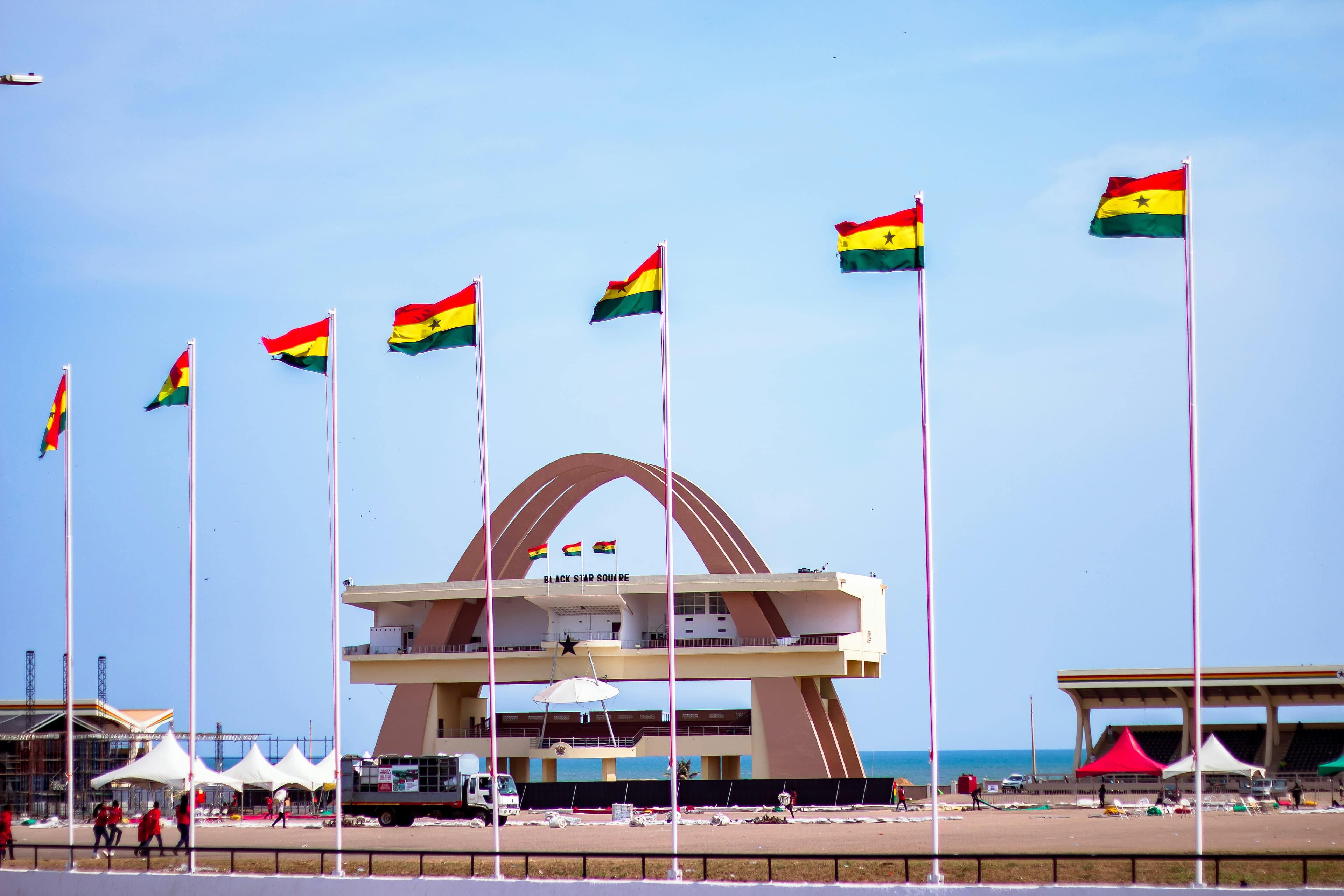
Accra welcomes travellers with urban energy, markets, business districts, cultural spaces and places of remembrance. After several hours on the road, begin with a gentle walk or a meal rather than an overloaded programme.
Continuing to Cape Coast and Elmina
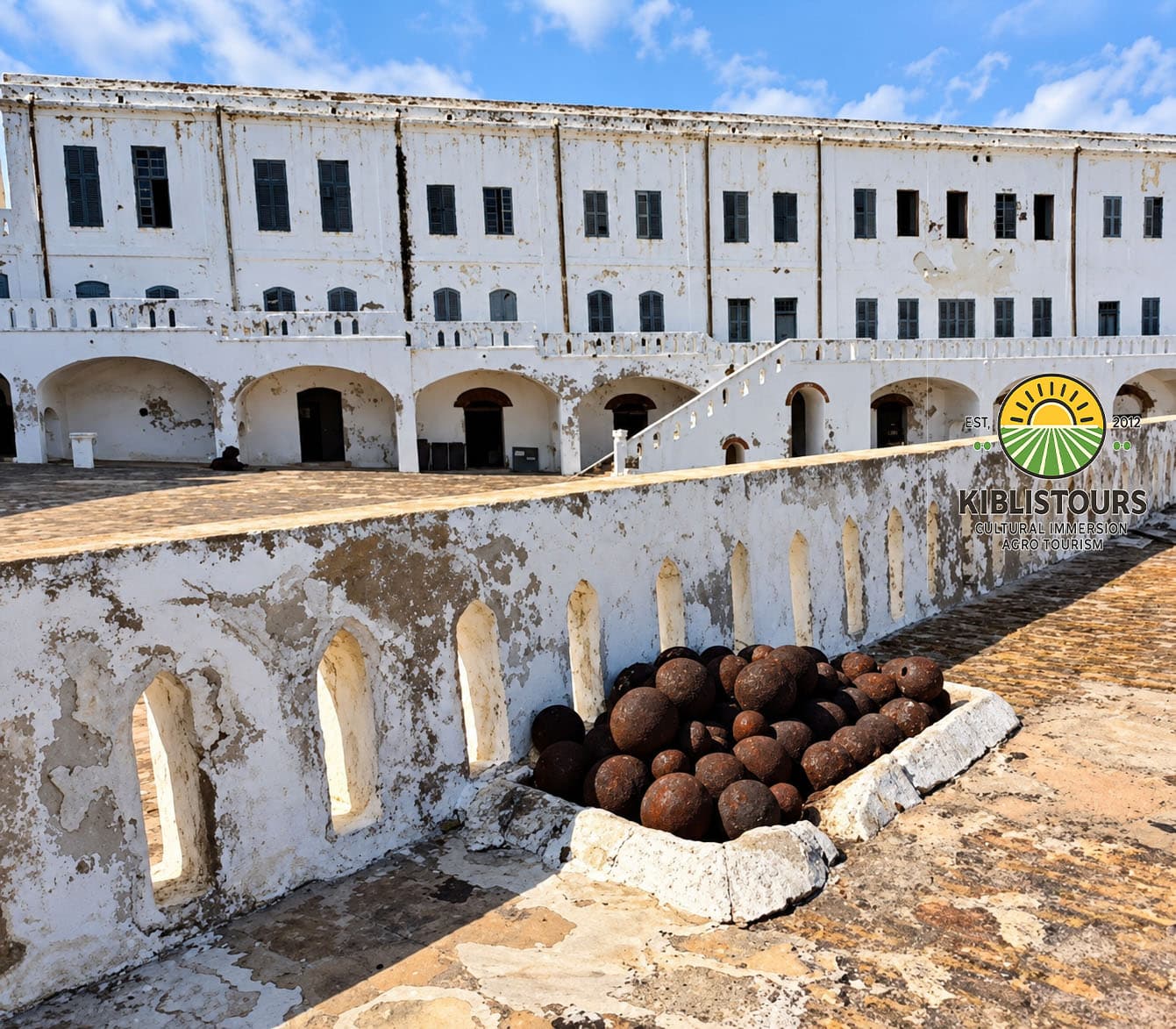
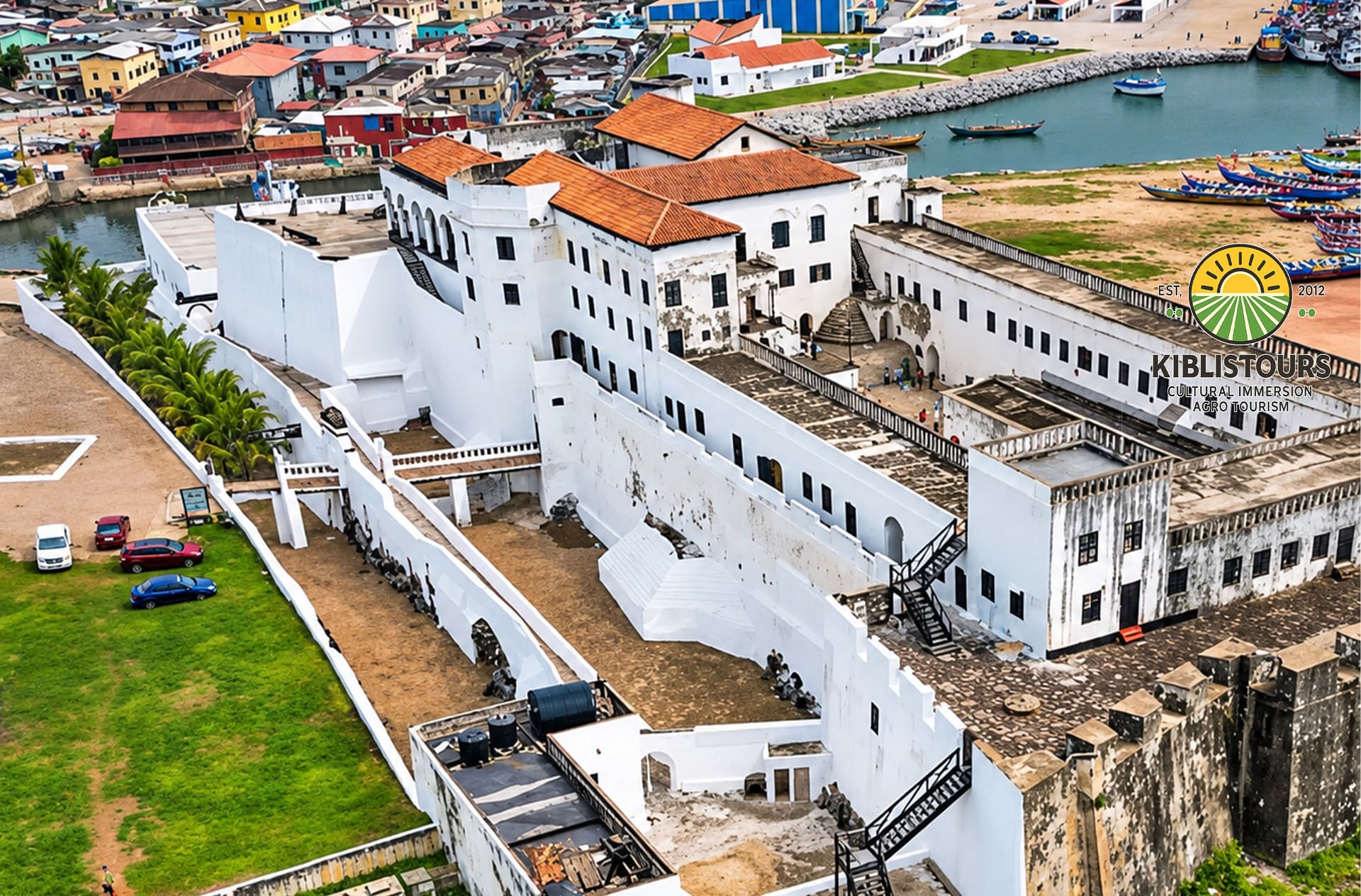
A Benin - Togo - Ghana itinerary can continue towards Ghana’s central coast. Cape Coast and Elmina invite a demanding historical exploration, deserving knowledgeable guides and a sensitive approach to the memory of the slave trade.
To explore this stage further, consult our guide to Elmina Castle
From the city to the landscapes of the Volta Region
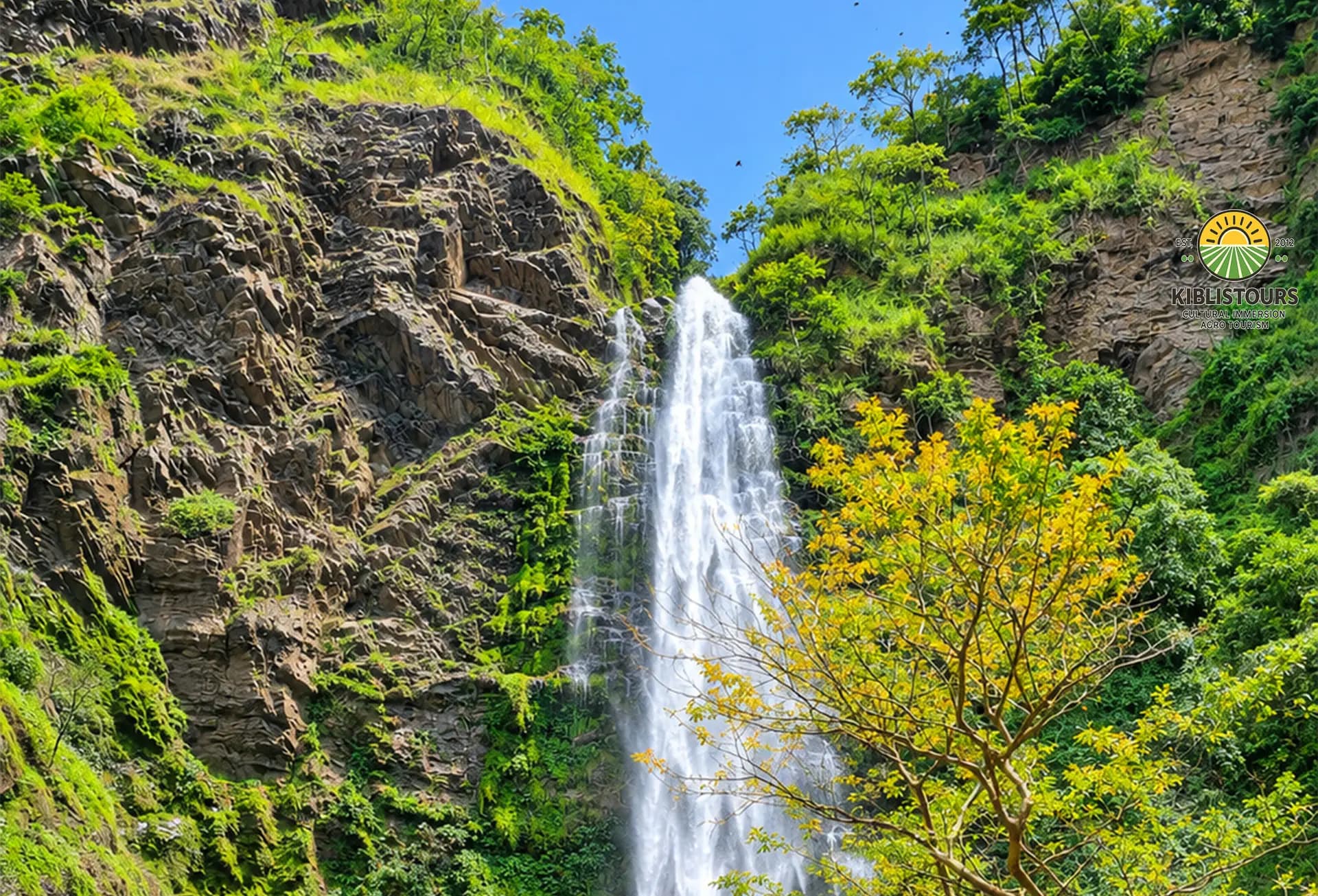
For travellers wishing to continue into nature, the hills and waterfalls of the Volta Region open another chapter of the stay. Wli, mountain villages and rural experiences require arrangements separate from the coastal transfer.
Organising your tailor - made journey with Kiblistours
To combine transport, cultural stops and a stay in Ghana, ask Kiblistours for a personalised itinerary. You can choose a direct transfer, an overnight stay in Lomé or a discovery route lasting three days or more. The proposal specifies the services and budget for your group.
Choosing your pace and comfort
Indicate your preferred comfort level Standard, Premium or VIP and your priorities: budget, group size, shared or private transport, hotel category, assistance and time devoted to visits. The quotation will establish the services available for this cross-border route.
To prepare your request, provide your dates, the number of adults and children, nationalities and passport types, luggage volume, departure address in Cotonou and arrival address in Accra. Add your preferred stops, such as Ouidah, Grand-Popo or Lomé. At this stage, do not send a passport copy in a public space.
To prepare your stops, also explore the Ouidah–Gogotinkpon–Grand-Popo tour and Kiblistours articles on Elmina and rural immersion in Ghana. These suggestions may inspire an extension; their services are separate from your Cotonou–Accra transfer. Discover Ouidah and Grand-Popo Read the article on rural immersion in Ghana
Understanding the quotation and confirming your booking
Before booking, read the price validity period, included and excluded services, payment terms and cancellation or amendment conditions. The quotation must specify pickup points, any changes of vehicle and overnight stays. Booking confirmation follows the written terms communicated with the proposal.
Pre - departure preparation timetable
When? | What to check |
30 days before | Passport and validity for each person; any visa/ETA required by nationality; yellow fever; children’s documents; driving licence, registration, Brown Card and customs carnet if using a private vehicle. |
7 days before | Results from Togo’s visa assistant and Ghana’s checker, carrier confirmations, authorisations already received and insurance validity; contact border posts if arriving at an unusual time. |
Three days before | Access to Hillacondji–Sanvee-Condji and Kodjoviakopé–Aflao crossings, customs and immigration operating conditions, weather, connections and hotel contacts. |
24 hours before | Ticket and payment currency, actual seat availability, printed documents, offline copies, charged phones, customs/immigration contact details and contingency budget. |
Departure day | Leave sufficiently early, wear seat belts, keep documents accessible, plan breaks and avoid a tight appointment schedule in Accra. |
Adapting the journey to your circumstances: specific needs
Business travellers: protecting your schedule
A business appointment in Accra should never be scheduled just minutes after an app’s calculated arrival time. Allow for longer checks, traffic delays or a change of itinerary. For an important meeting, arriving the day before often makes more sense than trying to save on a night’s accommodation. Business documents, invitations and your contact’s details should remain accessible. Your chosen transport should allow you to work or rest without compromising safety. A backup arrangement in Lomé or Accra is a useful precaution.
Couples exploring together: prioritising the quality of stops
For a couple, the corridor’s appeal extends beyond the capitals. A well-prepared stop on Benin’s coast, a quiet evening in Lomé and an unhurried arrival in Accra create an enjoyable continuity. Choose two memorable experiences rather than five rushed visits. Vehicle quality, comfortable breaks and clear inclusions matter as much as the journey’s price. A personalised quotation can separate transport, accommodation, guiding and meals to support an informed choice.
Groups of friends: sharing responsibilities
Choose one person to coordinate timings and shared bookings. Each traveller keeps their own passport and valuables. Agree on shared expenses before departure and arrange a meeting point after each border.
Families with young children: maintaining a steady routine
With young children, waiting at checkpoints can be harder than the hours spent in a car. Prepare a separate small bag containing water, snacks, spare clothes, wipes, regular medication and each child’s documents. Appropriate child seats must be arranged before departure. An overnight stay in Lomé helps maintain more regular meal and sleep times. Remembrance visits or long walks can be adapted to the children’s ages without losing the programme’s purpose.
Older travellers and people with reduced mobility: planning accessibility
A comfortable journey requires checking vehicle access height, break frequency, accessible toilets and border waiting conditions. Tourist sites offer different levels of accessibility. Accurate information before booking prevents unrealistic promises. Assistance can be adapted, but regulatory checks remain compulsory for everyone. Limit long driving days and book accommodation where a late arrival will not cause difficulties.
Solo travellers: independence and checking providers
Travelling alone by road offers flexibility, but requires checking the carrier’s identity, schedules, connections and arrival point. Sharing your itinerary with someone you trust is a simple precaution. Valuables should remain in a bag kept with you. At the border, avoid following an intermediary promising an accelerated procedure without official justification. A clear ticket or receipt and the provider’s contact details are more useful than an oral promise.
Diaspora and international visitors: distinguishing origins from nationality
If travelling on a foreign passport, check the formalities applicable to that document, even if you have family ties in the countries you will cross. For a family with several nationalities, examine each person’s situation and the conditions for returning to the country of residence.
What to do in the event of a delay or breakdown
If the journey is interrupted, first ensure passengers are safe and contact the carrier. Inform the hotel and guide as soon as a delay becomes likely. If you miss a connection, obtain confirmation of a new departure or an overnight stay before continuing. Keep documents, medication, payment methods and phones with you when changing vehicles.
FAQ: Cotonou - Lomé - Accra buses, visas, budgets and borders
Can you travel from Cotonou to Accra by road in one day?
Yes, a direct transfer is possible if documents are in order and traffic and checks allow. Nevertheless, allow a full day and accept the possibility of a late arrival. An overnight stay in Lomé makes the journey more comfortable.
How many borders do you cross?
Two international borders: Benin - Togo at Hillacondji - Sanvee - Condji, then Togo - Ghana at Kodjoviakopé - Aflao.
Does a Beninese national need a Ghanaian visa?
No. Beninese nationals benefit from visa exemption for Ghana, subject to meeting other entry conditions. The Ghana Immigration Service and Ghana’s Ministry of Foreign Affairs confirm this exemption. A valid passport, yellow fever vaccination certificate and entry checks remain necessary.
Is a non - ECOWAS national residing in Benin exempt from visas?
Residence in Benin alone is insufficient. For Togo, the published measure for African passports provides a visa exemption of up to 30 days and requires a form in advance. For Ghana, and for other passports entering Togo, check the rules specific to nationality, document type and purpose of stay.
Can you cross both borders with an identity card?
Prepare a valid passport for the entire journey to Ghana. Do not assume that a national identity card accepted by one country will be accepted at the next checkpoint.
Is a yellow fever vaccination certificate necessary?
Ghana requires proof of yellow fever vaccination under the applicable rules. Prepare the certificate before travelling; consult a healthcare professional about any special circumstances.
Can you travel in your own car?
Yes, provided you have the driver’s documents, registration, recognised insurance and temporary admission documents. The GRA specifically mentions a recognised international customs carnet. Obtain the owner’s or rental company’s permission for a borrowed or rented car.
Can the same driver take you from Cotonou to Accra?
Only if authorisations, insurance coverage and contractual arrangements allow. Ensure the quotation names the carrier and specifies any changes of driver or vehicle and the pickup points.
Which currencies should you use during the journey?
The CFA franc is used in Benin and Togo; the cedi is used in Ghana. Prepare a suitable payment method for each stage and avoid risky informal currency exchanges.
What is the best time to travel?
The route can be travelled year-round, subject to road conditions. Rain can slow traffic and periods of high demand may increase costs. Check forecasts shortly before departure.
Is the road journey suitable for children and older travellers?
Yes, if the pace, vehicle, breaks and formalities are adapted. To reduce fatigue, an overnight stay in Lomé may be preferable to a direct journey.
How can you avoid unexpected expenses at the borders?
Before departure, ask which official fees apply to your situation; on arrival, pay only at authorised counters, request a receipt, keep your documents and refuse informal payments. Allow a reserve for transport or meal expenses, without treating this reserve as border fees.
Can you visit Ouidah and Lomé before arriving in Accra?
Yes, but these visits take time. A two- or three-day itinerary allows you to enjoy them without turning the day into a race against the clock.
How do you choose Standard, Premium or VIP with Kiblistours?
Indicate your comfort level, traveller numbers, preference for shared or private transport and desired visits. Kiblistours can prepare a proposal; inclusions and availability specific to the route will be detailed in the quotation.
Is the electronic health declaration mandatory for entering Ghana?
The Ghana Health Service portal describes it as mandatory for arriving travellers. Complete the form before the Port Health counter and keep the QR code. For a child under 12, the parent or guardian completes the procedure.
How much is a Cotonou - Accra bus ticket and where can you book?
The ABC Transport documentary reference fare is NGN 105,000 for Cotonou–Accra, approximately CFA 46,000 at WAMA’s indicative rate of 16 November 2026. Reconfirm this price for your departure. Voyage Express advertises CFA 8,000 for Cotonou–Lomé only; the onward ticket to Accra is separate.
Must you complete a form before crossing Togo by road?
Yes, prepare the online immigration form on Togo Voyage, in accordance with the official notice asking visa-exempt African travellers to complete it no later than 24 hours before arrival. Keep the confirmation for inspection.
Conclusion: three countries and an itinerary to prepare thoughtfully
From Cotonou to Accra, the coastline connects places of remembrance, markets and capitals with different atmospheres. A direct transfer meets a transport need; two or three days provide more time for Ouidah, Grand-Popo and Lomé. Choose the duration according to the experiences you want and your group’s pace.
Kiblistours helps you prepare an itinerary suited to your dates, stops and budget. To receive a proposal, indicate your departure point, final destination and the experiences you would like to include.