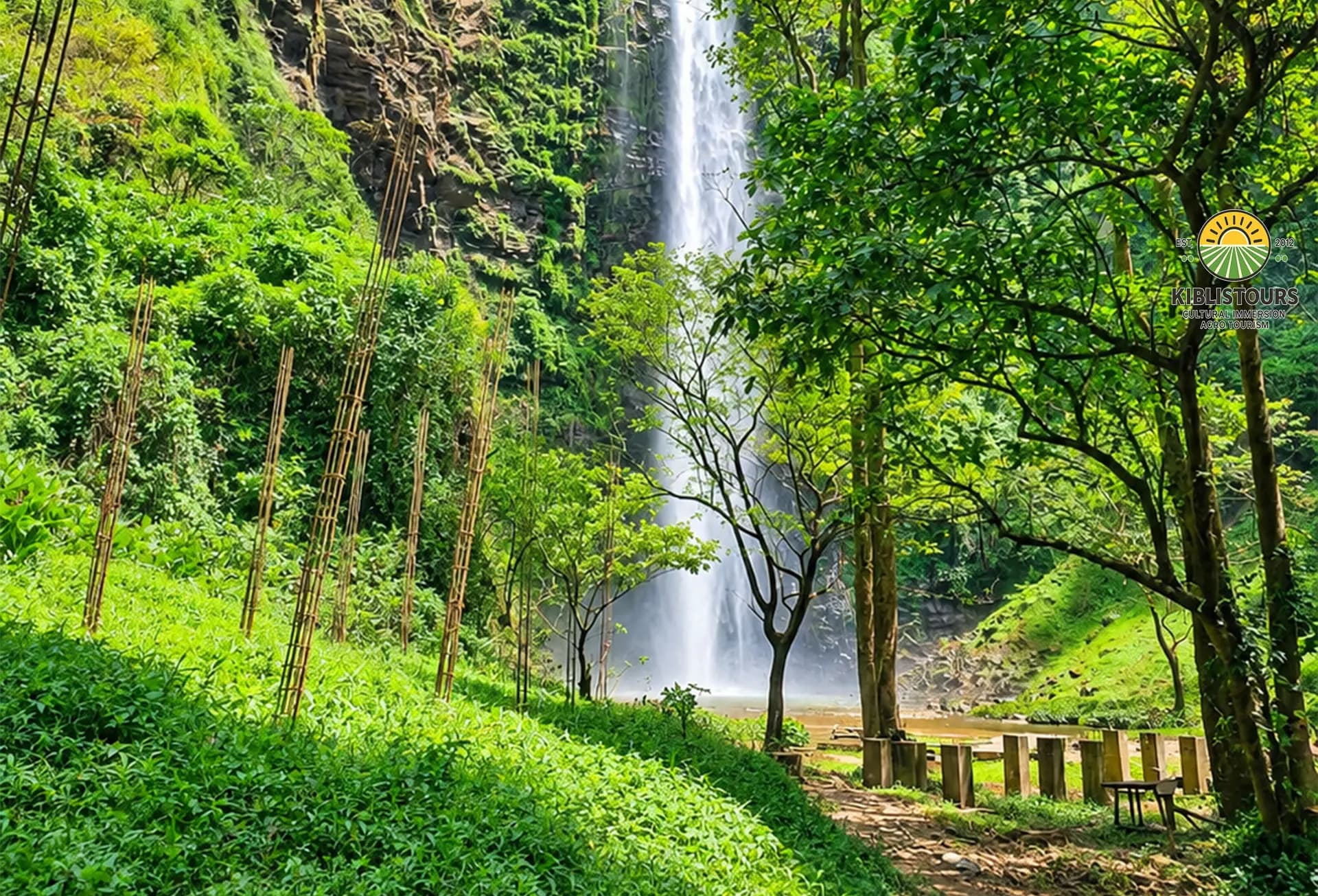
From Accra’s lively streets to the castles overlooking the Atlantic, then from Kumasi’s weaving looms to Mole’s savanna tracks, this journey explores contrasting landscapes and histories. Over 14 days, discover Ghana’s major sites on a progressive itinerary, combining days of exploration with road journeys planned to allow breaks: walks through vibrant neighbourhoods, conversations with artisans, the coolness of a waterfall and the quiet anticipation of a wildlife encounter. Visits and accommodation are specified in your personalised quotation.
Request your quotation for Ghana in 14 days: tell us your dates, group size and preferred package.
The tour at a glance
Day | Stage | Overnight stay | Effort |
1 | Accra: arrival and welcome | Accra | Easy |
2 | Accra: independence and creativity | Accra | Easy |
3 | Cape Coast: castle and coastal city | Cape Coast | Moderate: driving |
4 | Elmina: harbour and castle | Cape Coast / Elmina | Easy |
5 | Kakum: forest and canopy | Cape Coast / Elmina | Moderate: heights |
6 | Assin Manso, then Kumasi | Kumasi | Moderate: driving |
7 | Kumasi: Manhyia and Asante history | Kumasi | Easy |
8 | Bonwire and Ntonso: crafts | Kumasi | Easy to moderate |
9 | Kintampo: waterfalls | Kintampo | Moderate: steps |
10 | Tamale: city and markets | Tamale | Moderate: driving |
11 | Larabanga, then Mole | Mole | Easy to moderate |
12 | Mole: guided safari | Mole | Depends on activity |
13 | Mole, then Tamale | Tamale | Moderate: driving |
14 | Tamale–Accra: return | End of trip | Depends on connections |
Overnight stays: Accra 2 nights; central coast 3; Kumasi 3; Kintampo 1; Tamale 2; Mole 2. Properties are selected and confirmed when you book.
Detailed itinerary
Day 1-Accra: getting a feel for the capital
On arrival in Accra, you discover a vibrant capital: colourful signs, bustling traffic, cooking aromas and neighbourhoods with contrasting atmospheres. Following your airport welcome, the transfer to your hotel provides a first panoramic introduction without demanding tiring visits after your journey.
Accra developed from several coastal settlements and successive phases of urban change. This background helps explain why contemporary architecture stands alongside older traces of maritime trade and administration. Travellers arriving late can simply settle in, have dinner and save their energy for the following day.
Your first meal is also an opportunity to learn. Jollof is rice cooked in a seasoned tomato-based mixture, although recipes vary from cook to cook. Kelewele combines plantain and spices, often with a pronounced kick. Your tour escort can request a milder version and explain how to order bottled or treated water. For families, dinner will be arranged at a time that suits children’s sleep routines.
Day 2-Accra: independence, urban memory and the arts
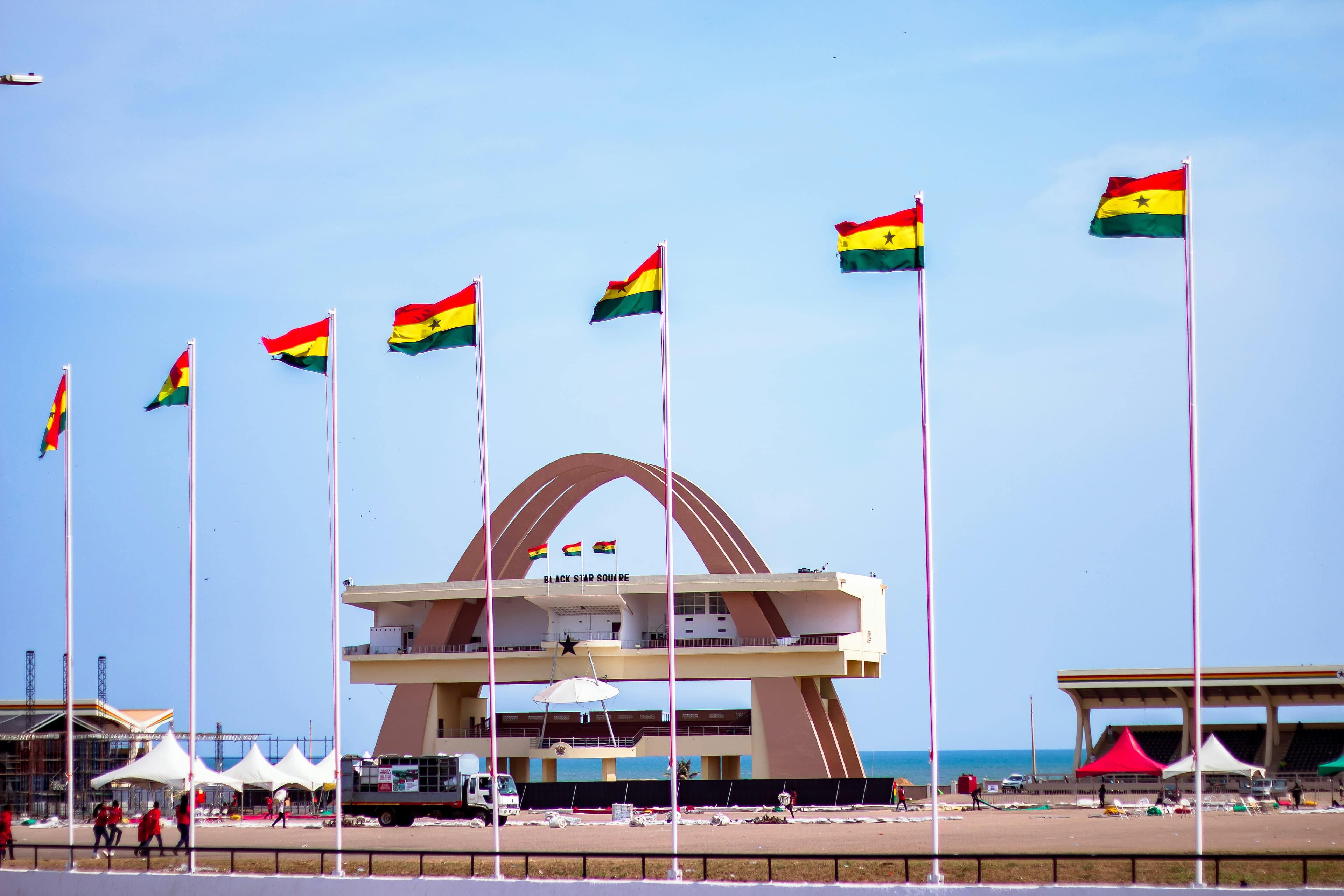
Across Accra’s major squares, symbols of independence recall a turning point in African history. At Kwame Nkrumah Memorial Park, your guide explains the events of 1957; at Black Star Square, monuments and ceremonial spaces offer another perspective on national memory, depending on access arrangements that day.
Jamestown offers a different perspective: a neighbourhood whose activities, housing and relationship with the sea continue to evolve. Your guided walk follows streets suited to the group, giving residents priority and asking permission before taking portraits. Historic façades, gathering places and contemporary artistic practices provide material for conversations with your guide.
Depending on opening hours, a gallery, a publicly accessible studio or a cultural venue may extend the day. The aim is to bring the memory of independence into conversation with present-day creativity: painting, design, photography, music and initiatives led by young entrepreneurs. The route is deliberately selective to allow for Accra’s traffic and prevent a culturally rich day from becoming a rushed series of transfers.
Day 3-Cape Coast: understanding Atlantic history
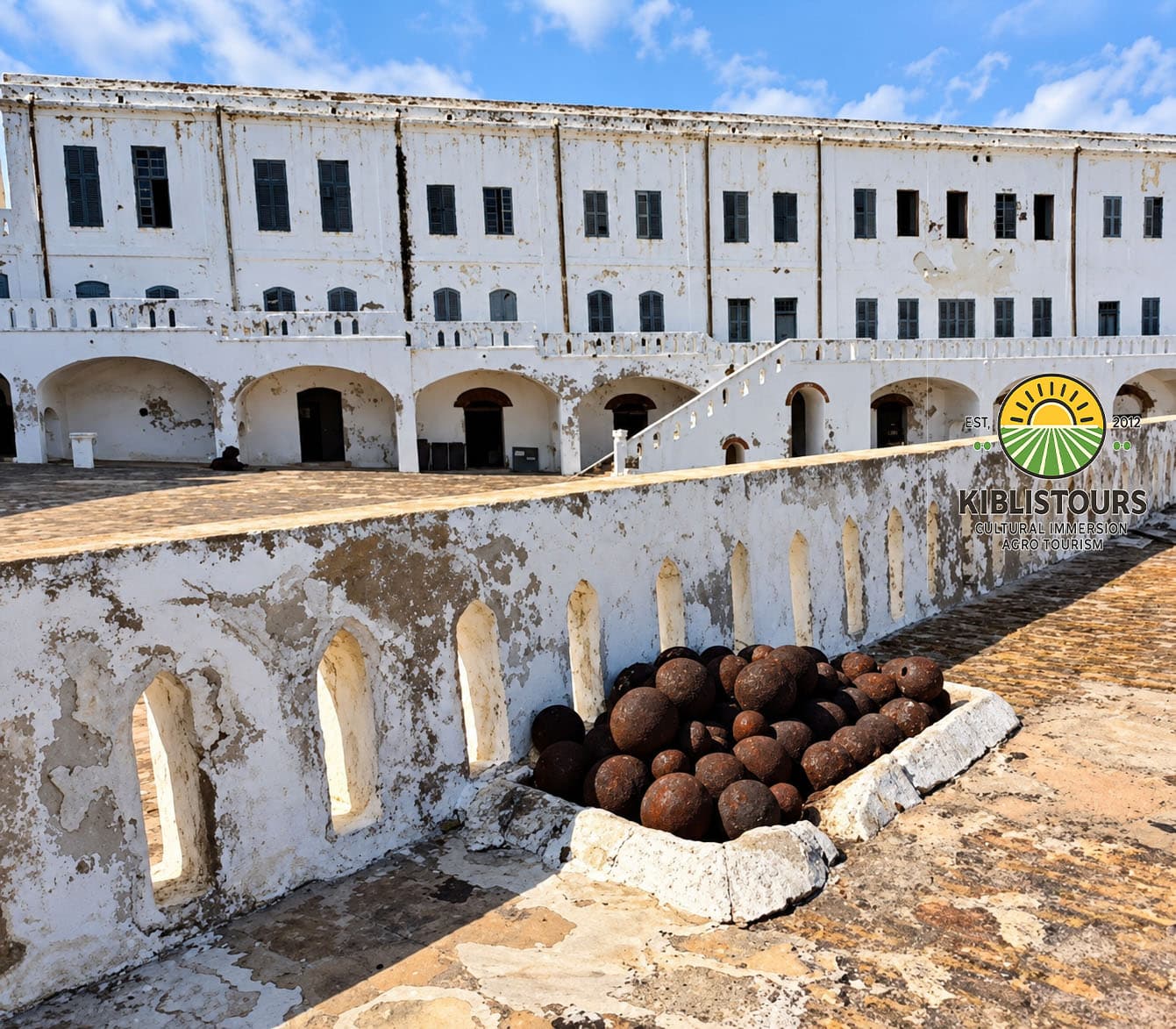
At Cape Coast, the castle walls overlook the Atlantic. Behind the courtyards and stone passages lies a deeply moving history, presented by the site guide with precision and sensitivity. The visit allows time for silence and questions before you return to the lively streets of this coastal city.
Good guiding explains the complex relationships between European powers, African authorities and intermediaries without reducing centuries of history to a single narrative. The memory of those forcibly deported deserves particular attention, while also considering the economic and political changes that shaped the coast. Interpretation panels, the site guide’s explanations and participants’ questions provide starting points for reflection rather than a dramatic re-enactment.
After the castle, a short walk through Cape Coast reconnects the visit with the present. Shops, schools, taxis and fishing activities reveal a city that continues to live around its heritage. Lunch may feature fish and maize-based accompaniments in a restaurant selected for its hygiene standards. Staying locally avoids an immediate return to the road after a demanding visit and leaves time for a relaxed conversation in the evening.
Day 4-Elmina: maritime livelihoods and São Jorge da Mina Castle
In Elmina, painted fishing canoes enliven the harbour as fishers prepare their nets and women traders negotiate the day’s catch. Close to this bustle, São Jorge da Mina Castle opens another chapter in the coast’s history, from the gold trade to the Atlantic slave trade.
At the harbour, the bustle of landing the catch naturally draws your attention. Yet the colours and movement are only part of the picture: boat maintenance, net repairs, supplies, fish marketing and the work of women fish traders form an economic chain. Your escort can explain this organisation without entering working areas or obstructing landings. Fishing schedules and weather conditions determine what can be observed.
Prepare for this stop with our article to discover Elmina Castle. To arrange this journey, browse our tours or https://kiblistours.com/fr/destinations/elmina-au-coeur-du-ghana-maritime?formula=standard&country=ghana.
The day may end with views of the coastal landscape from an authorised public area. Fort St Jago on the hill reminds visitors that Elmina’s military history extends beyond the main castle. A visit to Fort St Jago can be considered depending on access conditions. A seafood meal, prepared according to availability, rounds off this stop. The aim is not to collect monuments, but to understand the relationship between fortified heritage and the contemporary maritime economy.
Day 5-Kakum: exploring the forest from the ground and the canopy
Beneath Kakum’s tall trees, light filters through the leaves and bird calls accompany your walk. For visitors who wish and are able to use it, the suspended walkway then reveals an impressive canopy landscape.
The walk to the bridges includes sections of trail, sometimes slopes and elevated platforms. Access to the walkway depends on the site’s opening and safety conditions. If you prefer to avoid heights or need an adapted route, tell us before booking so that ground-level possibilities can be explored with the site management.
The ecological interest goes beyond photography. Habitat fragmentation, forest conservation and the relationship between protection and human activities are topics accessible to non-specialists. Returning to the coast then allows a quiet evening away from the bustle of the main roads.
Day 6-Assin Manso: inland remembrance, then the road to Kumasi
At Assin Manso, a visit to a place of remembrance invites you to listen, understand and reflect. After this emotionally powerful stop, the road heads into Ghana’s interior: villages, markets and agricultural landscapes herald your arrival in Kumasi, the historic heart of the Asante world.
The journey towards Kumasi marks a geographical transition. Agricultural landscapes, roadside markets and the villages you pass reveal the movements that have long connected the interior with the coast. These observations give the journey a tangible dimension. Depending on road conditions, stops may need to be limited to reach Kumasi in daylight. The memorial visit is already the main activity of the day.
On arrival, an introduction to the Asante region prepares you for the next two days. Your guide can explain the distinction between the political history of the former Asante state, present-day traditional institutions and daily life in the metropolis. Dinner featuring fufu and a soup chosen to suit dietary preferences opens the culinary side of your stay. The evening continues quietly as you prepare for the following day’s discoveries.
Day 7-Kumasi: Asante institutions and Manhyia Palace
In Kumasi, Asante history is told through objects, symbols and institutions that remain alive today. At the Manhyia Palace Museum, collections explain the role of the Asantehene; across the city, busy shops and streets reveal a contemporary metropolis in motion.
Kumasi is also a major commercial and university city. A manageable urban route shows how transport, trade and contemporary activities coexist with a significant political heritage. A market visit can help explain distribution networks, but requires careful organisation: crowds, traffic and access to stalls do not suit every visitor. Your escort sets a meeting point and adapts the length of the visit to the group.
Asante traditions cannot be reduced to a calendar of ceremonies. Some events are public, while others are reserved for particular participants or subject to strict rules. Kiblistours therefore cannot guarantee a royal audience or a meeting with dignitaries. A qualified guide can, however, explain the connections between chieftaincy, memory, textiles and symbolic language. This approach directly prepares you for the following day’s craft discoveries without turning living culture into a performance.
Day 8-Bonwire and Ntonso: skills that carry ideas
In Bonwire, colourful threads interlace on weaving looms, gradually taking the form of kente cloth. In Ntonso, adinkra motifs convey ideas, proverbs and values. Depending on arrangements with the artisans, you may watch a demonstration and discuss their skills directly with them.
In Ntonso, discovering adinkra symbols introduces another kind of visual language. Motifs may express proverbs, moral qualities or ideas of solidarity and responsibility. Their meaning also depends on the context in which they are used. A workshop introduces the techniques used to prepare and print the motifs. Conversations clarify the differences between handmade pieces and mass-produced goods.
These encounters also help you understand the value of craft work. Your guide can facilitate purchases directly from workshops, without sales pressure or hidden commissions. Children may be drawn to the patterns and colours, design enthusiasts to the techniques, and history lovers to ceremonial uses. The day reveals a living creative economy rather than a simple succession of souvenir shops.
Day 9-Kintampo: waterfalls and changing landscapes
As you leave Kumasi, the landscape gradually changes: crops, groves and more open horizons accompany the road to Kintampo. At the waterfalls, the sound of water and the cool surroundings invite a nature break, along paths whose accessibility depends on weather and safety conditions.
Kintampo’s waterfalls provide a sensory contrast after hours of driving: the sound of water, relative coolness, rocky surfaces and riverside vegetation. Their appearance varies with seasonal flow. Wet steps and rocks require particular care, especially for children and visitors less comfortable on uneven ground. Swimming depends on local rules and the day’s safety conditions.
This stop also serves a logistical purpose: breaking up the journey between Kumasi and Tamale. Spending the night in the Kintampo area avoids adding several more hours of driving to a day already devoted to the waterfalls. Accommodation choices may be more limited here. Premium and VIP travellers receive a proposal specifying facilities and comfort levels. If a different overnight location is preferable, the itinerary is adjusted and agreed before booking https://kiblistours.com/fr/destinations/kintampo-waterfalls-une-escapade-rafraichissante-au-ghana?formula=standard&country=ghana.
Day 10-Tamale: discovering everyday life in the north
In Tamale, stalls overflow with grains, condiments and produce from the northern countryside. Between markets, lively streets and a possible taste of tuo zaafi, this stop reveals another side of Ghanaian life at a pace adapted to the day’s journey.
At the market, grains, pulses, dried leaves and condiments offer a way to explain northern food systems. Tuo zaafi, made from cereal flours and served with various sauces, provides a starting point for conversation. Preparations vary between households and restaurants. Travellers can ask for a portion suited to their tolerance for chilli and their dietary restrictions.
Tamale’s appeal does not depend on a spectacular attraction. A well-chosen walk allows you to observe crafts, businesses and housing styles without entering private spaces. After the transfer from Kintampo, a short city introduction leaves time to settle in and rest. Your overnight stay prepares you for the journey to Larabanga and Mole.
Day 11-Larabanga: earthen architecture and arrival in the savanna
In Larabanga, the sculptural forms of the earthen mosque stand out against the landscape. A respectful introduction, generally from outside and in accordance with local rules, precedes the journey to Mole’s savannas. On arrival, the tranquillity of the natural surroundings sets the scene for your safari day.
The road to Mole crosses savanna landscapes and settlements whose activities are not organised around tourism. Photo stops must remain safe and respectful. An explanation of historical exchanges between north and south can help you understand the movement of goods, people and ideas without reducing the region to its caravan-trade past. The journey is arranged to reach your accommodation early enough for check-in and the park briefing.
On arrival, understanding safety rules comes first. Wildlife may move close to some accommodation areas; follow staff instructions and avoid unplanned excursions. Quiet observation from an authorised viewpoint is an excellent introduction to the environment. Travellers prepare for the next day’s safari: neutral-coloured clothing, closed shoes, water and binoculars. No independent night-time outings are planned.
Day 12-Mole: learning to observe wildlife
At daybreak, Mole’s savanna awakens: tree silhouettes, birdsong and tracks along the trails draw your attention. With an authorised ranger, you explore the park’s habitats on foot or by vehicle, depending on the outing booked. Elephants are emblematic of the park, but sightings are never guaranteed.
Walking and vehicle safaris offer different experiences. On foot, when permitted by the park, attention focuses on tracks, sounds and details of the terrain; physical effort and safety requirements are greater. By vehicle, the group can cover other areas, although options depend on equipment, regulations and ranger availability. Choose the outing that suits your fitness and interests.
Midday heat invites rest. Birdwatching from an authorised area or a conversation with a guide about the relationship between habitats, water and wildlife can complement the experience without adding more kilometres. Travellers must not feed animals or try to approach them. Keep your distance and follow the ranger’s instructions while taking photographs. Staying in the park area preserves a full nature day rather than a hurried excursion from Tamale.
Day 13-Mole: a final look at the savanna and return to Tamale
A final morning in Mole may offer a fresh perspective on the savanna. In Standard, a second safari remains an optional extra; in Premium, it is the second outing included in the reference programme; in VIP, the number of outings is personalised. Different light, birds and signs of animal presence add another dimension to the experience before the return to Tamale.
After your morning in Mole and lunch, you travel to Tamale. Staying near the airport reduces the risk of a road incident on the journey from Mole disrupting the following day’s flight. The vehicle must leave early enough to avoid a late arrival, so no lengthy additional visit is planned. The evening can be spent packing, checking travel documents and enjoying a final northern Ghanaian meal.
Day 14-Tamale–Accra: bringing the journey to a relaxed close
The final day is devoted to returning to Accra. The reference programme provides for a domestic Tamale–Accra flight, either included in the quotation or shown as a separately priced supplement. Available time depends on the flight schedule actually confirmed.
Connecting to an international flight requires a prudent time allowance, particularly when tickets are issued separately. If the domestic flight is delayed or cancelled, the international airline is not necessarily required to rebook you. For an early international departure or incompatible schedules, plan an extra night in Accra and adjust the trip length. Returning entirely by road requires a longer programme and a revised sequence of stops.
This last stage offers a chance to look back over the journey: Accra’s independence heritage and creativity, Atlantic memory, Asante skills, regional cuisines and the savanna. A short review with your escort helps travellers identify their most memorable moments and provide feedback to improve the tour. Your final transfer takes you to the agreed departure point.
Transfers: planning ranges
Route | Indicative duration | Consideration |
Accra–Cape Coast | 3–5 hours | Traffic leaving the city |
Cape Coast–Elmina | 20–45 minutes each way | Harbour activity varies |
Cape Coast–Kakum | 45–90 minutes each way | Rain and road conditions |
Cape Coast–Assin Manso–Kumasi | 5–8 hours, including visit and breaks | Do not add a major visit in Kumasi |
Kumasi–Kintampo | 3–5 hours | Wet steps at the waterfalls |
Kintampo–Tamale | 3–5 hours | Daylight arrival preferable |
Tamale–Larabanga–Mole | 3–5 hours, including stop | Local religious rules |
Mole–Tamale | 2 hours 30 minutes–4 hours 30 minutes | Leave early |
Tamale–Accra | Approximately 1 hour–1 hour 20 minutes flying | Ticket and schedule to be confirmed |
Non-contractual estimates, not verified for specific departure dates. Actual times depend on roads, traffic and stops. Confirmation with the transport provider and airlines is essential.
Difficulty and accessibility
Overall level: easy to moderate. The main challenges are heat, long transfers, walking and stairs, sometimes wet rocks at Kintampo, and the height of Kakum’s walkway. Tell us about any accessibility requirements before booking so that feasible alternatives can be considered.
Food: four regions, four approaches
Accra
Waakye (rice and beans), jollof rice, kelewele and kenkey form a varied urban food scene. Accompaniments and chilli levels differ between establishments.
Cape Coast and Elmina
Fresh fish and maize-based preparations, including kenkey and banku, highlight the connection between the harbours and the table. Tastings take place in establishments selected for their hygiene standards.
Kumasi
Fufu, made from tubers or plantain depending on the recipe, accompanies various soups. A preparation demonstration can be arranged with a partner kitchen when this experience has been booked.
Tamale and the north
Tuo zaafi and its leafy sauces illustrate the importance of grains and local produce. Meals can become opportunities to discuss agriculture and regional markets.
When to travel
To combine the coast, heritage and safari, November to February is a period to consider, allowing for harmattan winds and dust. In Mole, the Forestry Commission identifies November to March as the dry season and highlights intense heat in March and April. The rainy season transforms the savanna and may affect access. Along the coast and in the south, rainfall patterns differ from those in the north: conditions at Kakum and Kintampo are assessed for your dates. Waterfall flow or wildlife presence cannot be predicted from a calendar alone. Consult the official Mole National Park information.
Three packages for three ways to travel
Three ways to experience the same 14-day itinerary: Standard focuses on essential discoveries and the conviviality of group travel, with one guided safari in Mole; Premium combines a small group, greater comfort and two guided safaris in its reference programme; VIP offers a private pace and personalised outings. Arrangements, providers and availability are confirmed in the quotation before booking.
Criterion | Standard | Premium | VIP |
Travellers | Proposed group of 8–15 travellers; shared discovery | Proposed small group of 4–8 travellers; more time for conversation | Private trip; group size, pace and timings agreed with the client |
Accommodation | Standard: properties named in the quotation. For each stop: room category, private or shared bathroom facilities, ventilation or air conditioning, included meals and location specified before booking. | Premium: higher-comfort properties named in the quotation. For each stop: room category, private or shared bathroom facilities, ventilation or air conditioning, included meals and location specified before booking. | VIP: properties chosen with the client and named in the quotation. For each stop: room category, private or shared bathroom facilities, ventilation or air conditioning, included meals and location specified before booking. |
Transport | Shared minibus and group escort | Vehicle suited to the small group and more flexible escort arrangements | Private vehicle, dedicated driver and adjustable itinerary |
Meals | Breakfasts; other meals according to quotation | Breakfasts and selected meals, specified in the quotation | Restaurant choices and meal times can be personalised, according to quotation |
Crafts | Guided introduction to workshops and skills | More in-depth conversations; demonstration if booked and confirmed | Private encounter or workshop on request, subject to agreement and quotation |
Mole safaris | One guided safari included in the reference package; second safari optional | Two guided safaris included in the reference package; types, durations and time slots specified in the quotation | Personalised safari programme; modes and number to be agreed with the park |
Tamale–Accra flight | Reference domestic flight, included or priced separately | Reference domestic flight, included or priced separately | Reference domestic flight, included or priced separately |
Shared exclusions and confirmation arrangements are grouped under “Services and booking conditions” below.
How is your quotation calculated?
Your quotation is calculated according to the season, number of travellers, room sharing and selected package. It distinguishes accommodation, vehicle and driver, guides, entrance fees, safaris, meals and the domestic flight. Shared transport and escort costs are divided between participants; rooms and tickets are calculated according to the bookings required. Ask for the per-person price and the total group amount, including any taxes and supplements. The price is based on providers’ quotations for your travel dates.
Responsible tourism: commitments that can be checked
Visits to places of remembrance avoid staging suffering. In workshops and harbours, photography requires people’s consent; agreed local services are paid for. At Kakum and Mole, visitors stay on authorised routes, do not feed animals and follow accredited guides. Buying from artisans remains entirely optional.
Preparing for departure
Before booking, check with the relevant Ghanaian authorities which entry requirements apply to your nationality and country of residence: passport, visa or exemption, and supporting documents. Also check travel health requirements and seek advice from a healthcare professional so that preparations suit your circumstances. Arrange insurance appropriate to your activities and the conditions of your stay. Rules can change: check them before buying tickets and again before departure.
Language, luggage and daily arrangements
English facilitates communication in Ghana. If you would like French-speaking assistance, ask for it to be explicitly included in the quotation, distinguishing the tour escort from individual site guides. For the Tamale–Accra flight, check the baggage allowance on the ticket actually purchased before packing.
Bring closed shoes for walks, rain protection for the forest, a hat and a refillable water bottle for hot days. Local expenses are quoted in Ghanaian cedis (GHS); ask which payment methods are accepted for personal spending and optional activities. Declare allergies and dietary requirements before restaurants are confirmed.
Services and booking conditions
The accepted quotation specifies the 13 overnight stays, properties, transport, guides, entrance fees, meals and booked workshops. Standard includes one guided safari in Mole and Premium two; the VIP programme is personalised. The outing type, duration and included costs are stated before payment. Encounters, demonstrations and special access are arranged with the providers concerned. Activities depend on local rules, safety conditions and availability. Any adjustment after confirmation is agreed with the traveller, with a replacement service or an agreed price adjustment. The Tamale–Accra ticket is included or shown as a priced supplement. Cancellation terms, supplements and schedules are communicated before payment.
Unless otherwise stated, international flights, visas, insurance, personal expenses, drinks and meals not specified, room supplements and optional activities are excluded. Demonstrations and private access are arranged only with the agreement of those involved.
Understanding Ghana’s distinct heritages
The tour connects histories belonging to different spheres. Coastal castles bear witness to centuries of trade and the Atlantic slave trade; Kumasi introduces political institutions and skills that remain alive today; Larabanga represents religious heritage whose present-day uses must be respected; Mole reflects nature conservation policy. Your guide connects these discoveries while respecting the particular character and history of each place.
Travellers can prepare for memorial visits by distinguishing documented dates, local narratives and historical interpretations. UNESCO explains that the coastal forts and castles were built and modified by several European powers between the late fifteenth and eighteenth centuries. This documentation helps avoid a simplified narrative in which every building had exactly the same function at the same time.
Travel advice for different interests and needs
For history enthusiasts, days 3, 4 and 6 form a sequence worth preparing carefully. Visits may trigger strong emotions: allow time for questions, avoid staged scenes and do not impose group photographs at places of remembrance. Visitors interested in the African diaspora can request more in-depth interpretation, but any specialist contribution must be arranged beforehand and priced if it involves an additional cost.
For nature enthusiasts, Kakum and Mole complement each other. The former introduces the humid forest, its layers and biodiversity; the latter explores savanna landscapes with a ranger. The season influences landscapes and viewing conditions. Photographers should protect their equipment against dust, heat and humidity without disturbing other visitors.
For families, older travellers and small private groups, comfort often lies in the pace rather than the number of activities. An early start, breaks in the shade, suitable meals and easily accessible rooms may matter more than another visit. Mobility requirements, allergies and dietary needs should be communicated discreetly before the quotation is prepared. Alternative activities are proposed only where they actually exist and safety conditions allow.
Frequently asked questions
What does the Ghana in 14 days itinerary include?
The route connects Accra, Cape Coast, Elmina, Kakum, Assin Manso, Kumasi, Bonwire, Ntonso, Kintampo, Tamale, Larabanga and Mole. It combines heritage, crafts, food and discovery of the savanna.
How many nights are planned?
The reference programme includes 13 nights: 2 in Accra, 3 on the central coast, 3 in Kumasi, 1 in Kintampo, 2 in Tamale and 2 in the Mole area. Any changes to flights or accommodation may require a different itinerary structure, agreed before booking.
What is the difference between Standard, Premium and VIP?
Standard prioritises shared travel and essential discoveries; Premium offers a smaller group, greater comfort and two safaris in the reference programme; VIP provides a private vehicle and a personalised itinerary. The comparison table and quotation specify the services selected.
Are two safaris included in Mole?
Standard includes one guided safari, with a second outing available as an optional extra. Premium includes two in its reference programme. In VIP, the number and type of outings are personalised. Modes, durations and time slots are specified before payment.
Will we see elephants in Mole?
Elephants are among Mole’s emblematic wildlife, but sightings remain unpredictable. Rangers choose routes according to ground conditions and park rules.
Can I avoid Kakum’s canopy walkway?
Yes, you can ask not to use the walkway. Ground-level discovery options and their accessibility must be discussed with the site management before booking.
Is the tour suitable for children and older travellers?
It can be adapted to fitness, rest requirements and the activities selected. Transfers are sometimes long; walks, stairs and memorial visits require appropriate preparation. Tell us about your needs before the quotation is prepared.
Do I need to speak English?
You do not need to speak fluent English if suitable assistance is arranged. Specifically request a French-speaking escort and check the languages used by site guides.
Is the Tamale–Accra flight included?
Its inclusion must appear in the total price; otherwise, the supplement is priced separately before acceptance. Flight times and baggage allowance are those on the confirmed ticket.
Can I take an international flight on day 14?
This depends on the schedule and connection time available in Accra. Connecting on separate tickets carries a risk if the domestic flight is delayed. If schedules are incompatible or too tight, add a night in Accra and adjust the trip length.
Why is the price provided on request?
The amount depends on dates, group size, rooms, meals, safaris and the domestic flight, among other factors. A detailed quotation allows you to compare the per-person price, group total, included services and supplements.
How do I book this Ghana tour?
Open the Ghana form using the “Book here” link. Ghana is preselected. Enter “Ghana-14-day tour”, your dates, group size, room requirements and package. The booking is made after agreement on the quotation, availability and the conditions provided.
Book your 14-day journey through Ghana
From the Atlantic coast to Mole’s savannas, create a journey that reflects your interests. Tell us your dates, number of participants, room category and Standard, Premium or VIP package: Kiblistours will prepare a proposal specifying accommodation, meals, safaris and the Tamale–Accra return flight.
Book here: the form preselects Ghana. Enter “Ghana-14-day tour”, your dates, number of participants and package. Your request will allow us to prepare a proposal specifying the price, availability and conditions before your booking is confirmed.