
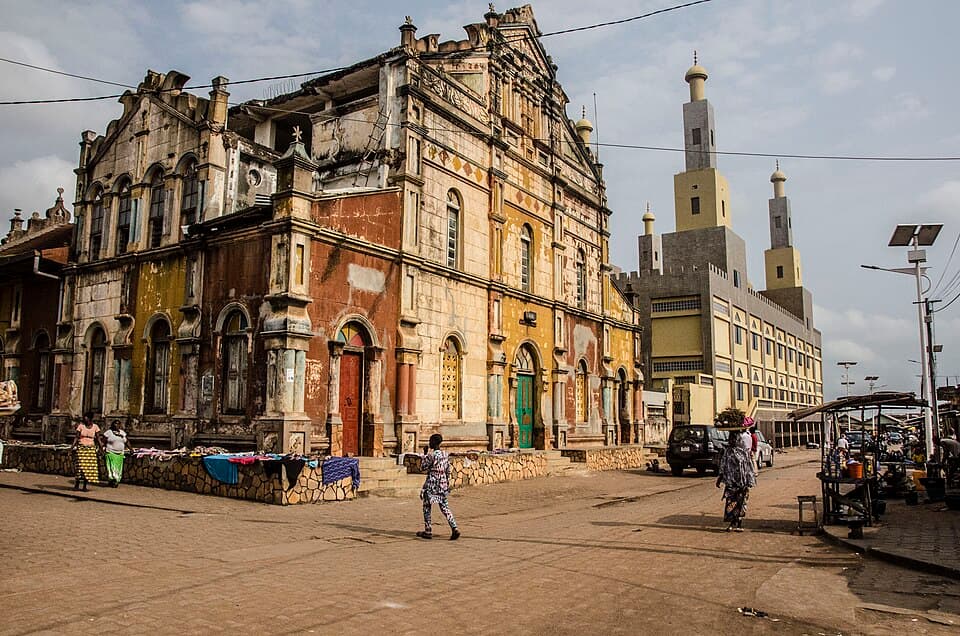
SUSTAINABLE TOURISM IN AFRICA: EXPERIENCE AGRITOURISM IN BENIN FOR AN AUTHENTIC, IMMERSIVE, AND TRANSFORMATIVE JOURNEY
West Africa is a destination that leaves no traveller indifferent. People visiting the region for the first time often arrive simply curious to discover a new part of the world. Yet many return home feeling that they have experienced far more than an ordinary holiday.
Here, every encounter, every village, every market and every landscape tells a story. Travelling through West Africa is not only about visiting places. It is about discovering people, traditions and ways of life that give an entirely different meaning to travel.
For many years, this part of the African continent remained outside the main international tourism circuits. Today, however, West Africa is attracting a growing number of travellers seeking authentic experiences far from mass tourism.
The region offers exactly what many modern travellers are now looking for: meaningful exchanges with local people, an exceptional cultural heritage, preserved natural environments and the opportunity to experience moments that cannot be found in conventional travel guides.
Imagine travelling by canoe through a centuries-old lake city, exploring the remains of powerful African kingdoms, attending a traditional ceremony, sharing a meal prepared with local ingredients or speaking with a passionate craftsperson who continues to practise skills passed down through generations.
These moments may appear simple, yet they are often deeply moving and authentic. They are what make a journey through West Africa so rich and memorable.
The region traditionally brings together sixteen countries within the Economic Community of West African States, commonly known as ECOWAS, each with its own distinctive identity.
From the beaches of the Atlantic Ocean to lush green mountains, from mangrove forests and vast savannahs to major cities and remote villages, every destination reveals a different side of Africa.
Benin, Ghana, Senegal, Togo, Côte d’Ivoire, Cape Verde and The Gambia each offer unique experiences that deserve to be discovered.
Whether you are dreaming of visiting Africa for the first time, planning a multi-country journey or looking for a destination still largely untouched by mass tourism, this guide has been designed to support you at every stage of your travel plans.
You will find practical advice, itinerary ideas, remarkable places to visit, the best times to travel, important entry requirements and useful recommendations to help you enjoy an enriching, comfortable and rewarding experience.
Beyond practical information, this guide is intended to help you understand what makes West Africa so special.
Travelling through this region is not simply about changing scenery. It means taking the time to meet women and men who are proud of their cultures, discovering heritage that may still be little known internationally but is of immeasurable value, and returning home with memories that go far beyond photographs.
West Africa is not only a place to visit. It is a place to experience, share and feel. For many travellers, it leaves a lasting impression long after the journey has ended.
During one of our tours, a Canadian traveller told us before her departure that she had mainly come to “see Africa.”
As she was leaving a small village, a young boy walked towards her, gently held both of her hands and wished her a safe journey home in his own language.
She did not understand the words, but she immediately understood their meaning.
Back in the vehicle, her eyes were still filled with tears.
Why Travel to West Africa?
A Region Still Largely Preserved from Mass Tourism
While some international destinations welcome millions of tourists every year, much of West Africa remains relatively untouched by mass tourism. Today, this is one of the region’s greatest strengths.
At many tourist sites, visitors can still enjoy the surroundings without large crowds, take time to speak with local people and experience traditions that have not been reshaped solely to meet the expectations of foreign tourists.
This authenticity is a genuine treasure.
Traditional ceremonies continue to be organised primarily for local communities. Markets remain lively spaces where residents shop and meet every day. Villages preserve their traditional structures, while craftspeople continue to practise techniques passed down from one generation to the next.
For travellers, this reality offers a far deeper form of immersion than destinations where tourism has become the dominant activity.
During a short stop on one of our journeys, a local woman smiled at us and simply asked where we had come from.
The conversation began naturally. Soon, other people joined us, each bringing a story, an anecdote or a question.
The minutes passed without anyone noticing.
Nothing had been planned. It was simply a spontaneous encounter, the kind that can still happen when people take the time to travel differently.
After the journey, several travellers told us that this unexpected moment of conversation had become one of their most cherished memories.
An Exceptional Cultural Diversity
Few regions in the world contain such remarkable cultural diversity within a relatively compact geographical area.
West Africa is home to several hundred ethnic groups, each with its own traditions, languages, artistic expressions, religious practices and forms of knowledge.
Among the region’s most emblematic peoples are the Fon of Benin, heirs to the powerful Kingdom of Dahomey.
The Yoruba, who are found mainly in Benin and Nigeria, have also had a profound influence on West African history, culture and spirituality.
The Ashanti of Ghana are renowned for their royal traditions, gold craftsmanship and rich cultural heritage, while the Ewe of Togo and south-eastern Ghana are known for their music, dances and traditional ceremonies.
The region is also home to many other communities that contribute to its extraordinary cultural richness.
The Fulani, who live across several West African countries, are widely known for their pastoral traditions and remarkable sense of hospitality.
The Dogon people of Mali fascinate visitors with their villages built along the Bandiagara cliffs, their striking masks and their ancestral knowledge.
In Senegal, the Serer people continue to preserve agricultural, spiritual and musical traditions deeply rooted in their history.
The Jola communities of Casamance are known for their traditional architecture, rice fields and close relationship with nature.
Further east, the Mossi of Burkina Faso maintain a living royal heritage, while the Senufo, found mainly in Côte d’Ivoire as well as in Mali and Burkina Faso, are internationally recognised for their sculptures, masks and initiation ceremonies.
This extraordinary mosaic of peoples makes West Africa one of the most culturally diverse regions on the continent.
Every community has its own language, customs, beliefs, founding stories and way of interpreting the world.
From one village to another, travellers encounter different lifestyles, unique skills and traditions that continue to be passed down with pride from generation to generation.
This cultural diversity is reflected in every aspect of daily life.
It can be seen in mud-brick, stone and stilt-house architecture, in the brightly coloured fabrics worn during ceremonies, in the rhythms of drums accompanying traditional dances and in songs that have been transmitted for centuries.
It is equally present in the region’s food, with each community preserving its own signature dishes and culinary traditions.
Markets, which serve as important places of exchange and social life, are filled with local products, spices, handmade objects and regional specialities. Each item tells part of the story of the community from which it comes.
Travelling through West Africa therefore means far more than visiting several countries.
It means encountering an extraordinary human diversity in which every people contributes to a cultural heritage of exceptional richness.
Behind every dance, mask, traditional dish or community celebration lie centuries of history, transmission and expertise. This is what gives the journey its true depth.
Every region has its own identity, and every encounter becomes an opportunity to discover a new way of seeing the world.
West Africa is best understood through the women and men who bring it to life every day.
A royal palace, sacred forest or fishing village takes on an entirely different meaning when someone who grew up there shares its history, explains a tradition or recounts memories passed down by elders.
It is this human dimension that transforms an ordinary visit into a genuine travel experience.
https://www.kiblistours.com/circuit/54
A History That Has Deeply Shaped the World
Travelling through West Africa also means discovering an exceptionally rich history.
Long before European colonisation, several powerful kingdoms and empires dominated this part of the continent.
The Kingdom of Dahomey, located in present-day Benin, was renowned for its political organisation, royal palaces and celebrated female warriors, often known internationally as the Dahomey Amazons.
The Ghana Empire was one of the greatest commercial centres of medieval Africa.
The Mali Empire achieved extraordinary prosperity through the trade of gold and salt.
The Songhai Empire developed major centres of scholarship, including Timbuktu, which attracted scholars from across the Muslim world.
The history of the transatlantic slave trade is also deeply connected to several countries in the region.
Places of remembrance such as the Slave Route in Ouidah, Gorée Island in Senegal and the former coastal forts of Ghana help visitors better understand this painful period in world history.
These sites encourage reflection, remembrance and dialogue between peoples.
Nature That Remains Largely Preserved
West Africa is not defined solely by its cultural heritage.
The region also offers a remarkable variety of natural landscapes.
One of West Africa’s greatest attractions is the extraordinary diversity of its scenery.
Within only a few days, travellers can move from the Atlantic coastline to lush mountains, continue towards wildlife-rich savannahs and then enter dense tropical forests.
This variety makes the region ideal for visitors who want to enjoy several different experiences during a single journey.
Along the coast, beautiful beaches lined with coconut trees invite travellers to relax.
In Benin, Ghana, Senegal, Côte d’Ivoire and Cape Verde, visitors can listen to the sound of the waves, watch fishermen return at sunset or simply enjoy a peaceful moment overlooking the ocean.
These beaches are not only places for swimming and relaxation. They are also part of the everyday life of coastal communities.
Only a few kilometres inland, tranquil lagoons offer an entirely different atmosphere.
Their calm waters provide shelter for many species of birds and offer ideal conditions for canoe trips through preserved natural landscapes.
In these quiet surroundings, time seems to slow down, giving visitors a genuine moment of peace.
West Africa is also home to communities built on water, the most famous of which is Ganvié in Benin.
In these lake settlements, houses stand on stilts and residents travel mainly by canoe.
They demonstrate the ingenuity of local communities and their remarkable ability to adapt to their environment over several centuries.
https://www.kiblistours.com/circuit/18
Nature lovers will also be fascinated by the region’s mangrove forests, unique ecosystems where land and sea meet.
Mangroves play an essential role in protecting coastlines, supporting exceptional biodiversity and providing habitats for numerous species of fish, shellfish and birds.
As travellers move away from the coast, the landscape gradually opens into the great African savannahs, where broad plains are dotted with acacia trees and baobabs.
These open spaces offer spectacular views and support remarkable wildlife, particularly within the region’s major national parks.
The highlands are equally impressive.
The Fouta Djallon mountains in Guinea, Mount Agou in Togo and the green plateaus of Ghana provide excellent opportunities for hiking.
Their hilltop villages, panoramic viewpoints and often cooler climates are especially attractive to travellers who love wide-open spaces.
Along the trails, visitors may discover magnificent waterfalls, sometimes hidden deep within tropical forests.
Their cool waters offer a refreshing contrast to the surrounding heat and provide ideal places to pause and reconnect with nature.
Some, including the waterfalls around Kpalimé in Togo and those of the Fouta Djallon in Guinea, rank among the most beautiful in the region.
The tropical forests are true sanctuaries of biodiversity.
They contain lush plant life and remarkable wildlife, including primates, rare birds, butterflies and many endemic species.
Exploring these forests with a local guide provides valuable insight into an ecosystem that is both fragile and fascinating.
West Africa is also home to numerous nature reserves and prestigious national parks where protecting wildlife and plant species has become a major priority.
Protected areas such as Pendjari National Park in Benin, Mole National Park in Ghana, Niokolo-Koba National Park in Senegal and Taï National Park in Côte d’Ivoire offer opportunities to observe elephants, lions, hippopotamuses, buffaloes, antelopes and an extraordinary variety of birds in their natural habitats.
This diversity of landscapes is one of West Africa’s greatest strengths.
During a single journey, travellers can move from a wild beach to a tropical forest, from a lake village to a green mountain or from a wildlife reserve to a hidden waterfall.
Few regions in the world offer such a variety of environments within relatively short distances.
Every stage of the journey becomes a different discovery, and every day brings a new adventure.
Wildlife enthusiasts may encounter elephants, hippopotamuses, antelopes, monkeys, crocodiles, hundreds of bird species and, in certain reserves, lions or leopards.
This ecological diversity makes it possible to enjoy safaris, kayaking, hiking, wildlife photography and boat excursions within the same region.
Hospitality Recognised Around the World
One of the first things visitors notice in West Africa is the warmth of the welcome extended to guests.
In many villages, it is not unusual to be invited to share a meal, attend a family celebration or simply sit and talk beneath a traditional meeting tree.
This hospitality is more than simple politeness.
It is deeply rooted in the social values of many West African communities, where sharing, generosity and respect for others hold an important place.
Many travellers say that the people they met became the most memorable part of their journey.
During a stop in one village, a family was preparing lunch beneath a large tree.
When they saw our group passing by, they spontaneously invited us to share a few bites with them.
Nobody really spoke the same language, but the smiles were more than enough.
Several months later, one of the travellers wrote to us:
“I no longer remember exactly what we ate, but I remember perfectly how warmly we were welcomed.”
A smile exchanged in a market, an unexpected conversation with a fisherman or a meal shared with a local family often leaves a much stronger impression than the landscapes themselves.
An Ideal Destination for Travellers Seeking Authenticity
Tourism is changing.
Today, many travellers want experiences that have genuine meaning.
They want to understand local cultures, meet residents, discover traditions and contribute positively to local economies.
West Africa responds perfectly to these new expectations.
Travellers can take part in craft workshops, cook with families, learn about local farming practices, visit cooperatives, explore historic villages and attend traditional festivals.
Travel then becomes a true human experience rather than simply a succession of sightseeing visits.
Which Countries Should You Visit in West Africa?
West Africa is made up of sixteen member states of the Economic Community of West African States (ECOWAS). Each country has its own identity, distinctive landscapes and remarkable cultural heritage. Depending on your interests, some destinations are better suited for cultural discovery, while others appeal to nature lovers, history enthusiasts or beach seekers.
Here are some of the region's most remarkable destinations.
Benin: The Birthplace of Vodun and Great African Kingdoms
Benin is one of the most authentic destinations in West Africa. Although it remains relatively unknown to many international travellers, the country offers an extraordinary concentration of cultural and historical treasures.
Visitors can explore the famous Slave Route in Ouidah, the Royal Palaces of Abomey, a UNESCO World Heritage Site, the remarkable lake village of Ganvié, often called the "Venice of Africa," and Porto-Novo, the country's cultural capital.
Benin is also recognised as the historical birthplace of Vodun, an ancestral religion that is often misunderstood but remains a fundamental part of the country's cultural identity.
Beyond its remarkable historical heritage, Benin offers beautiful beaches, traditional villages, wildlife reserves, colourful markets and a rich cuisine full of distinctive flavours.
For travellers seeking a deep cultural immersion, Benin is often considered one of the best gateways to discovering West Africa.
Ghana: Where History, Modernity and Beautiful Beaches Meet
Ghana is one of the most accessible destinations in the region.
The country attracts visitors through its successful balance between historical heritage and modern infrastructure.
Travellers come to discover the historic castles of Cape Coast and Elmina, important reminders of the transatlantic slave trade, as well as the beautiful Atlantic coastline, national parks and the vibrant capital city of Accra.
Ghana is also renowned for its outstanding craftsmanship, colourful traditional festivals and warm hospitality.
Its well-developed road network makes it an excellent destination for a first journey to West Africa.
Senegal: A Must-Visit Destination Between Culture and the Atlantic Ocean
Located at the westernmost tip of the African continent, Senegal is often regarded as one of the main gateways to West Africa.
The country captivates visitors with its rich historical heritage, diverse landscapes and welcoming people.
Its capital, Dakar, is a vibrant metropolis where contemporary art, music, gastronomy and cultural life flourish.
Travellers also enjoy exploring the historic city of Saint-Louis, a UNESCO World Heritage Site, the Pink Lake, the beaches of the Petite Côte, the Saloum Delta and the famous Gorée Island, one of the world's most significant memorial sites related to the transatlantic slave trade.
Senegal is an ideal destination for combining cultural discovery, seaside relaxation and nature exploration.
The Ultimate West Africa Travel Guide
Which Countries Should You Visit in West Africa?
Togo: A Microcosm of Africa Between Ocean, Mountains and Living Traditions
Although small in size, Togo offers an astonishing diversity that pleasantly surprises visitors.
Within only a few hours of driving, travellers can move from the beaches of the Gulf of Guinea to the lush western mountains, passing through traditional villages, coffee and cocoa plantations, and lively local markets.
The capital, Lomé, combines modern life with long-standing traditions.
Its Grand Market is among the busiest in the region, while the coastline provides an excellent introduction to the country.
Further north, the Kpalimé region attracts hikers with its waterfalls, tropical forests and rolling hills.
Visitors can also meet talented artisans specialising in weaving, wood carving and batik production.
Togo is equally renowned for the richness of its cultural traditions, particularly Vodun ceremonies, traditional dances and community festivals that punctuate village life throughout the year.
For travellers planning to visit several countries, Togo fits perfectly into an itinerary that also includes Benin and Ghana.
Côte d'Ivoire: A Destination with Many Faces
Côte d'Ivoire is often associated with its dynamic economy, yet it also boasts an impressive tourism heritage.
Abidjan, the country's economic capital, is a cosmopolitan city where skyscrapers, lagoons, restaurants, art galleries and lively neighbourhoods reflect its remarkable development.
Further inland, visitors discover traditional villages, tropical forests, mountain ranges and several national parks home to exceptional biodiversity.
The historic town of Grand-Bassam, a UNESCO World Heritage Site and the country's former colonial capital, is one of Côte d'Ivoire's most important attractions.
Its beautifully preserved colonial architecture offers valuable insight into an important chapter of West African history.
Beach lovers will also appreciate Assinie, famous for its peaceful setting between the lagoon and the Atlantic Ocean.
Cape Verde: A Volcanic Archipelago Between Africa and the Atlantic
Located off the coast of West Africa, Cape Verde offers a travel experience unlike anywhere else in the region.
This volcanic archipelago attracts visitors with its white-sand beaches, dramatic mountains, colourful villages and pleasant year-round climate.
Each island has its own unique character.
Sal and Boa Vista are popular among beach lovers and water sports enthusiasts, while Santo Antão is considered one of Africa's finest hiking destinations thanks to its spectacular valleys and breathtaking scenery.
Cape Verde is also internationally recognised for its musical heritage.
Visitors can discover Morna, the soulful musical style made famous worldwide by the legendary singer Cesária Évora, along with many other musical traditions that remain central to local culture.
The Gambia: Africa's Smallest Country
Despite its modest size, The Gambia is a fascinating destination, particularly for nature lovers.
The Gambia River flows across the country for hundreds of kilometres, creating magnificent landscapes where visitors may observe hippopotamuses, crocodiles and an extraordinary variety of bird species.
The beaches around Kololi and Kotu are especially popular with travellers looking to combine relaxation with cultural discovery.
Traditional markets, fishing villages and protected natural areas also provide valuable insight into Gambian daily life.
Guinea: Mountains, Waterfalls and Living Traditions
Guinea is one of the most mountainous countries in West Africa.
The Fouta Djallon Highlands attract hikers with their plateaus, cliffs, countless waterfalls and spectacular valleys.
Often referred to as the "Water Tower of West Africa," this region is the source of several of the continent's major rivers.
Travellers can also explore Conakry, the capital city, as well as Fulani villages where traditions remain deeply rooted in everyday life.
Guinea-Bissau: A Hidden Tropical Paradise
Still largely undiscovered by international tourism, Guinea-Bissau is an ideal destination for travellers seeking unspoiled landscapes.
The Bijagós Archipelago, recognised by UNESCO as a Biosphere Reserve, is considered one of Africa's most beautiful island groups.
Its untouched beaches, mangrove forests, sea turtles, saltwater hippopotamuses and abundant birdlife create an exceptional environment for nature enthusiasts.
Sierra Leone: Untouched Beaches and Genuine Hospitality
After many years away from mainstream tourism, Sierra Leone is gradually emerging as one of Africa's most promising travel destinations.
The country is home to some of West Africa's most spectacular beaches, including River Number Two Beach, Tokeh Beach and Bureh Beach.
Combined with its mountains, protected forests and famously welcoming people, Sierra Leone offers an authentic and rewarding travel experience.
Liberia: A Destination Off the Beaten Path
Liberia remains one of West Africa's least explored countries.
Visitors discover an unspoiled coastline, vast tropical rainforests among the largest on the continent and several national parks rich in biodiversity.
The country particularly appeals to travellers interested in ecotourism and adventure.
Burkina Faso: A Land of Culture and Craftsmanship
Burkina Faso is renowned for its rich cultural traditions and exceptional craftsmanship.
Ouagadougou hosts several internationally recognised cultural events, while Bobo-Dioulasso charms visitors with its traditional architecture and relaxed atmosphere.
Craft villages throughout the country showcase bronze casting, leatherwork, textile production and wood carving, preserving skills that have been handed down through generations.
Mali: The Cradle of Great Civilisations
Although the current security situation requires careful planning, Mali remains one of West Africa's greatest historical centres.
The legendary cities of Djenné and Timbuktu played a crucial role in the development of trade, scholarship and Islamic learning across Africa.
Their remarkable earthen architecture, ancient mosques and desert traditions reflect an extraordinary cultural heritage.
Niger: Desert Landscapes and Nomadic Traditions
Niger appeals to travellers fascinated by vast open spaces.
The Ténéré Desert, the Aïr Mountains and the traditions of the Tuareg people offer a truly unique experience.
The country also protects several nature reserves where giraffes, antelopes and many Sahelian wildlife species can still be observed.
Nigeria: West Africa's Cultural and Economic Giant
As Africa's most populous country, Nigeria possesses an immense cultural wealth.
Lagos is one of the continent's largest and most dynamic cities, serving as a major centre for music, cinema, fashion and artistic creativity.
Nigeria is also home to Nollywood, the world's second-largest film industry in terms of annual production.
Across its many regions, visitors encounter an extraordinary diversity of landscapes, traditions and cultures, making Nigeria one of the most fascinating countries to explore in West Africa.
When Is the Best Time to Visit West Africa?
Choosing the right time to travel is essential if you want to make the most of your journey.
Although each country has its own climatic characteristics, West Africa generally experiences two main seasons: the dry season and the rainy season.
Understanding how these seasons affect travel will help you plan your trip under the best possible conditions.
Travelling During the Dry Season
The dry season is widely considered the best time to visit most West African countries.
Depending on the destination, it generally lasts from November to April.
During this period, rainfall is limited, roads are easier to navigate and most tourist activities can be enjoyed without weather-related disruptions.
Temperatures remain warm, but humidity levels are generally lower than during the rainy season, making outdoor exploration much more comfortable.
The dry season is particularly appreciated because it offers ideal conditions for experiencing the incredible diversity that West Africa has to offer. Sunny days, clear skies and accessible roads make it easier to travel efficiently while enjoying every stage of your itinerary.
It is especially recommended for travellers interested in cultural discovery.
Exploring royal palaces, museums, traditional villages, sacred sites and ancient historical cities is far more enjoyable when the weather is dry. Many festivals, ceremonies and cultural celebrations also take place during this period, offering unique opportunities to experience local traditions in an authentic and welcoming atmosphere.
The dry season is equally suitable for travellers planning to visit several countries during the same journey.
Road travel is generally smoother, making it easier to combine destinations such as Benin, Togo and Ghana, or Senegal and The Gambia. Border crossings and long-distance journeys are usually more comfortable under favourable weather conditions.
Travellers who enjoy meaningful human encounters will also appreciate visiting rural communities during this season.
Roads and tracks leading to remote villages are generally more accessible, allowing visitors to meet local residents, observe traditional craftsmanship, discover ancestral customs and share authentic moments of everyday life.
For nature enthusiasts, the dry season is also the ideal time for wildlife safaris.
In major national parks such as Pendjari National Park in Benin, Mole National Park in Ghana and Niokolo-Koba National Park in Senegal, animals gather more frequently around water sources.
This concentration significantly increases the chances of observing elephants, buffaloes, hippopotamuses, antelopes, lions and an impressive variety of bird species.
Weather conditions are equally favourable for hiking.
The mountains, plateaus, forests and waterfalls throughout the region can be explored more comfortably without the heavy rains that sometimes make trails slippery or difficult to access.
The landscapes remain spectacular, offering countless panoramic viewpoints that photography enthusiasts will especially appreciate.
The dry season is also the perfect time to visit the great historical sites that have shaped West Africa's reputation.
The Slave Route in Ouidah, the Royal Palaces of Abomey, the Cape Coast and Elmina Castles in Ghana, Gorée Island in Senegal and the historic districts of Porto-Novo can all be explored under excellent conditions.
Moderate temperatures make long walking tours more enjoyable, allowing visitors to take their time, listen to local guides and gain a deeper understanding of the remarkable history that has shaped the region.
In reality, the dry season suits almost every type of traveller.
Whether you are passionate about culture, fascinated by wildlife, interested in photography, fond of hiking or simply looking for a journey filled with discovery, this period offers the ideal conditions for experiencing a comfortable, varied and deeply rewarding trip across West Africa.
Travelling During the Rainy Season
The rainy season also offers many advantages.
The landscapes become exceptionally green.
Waterfalls reach their most spectacular flow.
Tropical forests regain their full lushness, creating breathtaking scenery.
Although humidity is higher, temperatures generally remain pleasant.
Rain rarely falls throughout the entire day. Showers most often occur in the late afternoon or during the night, leaving many hours available for sightseeing.
For photographers, this season provides particularly vibrant colours and dramatic natural light, making it one of the most beautiful times of the year to capture West Africa's landscapes.
The Harmattan
Between December and February, several West African countries experience the Harmattan.
This dry seasonal wind blows from the Sahara Desert, carrying fine dust particles that may reduce visibility for a few days.
Despite this phenomenon, it remains one of the most popular travel periods because temperatures are often cooler and more comfortable than at other times of the year.
The Best Time to Visit by Country
Bénin
The period between November and March is generally considered the best time to visit Benin.
The climate is dry, road conditions are favourable and travelling throughout the country is easier.
January is particularly lively thanks to the many cultural celebrations surrounding the country's Vodun traditions.
Ghana
From November to March, weather conditions are excellent both in the major cities and in the national parks.
This period is ideal for combining historical visits, wildlife experiences and coastal relaxation.
Senegal
The dry season, from November to May, offers ideal conditions for discovering Dakar, Saint-Louis, the Saloum Delta and the Casamance region.
Togo
Between November and February, visitors can comfortably explore both the Atlantic coastline and the country's mountainous western regions.
Côte d'Ivoire
The dry season makes it easier to travel between Abidjan, Grand-Bassam, Yamoussoukro and the country's other major destinations.
How Much Time Should You Spend in West Africa?
One of the questions travellers ask most frequently is how long they should plan for their trip.
The answer naturally depends on the number of countries you wish to visit and the pace at which you enjoy travelling.
One Week
Seven days are generally enough to explore one country in depth.
This duration is ideal for:
Discovering Bénin
Exploring Senegal
Visiting Ghana
Travelling across Togo
You will have enough time to see the main attractions while enjoying meaningful encounters with local communities.
Two Weeks
Fourteen days offer much greater flexibility.
You can either explore one larger country more thoroughly or combine two or three neighbouring destinations.
Popular combinations include:
Benin and Togo
Ghana, Togo and Benin
Senegal and The Gambia
Côte d'Ivoire and Ghana
These itineraries provide an excellent introduction to the remarkable cultural diversity of West Africa.
Three Weeks or More
With twenty-one days or longer, it becomes possible to design a true regional journey.
Travellers can cross several borders while discovering an extraordinary variety of landscapes, cultures, historical heritage and traditions.
This type of itinerary is particularly recommended for those seeking complete cultural immersion and a deeper understanding of West Africa beyond its most famous landmarks.
The Ultimate West Africa Travel Guide
Must-Visit UNESCO World Heritage Sites
West Africa possesses an exceptionally rich cultural and natural heritage. Several of its landmarks are included on the UNESCO World Heritage List because of their outstanding universal historical, architectural or ecological value.
These places tell the story of powerful African kingdoms, ancient trade networks, spiritual traditions and the region’s remarkable biodiversity.
For many travellers, discovering these sites is one of the highlights of a journey through West Africa.
The Royal Palaces of Abomey, Benin
In the heart of Benin stand the famous Royal Palaces of Abomey, the former capital of the powerful Kingdom of Dahomey.
For nearly three centuries, the city served as the political, military and cultural centre of one of the most influential kingdoms in West Africa.
The palaces still bear witness to the greatness of this civilisation. The bas-reliefs decorating their walls depict the achievements of successive rulers, the battles fought by the kingdom, its religious beliefs and the social organisation of the period.
A visit also provides valuable insight into the role of the celebrated Dahomey Amazons, the female warriors who formed an elite unit within the royal army.
Beyond their remarkable architecture, the Palaces of Abomey offer a fascinating journey into a chapter of African history that remains insufficiently known outside the continent.
https://www.kiblistours.com/circuit/20
The Slave Route in Ouidah, Benin
Although the Slave Route is not individually listed as a UNESCO World Heritage Site, it remains one of the most important places of remembrance in Africa.
This route, approximately four kilometres long, retraces the final journey made by millions of enslaved men, women and children before their forced deportation to the Americas.
Along the Slave Route, each stage carries profound symbolic meaning and recounts a chapter in the history of the millions of people who were torn from their homeland.
This deeply emotional journey is not merely a succession of monuments. It is a genuine path of remembrance that helps visitors understand one of the most painful periods in human history.
The route begins at Chacha Square, the former place where enslaved people were gathered, registered and sold before being forcibly taken towards the coast.
Today, the site continues to recall the scale of the slave trade that profoundly shaped the history of Benin and the wider world.
Visitors then continue towards the Tree of Forgetfulness, a highly symbolic location.
According to tradition, captives were forced to walk several times around this tree. The ritual was intended to make them forget their families, villages, identities and past before their deportation.
Although this belief now belongs to history, it powerfully illustrates the attempt to sever the bonds connecting these men and women to their homeland.
Further along the route stands the Zomachi Memorial, whose name means “the light never goes out.”
This place of remembrance pays tribute to the millions of victims of the slave trade while conveying a message of hope, memory and reconciliation.
It reminds visitors that, despite the suffering of the past, human dignity, resilience and the transmission of memory remain stronger than oblivion.
The path then leads to the Tree of Return, another deeply symbolic site.
Tradition holds that captives were required to walk around this tree before boarding the ships so that their spirits might one day return symbolically to the land of their ancestors.
Today, the tree represents attachment to one’s roots, collective memory and hope. It has particular significance for members of the African diaspora who travel to Ouidah in search of reconnection with their history.
The route finally ends at the majestic Door of No Return, standing before the Atlantic Ocean.
It was from this coastline that captives were taken aboard slave ships bound for the Americas, without knowing whether they would ever see their homeland again.
This monumental arch, now one of Benin’s most recognisable landmarks, symbolises the pain of separation, the duty of remembrance and the hope of dialogue between peoples.
For many visitors, standing before it is an intensely emotional experience that encourages reflection on the lasting consequences of the transatlantic slave trade.
Walking the Slave Route is therefore not simply about visiting a historical site.
It means undertaking a journey into the memory of humanity, understanding the suffering endured by millions of people and paying tribute to their courage.
Each stage highlights the importance of preserving this memory so that present and future generations may continue to defend freedom, dignity, tolerance and mutual respect.
Travelling along this route is a deeply moving experience that invites reflection on human history, dignity and the resilience of peoples.
Today, the site welcomes visitors from across the world, particularly members of the African diaspora seeking to reconnect with their ancestral roots.
The Lake Village of Ganvié, Benin
Built on Lake Nokoué, Ganvié is often referred to as the “Venice of Africa.”
Founded several centuries ago, this lake community is home to tens of thousands of people whose daily lives are organised almost entirely on the water.
The houses stand on stilts, residents travel by canoe and the local economy is centred around fishing, trade and craftsmanship.
A visit to Ganvié offers the opportunity to discover a way of life that is unique in the world, shaped both by history and by the community’s ability to adapt to its environment.
Watching children travel to school by canoe, exploring the floating market and meeting local fishermen are particularly memorable experiences.
https://www.kiblistours.com/circuit/4
The Forts and Castles of Ghana
The Ghanaian coastline is home to dozens of forts built between the fifteenth and eighteenth centuries by different European powers.
Among the most famous are Cape Coast Castle and Elmina Castle.
These fortifications played an important role in maritime trade, but they were also used for several centuries as detention centres for enslaved people before they were transported to the Americas.
Now converted into museums, these sites provide valuable insight into this period of world history.
Visits are often deeply moving, particularly when travellers enter the former detention cells and see the famous Door of No Return.
Gorée Island, Senegal
Located off the coast of Dakar, Gorée Island is one of Africa’s best-known historical sites.
Its colourful houses, cobbled streets and peaceful atmosphere contrast sharply with the tragic history it carries.
The House of Slaves, now an international symbol of remembrance, welcomes thousands of visitors every year who come to pay tribute to the victims of the slave trade.
Beyond its historical significance, Gorée also possesses a remarkable architectural heritage reflecting the different European influences that shaped the West African coastline.
Saint-Louis, Senegal
Founded in the seventeenth century, Saint-Louis is regarded as one of Africa’s most beautiful historic colonial cities.
Its elegant architecture, wrought-iron balconies, straight streets and historic buildings reflect its former role as the capital of French West Africa.
Today, the city is also celebrated for its international jazz festival, traditional fishing communities and vibrant artistic atmosphere.
Sudanese-Style Mosques
Several West African countries are home to impressive mosques constructed from earth.
The most famous is undoubtedly the Great Mosque of Djenné in Mali, considered the largest mud-brick building in the world.
Each year, residents collectively participate in its maintenance during a traditional ceremony involving the entire community.
This distinctive architectural style perfectly illustrates how local populations adapted their construction techniques to the materials available in their environment.
The Most Beautiful Experiences to Enjoy in West Africa
West Africa is not experienced only through its monuments and landscapes.
Above all, it is the moments lived and shared that make a journey unforgettable.
Meeting Local Communities
In many villages, residents welcome visitors with curiosity and kindness.
Taking the time to speak with them provides a deeper understanding of their daily lives, traditions, beliefs and values.
These encounters often become the most precious memories travellers take home.
A simple conversation beneath a tree or a meal shared with a local family can completely transform the way a visitor perceives a country.
Taking Part in a Traditional Craft Workshop
Craftsmanship occupies a central place in the lives of West African communities.
Far more than an economic activity, it represents a cultural heritage transmitted from generation to generation.
Behind every handmade object lies a story, ancestral knowledge and sometimes a spiritual or symbolic meaning.
Meeting craftspeople and discovering their work provides a deeper understanding of the identity of the peoples who have shaped this region for centuries.
Throughout your journey, you may have the opportunity to visit workshops where traditional techniques continue to be practised with passion.
In some villages, weavers still produce magnificent fabrics on wooden looms using methods inherited from their ancestors.
The famous woven cloths of Ghana and Benin demonstrate remarkable expertise, with each pattern telling a story or conveying a message.
Art lovers will be fascinated by wood carving, which is particularly well developed in several countries across the region.
Masks, statues, carved doors, royal stools and decorative objects are produced with impressive precision.
Craftspeople often take time to explain the meaning of their creations, whether they are connected to traditions, ceremonies or everyday life.
Pottery is another ancestral art that remains very much alive.
In many villages, particularly in Benin, Burkina Faso and Mali, women potters shape jars, cooking pots, dishes and decorative objects by hand using techniques that have changed very little over several generations.
Watching them work is a fascinating experience that reveals the patience and mastery required to create each piece.
West Africa is also internationally known for the production of traditional masks.
Far beyond their visual appeal, these masks play an important role in ceremonies, festivals and initiation rites in many communities.
Each mask has its own history, purpose and symbolism.
Discovering them through the explanations of a craftsperson or local guide helps visitors understand their role in local traditions.
Bronze casting, particularly renowned in regions such as Benin, is another exceptional form of craftsmanship.
Using the lost-wax technique, artisans create highly detailed statues, jewellery and works of art.
Each creation requires several days or even several weeks of work, making every piece unique.
Textile enthusiasts will also appreciate batik production, a fabric-dyeing technique used to create original patterns in vivid colours.
In several workshops, visitors can observe every stage of the process, from applying the wax and dyeing the cloth to drying and ironing the finished fabric.
Basket weaving is another widely practised traditional skill.
Using natural fibres such as raffia, bamboo and palm leaves, artisans produce baskets, hats, mats, trays and decorative items.
These objects combine beauty, usefulness and respect for locally available resources.
Many workshops also specialise in producing traditional musical instruments.
Drums, djembes, balafons, musical calabashes and rattles are made entirely by hand before being used during ceremonies, festivals and community celebrations.
Visitors can often attend musical demonstrations that bring these instruments to life and reveal their importance within West African cultures.
One of the most rewarding aspects of these visits is that travellers are not always limited to being spectators.
In some workshops, they are invited to participate actively in creating an object.
Shaping clay, weaving a pattern, applying wax to batik fabric, carving wood or making a small souvenir under the guidance of an artisan transforms the visit into a genuinely immersive experience.
These special moments encourage authentic interaction, during which craftspeople share not only their techniques but also their histories, traditions and passion.
The souvenir taken home is no longer simply an object purchased in a shop.
It becomes the testimony of a human encounter, a skill discovered from within and an experience shared closely with a local community.
This human dimension is precisely what makes West African craftsmanship one of the region’s greatest treasures.
This approach also encourages meaningful exchanges with artisans while supporting the local economy directly.
Discovering Spiritual Traditions
West Africa is characterised by great religious diversity.
Islam, Christianity and traditional religions often coexist harmoniously.
In Benin and Togo, Vodun traditions occupy an especially important place in cultural life.
Far removed from the stereotypes often associated with them, these traditions form a genuine philosophical, social and spiritual system deeply rooted in the history of local communities.
When ceremonies are open to visitors, they provide an exceptional opportunity to understand this rich cultural heritage more fully.
Exploring Traditional Markets
West African markets are far more than ordinary places of trade.
As soon as visitors enter, the aromas of spices, the voices of traders and the bright colours of fabrics create an atmosphere that no photograph can fully capture.
These markets are genuine centres of daily life, interaction and exchange, where visitors can experience the energy and authenticity of local communities.
From the first few steps, travellers are immersed in a vibrant environment shaped by conversations, smiles, the fragrance of spices and colourful displays.
An extraordinary variety of products can be found there, including fragrant spices, freshly harvested tropical fruits, traditional fabrics, handmade sculptures, unique craft objects, agricultural products and numerous local dishes waiting to be tasted.
However, what truly makes each market unique is not only what is sold but also the atmosphere surrounding it.
Every market has its own personality, history and rhythm.
Some become lively at dawn when producers arrive from neighbouring villages, while others grow busier later in the day as artisans, musicians and women food vendors begin their activities.
Walking through a West African market means entering the heart of local culture, observing residents’ daily lives and sharing a genuine moment that often becomes one of the most memorable parts of a journey.
The scents, colours, lively conversations and diversity of products create an unforgettable sensory experience.
Attending a Traditional Festival
Throughout the year, West African countries organise festivals celebrating their cultural heritage.
The region comes alive through numerous events reflecting the richness and diversity of its traditions.
Depending on the dates of your journey, you may have the opportunity to attend impressive mask festivals, colourful royal celebrations, Vodun ceremonies, music festivals, traditional dance performances or certain initiation ceremonies that are open to the public.
These events are not organised solely for visitors.
They form an integral part of community life and preserve traditions transmitted over many generations.
Attending them means discovering a living culture, feeling the emotion of songs and drums, admiring spectacular costumes and sharing intense moments with local communities.
Discovering West African CuisineExperiencing West Africa also means discovering its cuisine, a genuine reflection of the region’s history, landscapes and cultural diversity.
Each country has its own signature recipes and specialities, prepared with fresh ingredients and local spices.
Travellers may enjoy Senegalese thiéboudiène, mafé, seasoned rice, foutou, gari, Ivorian attiéké, bicycle chicken, grilled fish and delicious sauces prepared with local vegetables.
Some of the best places to experience this cuisine are traditional markets, family-run restaurants and local establishments commonly known as maquis, where generous dishes are prepared with passion in a warm and welcoming atmosphere.
Sharing a meal with local people is far more than a culinary experience.
It is a special opportunity to discover traditions, exchange with residents and better understand the West African way of life.
The Most Beautiful Beaches in West Africa
Contrary to popular belief, West Africa is home to some truly spectacular beaches.
Some are lively and bustling, while others remain completely unspoiled.
Among the most beautiful are:
Grand-Popo, Benin
This charming seaside town is renowned for its peaceful atmosphere.
Nestled between the Atlantic Ocean, a lagoon and the mouth of the Mono River, Grand-Popo is the perfect place to unwind after a cultural tour.
Visitors can also enjoy traditional canoe excursions through the mangroves, where nature reveals its full beauty.
https://www.kiblistours.com/circuit/57
Assinie, Côte d'Ivoire
A favourite weekend destination for residents of Abidjan, Assinie boasts long stretches of golden sand lined with coconut palms.
It is an ideal destination for swimming, water sports and pure relaxation.
Cape Coast, Ghana
Beyond its remarkable historical heritage, Cape Coast also offers beautiful beaches where traditional fishermen continue to launch their large, brightly painted wooden canoes each day.
Kotu Beach, The Gambia
Kotu Beach is known for its peaceful atmosphere and is considered one of the best birdwatching destinations in the country.
Sal Island, Cape Verde
With its white sand, turquoise waters and pleasant year-round climate, Sal is one of the most popular beach destinations in West Africa.
The Most Beautiful National Parks in West Africa
Nature lovers will also find plenty to admire across the region.
West Africa is home to several outstanding protected areas.
Niokolo-Koba National Park, Senegal
A UNESCO World Heritage Site, this vast park protects hundreds of species of plants and animals.
Taï National Park, Côte d'Ivoire
This immense tropical rainforest is one of the last remaining primary forests in West Africa.
It provides habitat for chimpanzees, forest elephants and many other rare species.
Mole National Park, Ghana
Mole is Ghana's largest wildlife reserve.
Visitors can observe wildlife during traditional game drives or even on guided walking safaris accompanied by experienced rangers.
For many years, we have travelled the roads of Benin and West Africa with one simple conviction: a journey becomes truly meaningful when it creates genuine connections between visitors and the communities that welcome them.
That is why we favour experiences in which history is told by those who have lived it, traditional knowledge is shared by local artisans themselves and human encounters are just as important as the places being visited.
Our deep knowledge of the region allows us to design itineraries that go far beyond conventional tours, inviting travellers to discover a West Africa that is authentic, welcoming and profoundly human.
https://www.kiblistours.com/circuit/54
The Best Itineraries for Exploring West Africa
One of West Africa's greatest strengths lies in the complementarity of its destinations.
In just a few hours by road or by air, travellers can journey from a lake village to an ancient royal capital, from coconut-fringed beaches to wildlife reserves, or from bustling traditional markets to mountain villages.
The itinerary you choose will depend primarily on the amount of time available, your budget, your interests and the type of experience you are looking for.
Some travellers prefer to explore a single country in depth, while others choose to combine several destinations in order to experience the region's extraordinary cultural diversity.
Below are a few itinerary suggestions suited to different trip lengths.
A 7 Day West Africa Itinerary: The Perfect Introduction
One week is ideal for discovering a single country or combining two neighbouring destinations.
This itinerary is particularly well suited to first-time visitors to West Africa.
Day 1: Arrival in Cotonou, Benin
Your journey begins in Cotonou, the main gateway to Benin.
After your arrival, take a few hours to discover the city's most iconic landmarks.
Stroll along Marina Boulevard for magnificent coastal views and admire major monuments such as the impressive Amazon Square and the Monument to the Devoted, which honours those who have shaped the nation's history.
Continue your introduction at Dantokpa Market, one of the largest open-air markets in West Africa, where colourful fabrics, fragrant spices and local handicrafts offer a fascinating first glimpse of Beninese culture.
Later in the day, head to Fidjrossè Beach to enjoy the sea breeze, watch fishermen returning with their canoes or simply admire the sunset over the Atlantic Ocean.
This first day provides the perfect introduction to Benin before continuing your journey across West Africa.
Day 2: Ganvié
Spend the day discovering Ganvié.
Accessible only by boat, Ganvié offers one of the most unforgettable experiences in West Africa.
As your canoe glides across the calm waters of Lake Nokoué, you enter a world where everyday life revolves entirely around water.
Homes, schools, shops and daily transportation all depend on canoes.
Explore the floating market, meet local fishermen who continue to practise ancestral techniques and observe daily life within this remarkable community.
More than a simple excursion, this visit provides insight into the ingenuity, resilience and history of a people who have adapted to life on the lake for centuries.
One young visitor once asked where the village's main road was.
Our guide smiled and replied, "Here, the road is the lake."
A few moments later, children paddled to school, merchants delivered their goods by canoe and even the local postman continued his rounds on the water.
What seemed extraordinary to the traveller was simply everyday life for the people of Ganvié.
Day 3: Ouidah
Travel to Ouidah, one of Benin's most important historical cities.
Visit the famous Python Temple, an enduring symbol of Vodun traditions, followed by the History Museum housed inside the former Portuguese fort.
Continue through the Sacred Forest of Kpassè before walking the Slave Route, a powerful memorial trail leading to the majestic Door of No Return overlooking the Atlantic Ocean.
More than a sightseeing excursion, Ouidah offers a profound encounter with the history, spirituality and identity of West Africa.
Day 4: Grand-Popo
After several days devoted to culture and history, continue to Grand-Popo.
Located between the Atlantic Ocean, the lagoon and the Mono River, this peaceful seaside destination invites visitors to relax on its long sandy beaches, explore the mangroves by canoe, visit fishing villages and discover the spectacular estuary where the river meets the sea.
Time seems to slow down here, offering the perfect opportunity to reconnect with nature.
Day 5: Abomey
Dedicate the day to discovering the former Kingdom of Dahomey.
The Royal Palaces Museum introduces visitors to royal thrones, traditional weapons, magnificent bas-reliefs and the symbolic emblems chosen by each king.
Far more than a museum visit, it is an immersion into one of Africa's greatest pre-colonial kingdoms.
Day 6: Porto-Novo
Discover Porto-Novo, Benin's official capital.
Visit the Honmè Museum, the Garden of Plants and Nature and the remarkable Afro-Brazilian Great Mosque before strolling through the historic districts, where African, Brazilian and European influences blend harmoniously.
Day 7: Return to Cotonou
Before your departure, take the opportunity to purchase locally made handicrafts or visit one of Cotonou's art galleries.
https://www.kiblistours.com/circuit/57
A 10 Day Itinerary: Benin and Togo
Ten days provide enough time to discover two neighbouring countries with complementary cultures.
This ten-day journey offers an excellent introduction to West Africa by combining Benin and Togo, two French-speaking countries that share certain cultural traditions while maintaining their own distinct identities.
Throughout the trip, travellers are often surprised by the diversity of the landscapes. The itinerary moves from Atlantic beaches to green mountains, from traditional villages to lively cities, while also passing lakes, mangroves and tropical forests.
The journey also provides an opportunity to discover Vodun traditions, which are deeply rooted in the history and daily lives of local communities. These encounters help visitors understand a cultural heritage that is still frequently misunderstood outside the region.
The itinerary includes several major historical sites, such as the Royal Palaces of Abomey, the Slave Route in Ouidah, the historic districts of Porto-Novo and the cultural attractions of Lomé and Kpalimé.
By combining heritage, nature, human encounters and cultural discovery, this tour offers an authentic and varied experience. It is ideal for travellers who want to explore the richness of West Africa during a single journey.
Itinerary
Day 1: Arrival in Cotonou
Day 2: Ganvié
Day 3: Ouidah
Day 4: Abomey
Day 5: Porto-Novo
Day 6: Cross the border and discover Lomé
Day 7: Kpalimé and its waterfalls
Day 8: Craft villages and coffee plantations
Day 9: Return to Lomé
Day 10: Departure
This itinerary highlights the many cultural similarities between Benin and Togo while also revealing the distinctive character of each country.
https://www.kiblistours.com/circuit/59
A 14-Day Itinerary: Ghana, Togo and Benin
Two weeks is an excellent amount of time to discover a significant part of the Gulf of Guinea.
Week 1
Ghana
Accra
Cape Coast
Elmina Castle
Kakum National Park
Traditional markets
Togo
Lomé
Kpalimé
Traditional craft villages
Mount Agou
Week 2
Benin
Ouidah
Ganvié
Porto-Novo
Abomey
Grand-Popo
Cotonou
This itinerary is particularly popular with travellers who wish to compare several West African cultures while experiencing the historical, natural and cultural diversity of the region.
https://www.kiblistours.com/circuit/56
A 21-Day Itinerary: The Grand Tour of West Africa
Three weeks allow travellers to enjoy a truly immersive regional journey.
Below is an example of a multi-country itinerary.
Benin
Cotonou
Ganvié
Ouidah
Porto-Novo
Abomey
Grand-Popo
Togo
Lomé
Kpalimé
Atakpamé
Ghana
Accra
Cape Coast
Elmina
Kakum
Côte d'Ivoire
Abidjan
Grand-Bassam
Assinie
This type of journey offers a particularly comprehensive overview of the region, combining history, cultural heritage, coastal landscapes, traditional communities and modern African cities.
Cultural Events to Experience Throughout the Year
January: Benin Comes Alive During the Vodun Days
January is one of the most important periods for discovering Benin’s spiritual heritage.
In Ouidah, the Vodun Days bring together dignitaries, practitioners, artists, visitors and members of the African diaspora for ceremonies, dances and cultural events.
The celebration allows travellers to move beyond the inaccurate representations often associated with Vodun.
Visitors discover a worldview connected to nature, ancestors, invisible forces and the balance of the community.
The festival’s value does not lie only in its public performances. It also comes from the encounters, the explanations provided by knowledgeable guides and the opportunity to understand the observed practices within their historical and cultural context.
February: Carnivals, Masks and African Cinema
In Guinea-Bissau, the carnival transforms the streets of the capital into a vast space of creativity.
Neighbourhoods and cultural groups present costumes, masks, dances and performances inspired by history and social life.
The festival reflects the country’s ethnic diversity as well as the Creole influences that contribute to its identity.
In Burkina Faso, FESPACO occupies a major place in Africa’s cultural landscape whenever an edition is held.
Although it is primarily a film festival, the event also provides opportunities to discover music, craftsmanship, literature and the major social debates shaping African societies.
March and April: Purification, Heritage and Afro-Brazilian Traditions
Ghana has a particularly rich calendar of traditional festivals.
Gologo and Apo are associated with purification, community protection and the renewal of social life.
The official Ghana tourism authorities indicate that Apoo generally takes place in March and may continue into April.
In Lagos, the Fanti Carnival celebrates the Afro-Brazilian heritage of the Aguda communities.
The parades combine costumes, music, dance and historical references connected to the descendants of Africans who returned from Brazil.
The carnival is generally organised around Easter, which means that its exact date changes from year to year.
July and August: The Great Season of Masks and Traditions
In Porto-Novo, the International Festival of Masks celebrates masked traditions from Benin and other parts of Africa.
The capital becomes a vast meeting place where parades, dances, performances, workshops and cultural or academic activities take place throughout the event.
August is also one of the most important periods in the West African cultural calendar.
In Nigeria, the Osun-Osogbo Festival attracts worshippers and visitors to the Sacred Grove of Osun.
In Ghana, Homowo commemorates a period of famine overcome by the Ga people, while Akwambo symbolically celebrates the clearing and opening of pathways.
September and October: Harvests, Traditional Authorities and Community Identity
Cape Coast’s Fetu Afahye traditionally begins at the start of September.
The festival includes purification rites, ceremonies connected to the yam harvest, gatherings of traditional chiefs and a range of public celebrations.
In Côte d'Ivoire, the Abissa Festival of Grand-Bassam is a major event in Nzima cultural life.
Through dance, music and collective public expression, the community symbolically reflects on the behaviour of its members and reaffirms its shared values.
November and December: Royal Courts, the Diaspora and End-of-Year Celebrations
Damba, celebrated in northern Ghana, brings together Islamic traditions, customary authority, music, dance and royal ceremonies.
Its date depends on the traditional calendar and should therefore be checked for each edition.
In Benin, the Gaani Festival of Nikki is one of the most important royal celebrations in the northern part of the country.
It brings together traditional authorities, horse riders, local communities and visitors for parades, ceremonies and events celebrating the history of the Baatonu kingdom.
In major cities such as Accra, Lagos, Abidjan and Dakar, December is also marked by numerous concerts, exhibitions, food festivals and events aimed at members of the African diaspora.
This is a particularly lively time to travel, although flight and accommodation prices may be higher.
How to Organise a Journey Around a Festival
A cultural journey should not be organised solely around the main day of a festival.
It is better to arrive a few days before the event in order to discover the destination, understand its history and meet local cultural figures.
After the festival, one or two additional days allow travellers to extend the experience through visits to museums, historic sites, markets, artisan workshops and nearby communities.
For events involving masks, religious rites or royal institutions, the support of a knowledgeable local guide is particularly important.
Some practices may not be photographed or filmed freely.
Others require prior authorisation, appropriate clothing or respectful behaviour.
A guide helps travellers understand these rules and ensures that cultural discovery does not become the simple consumption of a performance.
The dates of traditional festivals may also change according to decisions made by customary authorities, religious calendars, agricultural cycles or national circumstances.
Travellers should therefore verify the final dates before purchasing airline tickets or booking accommodation.
During one mask festival, a visitor initially tried to photograph every appearance.
After a few minutes, he eventually put his camera away.
That evening, he simply explained:
“Some things are more beautiful when you look at them with your own eyes rather than through a screen.”
This is often what happens when someone attends a traditional ceremony for the first time.
Attending a festival is already an exceptional experience.
Understanding what you are witnessing makes it even more meaningful.
Behind every dance, mask, song and ceremony lies a story, a symbol and, in some cases, several centuries of tradition.
Being accompanied by people who understand these practices allows travellers to move beyond the spectacle and enter more deeply into the local culture.
20 Mistakes to Avoid When Travelling in West Africa
1. Trying to Visit Too Many Countries in Too Little Time
The most memorable travel experiences do not usually come from the number of kilometres covered.
They come from the moments you take the time to experience fully.
An unexpected conversation with a craftsperson, a sunset on the beach, a meal shared with a family or a ceremony discovered by chance can be far more meaningful than crossing another border in a hurry.
2. Creating an Overloaded Itinerary
The travellers who return home with the best memories are not always those who visited the greatest number of sites.
They are often the ones who agreed to slow down, sit for a few minutes in a village square, observe life around them and allow an unexpected encounter to change the course of their day.
Leave enough space in your itinerary for rest, conversation and spontaneous discoveries.
3. Failing to Check Entry Requirements
A few minutes spent checking travel formalities before departure can prevent several hours of stress at an airport or land border.
Visa requirements, passport validity rules, vaccination certificates and entry procedures differ from one country to another.
Good preparation allows you to begin your journey with peace of mind and enjoy every moment from the day you arrive.
4. Ignoring Health Advice Before Departure
Preparing properly for your health needs is not an inconvenience. It is a way of travelling more freely.
When vaccinations, preventive treatments, insurance and basic medical supplies have been considered in advance, you can enjoy visits, excursions and long days of exploration with greater confidence.
Consult a qualified health professional before travelling, especially when visiting several countries.
5. Underestimating the Heat and Humidity
There is nothing wrong with slowing down during the hottest hours of the day.
Local residents often adapt their own activities to the climate.
By following their example, you will quickly understand that a successful journey is not one spent rushing from place to place. It is one that finds the right balance between discovery and rest.
Choose lightweight clothing, protect yourself from the sun and plan demanding activities for the cooler parts of the day.
6. Not Drinking Enough Water
In the excitement of travelling, it is easy to forget the simplest precautions.
Staying properly hydrated helps you maintain your energy and enjoy every visit, even after several hours spent exploring a market, royal palace or national park.
Carry safe drinking water with you and drink regularly, even when you do not feel particularly thirsty.
7. Relying Only on Bank Cards
Bank cards may be accepted in major hotels, restaurants and businesses in large cities, but cash remains essential in many markets, villages and rural areas.
Carrying a reasonable amount of local currency gives you greater freedom.
It allows you to buy fruit at a market, pay a small local service provider or purchase directly from craftspeople and small businesses that support the local economy.
8. Displaying Large Amounts of Money
Discretion is a valuable habit everywhere in the world.
Avoid displaying large sums of cash, expensive jewellery or valuable electronic devices unnecessarily.
Travelling simply not only reduces the risk of uncomfortable situations but also allows you to move more naturally within the places you visit.
Keep your money and documents organised and carry only what you need for the day.
9. Assuming That Every Price Is Negotiable
Negotiation is common in certain markets, but it is not appropriate in every situation.
Behind each sculpture, handwoven cloth or traditional basket may be several hours or even several days of work.
Paying a fair price means recognising the value of local skills and helping preserve professions that have been passed down through generations.
Negotiate respectfully when it is culturally appropriate, but avoid treating every purchase as a competition.
10. Photographing People Without Permission
Always ask before taking a close photograph of someone.
A simple smile and a polite request often open the door to a genuine conversation.
What might have been an ordinary photograph can then become a meaningful encounter and perhaps one of the most precious memories of the journey.
Respect a refusal without insisting, especially during ceremonies, in sacred places or when children are involved.
11. Confusing Curiosity with Intrusion
Travelling naturally creates curiosity, but some questions may be too personal or inappropriate.
The most beautiful stories are not always those you actively try to obtain.
They often emerge naturally when trust develops through respectful conversation.
Listen carefully, avoid forcing sensitive subjects and allow people to decide what they wish to share.
12. Treating West Africa as a Single Culture
West Africa is not culturally uniform.
Each country, region and community has its own languages, beliefs, food, history, artistic expressions and social traditions.
This extraordinary diversity is precisely what makes the region so fascinating.
Every border crossed, village visited and community encountered may reveal a new way of cooking, celebrating, telling history or practising tradition.
Avoid generalisations and approach each destination with fresh curiosity.
13. Constantly Comparing Everything with Your Home Country
Travelling is not about finding a copy of home thousands of kilometres away.
It is about accepting surprise, discovering other ways of living and expanding your understanding of the world.
Transport, schedules, food, customer service and social interactions may work differently from what you are used to.
Instead of judging these differences immediately, try to understand the historical, cultural and practical reasons behind them.
14. Becoming Impatient When Plans Change
Experienced travellers often say that some of the most beautiful moments of a journey are precisely those that were not included in the original programme.
A changed route, an unexpected celebration or an unplanned meeting can become the story you continue telling years later.
Weather conditions, road situations, local events or administrative procedures may occasionally require adjustments.
Flexibility, patience and a sense of humour can transform inconvenience into discovery.
15. Choosing a Guide Based Only on Price
A good guide does much more than point out monuments.
They tell the stories that bring each place to life.
Through their knowledge, a simple visit becomes an immersion in the history, culture, traditions and collective memory of a community.
When choosing a guide or agency, consider experience, local knowledge, professionalism, safety practices, language ability and respect for communities, not only the lowest price.
16. Limiting Your Journey to Capitals and Famous Attractions
Capital cities and major landmarks are important, but they represent only part of West Africa.
The region’s most authentic experiences are often found beyond the busiest itineraries.
Small villages, local markets, craft workshops, farms, fishing communities and conversations with residents can create stronger emotions than the most famous attractions.
Include both iconic sites and lesser-known places in your itinerary.
17. Refusing to Taste Local Cuisine
Sharing food is one of the simplest and most enjoyable ways to discover a culture.
Behind every recipe lies a history, a set of family traditions and knowledge transmitted over generations.
Try local dishes in clean, reputable establishments and ask your guide or host for recommendations.
You may discover new flavours while learning more about the ingredients, agricultural practices and cultural identity of the destination.
18. Giving Money or Gifts Without Thinking Carefully
A generous gesture can sometimes produce unintended consequences.
The most useful forms of support are usually those connected to sustainable local initiatives.
Buying from a craftsperson, supporting a cooperative, using local services or contributing through a trusted community organisation can create a more positive and lasting impact.
Avoid distributing money or gifts impulsively, particularly to children, without understanding the local context.
19. Buying Objects Without Knowing Their Origin
A souvenir becomes far more meaningful when you know the name of the person who made it, the time required to produce it and the symbolism it carries.
You are no longer taking home only an object. You are carrying a story.
Ask where an item was made, which materials were used and whether its sale respects cultural and environmental rules.
Avoid purchasing protected wildlife products, sacred objects sold without proper authorisation or items whose origin is unclear.
20. Travelling Only to Take Photographs
The most beautiful memories do not always appear in a photo gallery.
Some remain only in the mind: drums sounding at sunset, laughter shared with children, the fragrance of a spice market or the warmth of a sincere welcome.
These invisible moments are often the ones that make travellers want to return to West Africa.
Take photographs, but also remember to put the camera away, observe quietly and experience the moment fully.
Many travellers return home with the same impression: the landscapes were extraordinary, but the human encounters affected them most deeply.
A conversation with an artisan, a visit with a family, a walk alongside a fisherman or a few hours spent in a village often remain in the memory much longer than a photograph.
It is through these exchanges that travellers discover West Africa at its most authentic.
Frequently Asked Questions: The Ultimate West Africa Travel Guide
Is West Africa a Safe Destination for Travellers?
Yes. Many West African countries welcome thousands of travellers every year under good conditions.
As in every part of the world, it is important to prepare your trip carefully, stay informed about the local situation, follow official travel advice and choose suitable itineraries.
Travelling with an experienced local agency can also provide greater peace of mind, especially for regional tours, border crossings and visits to remote areas.
What Is the Most Beautiful Country to Visit in West Africa?
There is no single answer because each country has its own attractions.
Benin stands out for its historical and cultural heritage, Ghana for its coastal forts and vibrant cities, Senegal for its cultural diversity, Cape Verde for its volcanic landscapes and Côte d’Ivoire for its beaches and modern urban centres.
The best destination depends on your interests, preferred activities and travel style.
What Is the Best Time to Travel to West Africa?
The dry season, generally extending from November to April, is often considered the most favourable time to travel.
Temperatures are usually more comfortable, roads are more accessible and excursions are easier to organise.
However, the exact climate varies from one country and region to another, so it is important to check the conditions for your chosen itinerary.
How Much Time Should I Allow to Visit West Africa?
One week is generally enough to discover one country.
Two weeks are ideal for combining two or three neighbouring destinations.
Three weeks or more provide the opportunity to visit several countries and enjoy a more complete cultural immersion.
The ideal length of stay also depends on your pace and the number of activities included in your itinerary.
What Budget Should I Plan for a Trip to West Africa?
The budget depends on your travel style, destination and selected services.
Travellers may expect to spend approximately:
€40 to €100 per day for a budget trip
€160 to €300 per day for a comfortable stay
From €350 per day for a high-end experience with personalised services
These estimates may include accommodation, transport, meals, excursions and guiding services, but international flights and visa fees are often charged separately.
Do I Need a Visa to Travel to West Africa?
Visa requirements depend on your nationality and the country you intend to visit.
Some destinations offer electronic visas, others issue visas on arrival, while certain countries require travellers to apply in advance.
Always verify the current entry requirements before departure and ensure that your passport remains valid for the required period.
Which Vaccinations Are Recommended Before Travelling to West Africa?
A yellow fever vaccination certificate is often mandatory for entry into several countries in the region.
Depending on your itinerary, length of stay and personal health situation, a qualified health professional may also recommend other vaccinations or preventive treatments.
It is advisable to seek personalised medical advice well before departure.
Is It Possible to Travel Alone in West Africa?
Yes. Many travellers explore West Africa independently.
Good preparation, respect for local customs and the selection of reliable accommodation and transport services can make solo travel more comfortable.
For remote destinations, cultural ceremonies or multi-country itineraries, the support of a professional local guide may be especially valuable.
Is West Africa Suitable for Family Travel?
Absolutely.
Many destinations offer activities that are suitable for families, including cultural visits, boat trips, wildlife observation, beaches, traditional villages and craft workshops.
Children often particularly enjoy encounters with local communities, wildlife excursions and interactive cultural activities.
The itinerary should simply be adapted to their age, energy level and health needs.
Which Languages Are Spoken in West Africa?
French, English and Portuguese are the principal official languages, depending on the country.
Hundreds of local languages are also spoken throughout the region, including Fon, Yoruba, Ewe, Wolof, Fulfulde and Bambara.
Learning a few basic greetings in a local language is often greatly appreciated and can help create warmer interactions.
What Types of Transport Are Available in West Africa?
Travellers may use domestic flights, long-distance buses, taxis, motorcycle taxis in certain cities, boats and private vehicles with drivers.
For organised tours, a private vehicle with an experienced driver is often the most comfortable and practical option.
The best form of transport depends on the country, road conditions, distance and desired level of comfort.
Is It Easy to Cross Borders Between West African Countries?
Yes. Several land borders are regularly used by travellers, especially between neighbouring destinations such as Benin, Togo and Ghana.
However, travellers must verify visa requirements, passport validity, vaccination certificates and any other documents required for each country.
Border procedures may take time, so flexibility should be included in the itinerary.
What Are the Must-Visit Attractions in West Africa?
Some of the region’s most famous attractions include:
The Slave Route in Ouidah
Ganvié
The Royal Palaces of Abomey
Cape Coast Castle
Elmina Castle
Gorée Island
Saint-Louis in Senegal
Pendjari National Park
Mole National Park
These sites offer a combination of history, culture, architecture, wildlife and human encounters.
What Are the Most Beautiful UNESCO World Heritage Sites in West Africa?
West Africa is home to many UNESCO-listed sites, including:
The Royal Palaces of Abomey
Gorée Island
Saint-Louis in Senegal
The forts and castles of Ghana
Niokolo-Koba National Park
Taï National Park
Several historic architectural ensembles and sacred landscapes
These places are recognised for their outstanding historical, cultural or natural significance.
Which Currencies Are Used in West Africa?
Several different currencies are used across the region.
Countries belonging to the West African Economic and Monetary Union use the West African CFA franc, commonly identified by the code XOF.
Other currencies include:
The Ghanaian cedi
The Nigerian naira
The Gambian dalasi
The Liberian dollar
The Cape Verdean escudo
Exchange rates and payment methods should be checked before departure.
Are Bank Cards Widely Accepted?
International bank cards are generally accepted in major hotels, selected restaurants, supermarkets and ATMs in large cities.
However, cash remains essential in rural areas, small towns, traditional markets and local businesses.
Travellers should therefore carry a reasonable amount of local currency while keeping it secure and discreet.
What Should I Pack for a Trip to West Africa?
Recommended items include:
Lightweight and breathable clothing
A hat or cap
Sunscreen
Mosquito repellent
Comfortable walking shoes
A basic first-aid kit
A reusable water bottle
An electrical adapter, when necessary
Copies of your passport and travel documents
Modest clothing for sacred or traditional sites
A light rain jacket during the rainy season
Your luggage should also be adapted to the specific climate and activities included in your itinerary.
Is Tap Water Safe to Drink?
In most destinations, travellers are advised to drink sealed bottled water or properly treated water.
Avoid drinking untreated tap water when its quality is uncertain.
It is also advisable to use safe water when brushing your teeth in areas where water quality may be unreliable.
What Souvenirs Can I Bring Home from West Africa?
Popular souvenirs include:
Traditional fabrics
Wooden sculptures
Bronze objects
Handwoven baskets
Musical instruments
Local spices
Handmade jewellery
Paintings and works created by local artists
Buying directly from artisans provides a more meaningful experience and helps support the local economy.
Travellers should avoid purchasing protected wildlife products or culturally sensitive objects whose sale may be restricted.
What Is Traditional West African Cuisine Like?
West African cuisine is exceptionally diverse.
Depending on the country, travellers may enjoy:
Senegalese thiéboudiène
Mafé
Foutou
Ivorian attiéké
Grilled fish
Sauces prepared with local vegetables
Gari
Beninese wagasi cheese
Rice dishes
Grilled meat and poultry
Fresh tropical fruits
Most dishes are prepared using fresh ingredients, local spices and recipes passed down through generations.
Is Responsible Tourism Possible in West Africa?
Yes, and it is strongly encouraged.
Travellers can contribute to responsible tourism by:
Choosing local guides
Buying directly from artisans
Respecting local traditions
Staying in locally managed accommodation
Reducing waste
Avoiding single-use plastics
Respecting wildlife and protected areas
Supporting community initiatives
Asking permission before taking photographs
These choices help ensure that tourism benefits local communities while protecting cultural and natural heritage.
Why Should I Use a Local Travel Agency?
A local travel agency has in-depth knowledge of the destination, cultural practices, suitable routes and trusted service providers.
It can also assist with transport, accommodation, border procedures, local guides, activity reservations and unexpected changes.
Working with a local agency saves time and provides access to authentic experiences that may be difficult to organise independently.
Which Countries Are Best for a First Trip to West Africa ?
Benin, Ghana, Senegal and Togo are often recommended for a first visit.
These countries offer rich cultural heritage, varied activities, established tourism services and the possibility of creating well-balanced itineraries.
The final choice should depend on your interests, preferred language, available time and travel budget.
Can I Combine Several Countries During the Same Trip ?
Yes.
Many travellers combine Benin, Togo and Ghana, or Senegal and The Gambia.
Multi-country tours allow visitors to discover different cultures while keeping travel distances relatively manageable.
Before travelling, it is essential to check visa requirements and border formalities for every country included in the itinerary.
Which Festivals Should I Not Miss ?
West Africa hosts numerous cultural events throughout the year, including:
The Vodun Days in Benin
The International Festival of Masks in Porto-Novo
Royal festivals
Traditional celebrations
The Saint-Louis International Jazz Festival
Music, dance and arts events
Community harvest celebrations
Ceremonies linked to masks and ancestral traditions
Festival dates may vary, so they should always be confirmed before booking flights and accommodation.
Why Choose Kiblistours to Discover West Africa ?
Kiblistours designs travel experiences that go far beyond conventional sightseeing tours.
Through its local expertise, network of passionate guides and commitment to responsible tourism, the agency creates tailor-made journeys that allow travellers to discover West Africa through its heritage, communities, traditions and landscapes.
Whether you are travelling alone, as a couple, with your family, with friends or for business, Kiblistours supports you throughout the organisation of your journey.
The agency carefully selects itineraries, guides, accommodation and activities in order to provide an experience that is authentic, well organised, safe and unforgettable.
With Kiblistours, travellers do not simply visit West Africa.
They meet the people who bring its traditions to life, listen to the stories behind its historic sites, discover local knowledge and experience the region through meaningful human connections.