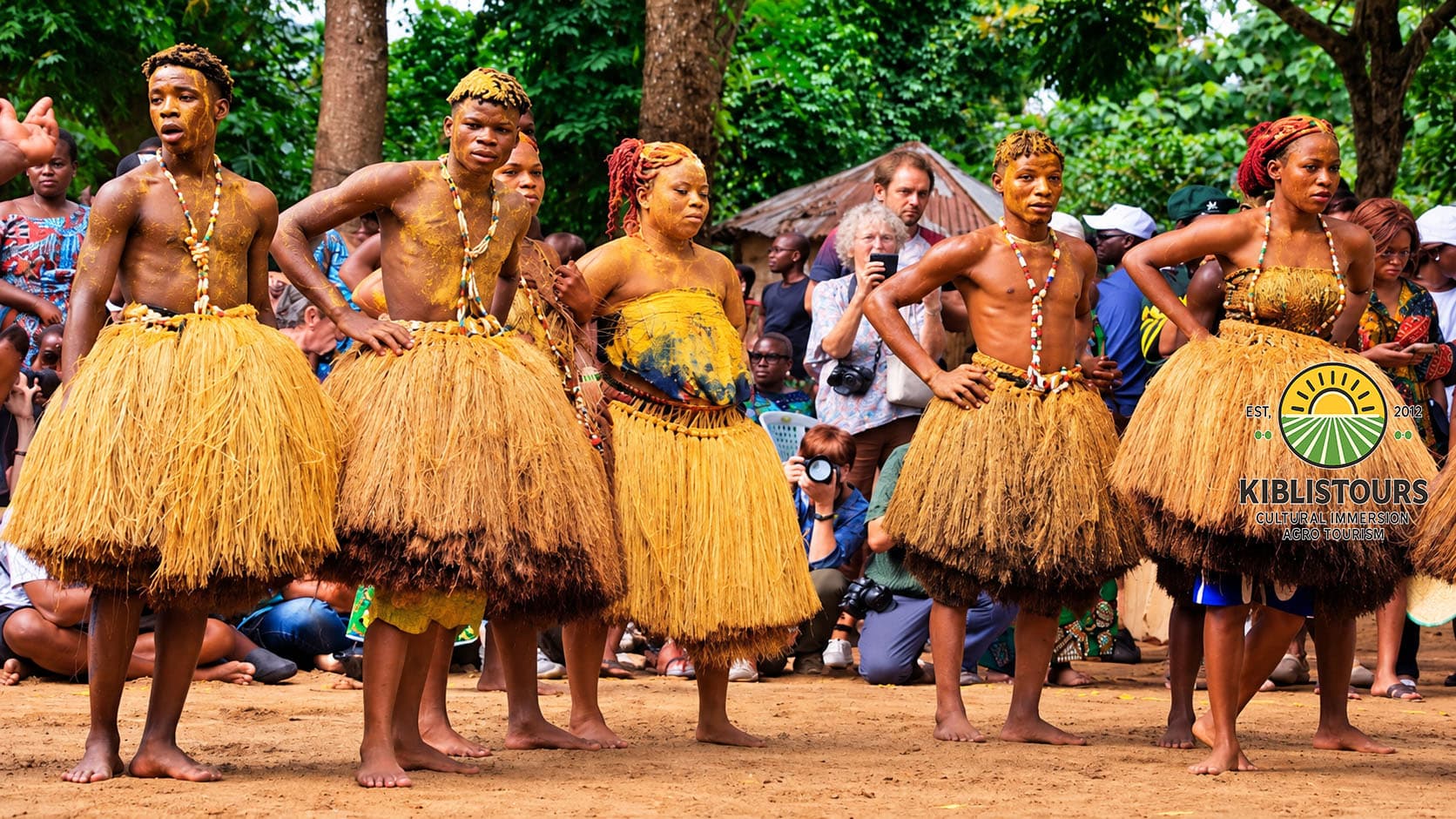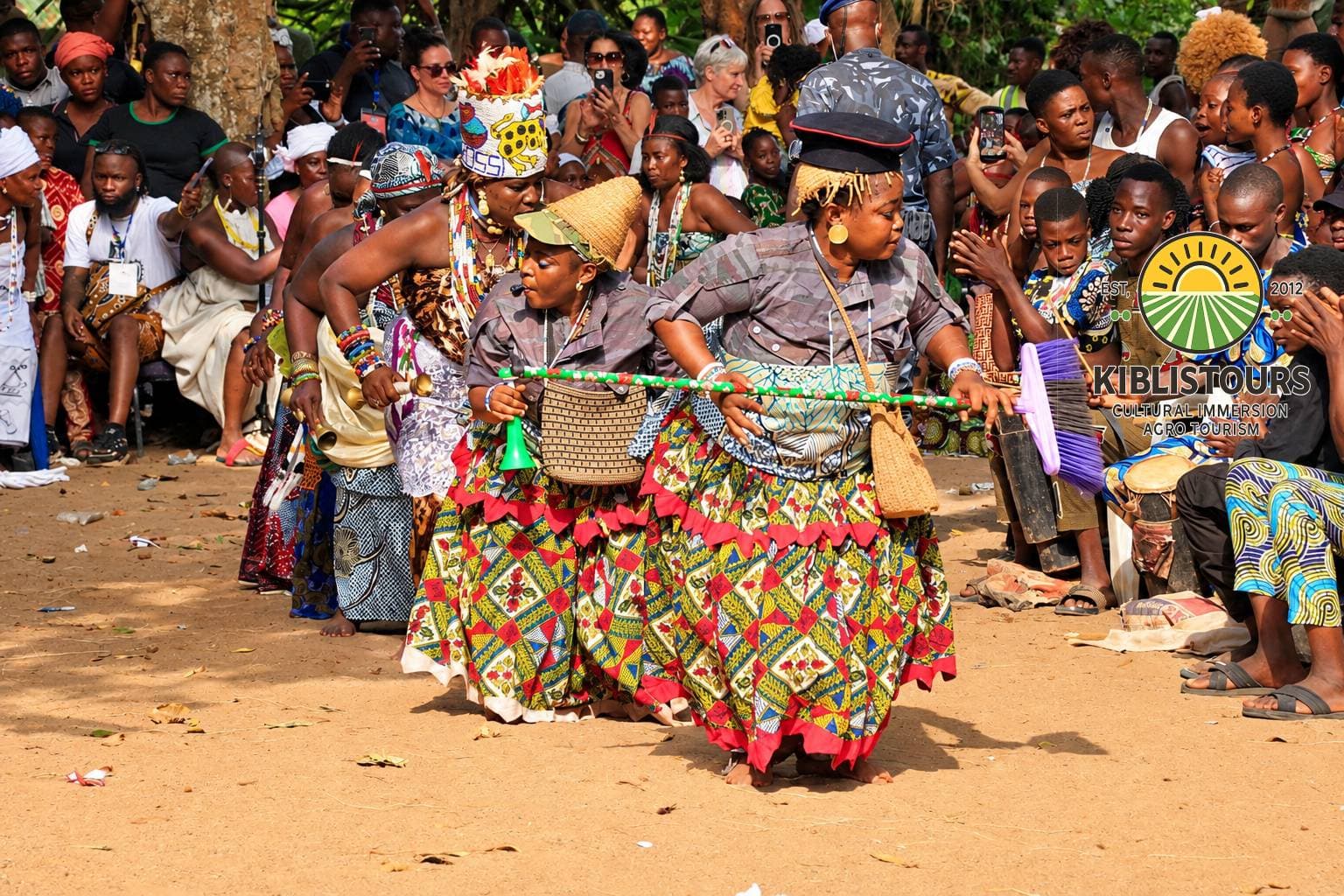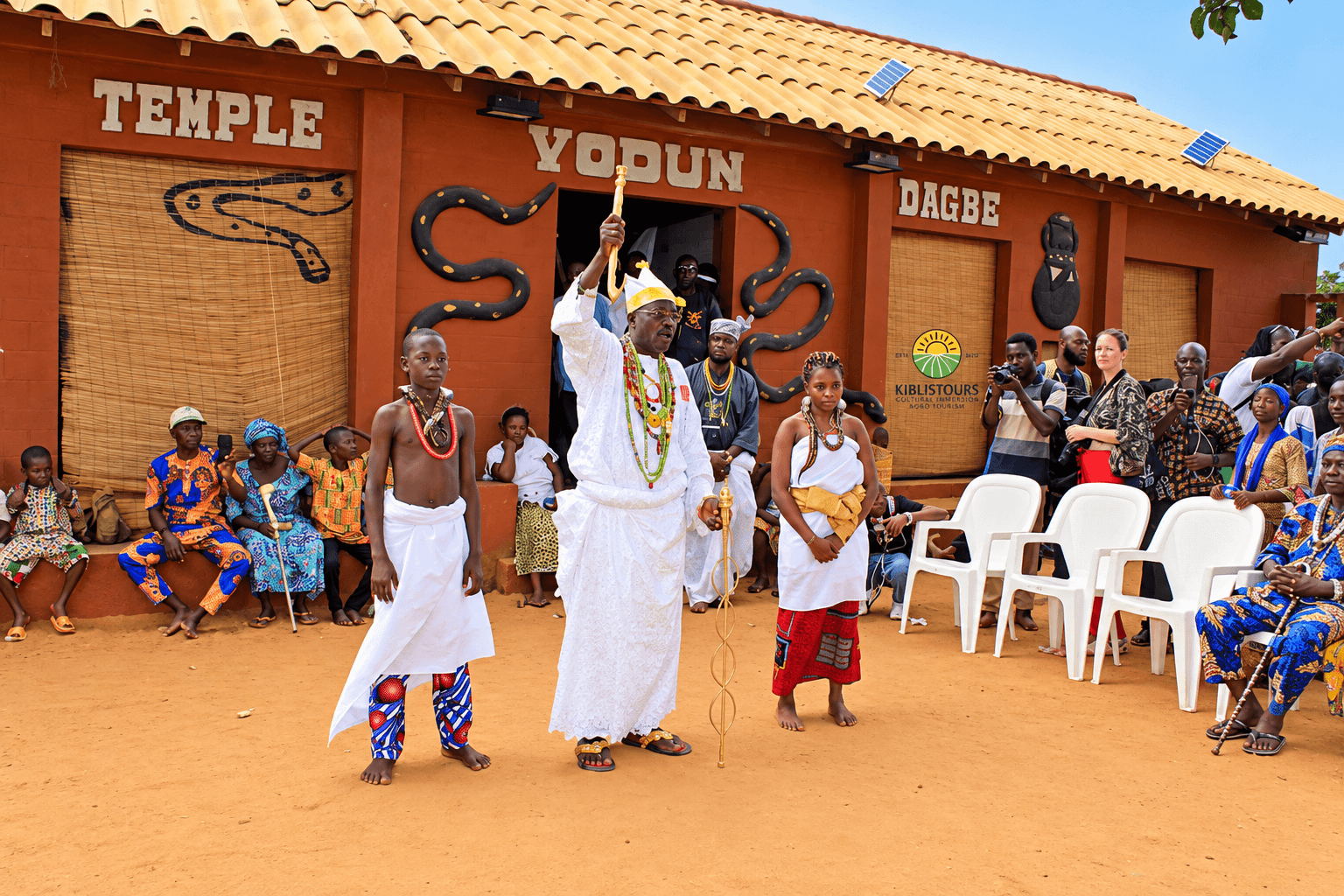
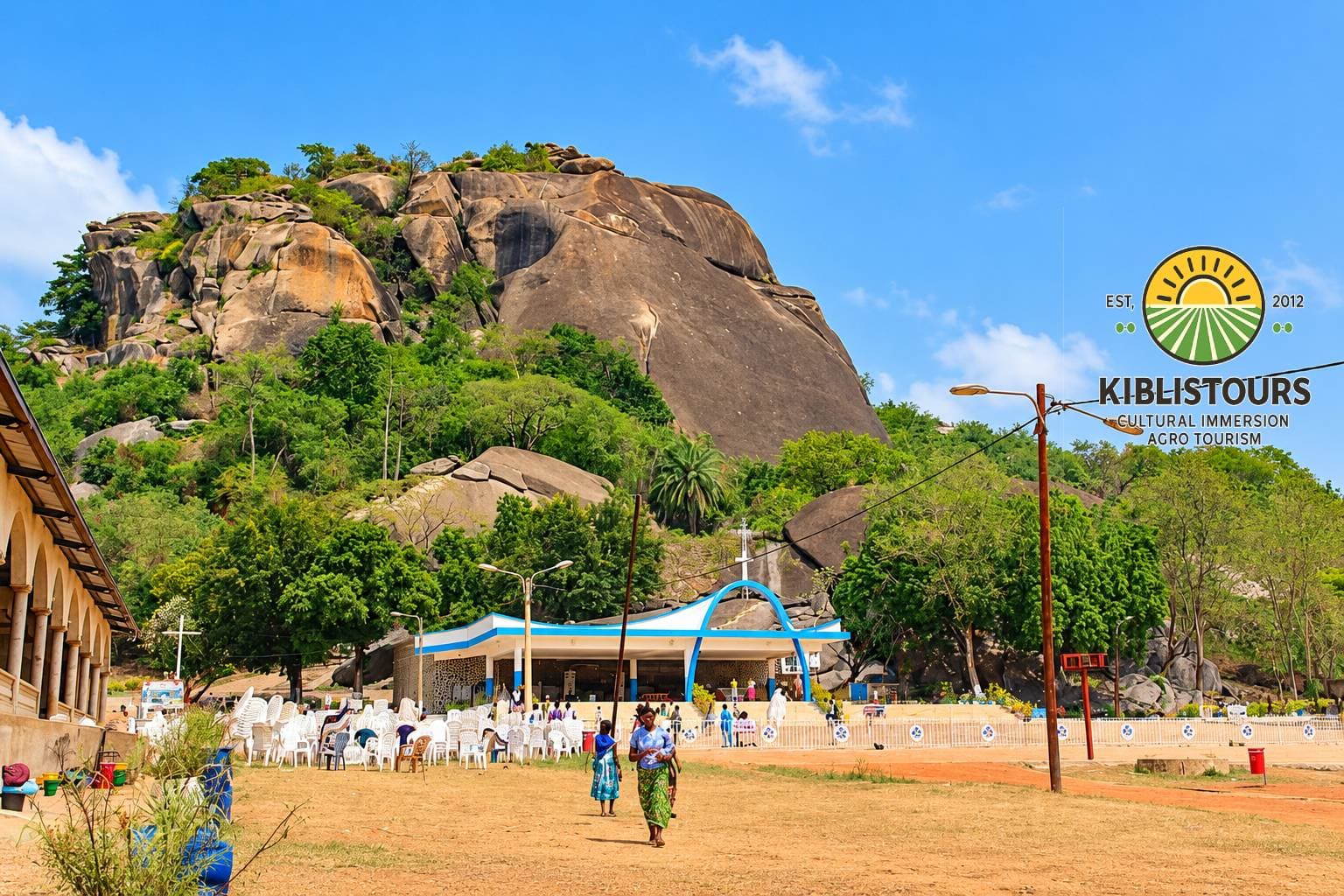
West Africa is not merely visited. It is encountered, tasted, listened to and, above all, lived.
Imagine a morning facing the Atlantic Ocean. A few hours later, you walk through the narrow streets of a city steeped in history, cross a market where conversations mingle with the scents of spices, discover a royal palace or share a meal prepared according to a recipe passed down from generation to generation.
Then sometimes comes that moment travel guides find difficult to describe: an unexpected conversation, a smile, a ceremony, music heard in the distance or a story told by someone who truly lives the heritage you came to discover.
This is precisely what makes a journey through West Africa so special.
From Benin to Senegal, via Ghana, Côte d’Ivoire, Togo, Cape Verde and Guinea-Bissau, this part of the continent brings together an extraordinary diversity of cultures, landscapes, traditions and heritage.
But when the time comes to choose your next destination, one question often arises:
What are the best countries to visit in West Africa?
The answer depends above all on you.
Are you looking for beaches and islands? Historic kingdoms? Cultural immersion? Wild landscapes? A connection with the history of the African diaspora? Gastronomy? Festivals? Encounters with local communities?
In this guide, we have chosen not to establish a ranking based solely on popularity. We favor destinations capable of offering a memorable experience, with particular attention paid to authenticity, culture, heritage, nature, encounters and the diversity of experiences.
Get your travel notebook ready.
West Africa may well surprise you.
And perhaps its most beautiful surprise will be very simple: feeling very far from home while sometimes discovering something strangely familiar.
Why visit West Africa?
Speaking of West Africa as a single destination would be a mistake.
The region brings together countries with profoundly different histories, languages, landscapes, cuisines and traditions.
Yet certain experiences cross borders: the importance of hospitality, community life, lively markets, oral transmission, music, ceremonies, craftsmanship and an exceptionally rich historical heritage.
A region where history is still alive
In several West African destinations, history is not confined to museum display cases.
It can be found in palaces, forts, public squares, villages, spiritual sites, handcrafted objects and stories passed down within families.
In Benin, Abomey still tells the story of the Kingdom of Danxomè (UNESCO).
In Ghana, Cape Coast and Elmina invite visitors to confront the memory of the transatlantic slave trade.
In Senegal, Gorée holds a special place in itineraries devoted to this memory.
Elsewhere, kingdoms, chiefdoms, traditional architecture and ceremonies continue to tell other chapters of African history.
Human experiences that give meaning to the journey
The strongest memories do not always come from monuments.
They can arise from an improvised conversation with a market woman, a shared meal, a musical evening or an artisan who takes the time to explain a skill passed down through the family.
This is where the journey changes in nature.
You no longer return home only with photographs, but with a first name you do not forget, a story heard under a tree, a taste you later try to find again at home.
An incredible diversity of landscapes
The idea of a uniform Africa disappears very quickly once you begin travelling through West Africa.
Atlantic beaches, lagoons, savannas, mangroves, mountains, forests, rivers, archipelagos and volcanic islands can create completely different journeys.
Two people can therefore travel through West Africa and return with the impression of having discovered two different worlds.
How did we establish this selection?
This Top 10 does not claim to designate one “best country” in absolute terms.
We selected six criteria that are particularly useful when preparing a trip:
· cultural and heritage richness
· diversity of experiences
· natural interest
· opportunities for immersion and encounters
· tourist accessibility
· potential for integration into a regional itinerary
The proposed order is therefore an editorial guide, not a universal truth.
The best country to visit in West Africa will ultimately be the one that matches the way you travel, your budget, the length of your stay, the period you choose and the experiences you are looking for.
Kiblistours transparency
As Kiblistours is based in Benin, we know this destination particularly well.
We place it at the top of this selection because of the strength of its heritage, the richness of its traditions and the opportunities for immersion that we can build there.
This does not mean that Benin is objectively superior to the other destinations presented.
Nigeria, Liberia, Mauritania, Mali, Burkina Faso and Niger also possess remarkable heritage, cultures and landscapes. Their absence from this Top 10 is therefore not a judgment on their tourist appeal.
Our selection here favors a balance between richness of experience, diversity, clarity for the traveler and the general feasibility of a stay.
Comparison: which West African country should you choose?
Destination | Main strength | Ideal profile | Indicative duration | Organization |
Benin | Kingdoms, Vodun, living heritage | Culture and immersion | 7 to 12 days | Moderate |
Senegal | Culture, history and coastline | First trip | 7 to 14 days | Easy to moderate |
Ghana | Pan-African history and modernity | History and diaspora | 7 to 12 days | Moderate |
Côte d’Ivoire | Cities, gastronomy and culture | Urban and cultural | 5 to 10 days | Moderate |
Cape Verde | Islands, music and hiking | Nature and relaxation | 7 to 12 days | Variable |
Togo | Diversity over short distances | Regional itinerary | 5 to 8 days | Moderate |
The Gambia | River and nature | Slow travel | 5 to 8 days | Moderate |
Guinea | Fouta-Djalon and great landscapes | Adventure | 8 to 14 days | More demanding |
Sierra Leone | Beaches and nature | Off the beaten track | 7 to 10 days | Moderate to demanding |
Guinea-Bissau | Bijagós Archipelago | Nature and biodiversity | 8 to 14 days | More demanding |
Have you already spotted a destination? Kiblistours can help you turn that desire into an itinerary, according to the length of your stay, your budget and the type of experiences you wish to prioritize.
Top 10 best countries to visit in West Africa
There is no perfect country for every traveler.
Each of the following destinations has its own personality, rhythm and experiences.
1. Benin: culture, kingdoms, Vodun and living heritage
Benin does not reveal itself immediately.
And that is precisely what gives it its charm.
The country is discovered in successive layers. One place leads to another, one story reveals another, and you gradually understand that here, travel above all requires curiosity and time.
Some visitors first know Cotonou or Ouidah.
But as soon as you begin to travel across the country, another reality appears: historic kingdoms, palaces, lake cities, spiritual traditions, craftsmanship, gastronomy, popular festivals, rural landscapes and the cultures of the North form a surprisingly rich whole.
For travelers who wish to experience an authentic and cultural Africa, Benin deserves a place of choice.
Ouidah: memory, spirituality and history
Ouidah is one of the major stages of a cultural journey in Benin.
The city holds an important place in the memory of the transatlantic slave trade and preserves several sites associated with this history.
But reducing Ouidah to this past would be incomplete.
The city is also deeply connected to Beninese Vodun.
Discovering this dimension with people who genuinely know the local traditions makes it possible to move beyond simplistic representations and approach a fundamental component of the country’s cultural identity.
Abomey: in the footsteps of the Kingdom of Danxomè
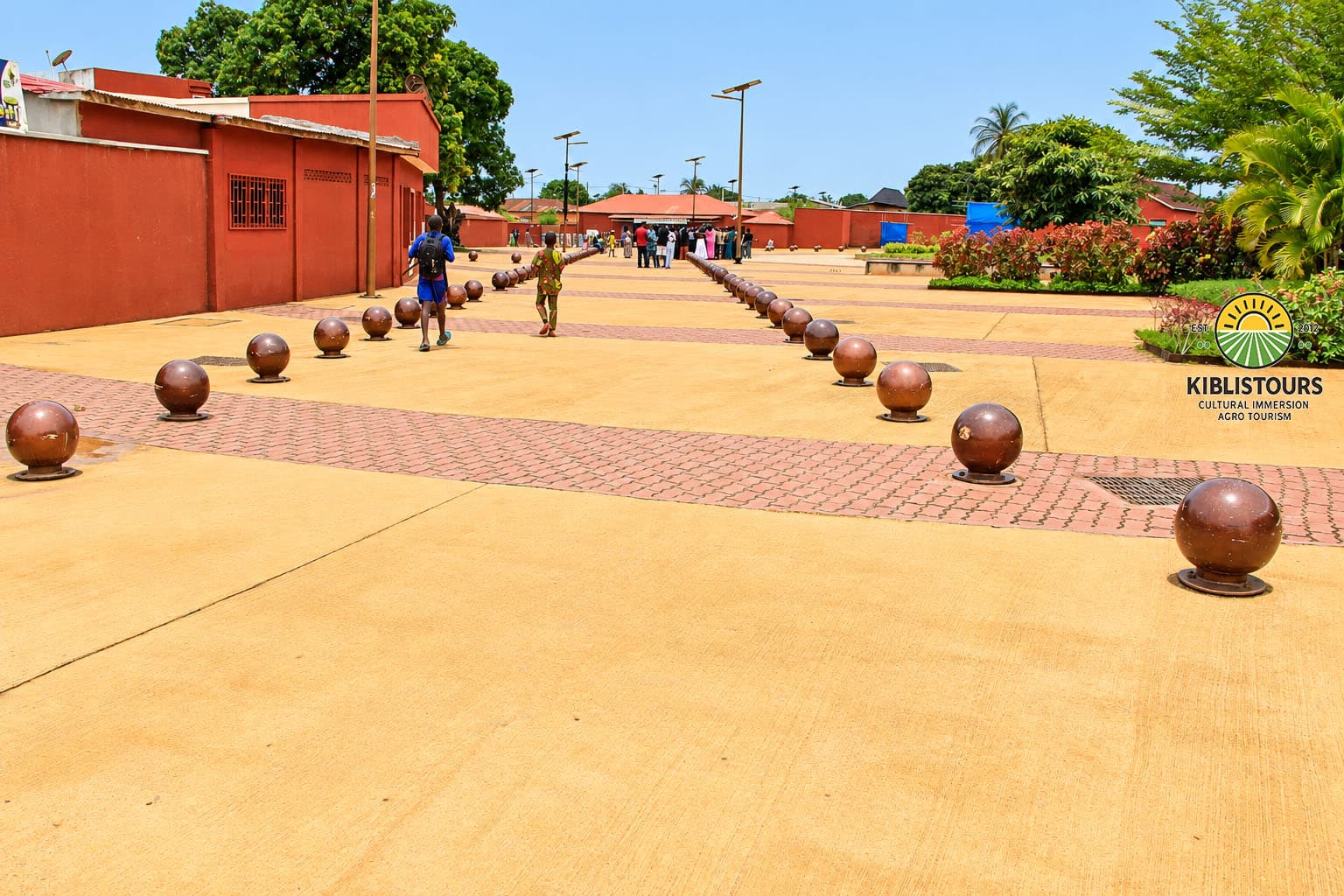
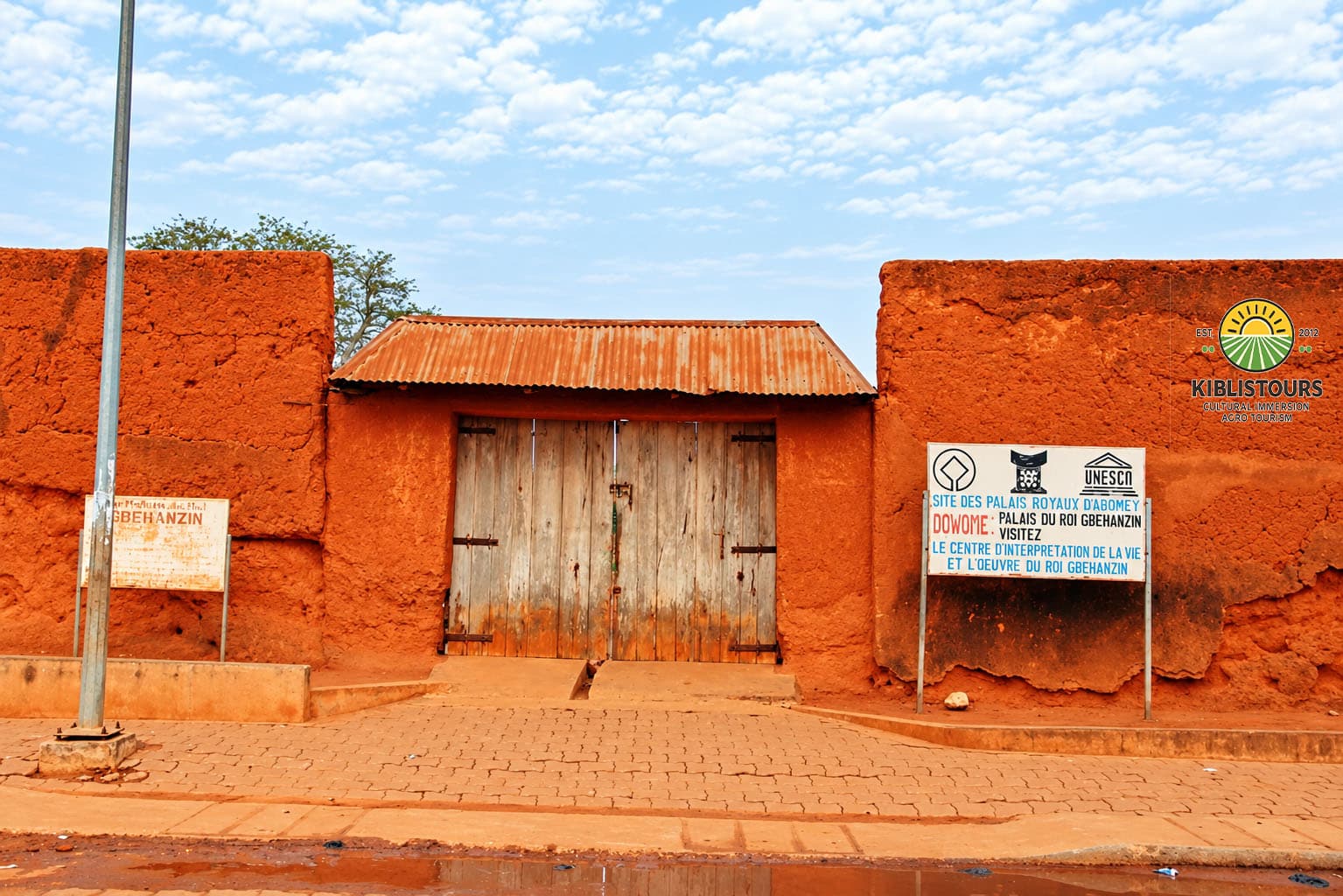
In Abomey, royal history occupies a central place.
The city was the heart of the Kingdom of Danxomè and preserves an exceptional heritage linked to several centuries of political, military and cultural history.
With the explanations of a good guide, the sites take on another dimension.
The walls, objects, stories and symbols are no longer mere remains: they tell of reigns, alliances, conflicts and a conception of power that profoundly shaped the history of the territory.
Ganvié: discovering another way of inhabiting the world
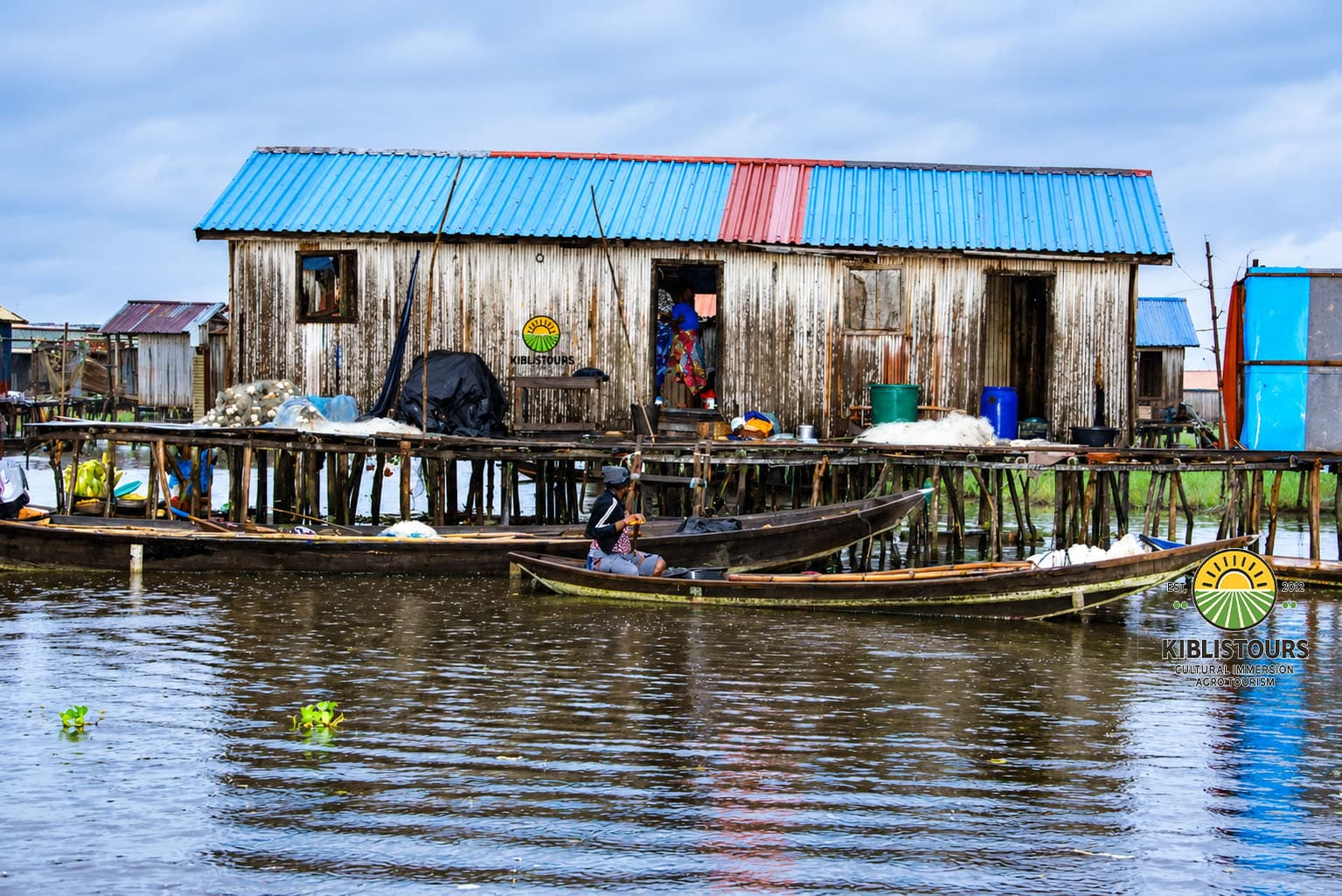
Ganvié is among the most iconic images of Benin.
This lake city on Lake Nokoué is discovered from the water.
But behind the stilt houses and photogenic landscapes is, above all, a living community.
Families live, work, trade and travel there every day.
A respectful discovery of Ganvié therefore makes it possible to go beyond photography and understand a social organization closely linked to the lake.
Porto-Novo: a capital worth taking the time to discover
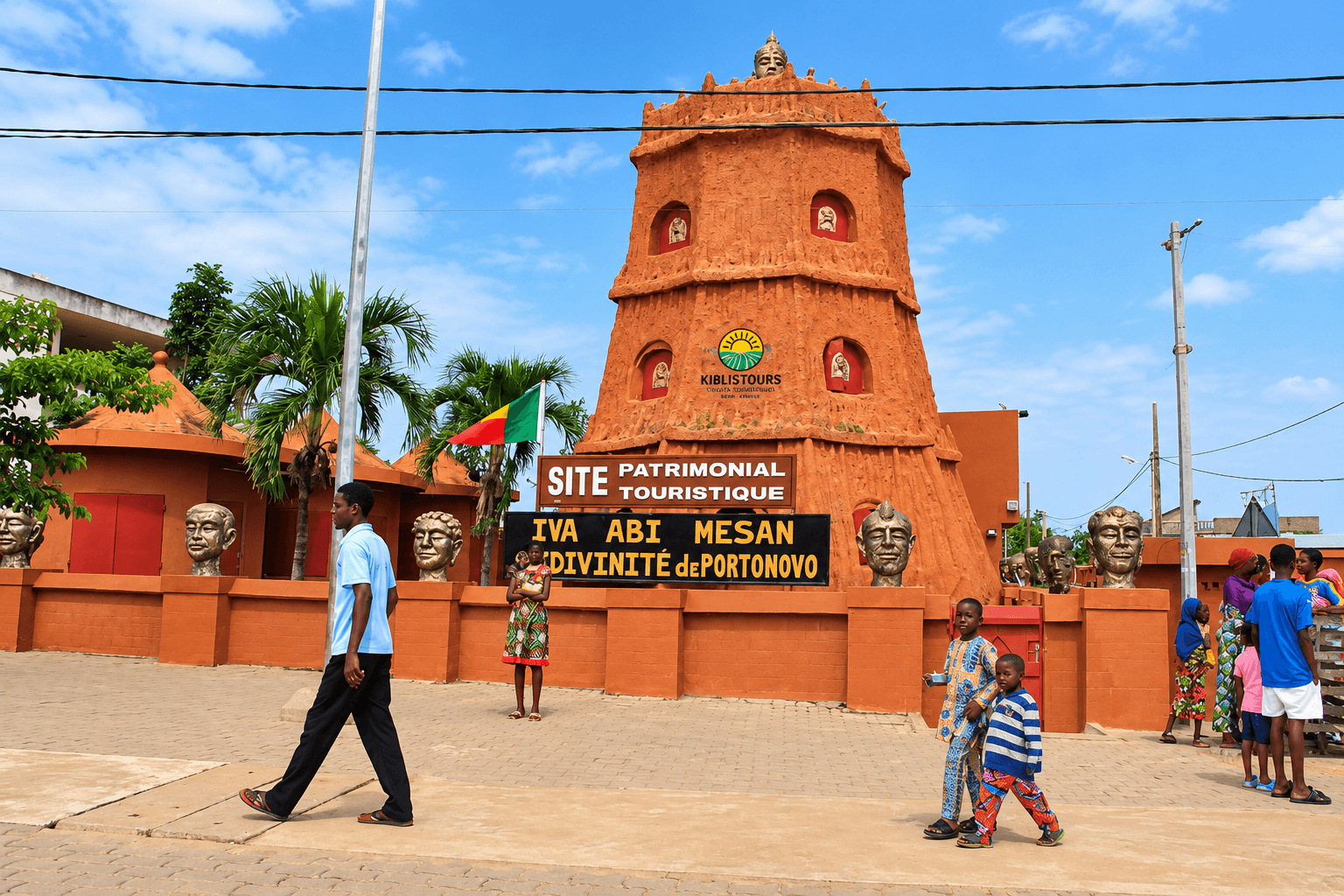
Porto-Novo offers yet another interpretation of Benin.
Architectural heritage, Afro-Brazilian influences, museums, markets, traditions, arts and everyday life make up a cultural capital that deserves more than a quick stop.
It is often by taking the time to explore its neighborhoods and talk with those who live there that Porto-Novo best reveals its personality.
Northern Benin: another side of the country
The farther north you travel, the more the landscapes and cultures change.
Natitingou is an interesting gateway to the Atacora region and the traditions of the communities of the northwest.
Nikki, for its part, is intimately linked to Baatonu culture and to the Gaani, a major cultural and identity celebration.
For lovers of nature and wide-open spaces, the North adds yet another dimension to the journey.
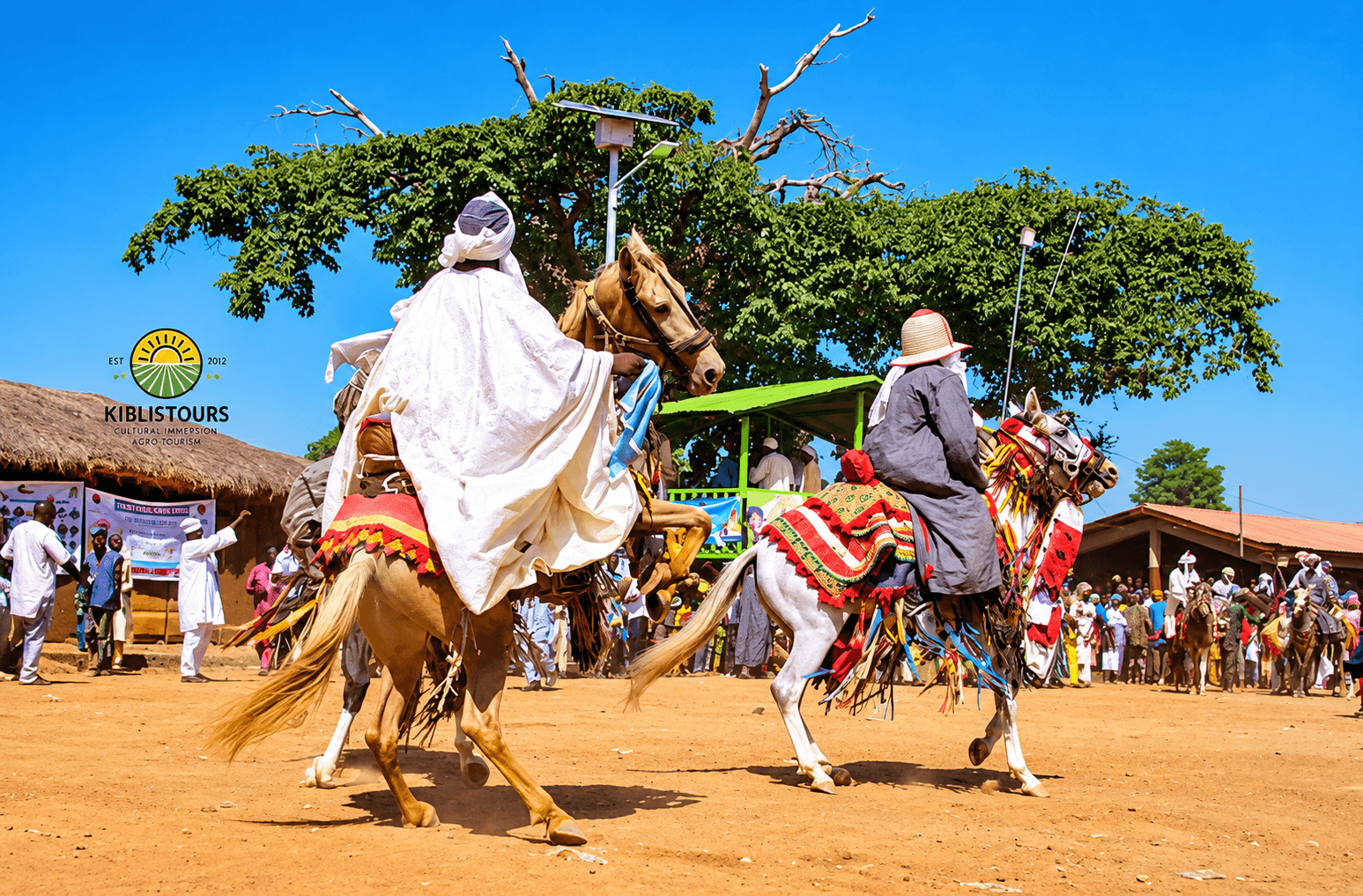
Why choose Benin?
Choose Benin if you are looking for a stay where culture, history, spirituality, heritage and human encounters occupy a central place.
It is particularly suitable for travelers who wish to understand a destination rather than simply accumulate visits.
Want to discover Benin differently?
Kiblistours can build a private tour connecting Ouidah, Abomey, Ganvié, Porto-Novo, villages, community experiences and the north of the country, according to your pace and interests.
Discover Kiblistours tours in Benin or request a personalized itinerary.
2. Senegal: between culture, history and art of living
Senegal is among the best-known destinations in the region, and this popularity is not difficult to understand.
Dakar has an almost immediate energy.
Music, contemporary art, markets, restaurants, beaches and urban life give the capital a strong personality.
But the country changes character when you leave Dakar.
Distances then take on another flavor, conversations grow longer and the journey gradually becomes more intimate.
Dakar: a cultural capital facing the Atlantic
Dakar can be noisy, creative, popular, elegant and cosmopolitan all in the same day.
Lovers of art, music and urban culture can spend several days there without running out of experiences.
Gastronomy is also a wonderful gateway into Senegalese culture.
Gorée: a visit steeped in memory
Near Dakar, Gorée Island is a major stop for many visitors.
Its architecture, narrow streets and memorial sites invite you to slow down and consider the weight of history.
Saint-Louis: heritage and atmosphere
In the north, Saint-Louis offers a very different atmosphere.
Its architectural heritage, history and relationship with the Senegal River give it a distinctive identity.
The city also has a strong cultural and musical dimension.
Casamance: Senegal on the nature side
For travelers wishing to move beyond the most classic itineraries, Casamance reveals a much greener face.
Bolongs, villages, tropical landscapes and local cultures give the impression of discovering another Senegal.
Why choose Senegal?
Senegal is particularly suitable for travelers who want to combine urban culture, history, music, gastronomy, coastline and encounters.
3. Ghana: Pan-African history, culture and modernity
Ghana has a special power of attraction.
Accra is dynamic, creative and contemporary, while other regions offer the opportunity to discover kingdoms, traditions and very different landscapes.
For many members of the African diaspora, Ghana can also carry a profound memorial and symbolic dimension.
There are visits that are made mainly with the eyes and others that touch something much deeper. In Ghana, certain stages clearly belong to this second category.
Accra: an African capital on the move
Galleries, restaurants, beaches, markets, music, fashion and entrepreneurship give Accra a contemporary energy.
It is an interesting destination for discovering a resolutely modern West Africa while remaining connected to its cultures.
Cape Coast and Elmina: facing history
Cape Coast and Elmina are major stops on itineraries devoted to the transatlantic slave trade.
For many visitors, these places become some of the most memorable moments of the journey.
Kumasi and Ashanti culture
Kumasi offers an introduction to Ashanti history and culture.
Craftsmanship, symbols, textiles, royal traditions and ceremonies testify to the cultural depth of the region.
Kente, in particular, is not merely about its colors: its patterns and uses carry different social and cultural meanings.
Why choose Ghana?
Choose Ghana if you wish to combine history, Pan-African heritage, culture, urban life and nature.
For a first discovery, Accra, Cape Coast or Elmina and Kumasi form a coherent whole. The interest of the journey lies precisely in the dialogue between contemporary creation, memory, royal traditions and landscapes, rather than in the rapid accumulation of destinations.
4.Côte d’Ivoire: a destination with many faces
Côte d’Ivoire has this ability to offer radically different experiences within the same journey.
Abidjan represents its modern and fast-paced side.
Yamoussoukro surprises with its monumental architecture.
Grand-Bassam invites you to slow down by the ocean.
And the interior of the country opens the door to other cultures, traditions and landscapes.
Abidjan: the great West African metropolis
Abidjan moves fast.
Restaurants, music, business districts, markets, galleries, maquis and nightlife make the city a destination in its own right.
For those who enjoy large African cities, a few days can already make for a genuine city break.
A lively lunch in a maquis, an urban evening and then the ocean: in just a few hours, the atmosphere can change completely.
Grand-Bassam: slowing down by the ocean
Near Abidjan, Grand-Bassam offers a more peaceful pace.
Its architectural heritage and coastline make it possible to combine cultural discovery and relaxation.
Yamoussoukro: a surprising capital
The political capital intrigues with its broad avenues and monumental architecture.
The Basilica of Our Lady of Peace is naturally among the buildings that attract the most attention from visitors.
Why choose Côte d’Ivoire?
Côte d’Ivoire is suitable for travelers who wish to bring together a major city, gastronomy, culture, history and seaside relaxation.
5. Cape Verde: West Africa to the rhythm of the islands
Do you want a complete change of atmosphere without leaving West Africa?
Head for Cape Verde.
This Atlantic archipelago offers an experience very different from mainland destinations.
And above all, each island has its own personality.
You do not really visit “Cape Verde” as a single block. You choose one island, then perhaps another, and each tells a different version of the archipelago.
Santiago: history and culture
Santiago offers an introduction to Cape Verdean history, culture and everyday life.
Praia is often the starting point, but the island deserves to be explored beyond the capital.
Santo Antão: a paradise for walkers
Santo Antão particularly attracts travelers who love hiking and spectacular landscapes.
Reliefs, valleys and villages give the island an identity very different from the beach images often associated with Cape Verde.
São Vicente: music and urban culture
Mindelo is an essential stop for those wishing to discover the musical and cultural dimension of the archipelago.
Sal and Boa Vista: beaches and relaxation
For travelers mainly seeking sunshine, ocean and relaxation, Sal and Boa Vista offer yet another experience.
Why choose Cape Verde?
Choose Cape Verde if you are looking for islands, hiking, music, volcanic landscapes, beaches and relaxation.
The choice of islands is crucial: trying to combine too many can multiply transfers. It is often better to select one main island, then a second whose atmosphere genuinely complements the first.
6. Togo: a small territory, great diversity
Togo is sometimes crossed quickly by travelers combining several countries.
It would be a shame to reduce it to a simple stopover.
Its relatively narrow territory makes it possible to move gradually from the coast to inland landscapes and more northern regions.
Lomé: between market, culture and ocean
Lomé offers a lively introduction to the country.
Markets, craftsmanship, gastronomy, lively neighborhoods and proximity to the ocean make it possible to begin the journey without immediately leaving the capital.
Kpalimé: nature and craftsmanship
Kpalimé is particularly attractive for its green environment, relief, craft activities and opportunities to discover nature.
The region offers a pleasant break from the pace of Lomé.
Togoville and Lake Togo
Around Lake Togo, local history, spirituality and landscapes provide access to other dimensions of the country.
Why choose Togo?
Togo is particularly interesting for travelers seeking diversity, short distances between stages and the possibility of combining several experiences over a relatively short period.
It also fits naturally into certain regional itineraries with Benin and Ghana.
7. The Gambia : travelling to the rhythm of the river
The Gambia has a distinctive geography, largely structured around the Gambia River.
This relationship with water influences the landscapes, travel, biodiversity and the experience of the journey.
Banjul and its surroundings
The capital and surrounding coastal areas offer a first look at the country: markets, beaches, urban life and local culture.
The river as a common thread
Gradually moving away from the coast makes it possible to discover a quieter Gambia.
The river then becomes a genuine common thread for observing landscapes and approaching everyday life.
Nature and birdwatching
The Gambia is also interesting for travelers attracted by nature and ornithology.
Mangroves, wetlands and river environments encourage a great diversity of observations.
Why choose The Gambia?
Choose The Gambia if you enjoy slow travel, nature, river landscapes, birdwatching and small-scale stays.
The Gambia is particularly well suited to a stay built around a few bases, with river outings, nature observations and encounters. It rewards slowness more than the search for a spectacular program.
8.Guinea : for lovers of great landscapes
Guinea is more suited to travelers willing to accept sometimes more demanding organization in exchange for a different experience.
The country notably possesses one of the region’s great mountainous areas: Fouta-Djalon.
Fouta-Djalon: mountains, valleys and waterfalls
This region is one of the main reasons to choose Guinea.
Reliefs, valleys, waterfalls and villages offer remarkable terrain for hiking and nature-oriented journeys.
Conakry: an intense capital
Conakry is generally the point of entry.
Its energy, markets, music and coastal environment offer a first glimpse of a country with multiple identities.
A destination for taking your time
Guinea is not necessarily the destination to choose if your goal is to multiply stages quickly.
It makes more sense when you accept slowing down and incorporating realities on the ground into your itinerary.
Why choose Guinea?
Choose Guinea if you are looking for mountains, hiking, waterfalls, nature and adventure, with more flexible organization and more time.
Fouta-Djalon deserves several days on its own. Travel times, road conditions, weather and the availability of guides must be incorporated from the itinerary-design stage so that the adventure remains realistic and comfortable.
9. Sierra Leone: beaches, nature and travel beyond the classics
Sierra Leone remains less present in classic tourist itineraries than some of the other destinations in this selection.
That is precisely what may attract certain travelers.
Freetown: between history, city and ocean
Freetown is the natural starting point for understanding part of the country’s history and identity.
The capital also provides access to several coastal areas.
Beaches that invite you to slow down
The coastline is one of Sierra Leone’s major tourist attractions.
Some beaches offer landscapes that surprise travelers who still have a very limited image of the country.
Nature and discovery
Beyond the coastline, travelers interested in biodiversity and less conventional experiences can find other reasons to extend their stay.
Why choose Sierra Leone?
Choose Sierra Leone if you are looking for beaches, nature, discovery and destinations that remain relatively far from the major international tourist circuits.
A first discovery can combine Freetown, the coastline and a nature experience, without trying to travel across the entire country. This destination suits travelers who are independent in mindset but attentive to preparation and realities on the ground.
10. Guinea-Bissau: the call of the Bijagós
To conclude this selection, head for one of West Africa’s most distinctive island experiences.
Guinea-Bissau remains a destination that requires more preparation, but its Bijagós Archipelago has a remarkable identity.
The Bijagós Archipelago
Islands, mangroves, beaches, biodiversity and island communities form an environment very different from the region’s major tourist destinations.
Here, the journey naturally takes on another rhythm.
Travel itself becomes part of the experience and time sometimes seems to be measured differently.
Bissau: before reaching the islands
The capital is a gateway to the country.
Its architecture, markets and atmosphere offer a first introduction before continuing toward other territories.
Why choose Guinea-Bissau?
Choose Guinea-Bissau if you are looking for nature, islands, biodiversity, disconnection and adventure, and if you are ready to devote more attention to organizing your journey.
Access to the Bijagós depends on available connections, the season and local conditions. You must therefore accept that an itinerary may evolve and consider logistics not as a detail, but as an essential component of the journey.
Which country should you choose according to your traveler profile?
Still hesitating?
Here is a simpler way to choose.
For cultural immersion
Benin
Kingdoms, Vodun, heritage, communities, history and traditions offer a high density of cultural experiences.
For a first trip to West Africa
Senegal or Ghana
These two destinations make it relatively easy to combine culture, history, cities, coastline and different tourist experiences.
For history and the diaspora
Ghana, Benin and Senegal
These destinations occupy an important place in several itineraries linked to the memory of the transatlantic slave trade and reconnections with African history.
For gastronomy and urban life
Côte d’Ivoire and Senegal
Abidjan and Dakar are two excellent choices for travelers attracted by major cities, music, restaurants and contemporary culture.
For hiking
Cape Verde and Guinea
Santo Antão and Fouta-Djalon offer two very different but particularly interesting experiences for lovers of walking and landscapes.
For beaches and islands
Cape Verde, Sierra Leone and Guinea-Bissau
The choice will mainly depend on what you want: a more structured seaside stay, a less conventional coastline or a genuine island adventure.
For a multi-country itinerary
Benin, Togo and Ghana
Their geographical proximity makes it possible to imagine a regional itinerary particularly rich in cultural and historical contrasts.
How much time should you allow to visit West Africa?
It all depends on the number of countries and the way you travel.
For a single country, 7 to 10 days generally make it possible to build a coherent first discovery.
With 10 to 14 days, it becomes possible to slow down, leave the major cities and include more local experiences.
For an itinerary combining several countries, ideally allow more time.
The mistake would be to try to see everything.
In West Africa, some of the most memorable experiences arise precisely when the itinerary leaves enough room for encounters and the unexpected.
What is the best time to visit West Africa?
There is no single period that works for the entire region.
Seasons vary according to countries and geographical areas. The ideal period also depends on what you wish to experience.
A journey focused on hiking does not necessarily have the same constraints as a seaside stay or a trip organized around a cultural festival.
Some events can even become the starting point for the entire itinerary.
Before booking, therefore check the climatic conditions, the dates of the events you are looking for, entry formalities and travel conditions specific to each destination.
How should you prepare for your first trip to West Africa?
A few principles can make a real difference.
Do not overload your itinerary. Distances on a map do not always reflect the time actually needed to travel.
Choose your experiences before choosing the number of stages. Three places truly experienced are sometimes better than seven places merely passed through.
Favor local guides and operators when their knowledge adds real value. A historical or spiritual site often takes on a completely different dimension when it is explained in context.
Respect the communities you photograph. A person, a ceremony or a spiritual place is not automatically a tourist backdrop.
Keep a certain amount of flexibility. The most beautiful memories do not always appear in the original program.
Travelling in West Africa more responsibly
An authentic journey is not only about seeking out places that are less visited.
It also involves thinking about the way we visit.
Choosing local guides, buying directly from artisans when possible, respecting community rules, asking before taking photographs and avoiding turning spiritual practices into spectacles are all simple actions.
The objective is not merely to “see authentic Africa.”
It is about encountering living territories with respect.
FAQ: travelling in West Africa
What is the best country to visit in West Africa?
There is no universal answer. Benin is particularly interesting for cultural immersion, kingdoms, heritage and traditions. Senegal offers a great diversity of experiences, Ghana combines Pan-African history and modernity, while Cape Verde is more suitable for travelers attracted by islands, hiking and relaxation.
Which country should you choose for a first trip to West Africa?
Senegal and Ghana are two interesting options for a first discovery. Benin is particularly suitable for travelers seeking deeper cultural immersion and wishing to give an important place to history, heritage and traditions.
Which countries should you visit to discover West African culture?
Benin, Ghana, Senegal, Côte d’Ivoire and Togo offer particularly rich cultural experiences, but every country in the region has its own traditions, languages, heritage and artistic expressions.
How many days should you allow?
One week allows for a first discovery of a country. A stay of 10 to 14 days generally offers more opportunities to leave the major cities and travel at a more pleasant pace. A multi-country itinerary ideally requires more time.
Can you visit several countries during the same trip?
Yes. Certain regional itineraries are particularly well suited to combined trips. A Benin–Togo–Ghana itinerary, for example, makes it possible to discover three cultural worlds during the same stay, subject to the formalities and travel conditions applicable at the time of the journey.
Which destination should you choose for a cultural journey?
Benin is one of the most interesting choices for a journey centered on kingdoms, spiritual traditions, historical heritage and encounters. Ghana and Senegal are also particularly rich for travelers interested in history and memory.
Where should you go for beaches in West Africa?
Cape Verde is a reference for island and seaside stays. Sierra Leone also has a remarkable coastline, while Senegal, Côte d’Ivoire, Ghana, Togo and Benin make it possible to include coastal stages in broader itineraries.
Is West Africa suitable for tailor-made private travel?
Yes. Private travel makes it possible in particular to adapt the pace, stages, accommodation level and experiences to travelers’ expectations. This formula can be particularly interesting when the objective is to combine heritage, local encounters, gastronomy, nature and cultural events.
Ready to build your journey?
Whether you wish to discover Benin, combine Benin, Togo and Ghana or imagine a broader itinerary in West Africa, Kiblistours can support you in designing a journey adapted to the length of your stay, your budget, your pace and your interests.
Culture, heritage, nature, gastronomy, spirituality or local encounters: let us build a journey that reflects who you are.
Request your personalized itinerary from Kiblistours.