Discover the Tata Somba with Kiblistours: an unforgettable cultural, spiritual, and human experience in West Africa
The whole world is beginning to turn its eyes toward a destination that remains authentic, preserved, and deeply emotional: northern Benin and its famous Tata Somba.
These incredible African fortress-houses now attract:
international tourists,
architecture enthusiasts,
Afro-descendants seeking reconnection,
photographers,
content creators,
lovers of authentic African culture,
and travelers looking for rare human experiences.
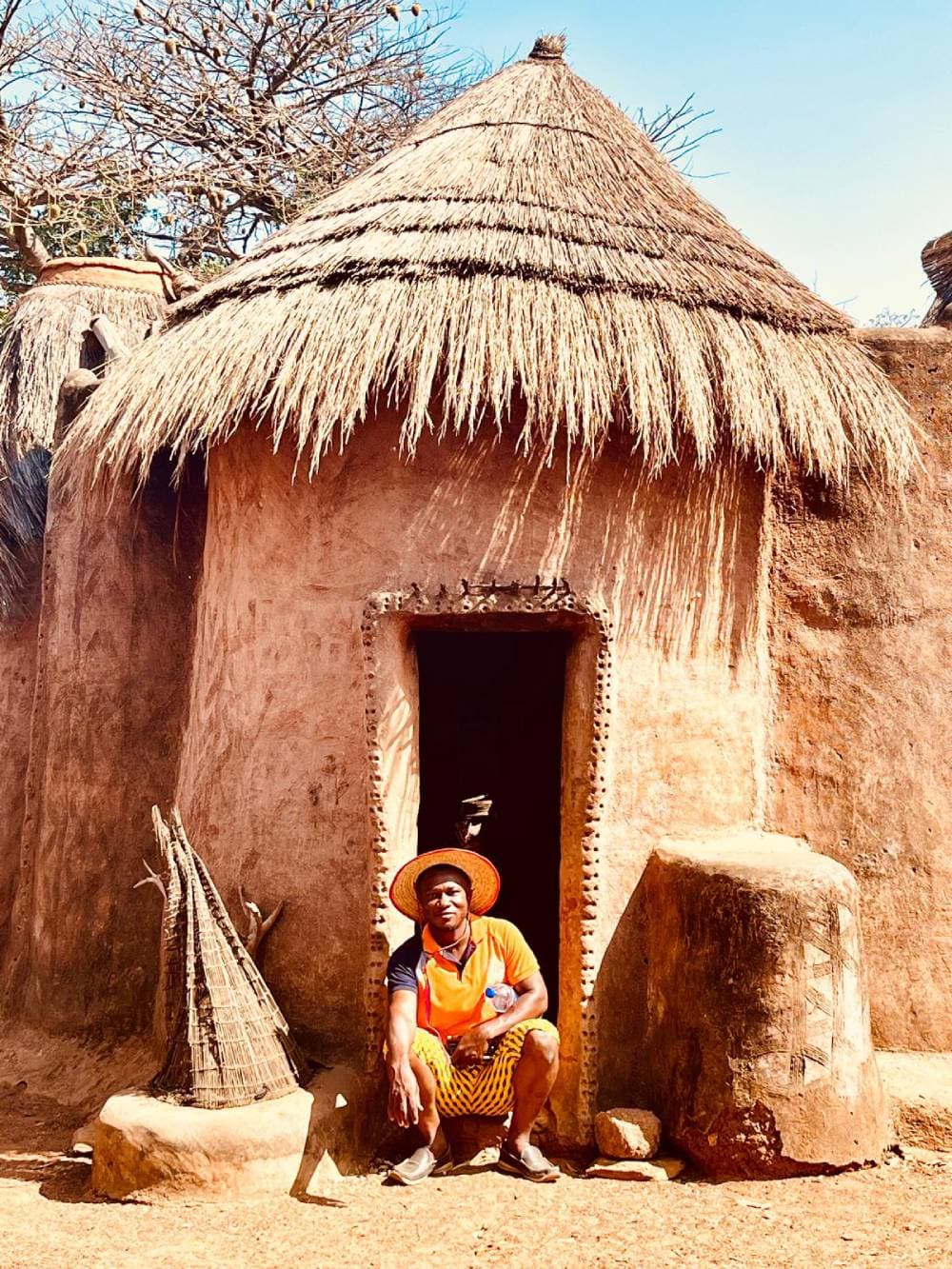
Located in northwestern Benin, the Tata Somba are among the most remarkable cultural heritages in Africa. These impressive earthen fortresses built by the Batammariba people testify to exceptional architectural expertise passed down for centuries.
Recognized as part of the Koutammakou Cultural Landscape, a UNESCO World Heritage Site, the Tata Somba now attract travelers from around the world seeking an authentic experience far from overcrowded tourist destinations.
More than a simple historical site, the Tata Somba constitute a living heritage where traditions, architecture, and an ancestral way of life continue to coexist harmoniously.
Visiting the Tata Somba with Kiblistours is not simply tourism.
It is experiencing an emotional immersion into ancestral Africa.
Want to discover the Tata Somba with an experienced local guide? Request your personalized quote from Kiblistours.
Practical Information to Prepare for Your Trip
Before setting out to discover the Tata Somba, it is useful to prepare your stay properly in order to fully enjoy this unique cultural experience. Distance to travel, recommended duration, climate conditions, available accommodations, and clothing advice: a few practical details can make all the difference. Here is the essential information you need to organize your trip under the best conditions and enjoy an authentic immersion in the heart of Batammariba country.
Information- Details
Region : Atacora
Distance from Cotonou : Approximately 650 km
Travel Time : 9 to 10 hours by road
Main Location : Boukoumbé
Best Period : November to March
Difficulty Level : Easy to Moderate
Activities : Tata Somba visits, cultural encounters, photography, hiking
Local Guides : Recommended
Accommodation : Available in Natitingou and Boukoumbé
Recommended Equipment : Comfortable shoes, hat, water, camera
Quick Guide: Visiting the Tata Somba at a Glance
Information- Details
Region : Atacora
Distance from Cotonou : Approximately 650 km
Travel Time : 9 to 10 hours
Best Season : November to February
Recommended Duration : 3 to 5 days
Physical Level : Easy
Family-Friendly : Yes
Photography : Excellent
Type of Experience : Cultural, heritage, and immersive
UNESCO Classification : Batammariba Cultural Landscape (Koutammakou)
In summary: The Tata Somba represent one of the most authentic cultural experiences in Benin. Easily accessible in the north of the country, they appeal to travelers passionate about history, African architecture, UNESCO World Heritage, and authentic human encounters.
Why Are the Tata Somba Unique?
The Tata Somba are not simple traditional dwellings. They represent a living heritage, still inhabited, protected by UNESCO, and deeply linked to the identity of the Batammariba people. Here is what makes this destination unique in Benin and West Africa.
Criteria- Tata Somba
UNESCO : Yes
Still Inhabited : Yes
Defensive Architecture : Yes
More than 300 Years of History : Yes
Cultural Immersion : Exceptional
Photography : Exceptional
Mass Tourism : Very Low
What Are the Tata Somba?
The Tata Somba are traditional fortified dwellings built mainly by the Batammariba peoples in northern Benin and Togo.
These unique earthen constructions are famous worldwide for:
their spectacular architecture,
their exceptional durability,
their spiritual symbolism,
their ecological adaptation,
and their ancestral cultural value.
Each Tata Somba is designed as a true family fortress.
They include:
defensive towers,
panoramic terraces,
grain storage silos,
sacred spaces,
family rooms,
and areas reserved for traditional rituals.
For several years, the Tata Somba have been considered one of the architectural wonders of West Africa.
History of the Batammariba Peoples: Guardians of the Tata Somba and an Exceptional World Heritage
The Origins of the Batammariba Peoples
The Batammariba, often associated with the famous Tata Somba, are one of the most emblematic peoples of northern Benin and northeastern Togo. Their history dates back several centuries and is deeply linked to their determination to preserve their freedom, cultural identity, and ancestral traditions.
The name “Batammariba” generally means “those who build with earth” or “the earth builders,” referring to their remarkable mastery of earthen architecture that gave rise to the famous Tata Somba.
Migration and Settlement in Atacora
According to oral traditions, the ancestors of the Batammariba migrated to the Atacora Mountains to escape conflicts, raids, and various forms of domination affecting certain regions of West Africa.
The mountainous terrain, valleys, and hard-to-reach areas of Atacora provided them with an ideal natural refuge. It was in this environment that they gradually developed their way of life, social organization, and unique defensive architecture.
The Tata Somba were thus born from the need to protect families, crops, and livestock while adapting to the constraints of their environment.
A Deeply Rooted Social Organization
Batammariba society is traditionally based on strong family and community structures.
Each Tata Somba generally serves as the center of family life. Spaces are organized according to specific functions:
• family dwelling;
• crop storage;
• animal protection;
• sacred spaces;
• gathering places.
Elders play an essential role in transmitting the knowledge, traditions, and social rules that ensure community cohesion.
Batammariba Beliefs and Spirituality
Spirituality occupies a central place in Batammariba culture.
Traditional beliefs place great importance on:
• ancestors;
• the forces of nature;
• sacred places;
• community rituals;
• the balance between humans and their environment.
This worldview still influences today the organization of villages, the architecture of the Tata Somba, and many cultural practices observed throughout the region.
For visitors, discovering Batammariba traditions helps them better understand the profound significance of the Tata Somba, which are far more than simple dwellings.
A World Heritage Recognized by UNESCO
The exceptional cultural importance of the Batammariba led to the international recognition of the Koutammakou Cultural Landscape, which was inscribed on the UNESCO World Heritage List in 2004.
This inscription recognizes:
• the unique architecture of the Tata Somba;
• the richness of Batammariba traditions;
• the harmonious integration between habitat, culture, and environment;
• the continuous transmission of a living heritage.
Today, the Batammariba are considered the guardians of one of Africa’s best-preserved cultural landscapes, attracting researchers, architects, historians, and travelers from around the world.
Discover this World Heritage Site during an exclusive cultural tour of northern Benin. Contact Kiblistours to create your tailor-made itinerary.
Why the Tata Somba Are Attracting More and More International Tourists in 2026
Global tourism has changed.
Modern travelers no longer want only hotels and beaches.
They are looking for:
authenticity,
genuine emotions,
ancestral cultures,
immersive experiences,
human encounters,
and destinations still preserved from mass tourism.
The Tata Somba perfectly match this new global trend in cultural and experiential tourism.
Today, visitors come from:
the United States,
Canada,
France,
Germany,
Brazil,
the Caribbean,
Belgium,
the United Kingdom,
and even Asia to discover these unique African fortresses.
The Tata Somba: A Globally Recognized African Cultural Treasure
The Tata Somba and UNESCO World Heritage
The Tata Somba are among the most remarkable architectural and cultural heritages of West Africa. These impressive fortified earthen dwellings, built by the Batammariba peoples, testify to exceptional ancestral know-how passed down through generations.
The Tata Somba region is associated with the Koutammakou Cultural Landscape, a UNESCO World Heritage Site since 2004. This international recognition rewards not only the unique architecture of the Tata Somba but also the entire traditional way of life of the communities living there.
UNESCO recognized the exceptional value of this territory where housing, spiritual beliefs, agricultural practices, social traditions, and the natural environment form a coherent and living cultural whole.
Unlike many historical sites that have been transformed into museums, the Tata Somba remain living homes today. Visitors can therefore discover a heritage that is still inhabited and observe how traditions continue to be passed from generation to generation.
The Tata Somba also illustrate a remarkable ability to adapt to their environment. Built primarily with earth, wood, and other local natural materials, they provide excellent thermal insulation while respecting the principles of sustainable and ecological architecture.
This UNESCO recognition has helped make the Tata Somba known to travelers from around the world, history enthusiasts, architects, researchers, and Afro-descendants seeking reconnection with ancestral African cultures.
Why Is This UNESCO Classification Important?
The UNESCO World Heritage designation recognizes:
• The outstanding universal value of Tata Somba architecture;
• The traditional know-how of the Batammariba peoples;
• The preservation of an ancestral way of life that is still alive today;
• The harmony between humans and their natural environment;
• The cultural and historical importance of the region for humanity.
What Visitors Discover on Site
During a trip to the Tata Somba region, visitors can:
• Explore traditional fortified dwellings;
• Meet local communities;
• Discover ancestral traditions and beliefs;
• Observe earthen construction techniques;
• Enjoy the spectacular landscapes of the Atacora Mountains;
• Take some of the most impressive photographs in Benin.
Did You Know?
The Koutammakou Cultural Landscape is often considered one of the finest examples of vernacular architecture still preserved in Africa. Every year, it attracts visitors from Europe, America, Asia, and across Africa to discover this unique heritage.
For a complete immersion, many travelers combine a visit to the Tata Somba with the Tanougou Waterfalls and the Tanéka villages, creating one of the most beautiful cultural and natural itineraries in Benin.
Why Did UNESCO Recognize Koutammakou?
The Tata Somba are among the most remarkable architectural treasures of West Africa. These traditional fortified earthen dwellings, built by the Batammariba peoples, testify to a unique ancestral expertise passed down from generation to generation.
The Tata Somba region is part of the Koutammakou Cultural Landscape, which has been listed as a UNESCO World Heritage Site since 2004. This designation recognizes the exceptional value of a territory where architecture, traditions, spiritual beliefs, and the harmonious relationship between humans and their environment form a unique cultural ensemble.
The Tata Somba are not merely houses. They are true family fortresses, designed to protect inhabitants, crops, and livestock. Each structure has a specific layout integrating living spaces, granaries, terraces, and places dedicated to spiritual practices.
Beyond their spectacular architecture, the Tata Somba illustrate a way of life deeply connected to nature, agriculture, and local traditions. Their construction relies mainly on natural materials such as earth, wood, and straw, demonstrating perfect adaptation to the region’s climatic conditions.
Today, visiting the Tata Somba allows travelers to discover one of the finest examples of preserved African vernacular architecture. For travelers passionate about culture, history, and heritage, this region represents one of the most authentic experiences to enjoy during a trip to Benin.
Not to Be Missed:
• Discovering authentic Tata Somba that are still inhabited;
• Meeting local communities;
• Admiring the spectacular landscapes of Atacora;
• Experiencing Batammariba traditions and ancestral ceremonies;
• Taking advantage of the magnificent photographic opportunities offered by these unique structures.
Travel Tip: Combining a visit to the Tata Somba with the discovery of the Tanougou Waterfalls and the traditional villages of northern Benin allows you to enjoy a complete immersion in one of the most authentic regions of West Africa.
The Tata Somba in International Media
Today, the Tata Somba rank among the most emblematic cultural sites in West Africa. Thanks to their unique architecture and the cultural richness of the Batammariba people, these earthen fortresses attract the attention of numerous media outlets, photographers, documentary filmmakers, and travelers from around the world.
Since their inscription on the UNESCO World Heritage List as part of the Koutammakou Cultural Landscape, the Tata Somba have regularly appeared in reports dedicated to African heritage, cultural tourism, and authentic destinations still preserved from mass tourism.
Many travel magazines present the Tata Somba as one of the hidden treasures of the African continent. Photographs of their earthen towers, terraces, and the landscapes of Atacora frequently illustrate articles dedicated to Authentic Africa Travel, African Heritage Tours, and off-the-beaten-path cultural experiences.
Documentaries focusing on traditional African peoples also highlight the Batammariba for their exceptional architectural expertise, ancestral practices, and close relationship with their natural environment.
On social media, the Tata Somba are attracting more and more international travelers in search of authentic experiences and meaningful human encounters. Their spectacular character and cultural value make them one of the most photographed sites in northern Benin.
For enthusiasts of history, architecture, and living heritage, the Tata Somba now represent one of the must-see stops on a cultural journey through Benin and one of the most remarkable symbols of African heritage.
A Fascinating African Architecture That Defies Time
The architecture of the Tata Somba immediately impresses visitors.
Built by hand with earth, water, and ancestral techniques passed down from generation to generation, these dwellings can withstand decades.
Their intelligent design provides:
excellent thermal insulation,
natural protection against heat,
family security,
and perfect adaptation to the climate of northern Benin.
Today, the Tata Somba are studied in several architecture schools around the world as a model of ecological and sustainable construction.
Why Afro-Descendants Experience Deeply Emotional Journeys at the Tata Somba
When the sun sets behind the Atacora Mountains and the Tata Somba take on a blazing ochre color, the silence of the village is interrupted only by the songs of children and the distant sounds of livestock. It is at this moment that many travelers realize they are experiencing something unique.
For many Afro-descendants coming from:
the United States,
Brazil,
Haiti,
the Caribbean,
or Europe,
discovering the Tata Somba represents much more than a simple tourist trip.
It is often:
a symbolic return to African roots,
a cultural reconnection,
a powerful spiritual experience,
and a moment of personal transformation.
Walking through traditional villages, listening to elders recount the history of the Batammariba peoples, and feeling the energy of these places creates an emotion that is difficult to explain.
Many travelers describe this experience as:
“an inner journey as much as a geographical journey.”
Where Can You See the Most Beautiful Tata Somba in Benin?
The main regions for discovering the Tata Somba are located in the Atacora Department in northern Benin.
The most famous destinations are:
Boukoumbé,
Natitingou,
Tanguiéta,
Koussoucoingou,
and the surrounding Batammariba villages.
These regions offer:
spectacular landscapes,
magnificent mountains,
incredible sunsets,
a preserved culture,
and exceptional hospitality.
Each village has its own cultural identity and traditions.
Tata Somba vs Other Traditional African Architectures
Africa possesses an exceptional architectural heritage, shaped over centuries by cultures, climates, and local ways of life. Among the continent’s most remarkable traditional constructions, the Tata Somba of northern Benin occupy a unique place.
Unlike the famous mud mosques of the Sahel, such as those in Mali, or the circular dwellings found in several regions of Southern Africa, the Tata Somba were designed simultaneously as family homes, granaries, and defensive fortresses. This rare combination of habitation, protection, and spirituality is what makes them unique.
The Tata are built from raw earth using techniques transmitted from generation to generation by the Batammariba people. Their architecture incorporates living areas, crop storage spaces, observation terraces, and locations dedicated to traditional rites. Each element has both a practical and symbolic function.
While many traditional African architectural forms have gradually disappeared under the effects of urbanization, the Tata Somba remain living dwellings today. Many families still reside in them and perpetuate the ancestral know-how that has ensured their preservation.
For travelers passionate about culture and history, the Tata Somba represent one of the most authentic experiences in West Africa. They offer a rare opportunity to discover a heritage that is still inhabited, deeply connected to the identity of its people and their relationship with nature.
It is this exceptional authenticity that attracts visitors from all over the world every year in search of Authentic Africa Travel, African Heritage Tours, and West Africa Cultural Tours, making the Tata Somba one of the most fascinating cultural treasures on the African continent.
The Best Experiences to Enjoy During a Tata Somba Tour with Kiblistours
Visit Authentic Traditional Villages
Discover preserved villages where ancestral traditions continue to thrive every day.
Stay Near the Tata Somba
Enjoy a rare cultural immersion in the heart of the landscapes of Atacora.
Meet Local Communities
Share authentic human moments with local residents and discover their traditions.
CeremoniesAttend Traditional Dances and
Discover the rhythms, songs, and rituals that make northern Benin culturally rich.
Explore the Atacora Mountains
The landscapes of northern Benin are among the most beautiful in West Africa.
The Tata Somba are a paradise for:
photographers,
videographers,
travel influencers,
and content creators.
Traditional Gastronomy of Northern Benin: A Complete Cultural Immersion Around the Tata Somba
Discovering the Tata Somba is not limited to admiring exceptional African architecture.
It is also about experiencing a complete immersion in the authentic culture of northern Benin through its traditional gastronomy, local flavors, and ancestral customs.
During a Tata Somba tour with Kiblistours, travelers have the opportunity to discover a rich, natural African cuisine deeply connected to the traditions of the Batammariba peoples.
Among the most appreciated culinary specialties are:
millet paste,
pounded yam,
traditional African sauces,
local grilled dishes,
Fulani cheese,
and several meals prepared according to recipes passed down through generations.
These meals are often prepared using:
fresh local products,
traditional techniques,
and ancestral family know-how.
For many international visitors, sharing a meal with local people becomes one of the most memorable moments of the trip.
This experience allows travelers to discover:
the warmth of local communities,
African traditions of sharing,
and the authenticity of everyday life in the villages of northern Benin.
Today, African gastronomic tourism attracts more and more travelers worldwide.
Tourists now seek:
authentic culinary experiences,
local flavors,
immersive cultural discoveries,
and emotionally enriching human journeys.
The Tata Somba offer precisely this rare combination of:
cultural heritage,
human immersion,
African architecture,
and gastronomic discovery.
With Kiblistours, every trip becomes a complete cultural adventure that allows visitors to discover Africa through:
its landscapes,
its traditions,
its peoples,
and its unique flavors.
Why the Tata Somba Are Going Viral on Instagram, TikTok, and YouTube
Today’s travelers are looking for rare and photogenic places.
The Tata Somba offer:
magnificent natural textures,
unique African colors,
spectacular architecture,
incredible landscapes,
and a completely authentic atmosphere.
This is one of the reasons why more and more:
influencers,
documentary filmmakers,
photographers,
and content creators
are visiting northern Benin.
Videos and photos of the Tata Somba often generate strong engagement on social media thanks to their visual originality.
What Is the Best Time to Visit the Tata Somba?
The best time to visit the Tata Somba is between:
November and February.
During this season:
temperatures are pleasant,
roads are more accessible,
landscapes are magnificent,
and travel conditions are ideal.
It is also the period when several cultural events and traditional festivals take place in northern Benin.
How to Get to the Tata Somba from Cotonou?
The famous Tata Somba are located mainly in the municipality of Boukoumbé, in northwestern Benin, at the heart of Batammariba territory. From Cotonou, travelers must cover approximately 600 km to reach this exceptional region of the Atacora Department.
The most comfortable option is to travel by road using a private vehicle or through a travel agency. The route generally follows the RNIE2 highway through Bohicon, Dassa-Zoumè, Parakou, Djougou, and Natitingou before reaching Boukoumbé. Depending on traffic conditions and stops along the way, the journey takes approximately 9 to 10 hours.
For travelers wishing to use public transportation, several bus companies operate daily routes between Cotonou and Natitingou. Once in Natitingou, about 50 km remain to reach the Tata Somba villages of Boukoumbé, which requires approximately one additional hour of travel.
Natitingou is in fact the main tourist gateway to Tata Somba country. Many visitors choose to spend a night there before continuing their exploration of the traditional villages, the landscapes of the Atacora mountain range, and other attractions of the region.
For a richer experience, it is recommended to hire a local guide or a specialized agency. This not only allows visitors to better understand the history and traditions of the Batammariba but also provides access to certain villages and families that welcome visitors into their Tata while respecting local customs.
Kiblistours Tip: Plan to leave Cotonou very early in the morning or schedule an overnight stop in Natitingou to make the most of your Tata Somba visit under the best conditions.
What to Visit Around the Tata Somba?
A visit to the Tata Somba is not limited to discovering these impressive earthen fortresses. The Atacora region, in northwestern Benin, is also home to spectacular landscapes, traditional villages, and some of the most remarkable natural sites in West Africa. For travelers looking for a complete Benin travel guide or a Northern Benin travel itinerary, several stops deserve to be added to the journey.
After discovering the Tata Somba, many travelers continue their stay toward Natitingou or even Ganvié in order to explore other aspects of Beninese heritage. To organize your complete itinerary, also consult our Ultimate Guide to Benin.
Natitingou, the Gateway to Tata Country
Located about fifty kilometers from Boukoumbé, Natitingou is the main city of the region. Often called “Nati” by local residents, it serves as the ideal starting point for exploring the Tata Somba and the other wonders of Atacora.
The city offers various accommodations, restaurants, and tourism services. Its lively market also allows visitors to discover local crafts, agricultural products, and the daily life of the populations of northern Benin. From Natitingou, it is easy to organize excursions to Batammariba villages and the Tanougou Waterfalls.
The Tanougou Waterfalls, a Natural Jewel of Atacora
Near the village of Tanougou lies one of Benin’s most beautiful natural attractions. Nestled in the heart of lush vegetation, the Tanougou Waterfalls offer a striking contrast to the drier landscapes that often characterize the region.
After a short walk through nature, visitors discover several waterfalls feeding natural pools suitable for swimming. The site is especially appreciated for photography, birdwatching, and moments of relaxation in nature.
During the rainy season, the waterfalls reach their maximum flow and provide an even more impressive spectacle.
The Tanéka Villages and Their Ancestral Traditions
The Tanéka villages are among the most fascinating traditional communities in northern Benin. Settled in the mountains, the Tanéka people have preserved many cultural, spiritual, and social practices transmitted over centuries.
A visit accompanied by a local guide allows travelers to discover their architecture, rituals, beliefs, and way of life that remains strongly connected to ancestral traditions. This cultural immersion offers a complementary perspective to that of the Batammariba and greatly enriches the traveler’s experience.
The Atacora Mountains, Exceptional Panoramas
The Atacora Mountains are among the most emblematic landscapes of northern Benin. Their rolling relief, green valleys, and spectacular viewpoints offer exceptional opportunities for hiking, nature observation, and photography.
At sunrise or sunset, the panoramas overlooking the hills, villages, and surrounding plains are particularly impressive. For travelers seeking Authentic Africa Travel and off-the-beaten-path experiences, Atacora represents one of the continent’s most authentic and best-preserved regions.
By combining the Tata Somba, Natitingou, the Tanougou Waterfalls, the Tanéka villages, and the Atacora Mountains, visitors obtain one of the most beautiful cultural and natural itineraries in Benin, ideal for discovering the full richness of the country’s heritage.
Also Read:
• Ultimate Guide to Benin (link)
• Ouidah (link)
• Ganvié (link)
• Natitingou (link)
• Tailor-Made Travel in Benin (link)
• Private Guide in Benin (link)
• Cultural Tours in Benin (link)
How Much Does a Tata Somba Trip in Benin Cost?
The cost of a trip depends on:
the duration of the stay,
the level of accommodation,
the type of tour selected,
and the experiences included.
Kiblistours offers:
private tours,
custom cultural journeys,
premium experiences,
and packages adapted to international travelers.
Services may include:
transportation,
accommodation,
local guides,
transfers,
travel assistance,
meals,
and immersive experiences.
Why Benin Is Becoming the New Trendy Destination in Africa
Over the past few years, Benin has attracted more and more international tourists thanks to:
its cultural stability,
its historical heritage,
its authentic tourism,
its spiritual richness,
and its unique experiences.
Today, the country is renowned for:
Ouidah,
the Slave Route,
Ganvié,
the Tata Somba,
Vodun festivals,
safaris,
and immersive cultural experiences.
Many international media outlets are beginning to present Benin as one of Africa’s most promising emerging destinations.
African Cultural Tourism Trends in 2026
African cultural tourism is experiencing significant growth.
Global trends show that travelers increasingly seek:
local experiences,
responsible tourism,
authentic destinations,
spiritual journeys,
and genuine human connections.
Google searches related to Africa are rising sharply:
cultural travel Africa,
Benin tourism,
Authentic Africa Travel,
Afro-descendant travel Africa,
heritage tourism Africa,
traditional African architecture,
Benin cultural tours,
Tata Somba Benin,
Batammariba culture,
African heritage travel.
The Tata Somba are positioned precisely at the heart of this new global demand.
Practical Tips Before Visiting the Tata Somba
Before your trip:
bring lightweight clothing,
wear good walking shoes,
stay hydrated regularly,
respect local traditions,
and prepare your camera.
It is strongly recommended to visit the Tata Somba with an experienced local organization in order to fully enjoy both the cultural and logistical aspects of the experience.
Recommended Itinerary: 5-Day Tata Somba Tour with Kiblistours
Main Activity
Day 1 : Arrival in Cotonou and welcome
Day 2 : Journey to Natitingou and discovery of northern Benin landscapes
Day 3 : Cultural immersion in Tata Somba villages
Day 4 : Tanougou Waterfalls, Atacora Mountains, and local encounters
Day 5 : Return to Cotonou and end of the tour
Day 1: Arrival in Benin
Welcome and accommodation.
Day 2: Journey to Natitingou
Discovery of the landscapes of northern Benin.
Day 3: Tata Somba Immersion
Visit Batammariba villages and enjoy cultural encounters.
Day 4: Atacora Mountains and Local Experiences
Photography, handicrafts, and traditions.
Day 5: Return and End of the Tour
Final discoveries and transfer.
Why Book Your Tata Somba Discovery with Kiblistours?
Discovering the Tata Somba is not simply about visiting a tourist site. It is a deep immersion into one of the most fascinating cultures of West Africa, at the heart of Batammariba territory, a people whose traditions have endured for centuries.
To ensure you enjoy this experience under the best conditions, Kiblistours offers its field expertise, network of local partners, and commitment to authentic, responsible, and secure tourism.
Recognized Expertise in Tourism in Benin
For several years, Kiblistours has accompanied both domestic and international travelers in discovering the most beautiful cultural, historical, and natural treasures of Benin.
Our team has in-depth knowledge of local realities, regional specificities, and the expectations of modern travelers seeking authentic and enriching experiences.
This extensive knowledge allows us to design high-quality tours offering an excellent balance between discovery, comfort, and cultural immersion.
Passionate and Experienced Local Guides
A visit to the Tata Somba takes on a completely different dimension when accompanied by guides who truly understand the history and traditions of the Batammariba people.
Our local guides and professional tour guides passionately share stories, beliefs, lifestyles, and knowledge passed down from generation to generation.
Beyond simple tourist explanations, they help you understand the soul of this exceptional region.
Fully Customizable Tours
Every traveler is different.
Some prefer cultural discovery, others photography, human encounters, or exploration of northern Benin as a whole.
That is why Kiblistours offers tailor-made tours adapted to your wishes, budget, and length of stay.
Whether you travel alone, as a couple, with family, with friends, or as part of an organized group, we build a personalized itinerary with you.
Complete Assistance Before and During Your Trip
Our support begins long before your arrival in Benin.
We advise you on administrative formalities, trip preparation, recommended itineraries, accommodations, and the best periods to visit.
During your journey, our team remains available to assist you and respond to your needs so that your experience unfolds under the best possible conditions.
Transportation, Accommodation, and Logistics Taken Care Of
With Kiblistours, you do not need to worry about organization.
We can handle transportation, transfers, accommodation, meals, and all logistical aspects of your stay.
We carefully select reliable partners to guarantee your comfort and peace of mind throughout the trip.
A Genuine Cultural Immersion
Our tours prioritize human encounters and the authentic discovery of local communities.
You do not simply observe the Tata Somba; you also discover the traditions, architecture, lifestyles, handicrafts, and history that make this region unique.
This approach allows you to enjoy a much richer experience than a standard tourist visit.
Your Safety Is Our Priority
Traveling in a region you do not know may raise certain questions.
Our teams know the routes, sites, and local conditions perfectly.
We do everything possible to ensure safe travel and a peaceful experience for our visitors.
Responsible Tourism That Benefits Local Communities
At Kiblistours, we believe that sustainable tourism should create positive impacts for local populations.
By choosing our tours, you contribute to the economic development of the communities visited through the involvement of local guides, artisans, producers, accommodation providers, and cultural stakeholders of the region.
Your journey becomes an enriching experience for you while also benefiting the territories that welcome you.
Book Your Tata Somba Experience Now
The Tata Somba rank among the most remarkable cultural sites in Benin and West Africa.
Contact Kiblistours today to organize your visit and enjoy an authentic, safe, and unforgettable experience at the heart of Benin’s living heritage.
If you wish to discover several regions of the country, our tailor-made travel packages in Benin allow you to combine the Tata Somba, Ganvié, and Ouidah within a single itinerary.
Key Takeaways
• UNESCO Heritage Site
• Batammariba Culture
• Unique Architecture in Africa
• Immersive Cultural Experience
• Ideal Destination for Travelers Seeking Authentic Africa
• Accessible from Natitingou and Boukoumbé
• Tour Available with Kiblistours
FAQ: Everything You Need to Know Before Visiting the Tata Somba in Benin
Are the Tata Somba Listed as a World Cultural Heritage Site?
The Batammariba cultural landscapes are globally recognized for their exceptional heritage importance.
Can the Tata Somba Be Visited All Year Round?
Yes, but the dry season remains the most recommended period.
Are the Tata Somba Accessible to International Tourists?
Yes, with proper organization and professional guidance.
Can You Take a Photography Trip to the Tata Somba?
Absolutely. The Tata Somba are among the most photogenic places in West Africa.
Is Northern Benin Suitable for Cultural Tourism?
Yes. It is even one of the culturally richest regions of the country.
Are the Tata Somba Listed by UNESCO?
The Tata Somba are associated with the Koutammakou Cultural Landscape, recognized by UNESCO as a World Heritage Site since 2004. This designation rewards the exceptional value of Batammariba traditional architecture, their ancestral way of life, and their harmonious relationship with the environment.
Can You Sleep in a Tata Somba?
Yes, some communities offer traditional accommodation experiences near the Tata Somba or in structures inspired by this architecture. Staying in such an environment allows visitors to enjoy authentic cultural immersion and discover the daily life of northern Benin’s inhabitants.
How Many Days Should Be Planned for Visiting the Tata Somba?
For a complete discovery, we recommend between 3 and 5 days. This allows visitors not only to explore several Batammariba villages but also to discover the landscapes of Atacora, the Tanougou Waterfalls, traditional markets, and other emblematic sites of northern Benin.
Is Northern Benin Safe for Travelers?
Yes, the main tourist areas of northern Benin regularly welcome both domestic and international visitors. As with any trip, it is advisable to follow official recommendations in force and to favor guidance from an experienced local guide or agency such as Kiblistours.
Can You Visit the Tata Somba with Children?
Absolutely. The Tata Somba are an ideal destination for families. Children especially enjoy the original architecture of the dwellings, encounters with local communities, the discovery of traditions, and the region’s natural landscapes.
Is a Guide Required to Visit the Tata Somba?
A guide is not mandatory, but it is strongly recommended. Local guides help visitors better understand the history, beliefs, traditions, and symbolism of the Tata Somba. They also facilitate interactions with local residents and greatly enrich the experience.
What Budget Should Be Planned for a Tata Somba Trip?
The budget depends on the length of stay, comfort level, and selected services. For an organized tour including transportation, accommodation, visits, and guidance, it is generally advisable to budget between CFA 250,000 and CFA 800,000 per person depending on the package chosen.
What Is the Best Time to Visit the Tata Somba?
The ideal period generally extends from November to February. Temperatures are more pleasant, roads are more accessible, and conditions are perfect for cultural visits, hiking, and photography.
Can You Take Photos of the Tata Somba?
Yes, the Tata Somba are among the most photogenic sites in West Africa. However, it is recommended to ask permission before photographing residents or certain traditional activities in order to respect local customs.
Do the Residents Speak French?
French is generally understood in towns and by some local guides. In villages, local languages are primarily used in daily life. This is why the presence of a guide often facilitates communication and allows a better understanding of Batammariba culture.
Can the Tata Somba Visit Be Combined with Other Tourist Sites?
Yes. Many travelers combine the discovery of the Tata Somba with visits to the Tanougou Waterfalls, the Tanéka villages, and the landscapes of Atacora. This combination allows visitors to enjoy a complete cultural and natural experience in northern Benin.
Why Choose Kiblistours to Visit the Tata Somba?
Kiblistours offers authentic tours designed with professional guides and local experts. Our travelers benefit from deep cultural immersion, enriching human encounters, and personalized support to discover the Tata Somba under the best possible conditions.
Why the Tata Somba Rank Among the Most Sought-After Cultural Experiences in West Africa
For many international travelers, discovering the Tata Somba represents much more than a simple tourist visit. This experience is now considered one of the highlights of Benin Cultural Tours and West Africa Cultural Tours thanks to its authenticity and heritage richness.
Travelers planning their stay through a Benin Travel Guide or searching for the best Things to Do in Benin quickly discover that the Tata Somba are among the country's most iconic cultural sites.
Located in Atacora, at the heart of Northern Benin Travel, these impressive earthen fortresses offer visitors the opportunity to explore the fascinating history of Batammariba culture, recognized worldwide for its architecture, traditions, and ancestral way of life.
For enthusiasts of African Heritage Tours, the region offers a unique opportunity to discover a living heritage where traditions continue to be practiced daily. This deep cultural immersion perfectly matches the expectations of travelers seeking an Authentic Africa Travel experience far from standardized tourist circuits.
More and more visitors are now choosing Benin Private Tours in order to benefit from personalized support, privileged encounters with local communities, and a more in-depth discovery of Batammariba villages.
Whether you are looking for complete Benin Travel Packages or a tailor-made itinerary across the north of the country, a visit to the Tata Somba is an essential step toward understanding the cultural soul of Benin and experiencing one of the most authentic adventures in West Africa.
Are the Tata Somba Still Inhabited Today?
Yes. Unlike many heritage sites that have been transformed into museums, some Tata Somba are still inhabited by Batammariba families. Visitors can therefore discover a living heritage where traditions continue to be passed down from generation to generation.
What Is the Difference Between Tata Somba and Tata Tamberma?
The terms Tata Somba and Tata Tamberma refer to very similar traditional constructions found in Benin and Togo. Both are associated with the Batammariba peoples and the UNESCO-recognized Koutammakou Cultural Landscape.
Are the Tata Somba Accessible All Year Round?
Yes, the Tata Somba can be visited throughout the year. However, the dry season, from November to February, generally offers the best conditions for transportation and cultural visits.
Can the Tata Somba Be Visited as Part of a Tailor-Made Trip to Benin?
Absolutely. The Tata Somba are among the most requested stops in customized tours of Benin. They can easily be combined with Natitingou, the Tanéka villages, Ouidah, or Ganvié depending on your interests.
Are the Tata Somba Suitable for Photography Enthusiasts?
Yes. The Tata Somba are among the most photogenic sites in West Africa. The interplay of light on the earthen façades, the landscapes of Atacora, and daily life scenes provide exceptional photographic opportunities.
What Is the Temperature Like in the Tata Somba Region?
Temperatures generally vary between 20°C and 35°C depending on the season. Mornings and evenings can be pleasant during the dry season, while daytime temperatures often remain warm.
Are the Tata Somba Among the Must-See Attractions in Benin?
Yes. Along with Ouidah, Ganvié, and the Royal Palaces of Abomey, the Tata Somba rank among the most emblematic sites of Beninese tourism and attract visitors from all over the world.
Why Do International Travelers Choose the Tata Somba?
The Tata Somba offer a rare combination of traditional architecture, world heritage, authentic human encounters, and cultural immersion. They perfectly meet the expectations of travelers seeking genuine and off-the-beaten-path experiences in West Africa.
Are the Tata Somba a Good Destination for Afro-Descendants?
Yes. Many Afro-descendants consider visiting the Tata Somba to be an experience of cultural and identity reconnection. The preserved traditions of the Batammariba provide a profound immersion into ancestral Africa.
What Is the Ideal Duration of a Tata Somba Tour with Kiblistours?
Most travelers choose a stay of 3 to 5 days in order to combine the discovery of the Tata Somba with the Tanougou Waterfalls, traditional villages, and the spectacular landscapes of Atacora.