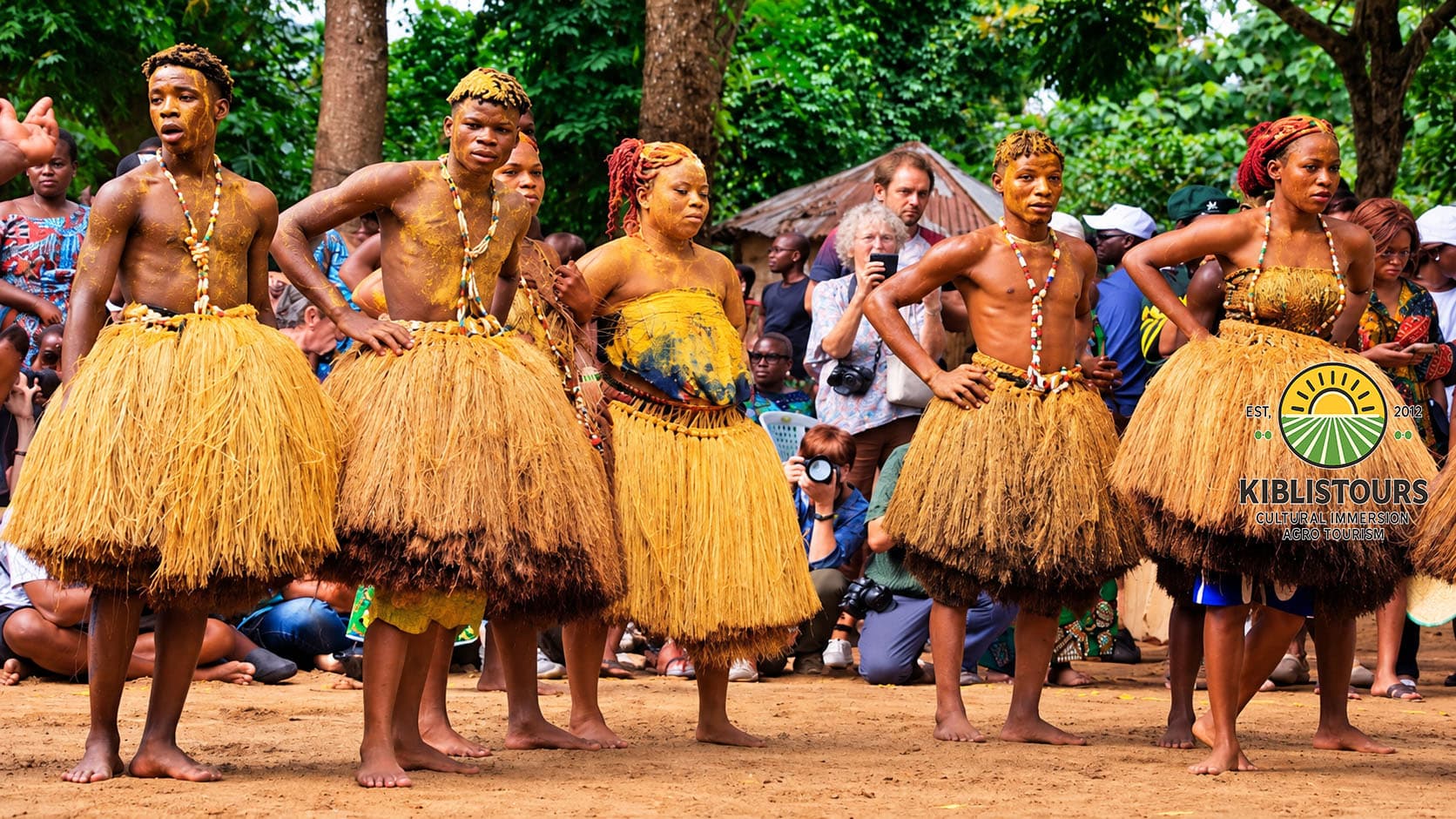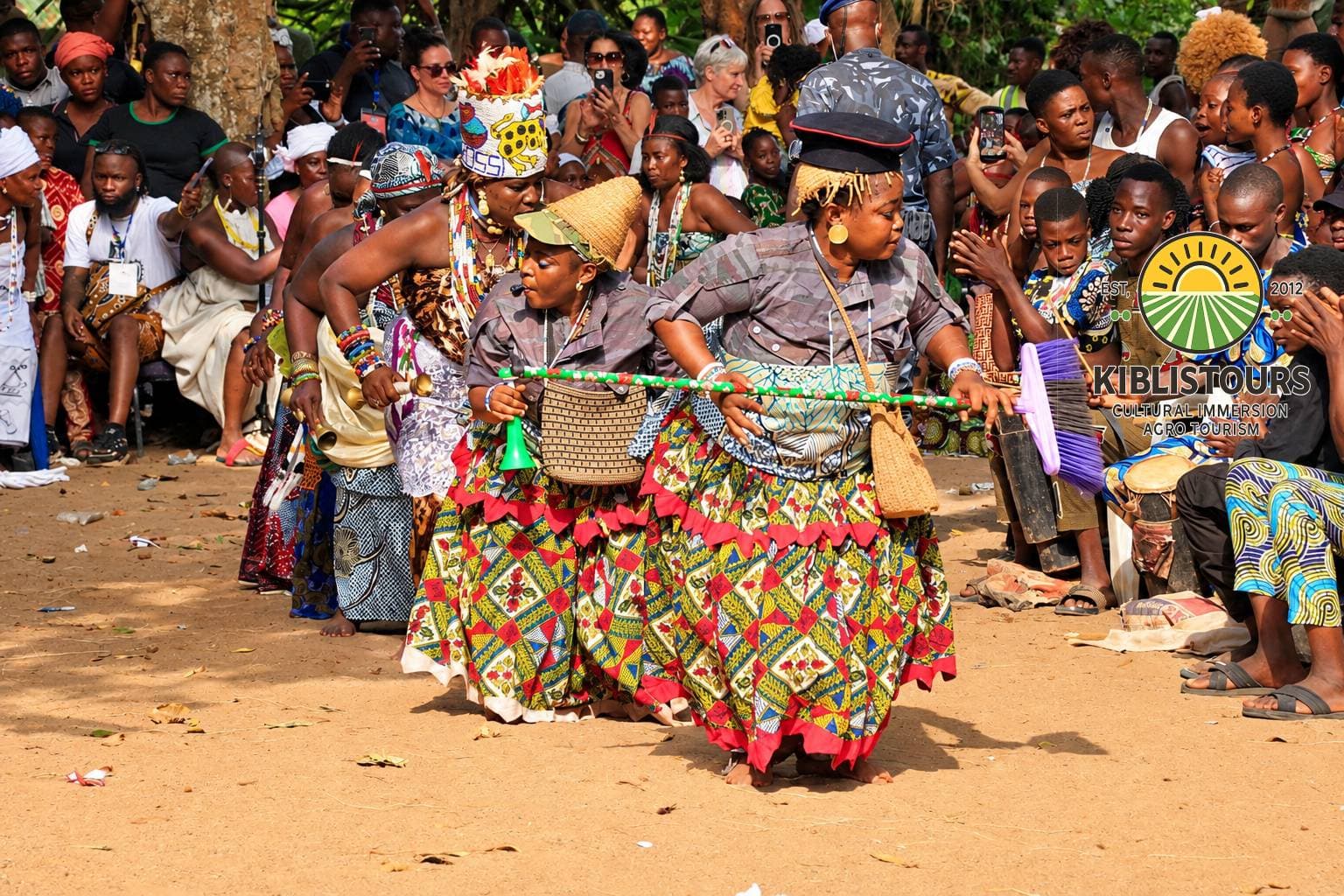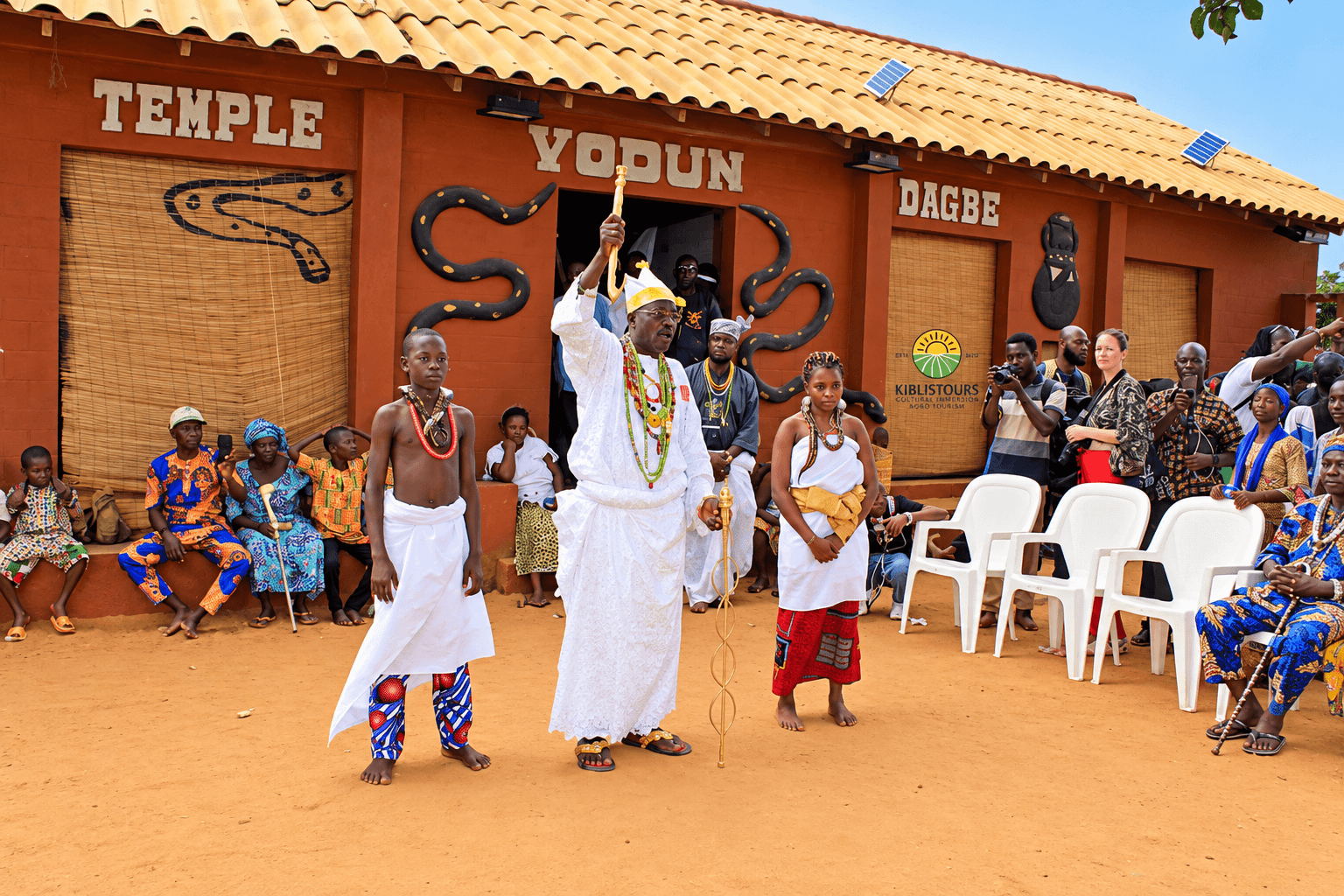
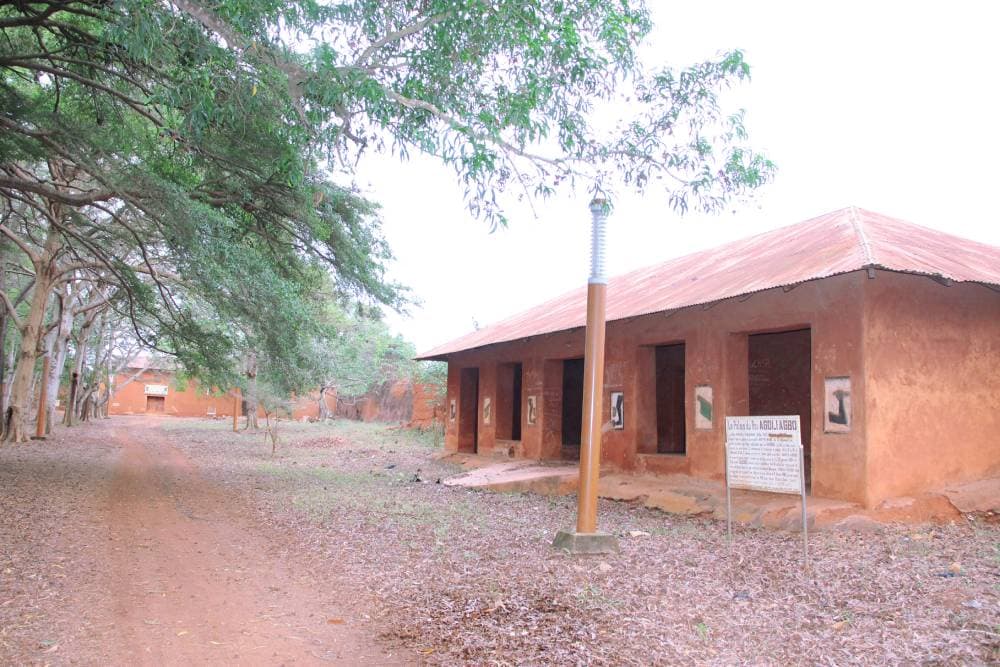
Experience a unique immersion into the history of the Kingdom of Danxomè
Visiting the Royal Palaces of Abomey, a UNESCO World Heritage Site, means stepping into one of the most remarkable chapters of African history.
Located in the heart of Benin, this exceptional historical site was once the capital of the powerful Kingdom of Danxomè, which dominated a large part of West Africa between the 17th and 19th centuries.
For more than 300 years, twelve kings ruled from Abomey, each building their own palace and leaving behind symbols, stories, and traditions that continue to fascinate historians, travelers, and culture enthusiasts today.
Exploring Abomey means discovering a living heritage, where every wall, courtyard, and bas-relief tells a story.
The Fascinating History of the Royal Palaces of Abomey
The Royal Palaces of Abomey were founded around 1645 by King Houegbadja, the founder of the Kingdom of Danxomè.
Over generations, successive kings expanded the site into a vast royal complex composed of:
palaces
ceremonial courtyards
temples
audience halls
royal altars
military spaces
residences for dignitaries
Each king had his own palace, decorated with symbolic bas-reliefs illustrating his achievements, conquests, and the values of the kingdom.
Among the most famous kings are:
Houegbadja, founder of the kingdom
Agadja, conqueror of the coast and architect of territorial expansion
Ghezo, reformer and organizer of the royal army
Glèlè, ruler during a period of cultural expansion
Béhanzin, the last independent king who resisted French colonization
Today, these palaces stand as powerful testimony to the political, social, and artistic sophistication of the kingdom.
A Unique Royal Architecture in Africa
The palaces of Abomey are distinguished by their traditional earthen architecture, perfectly adapted to the climate of the region.
The most remarkable features include:
The Royal Bas-Reliefs
The palace walls are decorated with colorful bas-reliefs depicting:
royal symbols
totemic animals
battle scenes
royal ceremonies
myths and beliefs of the kingdom
These bas-reliefs served as a visual historical language, allowing the history of the kingdom to be transmitted even to those who could not read.
The Royal Courtyards
Each palace includes a central courtyard where important events took place, such as:
official ceremonies
royal audiences
religious rituals
traditional celebrations
These spaces help visitors understand the organization of power and royal life within the kingdom.
The Dahomey Amazons: A Legendary Female Army
One of the most fascinating aspects of Abomey’s history is the existence of the Dahomey Amazons.
They were an elite military corps composed entirely of women, renowned for their courage, discipline, and combat skills.
These warriors were:
trained from a young age
rigorously prepared for battle
integrated directly into the royal army
The Amazons played a major role in defending the kingdom and impressed European explorers with their bravery.
Today, they have become a global symbol of the strength and resilience of African women.
The Abomey Historical Museum
Inside the palace complex lies the Abomey Historical Museum, which preserves numerous precious artifacts related to the kingdom.
Visitors can discover:
royal thrones
statues of kings
traditional weapons
scepters and symbols of power
ritual and ceremonial objects
sacred drums
These collections provide valuable insight into the political, military, and spiritual organization of the kingdom.
Why Visit the Royal Palaces of Abomey?
Today, the Royal Palaces of Abomey are among the most important cultural sites in West Africa.
A visit allows you to:
discover the history of a great African kingdom
understand the traditions of Danxomè
admire a unique royal architecture
explore a UNESCO-listed heritage site
experience authentic cultural immersion
For travelers passionate about history and culture, Abomey is an essential destination when visiting Benin.
Practical Information for Visiting Abomey
Location
Abomey is located about 135 km from Cotonou, approximately 2.5 to 3 hours by road.
Recommended Visit Duration
Half a day to a full day
Best Time to Visit
November to March, during the dry season.
Important Tip
It is highly recommended to visit with a cultural guide to fully understand the symbols and historical narratives of the site.