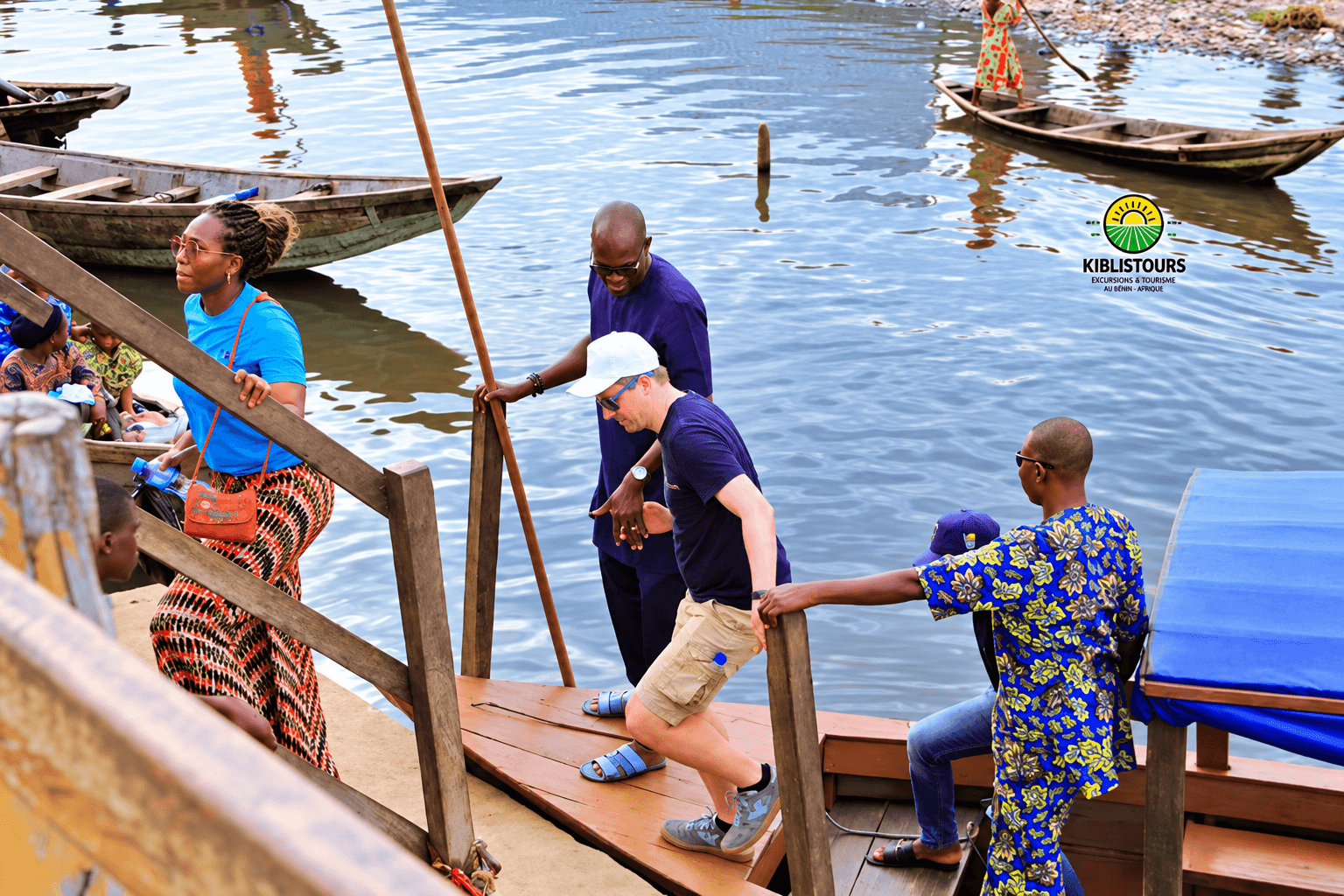
Benin Is Much More Than a Destination
Some destinations are places you visit. Others are places you feel deeply.
Benin belongs to the latter category. It is a country that does more than showcase its landscapes or monuments. It touches travelers through its stories, traditions, encounters, and the human warmth found everywhere, from major cities to the smallest villages.
When planning a trip, we often think about the places to discover, the photos to take, or the activities to enjoy. Yet those who return from Benin rarely talk only about the places they visited. Above all, they recall the people they met, the emotions they felt, the unexpected conversations, and the simple moments that gave their stay a special meaning.
At Kiblistours, we believe that a successful trip is not simply a list of monuments ticked off an itinerary. What truly matters are the memories that remain long after returning home.
That is why we favor immersive experiences that allow travelers to discover Benin in an authentic, personal, and respectful way.
Over the years, we have seen travelers arrive with curiosity and leave with a genuine attachment to Benin. This is probably what moves us most about our work.
What we particularly appreciate is the moment when a visitor stops being merely a tourist and becomes a genuine participant in local life. It is often at that very moment that the journey takes on an entirely different dimension.
Travel to Benin: A Unique Experience of Culture, History, and Emotion
Benin is often described as one of West Africa’s still little-known treasures.
Unlike some heavily visited destinations, the country has retained much of its authenticity. Here, traditions are not staged for visitors. They are simply part of everyday life. Ceremonies continue to shape the rhythm of community life, knowledge and skills are passed down from generation to generation, and the welcome remains deeply sincere.
Once home to the Kingdom of Dahomey, Benin has a remarkable historical heritage. Its history is connected to the great African kingdoms, the transatlantic slave trade, struggles for freedom, and the emergence of a culture that has influenced many regions of the world.
But Benin does not live solely through its past.
The country is moving forward, developing, and innovating. With its modern cities, community initiatives, cultural projects, and new forms of tourism such as agritourism, it now offers a diversity of experiences capable of satisfying every type of traveler.
Traveling to Benin is much more than a change of scenery or ticking must-see sites off a map. It means embarking on a journey in which each day reveals a new facet of the country, through history, traditions, nature, and human encounters. Behind every city, every village, and every landscape lies a story that helps visitors better understand the identity of a people whose heritage is as rich as it is alive.
It means following in the footsteps of the kings of Dahomey in Abomey, the former capital of a powerful kingdom that shaped the history of West Africa. As visitors explore the royal palaces listed as UNESCO World Heritage sites (UNESCO, World Heritage), admire the bas-reliefs depicting great battles, and discover the symbols of the different rulers, they immerse themselves in centuries of history. Every courtyard, every wall, and every object on display bears witness to the greatness of a civilization whose legacy continues to shape Benin's cultural identity.
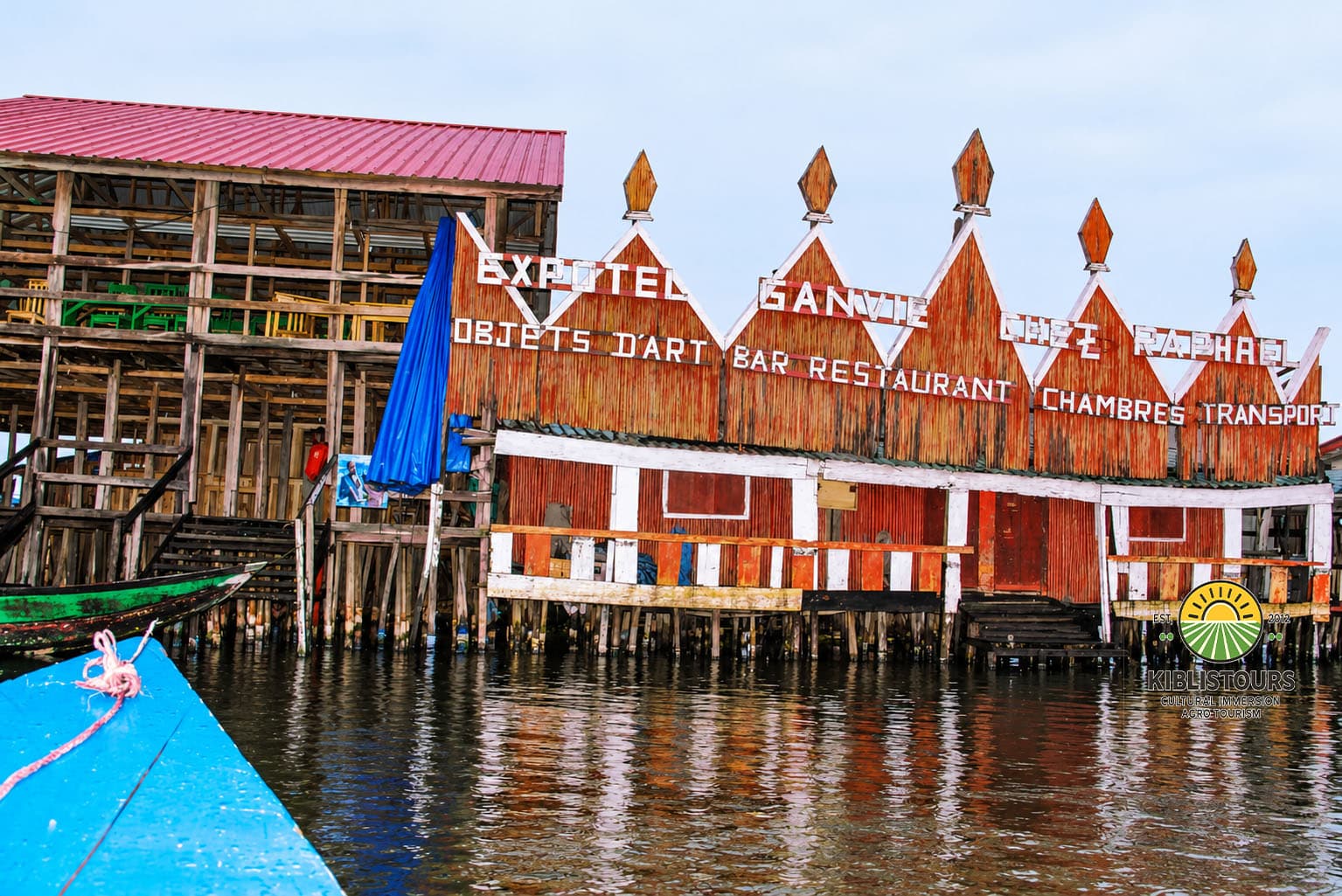
It means sailing through the heart of the lakeside village of Ganvié, often nicknamed the “Venice of Africa.” From the first strokes of the paddle, the pace of life changes completely. Houses on stilts seem to float above the water, dugout canoes replace cars, and floating markets come alive in the early hours of the day. Watching children travel to school by canoe, passing fishermen hauling in their nets, or seeing women traders exchange goods in the middle of the lake reveals a community that has lived in close harmony with its environment for centuries.
It means gazing at the Atlantic Ocean in Ouidah, where waves break against a coastline steeped in history and emotion. This emblematic city invites visitors to follow the Slave Route, discover the Door of No Return, memorial monuments, and the many places that bear witness to a painful period in human history. But Ouidah is also a city of cultural renewal, where Vodun traditions, art, spirituality, and local initiatives now help convey a message of remembrance, resilience, and hope.
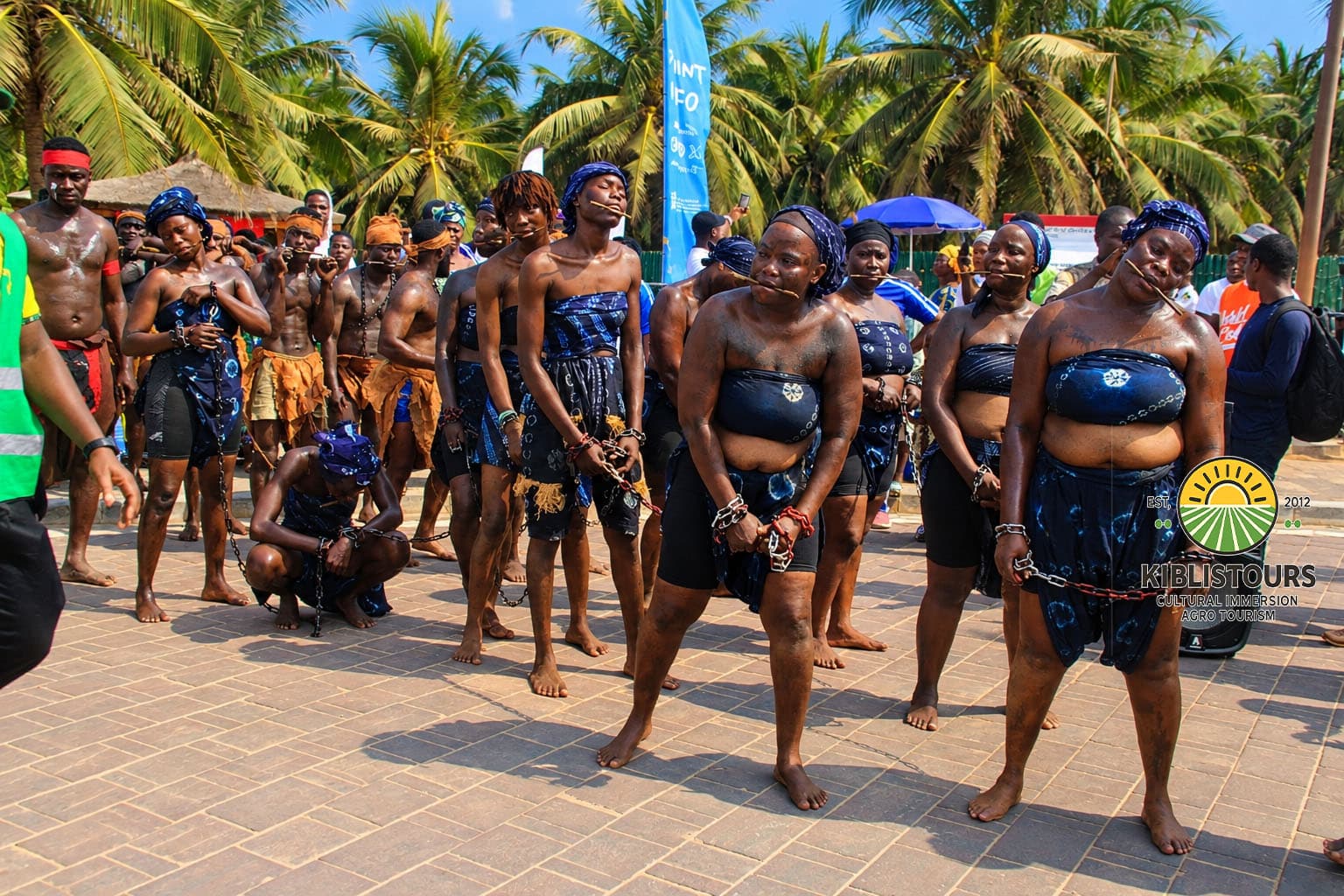
It means sharing a meal with a local family and discovering that Beninese hospitality goes far beyond a simple welcome. Around the table, conversations begin naturally, smiles quickly bridge language differences, and everyone takes pleasure in introducing the culinary specialties of their region. Tasting a dish prepared from family recipes, learning where the ingredients come from, or listening to stories told during the meal turns a simple lunch into a genuine moment of cultural exchange.
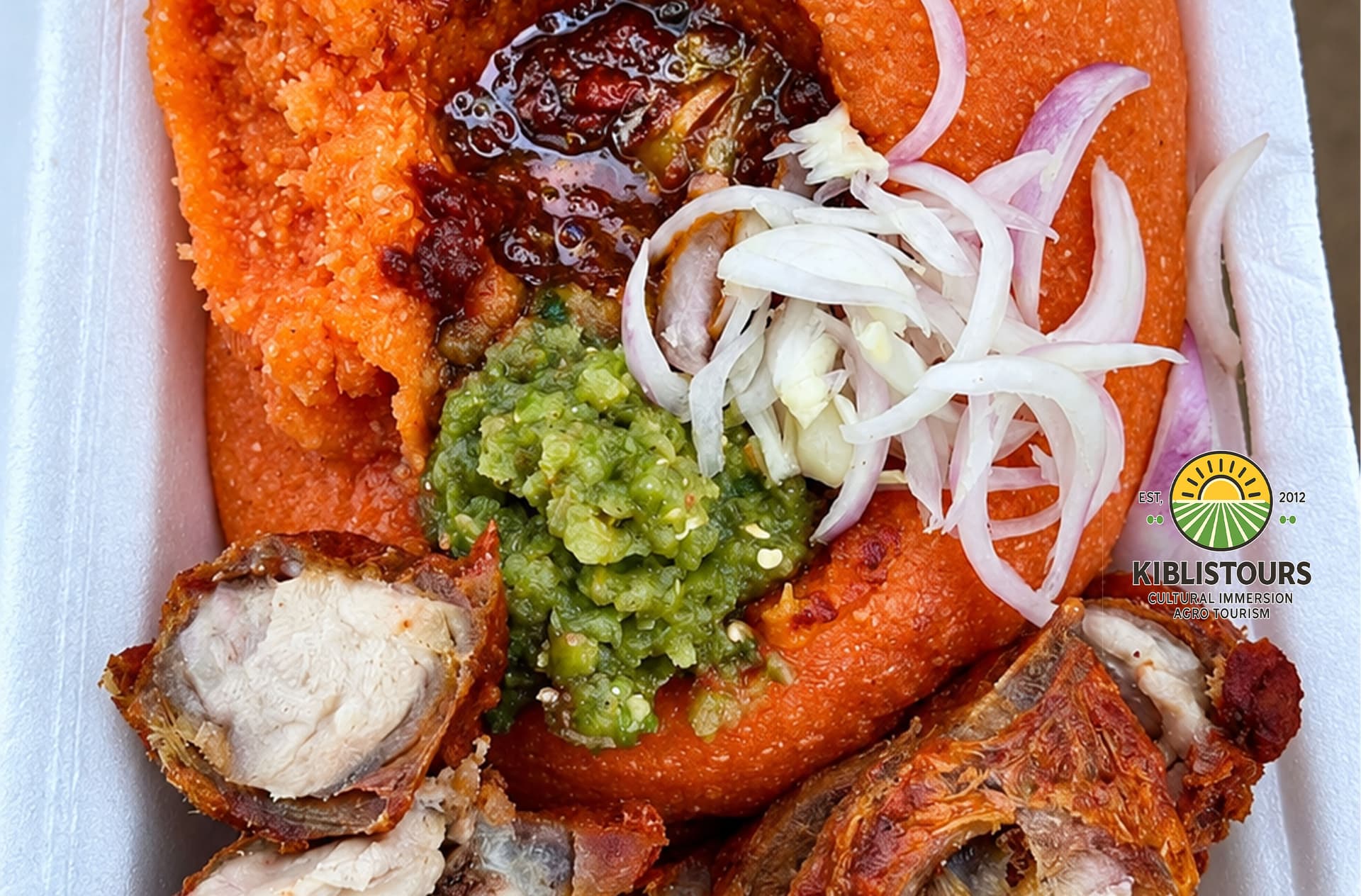
It means listening to stories passed down through generations, told passionately by guides, traditional chiefs, artisans, or ordinary residents proud of their heritage. These stories speak of ancient kingdoms, beliefs, customs, local heroes, traditional festivals, and the ways communities continue to preserve their heritage today. Very often, these exchanges give the places visited a special depth, because they help explain what monuments alone cannot tell.
Every day brings its own discoveries. A sacred forest at sunrise, a traditional market bursting with color, an artisan's workshop where ancestral techniques are still practiced, an agricultural plantation where producers explain their expertise, or a peaceful beach where time seems to stand still: each stop brings its own sense of wonder and reminds visitors that Benin is a country of many faces.
Every encounter leaves a mark. A smile exchanged with an artisan, a guide's kindness, explanations from a traditional dignitary, laughter shared with children, or the spontaneous generosity of a family met along the way often become the most precious memories of the journey. These moments of closeness are what give a journey of discovery its true value.
Every experience enriches the journey. As the miles pass, visitors discover not only new landscapes and sites; they also develop a deeper understanding of Beninese history, cultures, and traditions. They return with memories, but also with a different perspective on Africa, shaped by authentic encounters, sincere emotions, and experiences that continue to resonate long after their return.
Why Visit Benin?
Benin appeals equally to history enthusiasts, culture lovers, nature lovers, and travelers seeking authenticity.
This country offers a rare richness that makes it possible to experience several journeys in a single stay.
An exceptional historical heritage
Benin’s historical heritage ranks among the most important in West Africa.
For centuries, the territory was home to some of the region’s most powerful kingdoms. Even today, many sites offer a better understanding of the political, cultural and military organization that existed before the colonial period.
Among Benin’s most emblematic places, travelers encounter an exceptional heritage that tells a story spanning centuries of history, resistance, traditions and remembrance. Each site sheds a different light on the country’s identity and helps visitors better understand the richness of its cultural legacy.
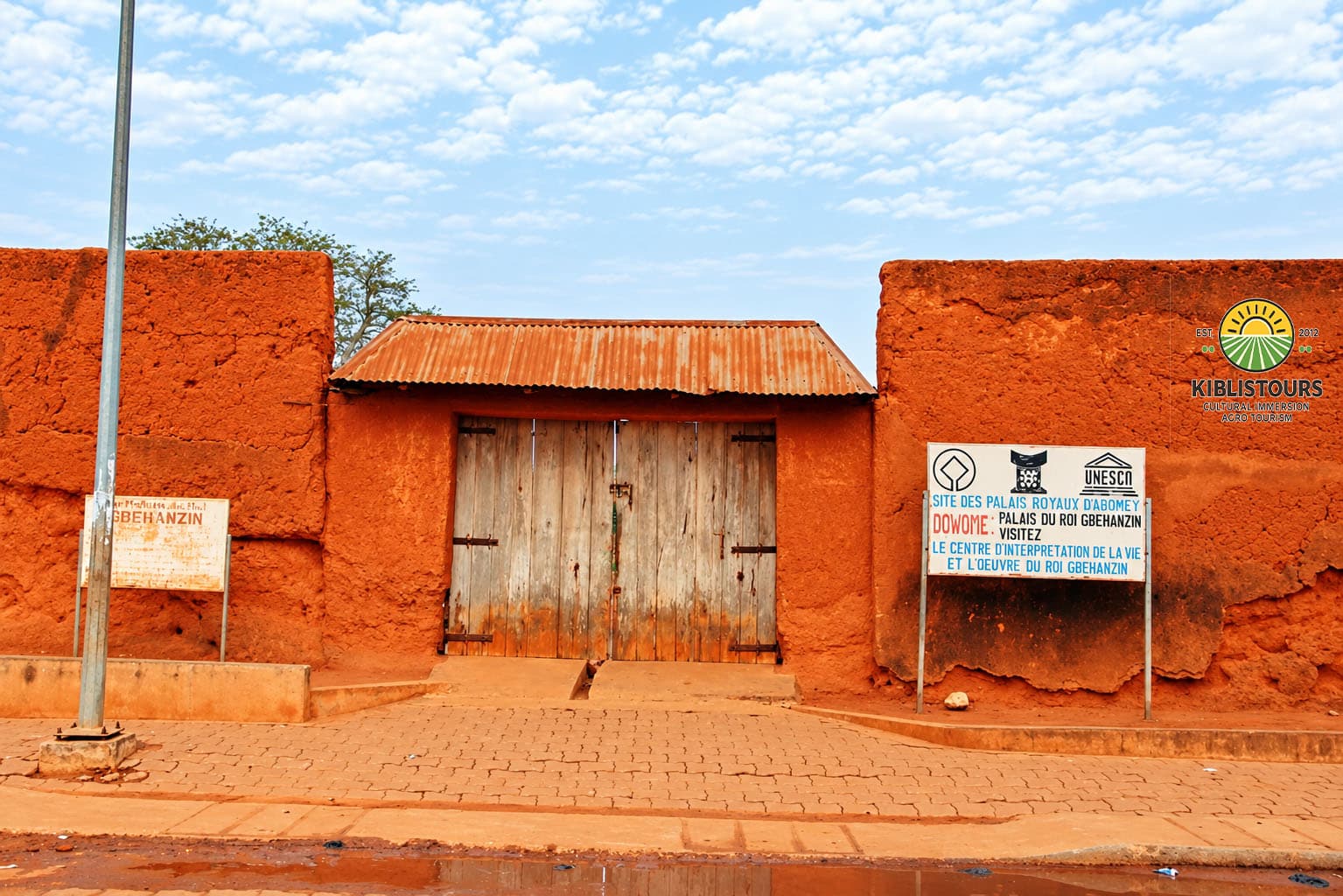
The Royal Palaces of Abomey (UNESCO) are among West Africa’s most remarkable historical treasures. Listed as a UNESCO World Heritage Site, they served for nearly three centuries as the seat of the powerful Kingdom of Dahomey. As visitors walk through their various courtyards, observe the famous bas-reliefs and discover carefully preserved royal objects, they enter the world of the rulers who shaped the country’s history. These palaces tell of great conquests, court traditions, royal symbols and the political organization of a kingdom whose influence extended far beyond the borders of present-day Benin.
The ancient sites of the Kingdom of Dahomey complement this historical immersion. They reveal the places where royal ceremonies took place, spaces devoted to religious practices, remains of old fortifications and several cultural sites that still bear witness to the power and sophistication of this civilization. With a guide, these places take on a completely different dimension, as every stone and every symbol reveals a story often unknown to visitors.
Museums devoted to national history provide a comprehensive view of Benin’s past and development. Through collections of ancient objects, works of art, archives, photographs, traditional costumes and thematic exhibitions, they help visitors understand the major periods that have shaped the country: the precolonial kingdoms, the colonial era, independence, and the many cultural expressions that continue to sustain Beninese identity. These places of discovery appeal both to history enthusiasts and to travelers curious to understand the country they are visiting.
Monuments connected with the slave trade, particularly in Ouidah, are places of immense historical and symbolic significance. Along the famous Slave Route, visitors follow the path once taken by thousands of men, women and children torn from their homeland before being deported to the Americas. Emblematic stops such as Chacha Square, the Tree of Forgetfulness, the Zoungbodji Memorial and the Door of No Return (Ouidah origins) invite profound reflection on this tragic chapter of world history while honoring the memory of its victims.
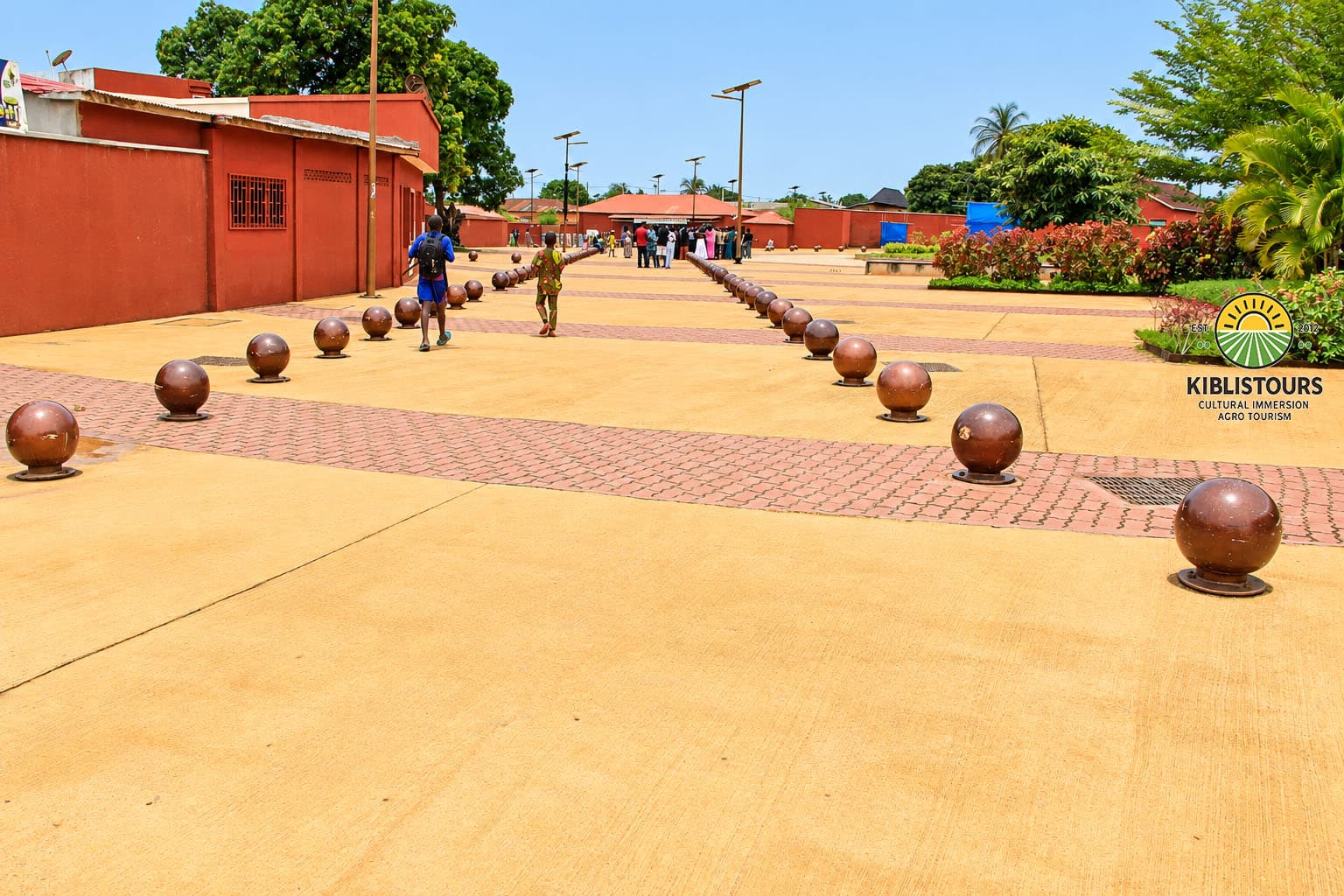
Places of remembrance throughout the country also remind us that Benin’s heritage is not limited to monuments. Sacred forests, royal squares, traditional temples, ancient historic villages, ceremonial sites and memorials bear witness to the richness of traditions, beliefs and intergenerational transmission. They show how communities continue to preserve their history, knowledge and cultural practices, making Benin a destination where the past continues to illuminate the present.
Beyond their historical interest, these various sites offer a profoundly human experience. They allow travelers to associate faces, stories and emotions with the events that shaped the country. Each visit thus becomes an opportunity to better understand Benin, its identity, its resilience and the extraordinary richness of its cultural heritage.
In Benin, history is not confined to books, archives or museum display cases. It is part of everyday life and continues to live through the women and men who pass down, from generation to generation, the stories, skills and traditions that shape the country's identity. Here, heritage is not frozen in the past: it remains deeply rooted in community life.
It is present in the stories told by elders, who take the time to share accounts of kingdoms, major historical figures, local customs and events that have marked their region. In the shade of a tree, in a family courtyard or during a guided tour, these testimonies bring the places being explored to life. They add a human dimension that no textbook can provide and allow visitors to understand history through those who have inherited it.
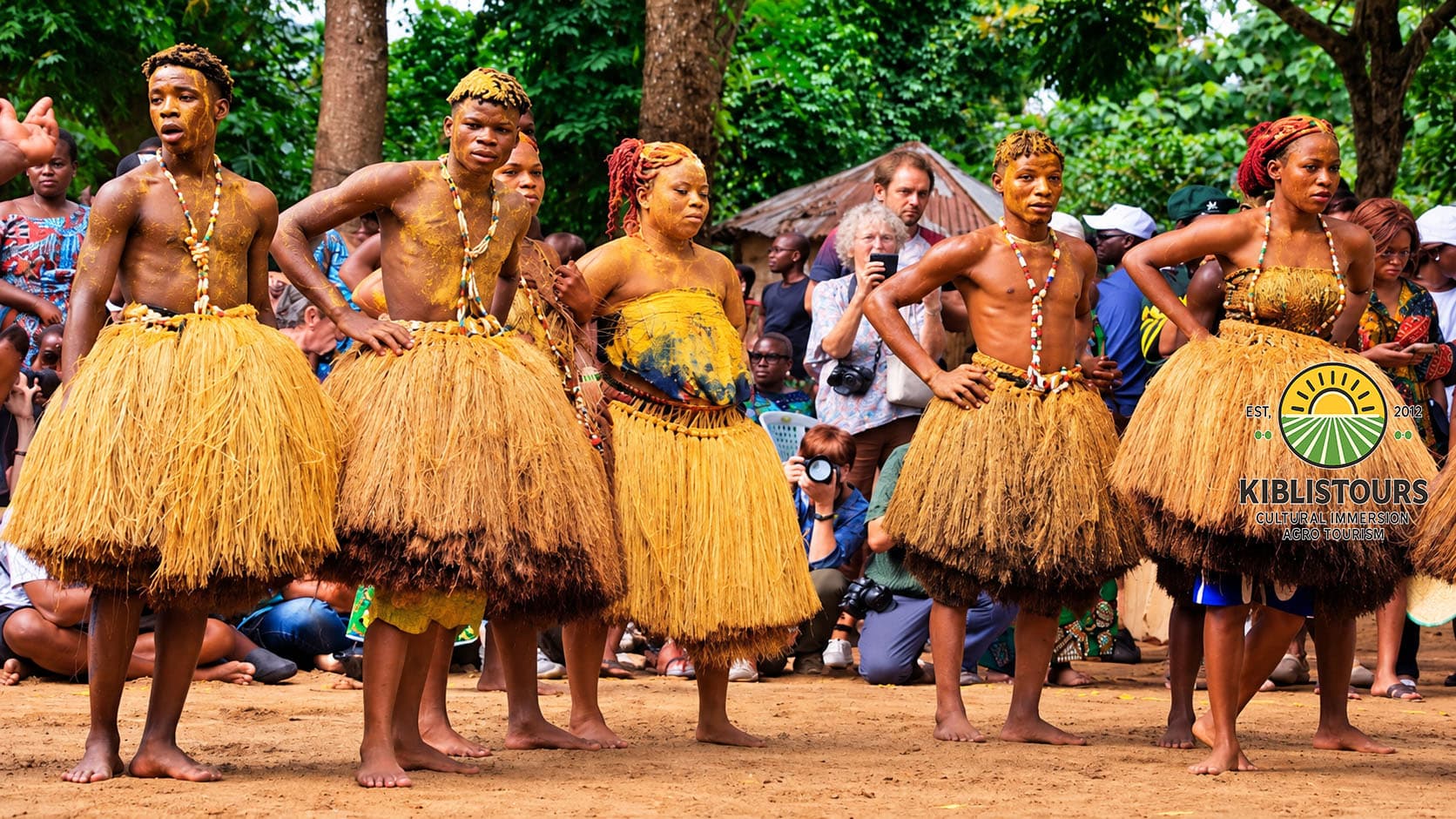
It is found in traditions, still proudly celebrated during festivals, ceremonies and cultural events. Dances, songs, drum rhythms, traditional clothing, rituals and artisanal skills each tell part of Benin's history. Far more than mere cultural displays, these traditions bear witness to a living heritage that continues to evolve while remaining faithful to its roots.
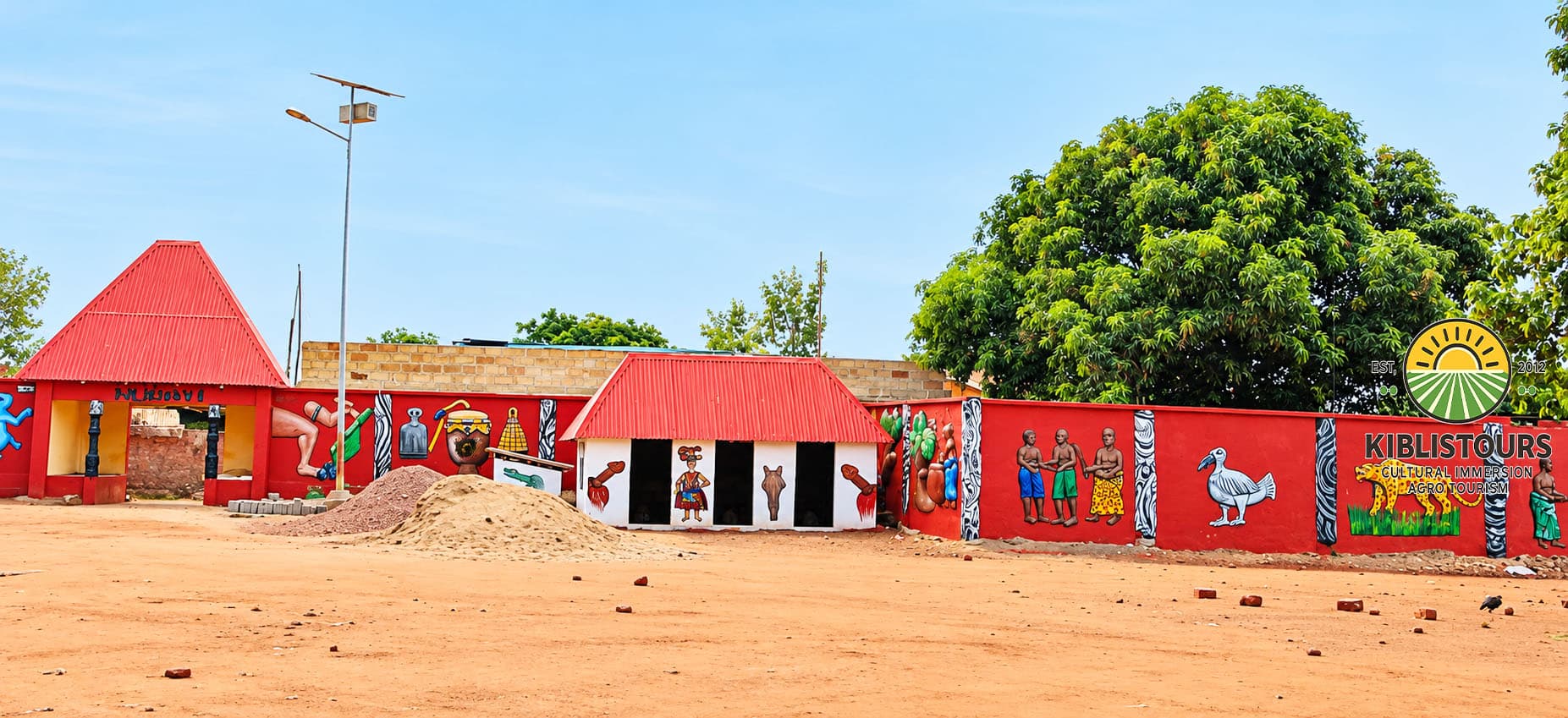
It is also expressed in architecture, where every old building tells the story of an era. The royal palaces of Abomey, the Afro-Brazilian houses of Ouidah and Porto-Novo, traditional temples, royal squares and lakeside villages such as Ganvié illustrate the country's historical and cultural diversity. Behind every façade, sculpture and decorative motif lie symbols, beliefs and stories that enrich the visit.
It continues to live through customs still practised today. In many localities, traditional ceremonies, rites of passage, spiritual practices, ancestral farming techniques and artistic crafts are still passed down and practised. Visitors thus discover a culture that does not merely preserve its past but brings it to life every day with authenticity and pride.
This closeness to history makes every discovery particularly memorable. In Benin, visitors do not simply look at a monument or listen to a guide: they interact with people who perpetuate a collective memory, take part in experiences that give meaning to the places visited and feel a genuine connection with the heritage. Every encounter, story and visit helps them better understand the country while leaving memories that go far beyond photographs. It is this immersion in a history that is still alive that makes Benin such a deeply authentic and unforgettable destination.
A spirituality unlike any other in the world
Benin is recognised worldwide as the birthplace of Vodun, a spiritual tradition that originated in West Africa and later spread to the Americas and the Caribbean over the course of history. Yet this cultural richness remains largely unknown, or even misunderstood, particularly because of the many inaccurate portrayals conveyed by certain films, novels and works of fiction.
In reality, Vodun is much more than a religious belief. It is a genuine philosophy of life, a system of thought and a cultural heritage that has shaped the identity of many Beninese communities for centuries. It rests on a worldview based on harmony between human beings, the forces of nature, ancestors and the spiritual world. It values respect for life, solidarity, the transmission of knowledge and balance between people and their environment.
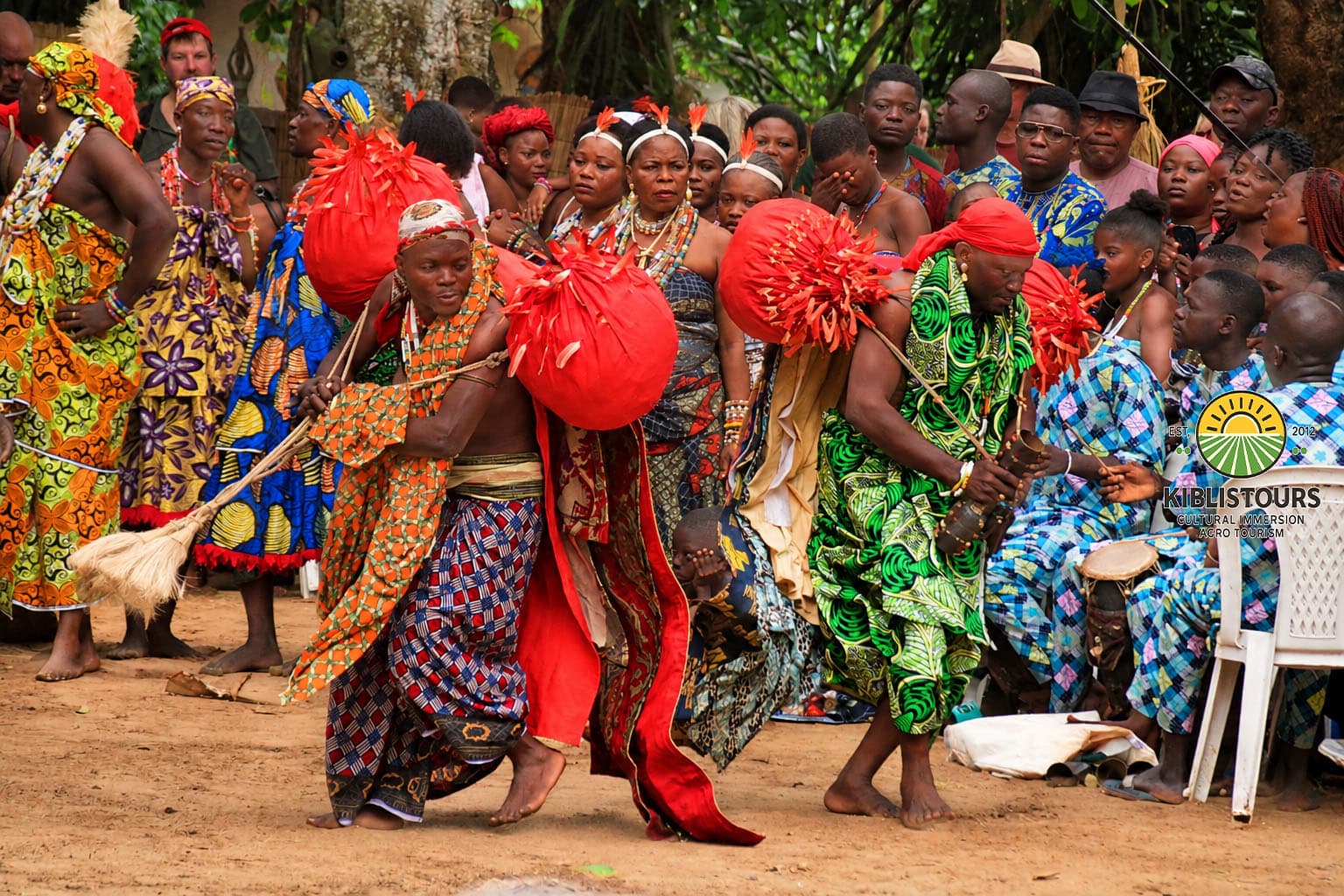
In Benin, this spirituality is an integral part of daily life for many families. It influences traditions, ceremonies, popular festivals, art, music, dance, artisanal practices and even certain aspects of social organisation. Discovering Vodun therefore means more than simply visiting a place of worship; it means entering a cultural world deeply rooted in the country's history and better understanding how communities maintain their connection with their intangible heritage.
In several regions of the country, particularly Ouidah, Porto-Novo, Abomey and many inland villages, visitors can discover places that bear witness to this spiritual and cultural richness.
They can visit Vodun temples, where different deities are honoured according to local traditions. These sacred spaces, often rich in symbolism, offer a better understanding of the foundations of this religion when explained by a qualified guide.
They can also observe traditional convents, where initiates are trained and ancestral knowledge preserved over generations is passed on. Although certain practices naturally remain reserved for community members, these places bear witness to the vitality of a tradition that is still very much alive.
The journey also leads to sacred places, such as forests, revered trees, ritual squares or natural springs to which local populations attach great spiritual importance. These sites recall the deep bond connecting Vodun to nature and environmental preservation.
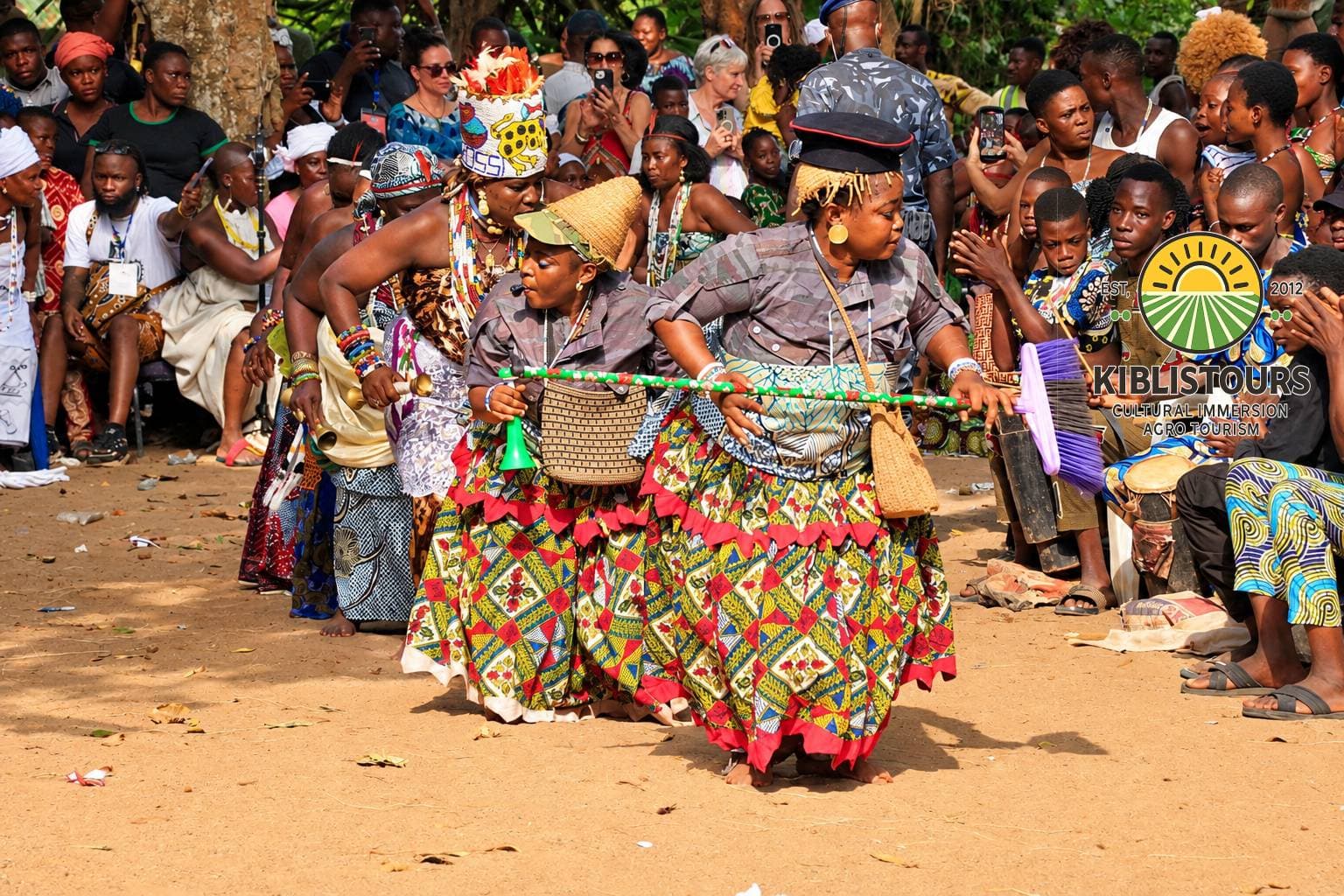
Depending on the time of year, and with the utmost respect for the communities concerned, travellers may also attend traditional ceremonies. Accompanied by songs, dances, drum rhythms and symbolic costumes, these celebrations express a living culture passed down from generation to generation. They are not organised as mere performances, but are above all moments of spirituality and community gathering, which visitors are invited to observe with discretion, open-mindedness and respect.
Through their encounters, visitors also discover ancestral practices still present in everyday life: the accounts of religious dignitaries, knowledge of medicinal plants, ritual objects made by specialist artisans and oral traditions explaining the origins of different deities and ceremonies. These exchanges make it possible to appreciate Vodun in all its complexity, far removed from the caricatures often circulated abroad.
For many travellers, this discovery is one of the most memorable moments of their stay in Benin. It offers a rare opportunity to approach a spiritual tradition in its original context, talk with those who practise it and move beyond prejudices towards a more accurate understanding of this culture.
I still remember a group of travellers who, after attending a traditional ceremony in Ouidah, spent a long time talking with the guide and those responsible for the site. Before arriving, several of them associated Vodun with sensationalist images seen in films. Questions quickly multiplied: why these songs? What do the drums mean? What role do ancestors play in this spirituality? As the answers came, their perspective changed. As they left, one of the women confided in me: ‘I thought I was going to discover a mysterious religion; above all, I discovered a culture founded on respect, transmission and the relationship between human beings and nature.’ This sentence perfectly sums up what many visitors experience: they arrive with preconceived ideas and leave with a much deeper understanding, as well as immense respect for a tradition that is one of the essential components of Benin's soul.
An Unforgettable Human Experience
If there is one treasure that all visitors talk about after their trip, it is undoubtedly the people of Benin.
Local people are often described as welcoming, warm and deeply kind.
There are many opportunities to connect with others.
A simple walk through a neighbourhood can lead to a spontaneous conversation.
A stop at a market can turn into a moment of sharing.
A visit to a village may lead to an invitation to discover a family’s everyday life.
These unexpected moments often become the most beautiful memories of the trip.
Over the years, we have heard many visitors tell us that it was the human encounters that made their stay exceptional.
And after accompanying so many travellers, we wholeheartedly share that view.
A Destination Still Preserved from Mass Tourism
While some destinations welcome millions of visitors every year, Benin still retains an authenticity that has become rare.
The sites remain accessible.
Interactions remain natural.
Traditions continue to exist for their own sake, and not solely for tourists.
This authenticity is now attracting more and more international travellers.
Many are now looking for genuine experiences, far from standardised tours and artificial attractions.
Benin meets this expectation perfectly.
Here, the experience remains profoundly human.
Why Is Benin Attracting More and More International Travellers?
For several years, Benin has been attracting growing interest from travellers from Europe, North America, the Caribbean, Africa and other parts of the world. Long overlooked by major international tourist circuits, the country is gradually establishing itself as an essential cultural destination for those who wish to enjoy a different, more authentic and more human experience.
This change is no coincidence. It is part of a broader transformation in travellers’ expectations. Today, more and more people no longer want simply to visit a country or collect photographs in front of famous monuments. They are looking for meaningful experiences that help them better understand the places they travel through and build a genuine connection with local communities. Travel becomes an opportunity to learn, share and experience emotions that leave a lasting impression.
Visitors want to understand the cultures they encounter rather than observe them from a distance. They want to learn the history of places, discover the traditions that shape everyday life, and understand beliefs, customs and skills passed down through generations. This curiosity now goes beyond ordinary sightseeing: it reflects a desire for immersion and exchange.
They also want to meet local people. Conversations with an artisan, exchanges with a passionate guide, a meal shared in a local home or a demonstration of traditional farming techniques are often among the most memorable moments of a stay. These encounters put a human face on the country and allow travellers to discover Benin through the people who bring it to life every day.
Travellers also seek experiences that leave a lasting impression. They favour memories built around emotions, encounters and discoveries rather than simple tourist consumption activities. Attending a traditional ceremony, travelling through lakeside villages, exploring the royal palaces of Abomey, discovering Vodun traditions or exploring the country’s natural landscapes are all experiences that often stay with visitors long after they return home.
Benin meets precisely these new expectations. Its thousand-year history, exceptional cultural heritage, living traditions, diverse landscapes and the warm welcome of its people provide an ideal setting for more responsible, more immersive and deeply enriching tourism. Here, every journey becomes a succession of discoveries that help visitors better understand not only the country, but also the women and men who preserve its heritage.
The country also has a remarkably rich heritage that remains relatively little known on the international tourism scene. From UNESCO World Heritage-listed royal palaces and historic cities to lakeside villages, Vodun spiritual traditions, coastal beaches, sacred forests, traditional markets and countless artisanal skills, Benin brings together a diversity of sites and experiences rarely found in a territory of this size.
For many visitors, coming to Benin also means venturing beyond conventional tourist routes. Far from overcrowded destinations, they discover a country where authenticity is ever-present and interactions with local people happen naturally. This feeling of discovering a destination that remains unspoilt is often one of the most appreciated aspects of the journey.
At the same time, tourism infrastructure is constantly evolving. The sector is developing gradually, with a commitment to welcoming visitors better while preserving the cultural identity and authentic character that make the country unique. This progress helps improve travellers’ comfort without compromising the experiences on offer.
Accommodation options are becoming more varied year after year. Charming hotels, upscale establishments, family-run guesthouses, lodges surrounded by nature and ecotourism accommodation now cater to a wide range of travellers, whether they seek comfort, immersion or a combination of both.
Tourist circuits are also improving in quality. They are increasingly well structured, offer more personalised experiences and showcase the country’s cultural, historical and natural treasures in greater depth. Travellers now have itineraries tailored to their interests, whether in heritage, agritourism, nature, gastronomy or remembrance tourism.
Professional guides also play an essential role in this improvement in quality. Thanks to their in-depth knowledge of history, traditions and local realities, they do more than comment on the sites visited: they tell stories, facilitate encounters and enable visitors to enjoy truly immersive experiences. Their guidance often transforms a simple visit into a much richer human and cultural discovery.
Finally, tourism services are becoming increasingly professional. Specialist agencies develop tailor-made tours, transport is becoming more comfortable, booking tools are being modernised and support for travellers is improving at every stage of their stay. This progress strengthens international visitors’ confidence and contributes to Benin’s positive image as an emerging tourist destination.
It is precisely this combination of the authenticity of a heritage that remains preserved and the growing professionalism of tourism operators that attracts an ever-increasing number of travellers. Benin now offers a rare balance: a country where deeply human experiences can be enjoyed alongside a level of service that meets international visitors’ expectations. For many, this combination makes all the difference and explains why those who discover Benin often leave wanting to return or to share this still little-known destination with their loved ones.
A History That Deeply Moves Visitors
Benin’s history often evokes powerful emotions.
Through stories of kingdoms, memorial sites linked to the slave trade and traditions that remain alive today, visitors discover an essential part of African and world history.
Many arrive with limited knowledge of the country.
They leave with a much richer and more nuanced understanding of its role in history.
Some sites leave a particularly lasting impression.
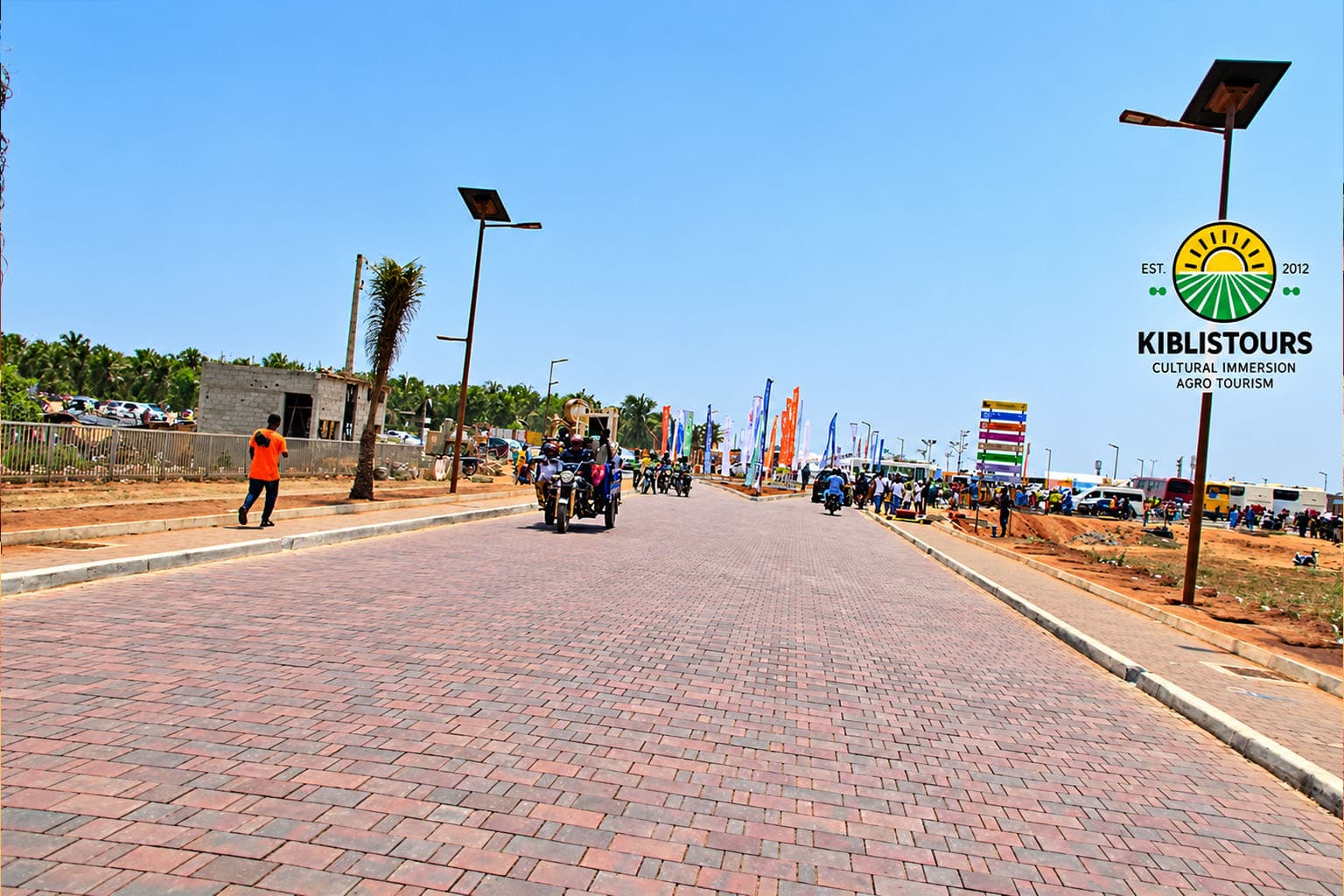
In Ouidah, the Slave Route offers a deeper understanding of one of the most painful periods in human history.
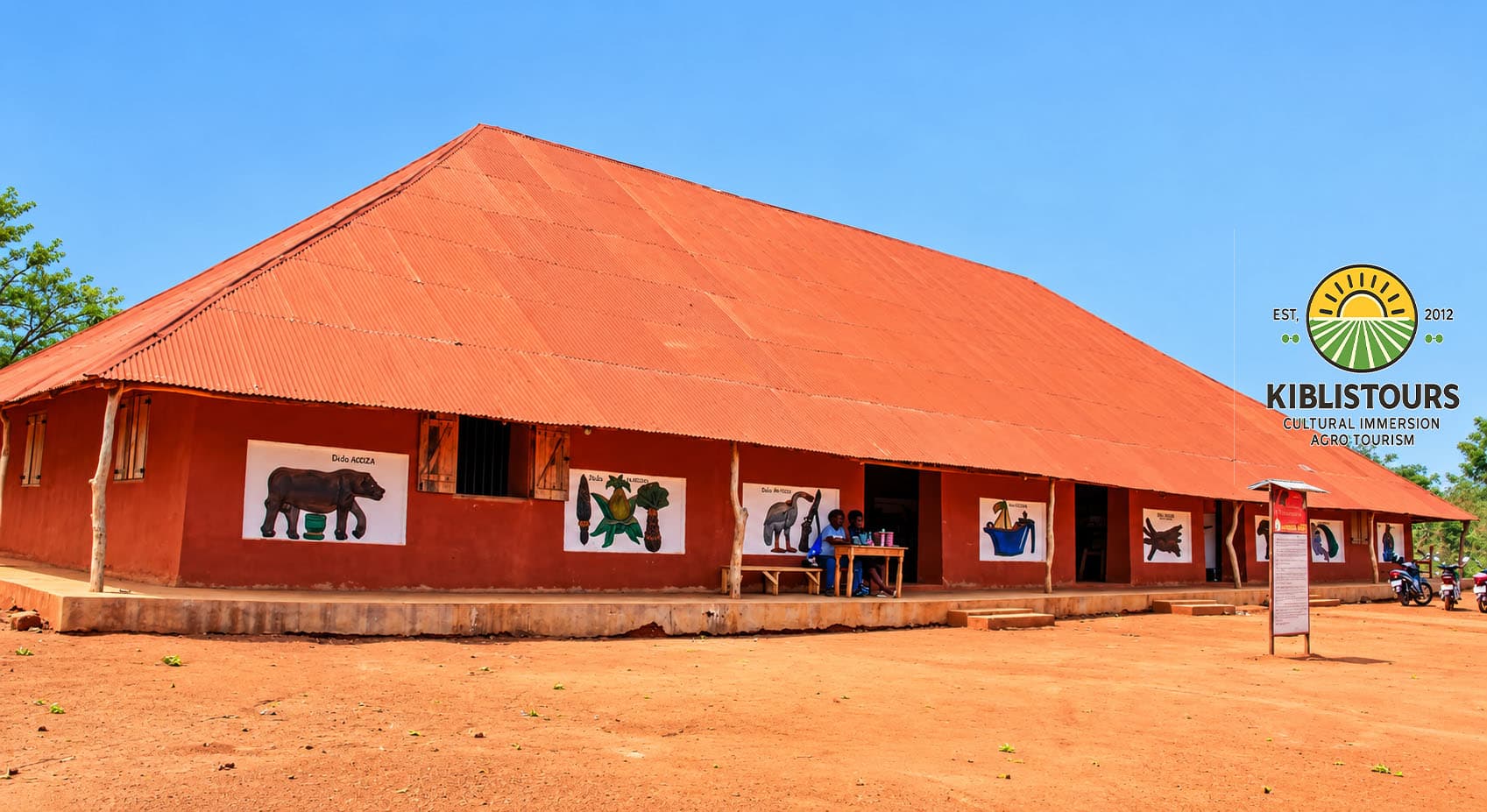
In Abomey, the royal palaces tell the fascinating story of a kingdom that profoundly influenced the region.
These visits are not merely educational.
They invite reflection.
They give a human face and tangible reality to events that shaped the modern world.
Many travellers often tell us that certain visits moved them far more deeply than they had imagined before arriving.
The Kingdom of Dahomey and the Legacy of the Amazons
It is impossible to speak of Benin without mentioning the Kingdom of Dahomey.
For several centuries, this kingdom was one of the major powers in West Africa.
Its political organisation, military strength and cultural wealth continue to fascinate historians and visitors alike today.
One of the most famous symbols of this history remains the Amazons of Dahomey (Ouidah origins).
These women warriors formed an elite unit renowned for its discipline, courage and dedication.
Their history still inspires respect and admiration.
Their legacy remains visible in numerous contemporary cultural initiatives and helps make Benin a land of remembrance, resilience and pride.
For many visitors, discovering this chapter of history is one of the most memorable moments of their journey.
It provides a deeper understanding of the roots of modern Benin and the richness of its cultural heritage.
What to Do in Benin? Must-Visit Destinations
One of Benin’s greatest assets is the diversity of experiences it offers.
In just a few days, you can explore a former royal capital, navigate through a village built on water, discover places steeped in history, relax on still-unspoiled beaches or share in the daily lives of local communities.
Each region has its own identity.
Each destination tells a different story.
It is this richness that makes Benin a particularly popular destination among travellers seeking culture, heritage, human encounters and authentic immersion.
Abomey: At the Heart of the Kingdom of Dahomey
If there is one city that embodies Benin’s historical grandeur, it is undoubtedly Abomey.
The former capital of the Kingdom of Dahomey, this emblematic city is now one of the most important historical centres in West Africa.
From the very first moments, visitors feel the weight of history.
Royal symbols, accounts of sovereigns, traditions that remain alive and historical monuments recall the considerable influence the kingdom exerted throughout the region.
In Abomey, the past is not frozen in time.
It continues to live on through collective memory and traditions passed down from generation to generation.
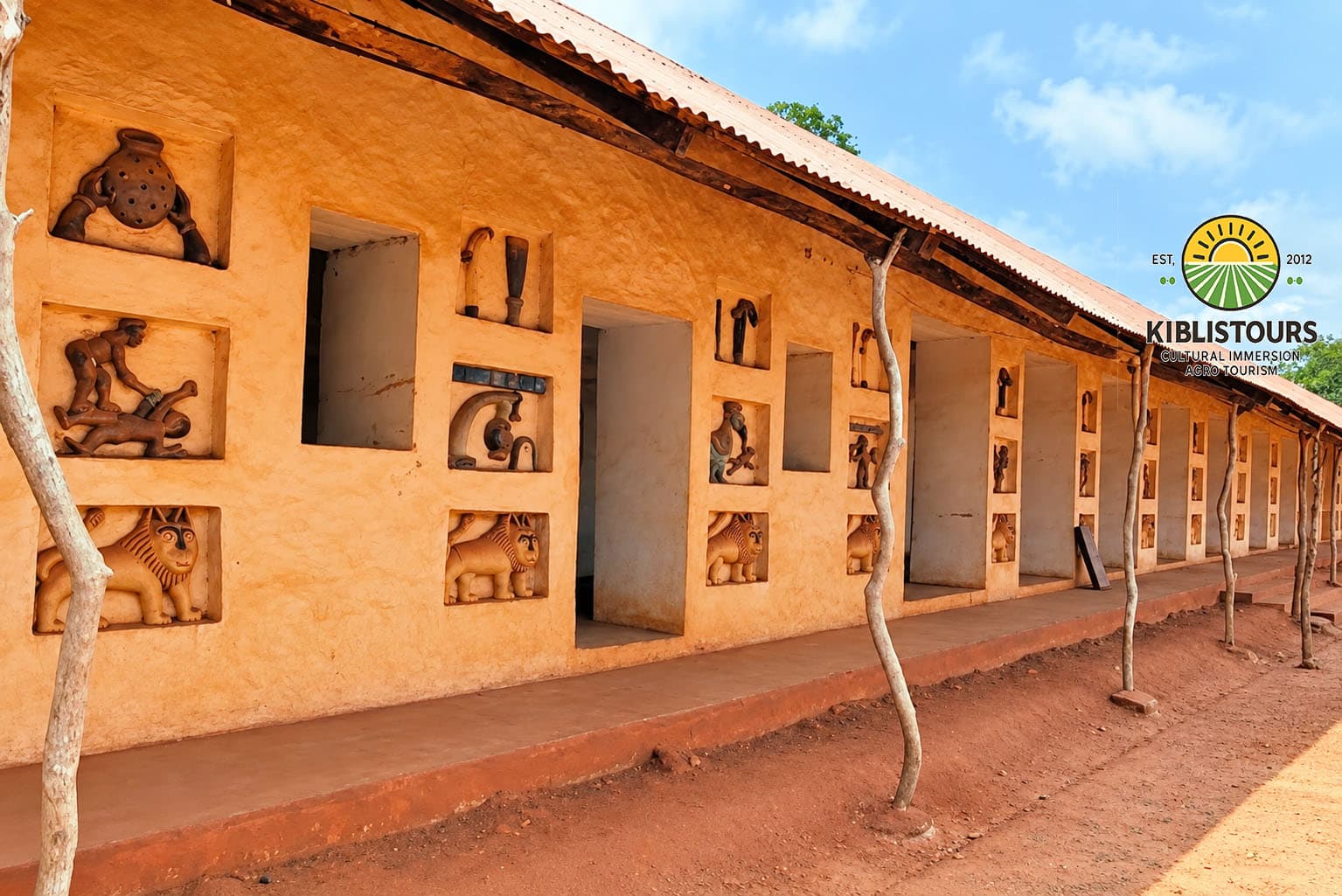
The Royal Palaces of Abomey
The royal palaces are the city’s principal historical treasure.
Listed as a UNESCO World Heritage Site, they form an exceptional complex of buildings constructed by the different sovereigns of the Kingdom of Dahomey.
Each king had his own palace built to reflect his reign, symbols and achievements.
A visit to the Royal Palaces of Abomey offers a true immersion in several centuries of African history. Far more than a mere collection of old buildings, the site tells the story of the rise, organisation and influence of the powerful Kingdom of Dahomey, which shaped West African history between the seventeenth and nineteenth centuries. Accompanied by a guide, visitors gradually discover how the sovereigns governed their kingdom, administered their territories, organised their army and maintained diplomatic relations with neighbouring peoples as well as foreign powers.
As the tour unfolds, each space visited sheds new light on life at the royal court and the workings of this monarchy, whose influence extended far beyond the borders of present-day Benin.
Visitors first discover the royal courtyards, vast spaces where official audiences, public ceremonies, military gatherings and the kingdom’s major celebrations took place. These courtyards formed the heart of Abomey’s political and social life. Walking through them today, it is still possible to imagine the excitement that once filled them during major festivals or diplomatic meetings.
They then explore the ceremonial halls, where royal rituals, councils of the kingdom and ceremonies marking major events in political life were held. Each hall had a very specific function and reflected the central role of traditions in the exercise of power. Guides’ explanations help visitors better understand the protocols, symbols and rites that shaped court life.
The tour also offers the opportunity to admire numerous carefully preserved historical objects. Royal thrones, weapons, ceremonial garments, statues, ritual objects, musical instruments, jewellery and handicrafts each tell part of the kingdom’s story. These collections provide a tangible insight into the craftsmanship of the artisans of the time and the artistic refinement that characterised the court of the kings of Dahomey.
Throughout the visit, symbols of royal power also appear, ever-present in the architecture and decoration of the palaces. The famous bas-reliefs, emblems specific to each sovereign, sculptures and decorative motifs are never mere ornaments. They recount the kings’ exploits, qualities, victories and the values they wished to pass on to their people. Each symbol has a particular meaning that the guides take time to explain to visitors.
Travellers also discover accounts of the great conquests that helped make the Kingdom of Dahomey one of the region’s major powers. Stories of sovereigns such as Ghezo, Glele and Behanzin illustrate periods of expansion, military strategies, political alliances and resistance to colonisation. These accounts place the kingdom within the broader context of African history and help visitors better understand its regional influence.
Finally, the visit highlights the traditions of the Dahomean monarchy, several aspects of which remain part of Benin’s cultural heritage today. Rules of succession, royal ceremonies, ceremonial protocols, the duties of dignitaries, the role of the Amazons of Dahomey and the many customs associated with the court attest to a particularly elaborate political and social organisation.
Beyond the monuments and objects on display, this visit above all offers a better understanding of the richness of a civilisation that profoundly shaped Benin’s history. It gives visitors a different perspective on African history, highlighting the complexity of precolonial kingdoms, their institutions, culture and heritage. Many leave feeling they have discovered a part of world history that remains far too little known, despite its considerable importance.
Every detail tells part of the kingdom’s story.
The bas-reliefs, royal emblems and preserved objects provide a better understanding of the political, military and cultural organisation that existed long before the arrival of colonial powers.
For many travellers, this discovery is a genuine revelation.
I often notice the same reaction among visitors: they suddenly realise that African history is far richer, more complex and more fascinating than they had imagined before arrivi
The Amazons of Dahomey
Abomey is also the ideal place to discover the extraordinary history of the Amazons of Dahomey.
These women warriors formed an elite military unit unlike any other in the world.
Their reputation extended far beyond the kingdom’s borders.
They were renowned for their exceptional discipline, courage in battle and loyalty to the sovereign.
For a long time, they were one of the most respected military forces in the region.
Their story continues to inspire visitors from around the world today.
Through guides’ accounts, historical testimonies and symbols still visible in the city, travellers discover a fascinating chapter of African history.
Their legacy remains deeply rooted in Benin’s national identity.
They symbolise the strength, determination and resilience of a people.
A French traveller admitted to the Kiblistours team that she had been completely unaware of the existence of the Amazons of Dahomey before arriving in Benin. At the end of the visit, she told us that this discovery had changed her perception of African history and the role of women in the world’s great civilisations.
A City That Tells the Story of Precolonial Africa
For many international visitors, Abomey is a gateway to an African history that is often little taught elsewhere in the world.
Long before colonisation, Africa already had great kingdoms that were organised, prosperous and influential.
The Kingdom of Dahomey is one of the most remarkable examples of the political and cultural history of precolonial Africa. For nearly three centuries, it developed a particularly structured state organisation, strong central authority, an effective administration and a cultural identity that continues to influence contemporary Benin today. A visit to Abomey reveals a sophisticated civilisation that often challenges preconceived ideas about the history of the African continent.
As they explore the former royal palaces, ceremonial courtyards and historical spaces, visitors understand that the Kingdom of Dahomey was not based solely on its military power. It also had a complex political, economic, religious and social organisation, comparable to that of many great civilisations of its time.
The visit offers a better understanding of the traditional systems of governance that structured the kingdom. The king exercised supreme authority, but he was surrounded by advisers, high dignitaries, administrative officials and chiefs responsible for different functions. Precise rules governed decision-making, territorial administration, tax collection, justice and diplomatic relations. This organisation demonstrates genuine political expertise that enabled the kingdom to prosper for several centuries.
Visitors also discover the military organisation that contributed greatly to the Kingdom of Dahomey’s reputation. The army was particularly disciplined and structured, with specialised units, a clearly defined hierarchy and strategies adapted to the realities of the time. The famous Amazons of Dahomey, an exclusively female elite corps, illustrate this historical distinction. Their courage, rigorous training and strategic role continue to fascinate historians and travellers alike.
The tour also highlights the trade that made the kingdom an important player in regional economic networks. The markets of Abomey welcomed traders from different parts of West Africa. Agricultural products, fabrics, handicrafts, metals, salt, spices and many other goods were exchanged there. These commercial activities contributed to the kingdom’s economic development and strengthened its relations with neighbouring peoples.
Discovering Abomey also offers a better understanding of the religious beliefs that occupied an essential place in the kingdom’s life. Important decisions, royal ceremonies, traditional festivals and many aspects of daily life were deeply connected to spiritual practices. Deities, ancestors and rituals were an integral part of the organisation of power and social cohesion. This spiritual dimension helps visitors better grasp the cultural foundations that continue to influence present-day Benin.
Finally, travellers explore the social structures of the time, characterised by a complex organisation of responsibilities and functions. The royal court brought together sovereigns, dignitaries, artisans, priests, warriors, merchants and representatives of different communities. Each group played a specific role in the functioning of the kingdom, illustrating a society organised around rules, skills and traditions passed down from generation to generation.
As the visit unfolds, many realise that the Kingdom of Dahomey had solid institutions, an effective administration, a rich cultural life and a sophisticated political vision. This discovery often calls into question certain simplified representations of African history, which have long underestimated the richness of precolonial civilisations.
I remember a Canadian traveller who, as he left the Royal Palaces of Abomey, confided in me: “At school, I was taught a great deal about the kingdoms of Europe, but almost never about those of Africa. Today, I realise that my understanding of history was very incomplete.” This reflection comes up frequently among visitors. By discovering Abomey, they are not merely visiting a historical site: they are rediscovering an essential part of world history and leaving with a profoundly renewed perspective on the African continent, its heritage and the great civilisations that shaped it.
It gives them a more complete and nuanced understanding of its history.
On some tours, visitors even extend their visit simply because they wish to explore further what they have just learned.
It is one of the cities that arouses the greatest curiosity and emotion during a trip to Benin.
Would you like to visit Abomey?
Contact Kiblistours immediately for a unique and unforgettable experience.
Ganvié: The Venice of Africa
Among all the destinations in Benin, Ganvié is undoubtedly one of the most spectacular.
Located on Lake Nokoué, this lakeside village is often nicknamed “the Venice of Africa”.
But once there, visitors quickly realise that Ganvié is much more than a simple comparison with another famous destination.
It is a place unlike any other in the world.
A place where water is an integral part of everyday life.
A place where an entire community has developed a distinctive way of life passed down through several generations.
A Village Built on Water
Ganvié consists of thousands of homes built on stilts.
For centuries, its inhabitants have lived to the rhythm of the lake.
Here, almost everything takes place on the water.
People travel mainly by canoe.
Children go to school by boat.
Traders transport their goods across the lake.
Fishermen leave their homes at dawn to reach their fishing grounds.
This way of life immediately impresses visitors.
It demonstrates a remarkable ability to adapt.
Every canoe trip offers a new perspective on this exceptional community.
Visitors discover:
Houses on stilts;
Floating schools;
Places of worship;
Traditional boats;
Fishing activities;
Markets set up on the water.
The spectacle is fascinating from morning until sunset.
A History of Resistance and Freedom
Ganvié’s history is as moving as it is inspiring.
According to tradition, the Tofinou people settled on the lake to escape slave raids threatening their villages.
The lake thus became a natural refuge.
This strategy enabled them to preserve their freedom.
Ganvié is therefore much more than a lakeside village.
It is also a symbol of resistance.
A symbol of resilience.
A symbol of survival in the face of adversity.
When visitors learn this history, their perception of the village often changes.
They then understand that every house built on the water also tells a story of courage.
An Immersion Beyond Time
Navigating through Ganvié brings a feeling that is difficult to describe.
The pace slows down.
The noise of the big cities fades away.
Water is everywhere.
Scenes of daily life unfold naturally.
A woman transports her goods by canoe.
Children play near the houses.
Fishermen mend their nets.
Traders cross the village to sell their products.
Every moment seems to tell a story.
This immersion creates the impression of entering a world apart.
A world that has managed to preserve its identity despite the passage of time.
After the visit, one visitor said: “I have visited many countries, but I had never seen a place where life and water were so closely intertwined.” This sentence perfectly sums up what one feels in Ganvié.
Why Does Ganvié Leave Such a Lasting Impression on Travellers?
Ganvié impresses first and foremost through its uniqueness.
Few places in the world offer such an experience.
But what truly moves visitors goes far beyond the scenery.
What stands out is the human dimension.
Travellers do not discover an artificial tourist attraction.
They discover a living community.
They observe an authentic way of life.
They meet residents who carry on centuries-old traditions.
This authenticity often creates lasting memories.
Many visitors consider Ganvié one of the most memorable moments of their stay in Benin.
Because beyond the landscapes, they discover a genuine lesson in ingenuity, resilience and human adaptability.
In Ganvié, a Canadian traveller said he felt as though he were inside a living documentary. Watching children travel to school by canoe and traders sell their products directly on the water, he realised that this way of life was not a tourist attraction but an everyday reality. “I had never seen a community so closely connected to its environment,” he told us as he left the village.
Ganvié Awaits You: Enjoy a Unique Experience on the Water.
Book your excursion to Ganvié with Kiblistours and experience authentic Africa
Ouidah: Memory, Spirituality and Emotion
Of all the cities in Benin, Ouidah holds a special place.
Few destinations in Africa bring together history, memory, spirituality and emotion with such intensity.
Here, every place tells a story.
Every monument carries a message.
Every visit prompts reflection.
For many travellers, Ouidah is much more than a stop on a sightseeing itinerary.
It is a deeply human experience.
An experience that often leaves a lasting impression.
The Slave Route
The Slave Route is one of the most important sites of remembrance on the African continent.
Approximately four kilometres long, this symbolic route retraces the path taken by thousands of men, women and children before their deportation to the Americas.
Along the route, several monuments recall this painful period of history.
Each stop sheds a different light on the human consequences of the slave trade.
The visit is not simply a succession of monuments.
It invites reflection.
It encourages visitors to question the past.
It also helps them better understand certain cultural legacies that remain present around the world today.
For visitors from the African diaspora, this place often represents a particularly powerful moment.
Many describe the experience as one of the most moving moments of their journey.
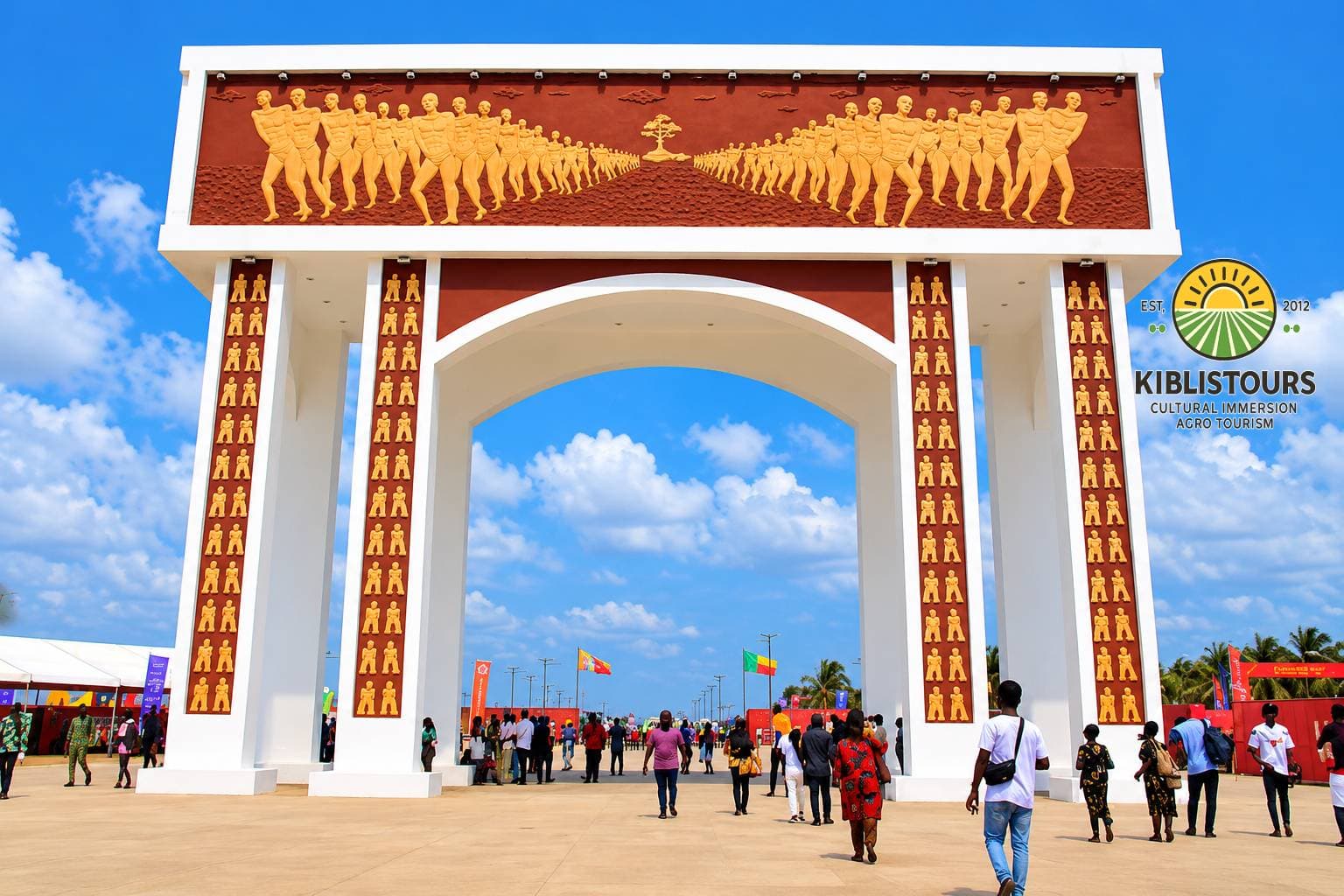
The Door of No Return
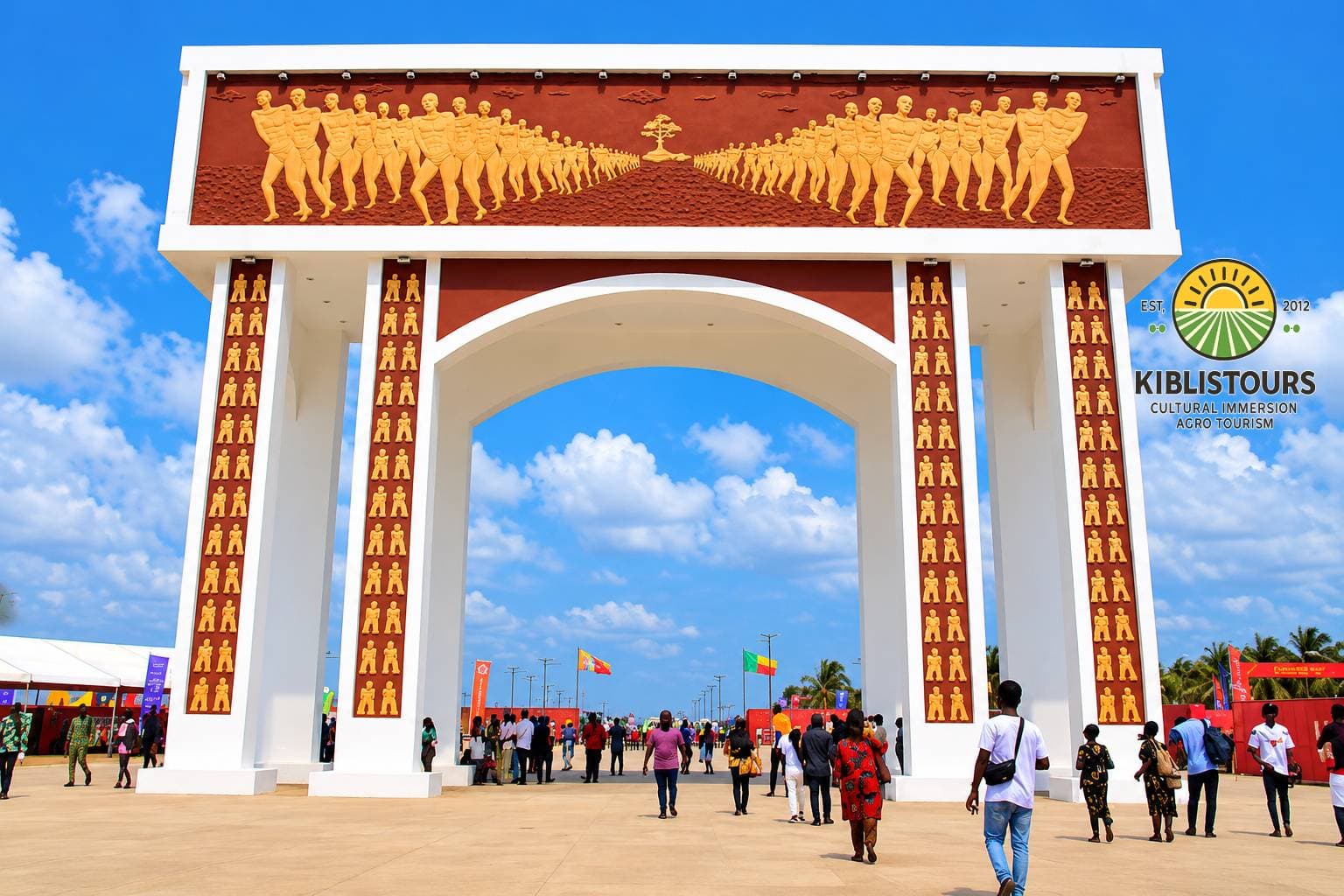
Facing the Atlantic Ocean, the Door of No Return has become one of Benin’s best-known symbols.
This monument commemorates the final passage of captives before they were forcibly shipped to the Americas.
Standing before the ocean, it is difficult to remain unmoved.
The sound of the waves.
The vastness of the horizon.
The weight of history.
Everything contributes to a distinctive atmosphere.
Silence often comes naturally.
Some visitors remain for a few minutes.
Others stay much longer.
Everyone experiences this moment in their own way.
There are often travellers who stand motionless before the Door of No Return. Nobody speaks. There is nothing to add. History speaks for itself.
A visitor from the United States stood silently facing the ocean for several minutes after seeing the Door of No Return. Later, he explained to us that he knew the history of slavery through books, but that this was the first time he had truly felt its weight. This moment became one of the most memorable experiences of his trip.
The Temple of Pythons
Ouidah is also regarded as one of the great spiritual centres of Vodun.
Among its best-known sites is the Temple of Pythons.
For local communities, the python is a sacred animal associated with certain deities and several ancestral beliefs.
A visit offers insight into a cultural dimension that is often misunderstood abroad.
Guides explain the origins of these beliefs, their role in society and their place in Beninese spirituality.
For many visitors, this discovery is particularly enriching.
It allows them to move beyond stereotypes and better understand the country’s cultural richness.
The Sacred Forest
The Sacred Forest is one of Ouidah’s most emblematic spiritual places.
This unique site brings together numerous statues, religious symbols and representations linked to Vodun tradition.
Its atmosphere is distinctive.
The tranquillity of the forest contrasts with the bustle of the rest of the city.
As they walk through it, visitors discover a world where spirituality, history and nature meet.
For many, this visit offers a cultural and philosophical understanding of Vodun rather than the misconceptions often spread abroad.
A City That Leaves a Deep Impression on Visitors
Ouidah is a city that touches both the mind and the heart.
Visitors discover:
A deeply moving history;
A living spirituality;
A strong collective memory;
A deeply rooted culture;
A welcoming population.
Few cities manage to stir so many different emotions in a single day.
This is one reason why Ouidah often remains one of the most memorable experiences of a trip to Benin.
Ouidah opens the doors to its history and traditions.
Book your guided tour of Ouidah with Kiblistours and enjoy an unforgettable cultural immersion.
Cotonou: Energy, Creativity and Modernity
As Benin’s economic capital, Cotonou is generally the first gateway for international travellers.
Dynamic, bustling and constantly evolving, it offers an interesting contrast with the country’s historic sites.
Here, Benin reveals its contemporary face.
An active city.
An enterprising city.
A creative city.
A city looking towards the future.
Dantokpa Market
It is impossible to talk about Cotonou without mentioning Dantokpa Market.
Considered one of the largest markets in West Africa, it is a cultural experience in its own right.
From the moment they enter, visitors are struck by its vast size.
Thousands of traders conduct their business here every day.
You will find:
Colourful fabrics;
Spices;
Handicrafts;
Food products;
Traditional objects;
Everyday items.
Every aisle offers new discoveries.
Every turn reveals a different atmosphere.
Every encounter tells a story.
For many travellers, Dantokpa is the beating heart of Cotonou.
The Crafts Centre
The Crafts Centre is a must-visit for anyone interested in local craftsmanship.
It is the ideal place to discover the richness of Beninese crafts.
Visitors can meet:
Sculptors;
Weavers;
Jewellers;
Painters;
Leatherworkers.
Beyond shopping, it is above all an opportunity to talk with people who keep alive techniques sometimes passed down through several generations.
These encounters give the objects you take home a much more human dimension.
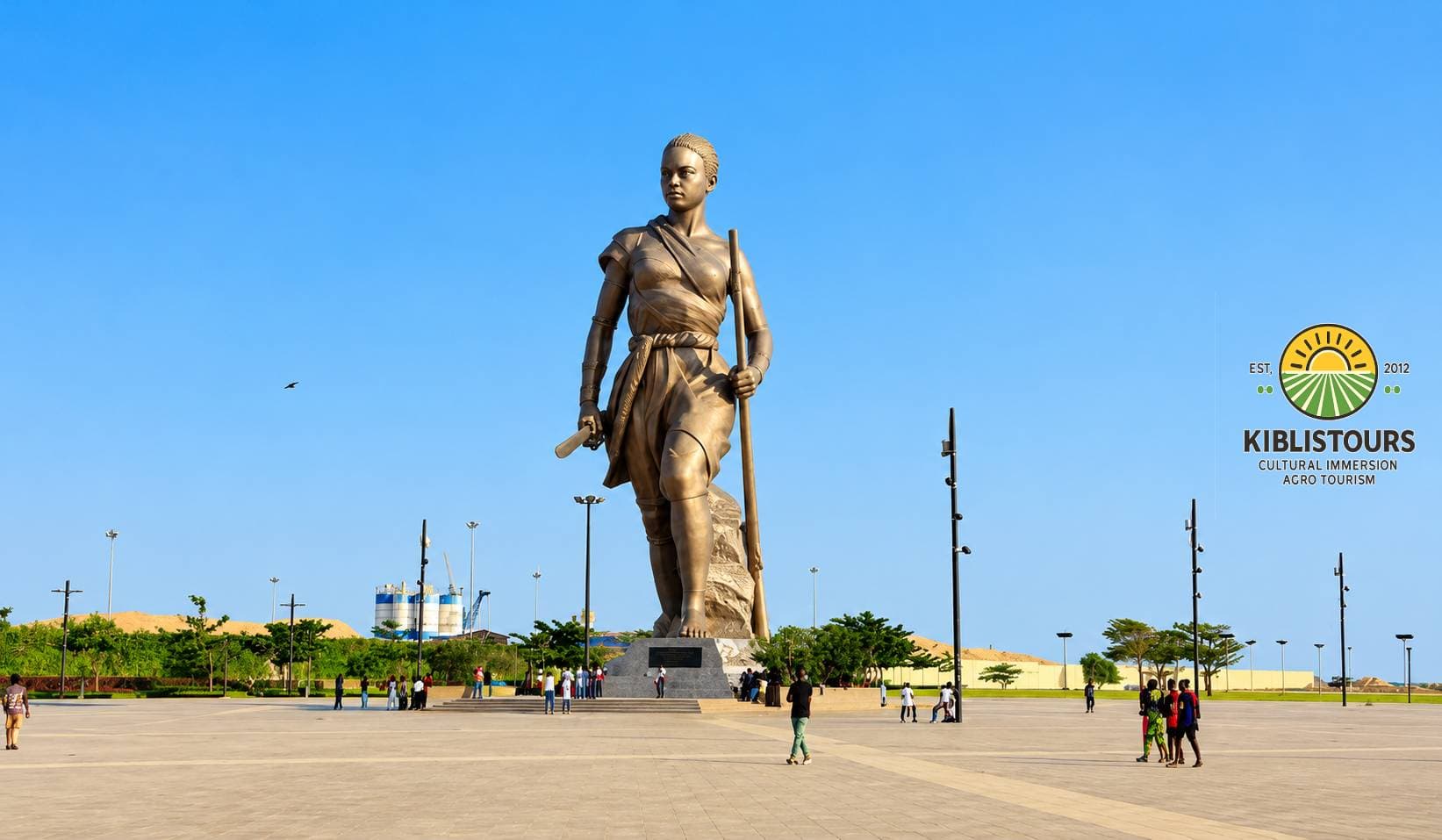
Amazon Square
Amazon Square is now one of the symbols of Benin’s tourism revival.
Its gigantic statue immediately catches the eye.
It pays tribute to the famous Dahomey Amazons and recalls the importance of their legacy in the country’s history.
Now one of the most photographed places in the country, the square is also a symbol of pride and appreciation for Beninese heritage.
The site attracts both local residents and international visitors.
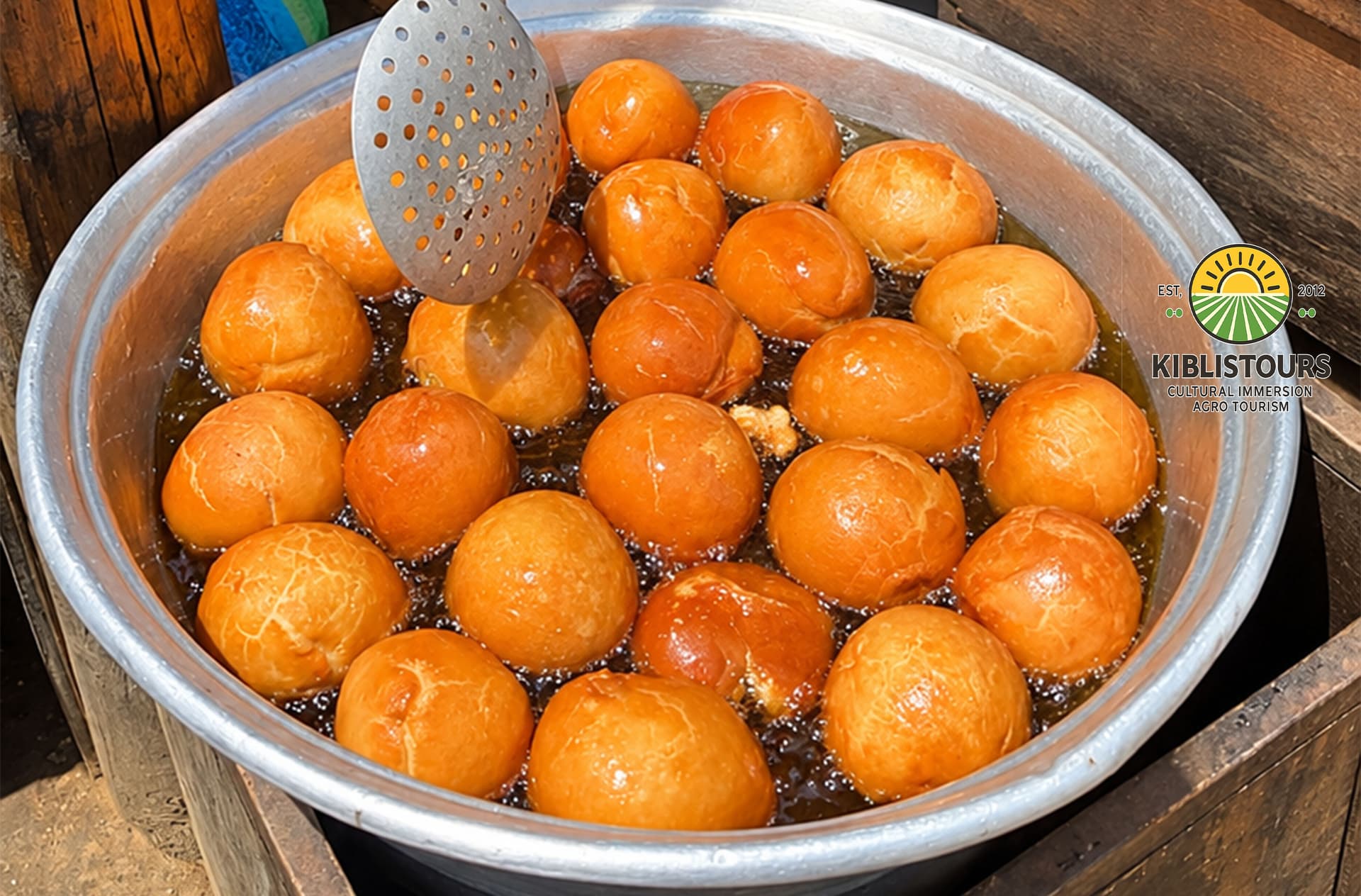
Nightlife and Gastronomy
When the sun sets, Cotonou reveals another side of its personality.
The city is known for its friendly atmosphere and lively nightlife.
Visitors can enjoy:
Restaurants;
Traditional local eateries;
Concerts;
Cultural venues;
Seafront bars.
This diversity offers an opportunity to discover another dimension of Beninese culture.
Music, gastronomy and human connections play a central role here.
Cotonou has much more in store for you than a simple sightseeing tour.
Book your Cotonou tour with Kiblistours and experience Benin’s economic capital in a whole new way.
Grand-Popo: Relaxation and the Gentle Pace of Life
After several days devoted to historical and cultural discoveries, Grand-Popo offers a welcome interlude of calm.
Located on the Atlantic coast, this destination immediately charms visitors with its peaceful atmosphere.
Here, life slows down.
Time seems to stretch out.
The ocean becomes your main travelling companion.
Unspoilt Beaches
Unlike some crowded seaside resorts, Grand-Popo has retained its authenticity.
Its long sandy beaches invite you to stroll and contemplate the scenery.
Visitors can enjoy:
Walks along the seafront;
Sunsets;
Fishing villages;
The tranquillity of the surroundings.
This simplicity is precisely what makes the destination so charming.
Lagoons and Mangroves
The region also boasts a remarkable natural environment.
Canoe excursions offer opportunities to explore:
The lagoons;
The mangroves;
Villages along the waterways;
Coastal ecosystems.
These outings offer a completely different perspective on Benin.
They also reveal the close relationship between local communities and their natural environment.
A Pace of Life That Encourages You to Slow Down
In Grand-Popo, you rediscover the pleasure of taking your time.
Taking time to walk.
Taking time to observe.
Taking time to talk with local people.
Taking time simply to enjoy the present moment.
We often advise travellers to leave a few hours completely unplanned in Grand-Popo. Those are often the moments when the loveliest surprises and most genuine memories emerge.
This gentle pace of life appeals to many visitors.
After several days filled with discoveries, Grand-Popo offers a chance to catch your breath while continuing to explore Benin from another perspective.
It is a soothing, restorative destination and a perfect complement to a cultural journey across the country.
Grand-Popo invites you to enjoy an escape combining nature, relaxation and authenticity.
Book your Grand-Popo getaway with Kiblistours and experience authentic
Unique Experiences to Enjoy in Benin
Visiting Benin is one thing.
Experiencing it fully is another.
What makes this destination truly exceptional goes beyond its monuments, museums and landscapes. Above all, it is the human, cultural and emotional experiences you have here.
At Kiblistours, we have always believed that a memorable journey is one that creates a genuine connection with the places you visit and the people you meet.
That is why we favour immersive experiences that allow you to discover the country from within.
Benin: A Country to Experience from Within
In many destinations, visitors simply observe.
In Benin, they take part.
They exchange ideas.
They learn.
They discover.
They share.
This closeness to local people profoundly transforms the travel experience.
Visitors are no longer mere spectators.
They become active participants in their own discoveries.
This approach makes it possible to understand Beninese culture much more deeply.
The resulting memories are often far more powerful than those of a conventional holiday.
Over the years, we have noticed that travellers rarely talk about hotels several months after returning home. Yet they remember a conversation with a craftsperson, a shared meal or a smile received in a village for a long time.
Discovering Vodun with Respect for Traditions
Benin is recognised as the birthplace of Vodun worldwide.
Yet few traditions have been so widely misunderstood around the world.
Many visitors arrive with preconceived ideas.
They leave with an entirely different understanding.
Eager to Discover Vodun Culture?
Book Your Experience Now for an Unforgettable Journey Filled with Emotion.
Understanding Before Observing
Above all, Vodun is a religion, a philosophy of life and a cultural heritage deeply rooted in the history of Beninese communities.
It places essential importance on:
Ancestors;
The forces of nature;
The balance between the visible and the invisible;
The transmission of knowledge;
Respect for traditions.
Before exploring this heritage, it is important to understand this reality.
That is why our guides always take the time to explain the historical, cultural and spiritual context surrounding these practices.
This preparation enables visitors to approach ceremonies with greater respect and understanding.
Attending a Traditional Ceremony
When certain ceremonies are open to visitors, with due respect for the communities concerned, they offer a particularly memorable experience.
Songs ring out.
Drums set the rhythm of the movements.
Dances tell stories.
Costumes catch the eye.
Symbols come to life.
Together, they create a unique atmosphere.
Even travellers who are not particularly interested in spirituality often come away impressed by the cultural richness of these events.
A Deeply Human Experience
What moves visitors most is not always the religious aspect.
It is often the importance given to community.
Families gather.
Generations come together.
Traditions are passed down.
Social bonds grow stronger.
This human dimension leaves a profound impression on travellers.
We have often seen visitors arrive with many questions and leave with immense respect for this ancestral culture.
The Human Encounters That Make a Journey Unforgettable
If there is one treasure that particularly sets Benin apart, it is undoubtedly the quality of its human encounters.
Local people are central to the travel experience.
Their hospitality, openness and generosity often leave a lasting impression.
Sharing a Moment with a Local Family
In several regions of the country, travellers have the opportunity to meet local families.
These exchanges offer a chance to discover:
The daily lives of local people;
Family traditions;
Eating habits;
Economic activities;
Regional customs.
These moments are usually simple.
Yet they are often the ones that remain in our memories the longest.
Discovering the Skills of Local Artisans
Craftsmanship plays an important role in Beninese culture.
Depending on the region, visitors may meet:
Weavers;
Sculptors;
Blacksmiths;
Potters;
Makers of traditional musical instruments.
Watching them at work provides a deeper understanding of the richness of Benin's cultural heritage.
Every object tells a story.
Every gesture reflects expertise that has sometimes been passed down through several generations.
Talking with Elders
In many communities, elders remain the guardians of collective memory.
Their stories offer a better understanding of:
Local history;
Traditions;
Beliefs;
Changes in society;
Ways of life in the past.
These conversations offer a perspective that no travel guide can replace.
Why Do These Encounters Leave Such a Strong Impression?
Because they are authentic.
Because they are not artificial.
Because they make it possible to form genuine human connections.
At a time when many journeys are becoming standardised, this authenticity is a rare treasure.
Agritourism in Benin: An Exclusive Experience with Kiblistours
Among the most original experiences currently offered in Benin, agritourism holds a special place.
Still relatively little known internationally, it nevertheless offers an exceptional immersion in the everyday lives of rural communities.
What Is Agritourism?
Agritourism means exploring the world of farming through an immersive experience.
Travellers do not simply observe.
They take part.
They interact.
They learn.
They understand.
This approach helps create a much stronger connection with the place being visited.
It also encourages more responsible tourism that brings greater benefits to local communities.
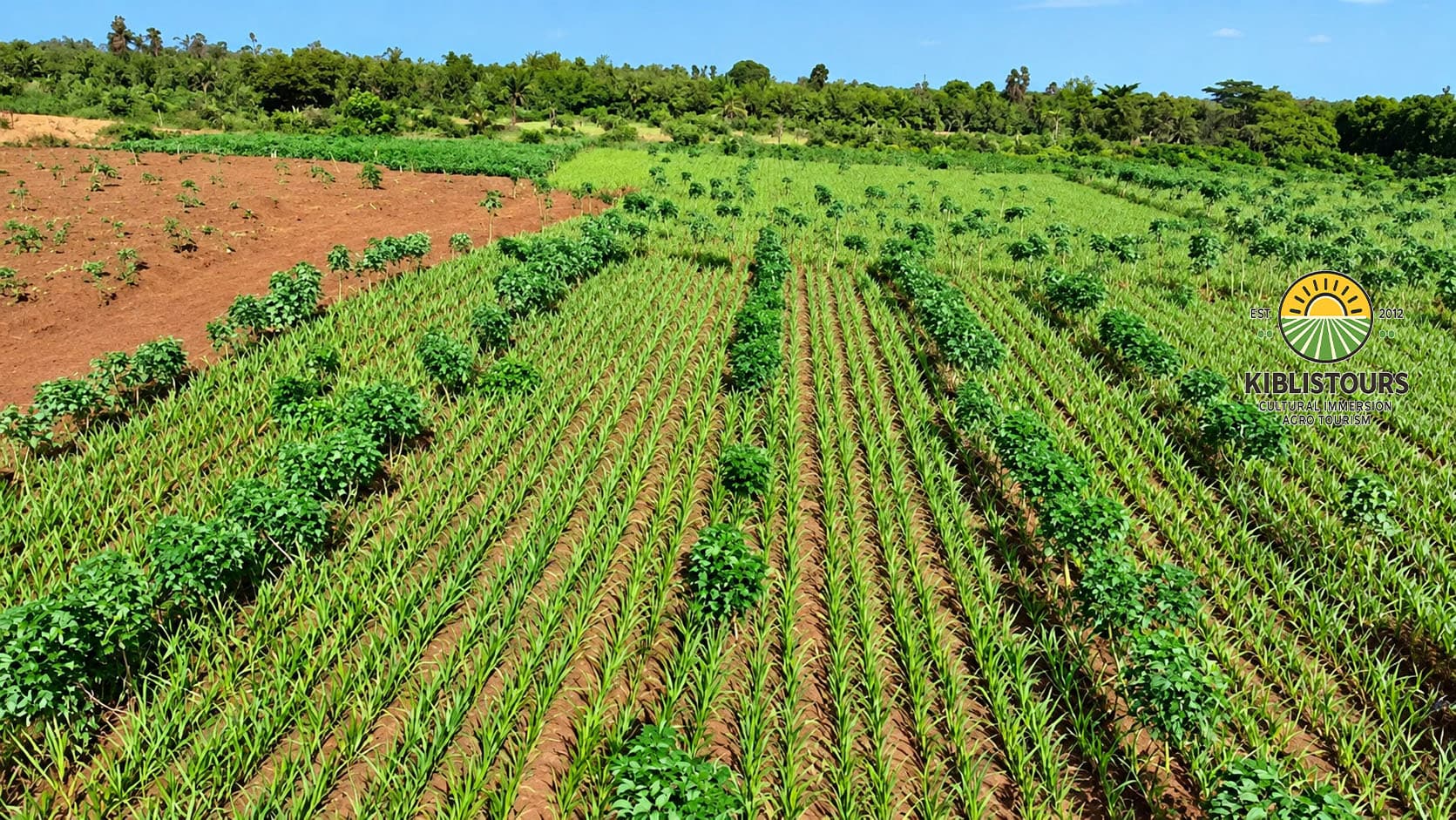
Exploring Benin's Plantations
Depending on the season and region, visitors can explore:
Pineapple plantations;
Cassava farms;
Palm oil plantations;
Maize fields;
Vegetable farms;
Fruit plantations.
Each visit provides a better understanding of the fundamental role agriculture plays in Benin's economy.
Meeting Farmers
One of the most appreciated aspects of these experiences is meeting the farmers themselves.
Visitors discover:
Their working methods;
Their daily challenges;
Their innovations;
Their expertise;
Their vision for the future.
These exchanges give the visit a profoundly human dimension.
During a visit to a pineapple plantation, a German traveller was surprised to learn that a single fruit could take more than a year of work before being harvested. By talking with the growers, he discovered an agricultural reality he had never imagined. A few days later, he told us that he now looked at the products he consumes in a completely different way.
Taking Part in Farming Activities
Depending on the time of year, some activities even allow visitors to participate directly:
Harvesting;
Processing agricultural products;
Artisanal preparation;
Technical demonstrations;
Tastings of local products.
These moments make the experience particularly immersive.
A Discovery That Surprises Travellers
Many visitors arrive without knowing what to expect.
Then they discover a fascinating world.
They understand the importance of agriculture in people's daily lives.
They discover the work required to produce what they consume.
They form connections with those who cultivate the land.
Several travellers have told us that they never imagined a simple farm visit could become one of the best memories of their trip to Benin.
Living Culture: When Traditions Come to Life
One of Benin’s greatest treasures is that its traditions continue to be part of everyday life.
Here, culture is not confined to museums.
It is present in villages, ceremonies, festivals and community gatherings.
Traditional Dances
Dance plays an essential role in Beninese cultural life.
Dances accompany:
Ceremonies
Festivals
Family celebrations
Community events.
Each region has its own rhythms and artistic expressions.
African Percussion
Drums play a central role in many cultural events.
Their rhythms have accompanied ceremonies for generations.
The skills of percussionists are often passed down within families.
The result is a rich musical heritage that impresses visitors from around the world.
Traditional Masks
In some regions, masks continue to play an important cultural role.
They appear during specific ceremonies and often symbolize values, beliefs or connections with ancestors.
Discovering them is a highlight for many travellers.
Cultural Festivals
Throughout the year, several festivals offer opportunities to discover the country’s cultural diversity.
These events provide opportunities to enjoy:
Performances;
Craft demonstrations;
Traditional ceremonies;
Concerts;
Exhibitions.
They also offer opportunities to meet local artists and cultural figures.
Beninese Cuisine: An Explosion of Flavours
Travelling to Benin also means discovering generous, authentic cuisine deeply rooted in tradition.
Every region has its own specialities.
Every meal tells a story.
Every flavour reveals a part of the local culture.
Deeply Authentic Cuisine
Beninese recipes are often passed down from generation to generation.
They showcase local ingredients and traditional know-how.
This authenticity can be tasted in every dish.
Some Specialities to Try
During your stay, you can sample, among other things:
Akassa
Gari
Peanut sauce
Grilled fish
Aloko
Various traditional sauces.
These dishes reveal the full richness of the country’s cuisine.
Markets: True Culinary Treasures
Beninese markets are also ideal places to discover local produce.
There you will find:
Tropical fruits;
Spices;
Vegetables;
Processed foods;
Regional specialities.
Every visit becomes a culinary adventure.
Why Is Gastronomy an Integral Part of Travel?
Because it helps you understand a culture.
Because it encourages exchanges.
Because it brings people together.
Because it creates memories.
We have often found that some of the most beautiful moments of a journey arise simply around a table, during a meal shared with local residents.
Why Do These Experiences Change the Way We See Travel?
Tourism is evolving.
Today, travellers are looking for more than just places to photograph.
They want to enjoy meaningful experiences.
Benin is perfectly suited to this new way of travelling.
Here, visitors discover:
A rich history;
A living culture;
Authentic spirituality;
Unique skills and craftsmanship;
Genuine human encounters.
These experiences create a lasting connection with the country.
They often turn a simple holiday into a true human adventure.
Recommended Itineraries for Discovering Benin
- Ideal for travellers with limited time who nevertheless want a complete experience.
- Main destinations: Cotonou, Ouidah, Ganvié and Abomey.
- Ideal for tailor-made travel and more in-depth experiences.
- Main destinations: Cotonou, Ouidah, Ganvié, Abomey, Grand-Popo and Porto-Novo.
- Ideal for travellers seeking complete immersion.
- Main destinations: All the must-see attractions, agritourism, traditional villages and community encounters.
Every traveller arrives in Benin with their own expectations.
Some want to discover the country's main attractions in just a few days.
Others prefer to take their time, immerse themselves in local culture and enjoy more encounters.
That is why several itineraries are possible, depending on the length of the stay.
At Kiblistours, we always favour balanced tours that take in the must-see attractions while leaving enough room for human experiences and spontaneous discoveries.
Because these unexpected moments often become the most beautiful memories of a journey.
A Deeper Journey
The itinerary is no longer limited to iconic sites.
It also includes:
Traditional villages;
Agricultural experiences;
Community encounters;
Discoveries off the beaten track.
This approach offers a more intimate view of Benin.
This option allows agritourism to become a full part of the journey.
Travellers can:
Explore plantations;
Meet producers;
Take part in certain farming activities;
Taste local products;
Understand the realities of rural life.
This immersion provides a much more complete picture of the country.
A Richer Cultural Immersion
Two weeks also make it possible to:
Gain a deeper understanding of traditions;
Discover local realities;
Build connections with communities;
Experience the country at a more natural pace.
The journey then takes on a much more human dimension.
Another Way to Travel
Many travellers choose this option because they want to experience the country rather than simply visit it.
This approach perfectly reflects the philosophy of Kiblistours.
Longer stays are often the ones that create the strongest memories and the most lasting emotions.
When Is the Best Time to Visit Benin?
One of the most frequently asked questions concerns the best time to plan a trip.
The good news is that Benin can be visited all year round.
However, certain periods offer particularly favourable conditions.
November to March: The Ideal Period
This period generally corresponds to the dry season.
Conditions are particularly pleasant for travelling.
The advantages:
More comfortable temperatures;
Low rainfall;
Roads that are easier to travel on;
More enjoyable outdoor activities;
Easier travel between destinations.
For a first visit to the country, this period is often recommended.
The dry season also hosts several important cultural events.
Travellers can therefore enjoy:
Traditional celebrations;
Cultural festivals;
Artistic performances;
Community events.
These occasions offer an even deeper immersion in Beninese culture.
Can You Travel During the Rainy Season?
Absolutely.
The rainy season also has several advantages.
The landscapes become greener.
The vegetation is particularly lush.
The countryside offers magnificent views.
Sites are often less crowded.
Some travellers even appreciate this quieter, more authentic atmosphere.
The key is simply to adapt the itinerary to the weather conditions.
Practical Tips for Preparing Your Trip
A successful trip always begins with good preparation.
A few simple precautions will help you make the most of your stay.
Pack Suitable Clothing
Benin’s climate is generally warm throughout the year.
We recommend bringing:
Lightweight clothing;
A hat;
Sunglasses;
Sunscreen;
Comfortable shoes.
Comfortable clothing makes a significant difference to the quality of your experience.
Respect Local Traditions
Respect for local cultures greatly enriches the journey.
A few simple gestures are enough:
Ask permission before taking certain photographs;
Follow your guides’ instructions;
Dress appropriately at sacred sites;
Show curiosity and respect.
This attitude encourages more authentic exchanges.
Make Time for Encounters
One of the most common mistakes is trying to visit too many sites in too little time.
In Benin, it is important to leave room for the unexpected.
Encounters are an integral part of the journey.
Sometimes a simple conversation becomes one of the most beautiful memories of the trip.
We always advise travellers not to fill every minute of their itinerary. In Benin, the most memorable moments are often the ones that were not planned.
How Much Does a Trip to Benin Cost?
The budget naturally depends on several factors:
The length of the stay;
The desired level of comfort;
The time of year;
The number of participants;
The experiences selected.
Accommodation
The country now offers several categories of accommodation:
Budget hotels;
Comfortable hotels;
Upscale establishments;
Charming accommodation.
Every traveller can therefore find an option suited to their budget.
Transport
Travel can be arranged:
By private vehicle;
By minibus;
With a driver-guide;
As part of an organised tour.
For international visitors, guided tours often remain the most comfortable option.
Activities
Costs vary depending on:
The sites visited;
The experiences selected;
The services included;
The desired level of personalisation.
Having a professional guide generally helps make the most of the experience while simplifying all the arrangements.
Why Travel with a Local Guide?
This is a question many travellers ask themselves before setting off.
Should you travel independently or with a guide?
Both options are possible.
But experience shows that a local guide adds considerable value to discovering Benin.
Understanding What You Visit
Without an explanation, a monument often remains just a building.
Without context, a historic site can seem like just another landscape.
The guide's role is to bring places to life.
A guide provides:
Historical context;
Local anecdotes;
Traditions;
Stories passed down from generation to generation;
The keys to understanding the culture.
Thanks to these explanations, a visit becomes much richer and more memorable.
Making Encounters Easier
Guides also play an essential role in interactions with local communities.
They facilitate:
Communication;
Encounters;
Cultural exchanges;
Mutual understanding.
This mediation often helps create much more authentic interactions.
Accessing Exclusive Experiences
Some experiences are difficult to enjoy without good local knowledge.
This is particularly true of:
Certain traditional ceremonies
Certain local communities
Certain agritourism experiences
Certain private visits.
Local partnerships and guides' experience often provide access to unique discoveries.
Travelling with Peace of Mind
Professional support considerably reduces logistical constraints.
Visitors can focus on what matters most:
Discovering;
Understanding;
Exchanging;
Enjoying.
Many travellers tell us after their stay that they would never have enjoyed so many enriching experiences without the support of a local guide.
Why Does Benin Touch Those Who Discover It So Deeply?
Beyond its monuments, landscapes and activities, Benin has something that is difficult to describe.
Authenticity.
Human warmth.
Sincerity.
The country does not try to impress artificially.
It reveals itself gradually.
Through its people.
Through its traditions.
Through its stories.
Through its emotions.
And it is often this simplicity that touches visitors most deeply.
Many arrive with curiosity.
They leave with a sense of attachment.
I have seen it so many times that it no longer surprises me: travellers come to discover a country and leave feeling as though they have discovered a part of themselves.
Why Choose Kiblistours for Your Trip to Benin?
Today, organising a trip has become relatively simple.
A few clicks are enough to book a hotel or buy a plane ticket.
But truly discovering a country often requires more.
It requires:
In-depth knowledge of the destination;
Reliable local contacts;
An understanding of the culture;
Careful organisation;
A genuine passion for the destination.
That is precisely the mission we have set ourselves at Kiblistours.
Our aim is not simply to show you around Benin.
Our aim is to help you understand it, feel it and experience it to the fullest.
At the end of a ten-day tour, one traveller told us something we have never forgotten: “I thought I was coming to discover a country. I am leaving with memories, faces and emotions that I will cherish for the rest of my life.” This sentence perfectly sums up what a trip to Benin often means.
Why Are More and More Travellers Placing Their Trust in Kiblistours?
Since our creation, we have had the privilege of accompanying nearly 1,000 travellers from different countries as they explored Benin. For us, every tour we organise is an opportunity to showcase an exceptional heritage while encouraging authentic human encounters.
To date, nearly 50 tours have already been successfully organised, including private trips, cultural tours, immersive experiences, tailor-made stays and programmes for institutions and groups.
Our greatest source of pride remains our travellers’ satisfaction. The feedback collected at the end of our trips allows us to report a satisfaction rate of around 90%, reflecting our commitment to offering high-quality, personal and people-centred experiences.
The first public testimonials are also beginning to reflect this trust. Kiblistours currently has 2 Google reviews, complementing the many positive comments received directly from our travellers after their stays. We also encourage all our visitors to share their experiences to help future travellers plan their discovery of Benin with confidence.
Kiblistours: Much More Than a Travel Agency
Kiblistours was born out of a simple conviction:
Benin deserves to be discovered differently.
For a long time, this country remained outside the major international tourist circuits.
Yet those who take the time to discover it often leave deeply moved.
We created Kiblistours to introduce people to this exceptional wealth.
But above all, to do so with respect for:
Local communities;
Traditions;
Culture;
The environment;
The country’s authenticity.
Our Vision
We believe that travel should create value for everyone involved.
For the traveller, the communities visited, guides, artisans, local producers and tourism professionals.
This responsible vision guides everything we do.
Our Philosophy
At Kiblistours, we prioritise:
Human encounters;
Immersive experiences;
Small groups;
Personalised tours;
Authentic discovery.
Every journey is designed to foster a genuine connection with the country.
What Makes Kiblistours Different?
Passionate Local Guides
Our guides do more than provide information.
They share their culture.
They tell their stories.
They make encounters possible.
They share their passion.
This approach transforms every visit into a living experience.
Thorough Knowledge of the Destination
Our teams have an in-depth knowledge of the destinations we offer.
They know:
Which sites to prioritise;
When to visit them;
How to avoid overly standardised experiences;
How to adapt the programme to your expectations.
This expertise allows us to offer smoother and more enriching experiences.
Unique immersive experiences
We want to go beyond traditional tourism.
That is why our tours include experiences that allow travellers to discover Benin in a different way.
Community encounters
Travellers discover:
Everyday life;
Local traditions;
Craft activities;
Ancestral skills.
Cultural experiences
Our programmes include:
Heritage discoveries;
Encounters with artists;
Culinary experiences;
Authentic cultural activities.
Exclusive agritourism
Agritourism is now one of the most appreciated experiences offered by Kiblistours.
Travellers discover:
Plantations;
Farms;
Processing techniques;
Local producers.
An immersion rarely offered on conventional tours.
Fully tailor-made trips
Every traveller is unique.
Every travel plan deserves a personalised approach.
We adapt our tours according to:
Your interests;
Your budget;
The length of your stay;
Your travel pace.
Individual travel
Travelling alone or as a couple?
We create a completely personalised itinerary.
Family travel
We adapt activities to the needs of children and parents.
Travel with friends
We offer friendly and flexible experiences.
Business or institutional travel
Contact Kiblistours today to create your tailor-made cultural tour and experience Benin with those who know it best.
We also support:
Businesses;
NGOs;
Universities;
Institutions;
International delegations.
Optimal safety
Travelling with peace of mind is essential.
Our teams provide:
Assistance throughout your stay;
Logistical coordination;
Monitoring of travel arrangements;
Professional support.
This organisation allows travellers to make the most of their experience.
Responsible tourism
We believe that sustainable tourism can make a positive contribution to local development.
That is why we prioritise:
Beninese guides;
Local artisans;
Local producers;
Community partners;
Responsible initiatives.
Every journey thus contributes to the development of the areas visited.
Traveller testimonials
An unexpected discovery
“I knew very little about Benin before this trip. I was impressed by the richness of its history and the welcome from its people. It is one of the most memorable trips of my life.” Ashley from Canada
An authentic immersion
“Meeting local communities completely changed my perception of travel. I felt as though I was discovering the country from within.” Emilia from Mauritania
Reassuring organisation
“Everything was perfectly organised. The guides were passionate, available and highly knowledgeable. We thoroughly enjoyed every stage.” Georges from France
Our promise
At Kiblistours, we have one simple ambition:
To help you discover Benin as it truly is.
A country rich in history.
A country rich in traditions.
A country rich in culture.
A country rich in humanity.
We want every traveller to return home with much more than photographs.
We want them to return with:
Lasting memories;
Authentic encounters;
Genuine emotions;
A better understanding of West Africa.
Our greatest satisfaction is hearing a traveller tell us:
“I did not expect to experience something so powerful.
FAQ – Everything You Need to Know Before Travelling to Benin
1. Is Benin a good tourist destination?
Yes. Benin is one of West Africa's richest cultural destinations. From the Royal Palaces of Abomey to Ganvié, Ouidah, Vodun traditions, the beaches of Grand-Popo and the warm welcome of its people, the country offers an authentic experience that remains largely untouched by mass tourism.
2. Why visit Benin?
Benin appeals to travellers through its historical heritage, living culture, ancestral traditions, varied landscapes and human encounters. It is an ideal destination for those seeking authenticity.
3. What is the best time to travel to Benin?
The period from November to March is generally the most pleasant, thanks to drier weather. However, Benin can be visited throughout the year, depending on the regions and activities planned.
4. How many days do you need to visit Benin?
7 days allow you to discover the main sites.
10 days offer a more complete immersion.
14 days allow you to explore the country in depth and enjoy more authentic experiences.
5. Is Benin safe for tourists?
Yes. Benin is considered one of the most stable countries in West Africa. As everywhere, visitors are advised to follow standard safety precautions and travel with an experienced local agency.
6. Do you need a visa to travel to Benin?
Most foreign travellers must obtain an e-Visa before departure. Requirements vary according to nationality. It is advisable to check the formalities before travelling.
7. What are the must-see destinations in Benin?
The most visited sites are:
Ouidah
Ganvié
Abomey
Cotonou
Grand-Popo
Porto-Novo
Dassa-Zoumè
Natitingou
The Tata Somba
Lokoli
8. What can you do in Ouidah?
You can visit the Slave Route, the Door of No Return, the Temple of Pythons, the Sacred Forest and the History Museum, and discover the cultural importance of Vodun.
9. Why is Ganvié called the Venice of Africa?
Because this village is built entirely on stilts in the middle of Lake Nokoué. Its inhabitants travel by canoe every day.
10. What is there to see in Abomey?
Abomey is famous for its royal palaces, listed as a UNESCO World Heritage Site, its history linked to the Kingdom of Dahomey and the story of the Amazons.
11. Is Vodun dangerous?
No. Vodun is above all a traditional religion and a living cultural heritage. Visitors discover this tradition with respect for local communities and their beliefs.
12. Can visitors attend a traditional ceremony?
Yes, some ceremonies are open to visitors when they take place with respect for the communities and with the assistance of a guide.
13. What currency is used in Benin?
The CFA franc (XOF) is the official currency.
14. What language is spoken in Benin?
French is the official language. Many national languages are also spoken, depending on the region.
15. Is Benin suitable for a first trip to Africa?
Yes. The country is often recommended for a first introduction to West Africa thanks to its stability, cultural diversity and tourism infrastructure.
16. Which traditional dishes should you try?
Specialities include akassa, aloco, gari, traditional sauces, grilled fish and many dishes made with local produce.
17. Can you travel to Benin as a family?
Yes. Many activities are suitable for families, including canoe trips, craft discoveries, beaches and cultural visits.
18. Is Benin suitable for solo travellers?
Yes. Solo travellers particularly appreciate how easy it is to interact with local people and join guided tours.
19. How much does a trip to Benin cost?
The budget depends on the duration, level of comfort, accommodation, number of participants and experiences chosen. Tours are available for different budgets.
20. Why choose a local guide?
A local guide helps you better understand the history, traditions and culture, and makes encounters with communities easier.
21. Is agritourism accessible to visitors?
Yes. Several experiences allow visitors to explore plantations, meet producers and take part in certain agricultural activities.
22. Is Benin a good destination for photographers?
Yes. Landscapes, lakeside villages, markets, historical monuments and scenes of everyday life offer numerous photographic opportunities.
23. Can a completely tailor-made trip be organised?
Yes. You can adapt the itinerary, duration, accommodation, activities and pace of the journey to suit your wishes.
24. Why book with a local agency such as Kiblistours?
A local agency knows the destination thoroughly, works with experienced guides, facilitates authentic encounters and provides personalised support before, during and after the trip.
25. How can you book a trip with Kiblistours?
Simply contact the Kiblistours team to discuss your travel plans. An adviser will suggest a personalised itinerary based on your budget, interests and preferred trip duration.
Contact Kiblistours today to create your tailor-made cultural tour and experience Benin with those who know it best.