A journey that could change the way you see the world
What if your next trip were about more than simply discovering a new country? What if it changed the way you see the world?
Some destinations draw us in with their landscapes. Others are remembered for their monuments, beaches or famous landmarks. And then there are those rare places that touch us on a much deeper level.
Benin is one of them.
Here, every stop has a story to tell. Every encounter opens a window onto a living culture. And every day leaves you with something far more meaningful than another photograph in your camera roll.
At Kiblistours, we believe the true value of a journey cannot be measured by the number of kilometres travelled or attractions visited. What matters are the emotions you feel, the conversations you share and the connections you make with people whose lives may be very different from your own.
Sometimes, all it takes is a smile exchanged in a bustling market. An artisan welcoming you into a small workshop. An elder sitting beneath a tree and passionately sharing the story of a village. Or a quiet moment in a place where the weight of history can almost be felt in the air.
These are the moments that turn a holiday into something deeply human.
Today’s travellers increasingly want more than a change of scenery. They want to understand the places they visit. They want to discover traditions that still shape everyday life, meet the people who keep those traditions alive and experience moments that could never be recreated somewhere else.
They want to return home not simply with beautiful photographs, but with a richer understanding of the world.
That desire for more meaningful travel is one reason immersive tourism continues to grow, and why Benin is emerging as one of West Africa’s most fascinating cultural destinations.
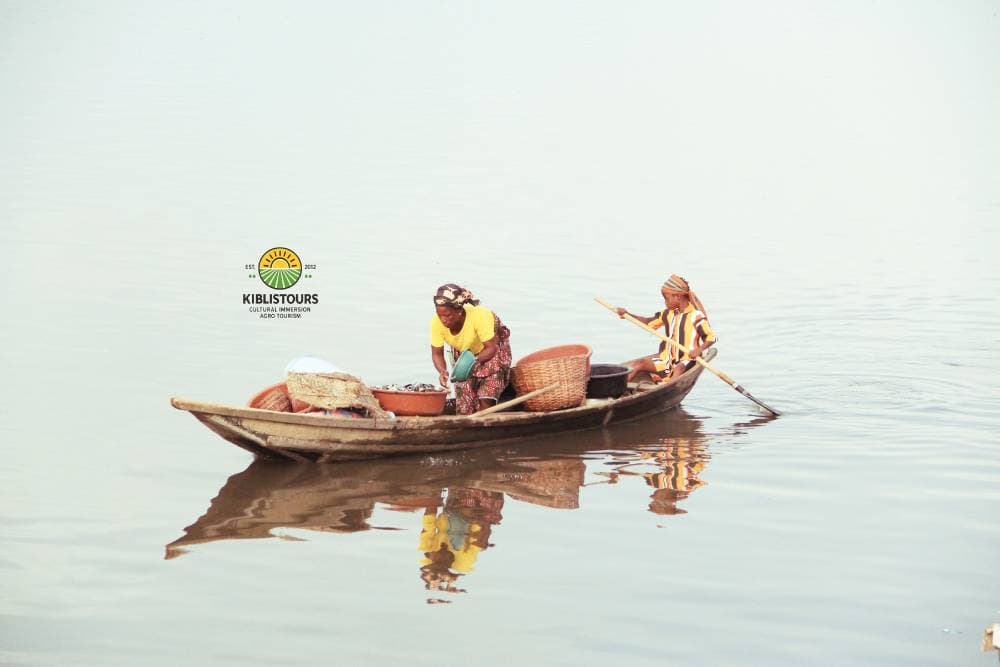
Imagine arriving on Lake Nokoué at first light. A thin veil of mist still hangs above the water as your pirogue quietly glides across the reflections of the morning sky. Ganvié is beginning to wake.
Fishermen pull in their nets using movements perfected over generations. Women traders paddle towards the floating market. Children, schoolbags on their backs, make their way to school by canoe with an ease that never fails to surprise first-time visitors.
Around you, stilt houses slowly emerge in the golden morning light.
And something becomes immediately clear. Nobody is performing for you. There is no staged attraction. No carefully rehearsed show. Life is simply happening. For a few precious moments, you have been invited to witness it.
That feeling of stepping gently into an authentic world that continues to exist on its own terms is one of Benin’s greatest treasures.
And for many travellers, this is where the real journey begins.
Over the years, we have welcomed visitors from many parts of the world. Some arrived simply curious about a country they knew very little about. Others had read books, watched documentaries or researched Benin extensively before travelling.
Yet again and again, we hear the same thing: Benin was nothing like they expected. It was more.
We remember a Canadian couple discovering West Africa for the first time. After walking the Slave Route in Ouidah, they stood silently facing the Atlantic Ocean. There was nothing that needed to be said.
Before leaving, they turned to us and said: “We thought we were coming to visit a country. We are leaving with a completely different understanding of human history.”
Those words capture something many travellers experience in Benin.
Benin does not need gigantic monuments or spectacular infrastructure to impress you. Its power lies somewhere else: in the authenticity of its encounters, traditions that remain vibrant, the pride of its artisans, the memory of ancient kingdoms, ceremonies that continue to shape community life and a natural sense of hospitality.
As your journey unfolds, the places you visit begin to take on a different meaning. Slowly, travel stops being simply about seeing. It becomes about understanding.
Around the world, travellers are increasingly searching for sincere, meaningful experiences connected to the places they visit. Benin responds naturally to that desire.
Here, heritage is not confined behind museum glass. You hear it in songs, see it in artisans’ careful movements, encounter it in royal palaces and experience it in lakeside communities and stories passed from one generation to the next.
This philosophy inspires every journey we create at Kiblistours. Our ambition goes far beyond organizing an itinerary. We want you to experience the country from within, understand something of its soul and form genuine connections with its people.
Because the journeys that change us are not always the ones that take us the farthest. Sometimes, they are the ones that bring us closer to other people. And sometimes, unexpectedly, closer to ourselves.
Why visit Benin?
Benin is one of West Africa’s most authentic cultural destinations, a country where remarkable heritage and everyday life still exist side by side.
Travellers come for its ancient kingdoms, historic sites, lakeside communities, craftsmanship, cuisine and living traditions. But many leave talking just as passionately about the warmth of the people they met along the way.
Whether you are fascinated by history, passionate about photography, looking for meaningful cultural immersion or simply curious to discover a different side of Africa, Benin brings together an extraordinary combination of heritage, nature, spirituality, community encounters and responsible travel.
Why Benin is considered a cultural cradle of West Africa
Some destinations capture your imagination through their landscapes. Others draw you in with the richness of their history. Benin offers both, but it also offers something increasingly rare: a culture that has not simply been preserved for visitors to admire, but one that continues to be lived, shared and passed on every single day.
Travelling through Benin means entering a country where the past is constantly in conversation with the present. Traditions live in ceremonies, craftsmanship, languages, celebrations, music, food and the small everyday gestures that quietly carry centuries of cultural memory.
Within a relatively compact country, you can travel through centuries of history and encounter an extraordinary mosaic of cultures: the Royal Palaces of Abomey, Ganvié, the Slave Route in Ouidah and the remarkable Tata Somba of northern Benin.
The legacy of the Kingdom of Dahomey: A history that still lives
For nearly three centuries, the Kingdom of Dahomey played a defining role in the political, military and cultural history of West Africa. Its power, organization and influence extended far beyond the borders of present-day Benin.
The Royal Palaces of Abomey offer one of the most powerful gateways into this history. As guides reveal the stories behind the courtyards, earthen walls, bas-reliefs and royal objects, silent monuments become witnesses to a complex and highly organized civilization.
A history professor from Belgium once told us: “I had taught about the Kingdom of Dahomey for years. Yet it was only today that I truly understood its importance.” Books give us the facts. Places allow us to feel them.
Vodun : A spiritual tradition too often misunderstood
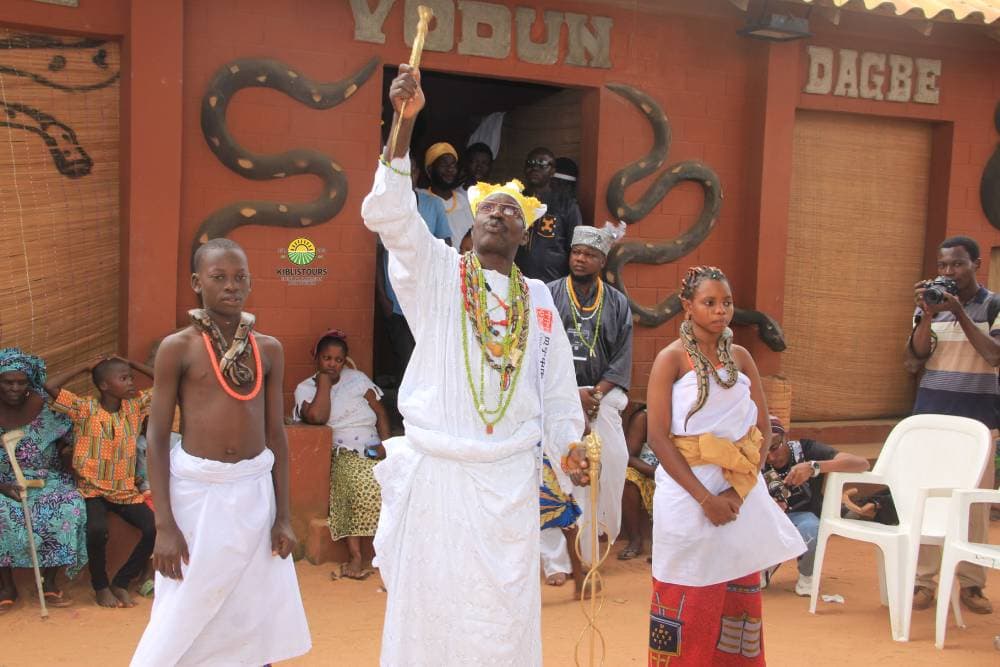
For many international visitors, first impressions of Vodun have been shaped by films, fiction or sensationalized portrayals. In Benin, however, Vodun reveals itself as a spiritual tradition, philosophy and cultural heritage deeply rooted in society.
Respect for ancestors, harmony with nature, community solidarity and the transmission of knowledge all occupy an important place within this worldview. When knowledgeable guides and dignitaries explain its symbols and ceremonies, stereotypes often give way to understanding.
A Brazilian traveller once told us: “I thought I had come to discover the origins of a religion. I am leaving with a part of my family history.” Benin’s heritage resonates far beyond its borders, including across Brazil, the Caribbean, Cuba, Haiti, the United States and Afro-descendant communities worldwide.
A Mosaic of Peoples, Languages and Traditions
There is no single Beninese culture. Every region reveals its own personality, shaped over centuries by its people, history and environment. Landscapes, languages, flavours, architecture, music and markets change as you travel.
An Australian visitor summed it up beautifully : “Every region had its own personality. And yet, everywhere I went, I felt the same generosity and the same pride in sharing a culture.”
A Culture That Is Still Part of Everyday Life
In Benin, much of the culture you encounter was never created for tourism. Artisans create for their communities, ceremonies retain their spiritual meaning, markets remain centres of everyday life and traditional festivals follow local customs and calendars.
Some of the most meaningful moments cannot be scheduled. They begin with a conversation, an invitation, a shared laugh or a moment of curiosity between people who were strangers only minutes earlier.
Benin, a Major Cultural Destination in West Africa
What stays with travellers is rarely one place alone. It is the journey as a whole, the way each stop adds another layer to the story and reveals a different side of the country.
Within a few days, you can glide across Lake Nokoué, walk through the Royal Palaces of Abomey, follow the traces of history in Ouidah, explore Batammariba landscapes or share a meal with a local family.
Why Benin Is One of Africa’s Most Underrated Destinations
Because Benin still lies outside the major flows of mass tourism, it has preserved something increasingly difficult to find: authenticity. Traditions continue because they matter to the communities that practise them, not because visitors expect to see them.
A British traveller once said: “I thought I was discovering a hidden destination. I am leaving wondering why it is not considered one of the greatest cultural destinations on the continent.”
An Authenticity That Has Become Rare in Global Tourism
Markets remain places where people trade and exchange news. Artisans create because their craft is part of who they are. Ceremonies mark important moments in people’s lives. Traditional festivals bring communities together long before they attract visitors.
Exceptional Cultural Richness
From Ganvié and Ouidah to Abomey and the Tata Somba, Benin brings together an extraordinary range of cultures within a compact territory. Every region has its languages, music, dances, food traditions, festivals, craftsmanship, beliefs and stories.
A Living Heritage Passed Down from Generation to Generation
Traditions are not simply preserved. They are practised. Skills are taught. Ceremonies continue because they have meaning for the communities that celebrate them. Benin’s heritage belongs to the present as much as to the past.
Ganvié, the Venice of Africa, Where Water Shapes Everyday Life
At dawn, a thin mist hangs over Lake Nokoué as the first pirogues glide between stilt houses. Fishermen leave before sunrise, traders paddle towards the floating market and children make their way to school by canoe.
Ganvié is not a tourist set. It is a real town where water replaces roads and pirogues replace cars. What began historically as a place of refuge gradually became a permanent community and a symbol of resilience and ingenuity.
Every journey through Ganvié reveals small scenes: breakfast prepared above the lake, a craftsman repairing a pirogue, fishermen pulling in nets, traders making deliveries and children playing.
A German photographer once put his camera away and said: “Some images are too beautiful to be trapped inside a camera. I would rather keep them in my memory.”
At Kiblistours, we believe Ganvié should be discovered with time and respect: time to listen, understand and observe everyday life without disturbing it.
Ouidah, Where History Meets Spirituality
Located on the Atlantic coast, Ouidah occupies a unique place in the story of Benin, Africa and the wider world. For centuries it was one of the major ports associated with the transatlantic slave trade; today it is a place of memory, transmission and reconciliation.
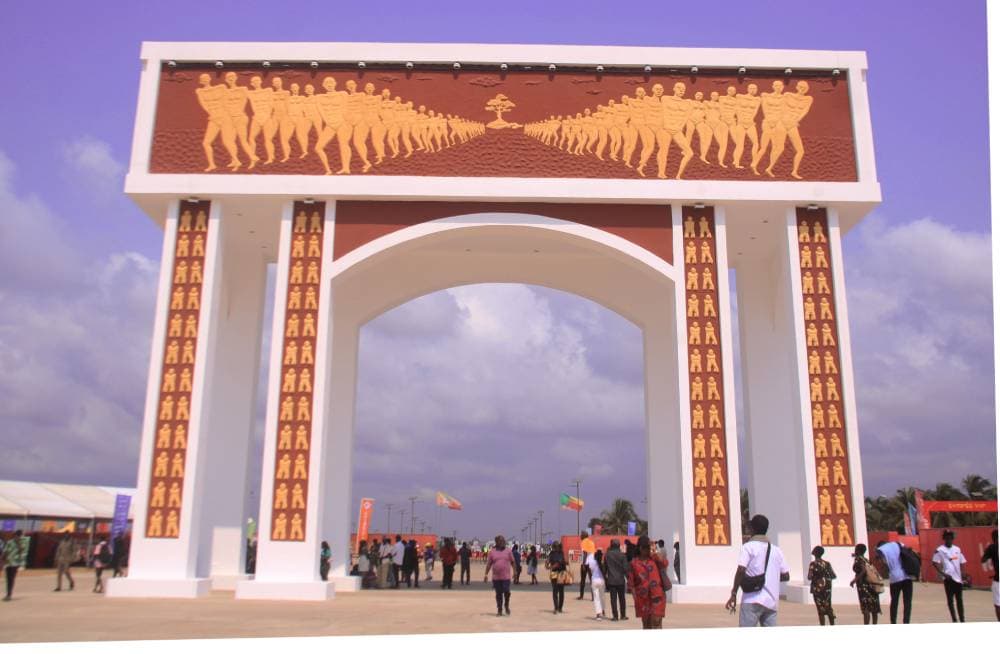
The Slave Route retraces the final journey of captives before deportation across the Atlantic. The route eventually reaches the Door of No Return, one of Benin’s most powerful symbols of remembrance.
A traveller from the United States once said there: “I may never know the names of my ancestors. But today, I found part of their story.”
Ouidah is also one of the world’s important spiritual centres of Vodun. Away from stereotypes, visitors discover a living tradition rooted in balance, respect for ancestors, connection with nature and responsibility towards the community.
Beyond major celebrations, Ouidah rewards travellers who take time to wander among colonial-era buildings, galleries, workshops, restaurants, murals, sculptures and everyday encounters.
Abomey, at the Heart of One of West Africa’s Greatest Kingdoms
Once the capital of the Kingdom of Dahomey, Abomey is a place where political, military and cultural history can still be felt today.
The Royal Palaces: An Exceptional Heritage
Listed as a UNESCO World Heritage Site, the Royal Palaces form one of Africa’s important historic complexes. Their courtyards, temples, bas-reliefs and objects tell stories of royal power, diplomacy, warfare and belief.
The Kings of Dahomey: Builders of a Powerful State
Figures such as Houégbadja, Agadja, Guézo, Glèlè and Béhanzin remain important in collective memory, evoking prosperity, reform, conquest, innovation and resistance.
The Dahomey Amazons: Women Who Made History
Known locally as the Mino, the women warriors of Dahomey formed a formidable military force. Their real history goes far beyond fiction and reveals the sophistication of the kingdom’s military structures.
A Museum That Brings Centuries of History to Life
Royal objects, thrones, sceptres, weapons, clothing, jewellery, instruments and ritual objects reveal the political, religious and social organization of the kingdom.
A City Where Heritage Is Still Alive
Abomey is not trapped in its past. Families, artisans, ceremonies, markets and festivals continue to carry aspects of its royal heritage into the present.
Destination Abomey
Heritage Recognized Around the World
Benin’s cultural richness is recognized internationally, including through the Royal Palaces of Abomey and the cultural landscape of Koutammakou.
The Tata Somba: The Living Fortresses of Northern Benin
In northwestern Benin, the Tata Somba rise from the landscape like earthen fortresses. Among the Batammariba they are known as Takienta and embody centuries of adaptation, architecture and cultural identity.
Architecture Born from Ingenuity and Adaptation
Built largely from local earth and materials, the Tata protect families, store harvests, shelter animals, provide ritual spaces and naturally regulate heat. Their design demonstrates principles now associated with sustainable architecture.
The Batammariba: Guardians of a Living Heritage
For the Batammariba, a house is never simply a building. It represents family history, identity and connection with ancestors. Its orientation, granaries, altars and sacred spaces all carry meaning.
The Cultural Landscape of Koutammakou
The Batammariba homeland extends into northern Togo and forms the cultural landscape of Koutammakou, where architecture, landscapes, beliefs, agriculture and village organization form a coherent whole.
An Encounter That Goes Far Beyond Sightseeing
Respectful community encounters may include observing daily activities, learning building techniques, discovering crops, meeting craftspeople or simply listening to people explain how tradition coexists with modern life.
A Lesson in Humility and Sustainability
The Tata Somba remind travellers that some of the world’s most remarkable architecture is not the tallest, but the architecture that quietly expresses centuries of ingenuity, resilience and harmony with nature.
Cultural Experiences That Turn a Simple Trip into an Unforgettable Memory
Monuments tell part of a country’s history, but it is often through people that you begin to understand its soul. At Kiblistours, human encounters stand alongside historical and cultural sites at the heart of the experience.
Meet the Artisans Keeping Ancestral Skills Alive
Across Benin, weavers, potters, blacksmiths, woodcarvers, bronze casters and instrument makers continue to practise skills passed down through generations. Their workshops reveal heritage through sound, texture, patience and human connection.
Share a Traditional Meal with a Beninese Family
Food tells stories about seasons, ingredients, family habits and generations of cultural influence. Sharing a meal often becomes memorable not only for the dishes, but for the welcome, generosity, laughter and conversation.
Attend a Traditional Celebration
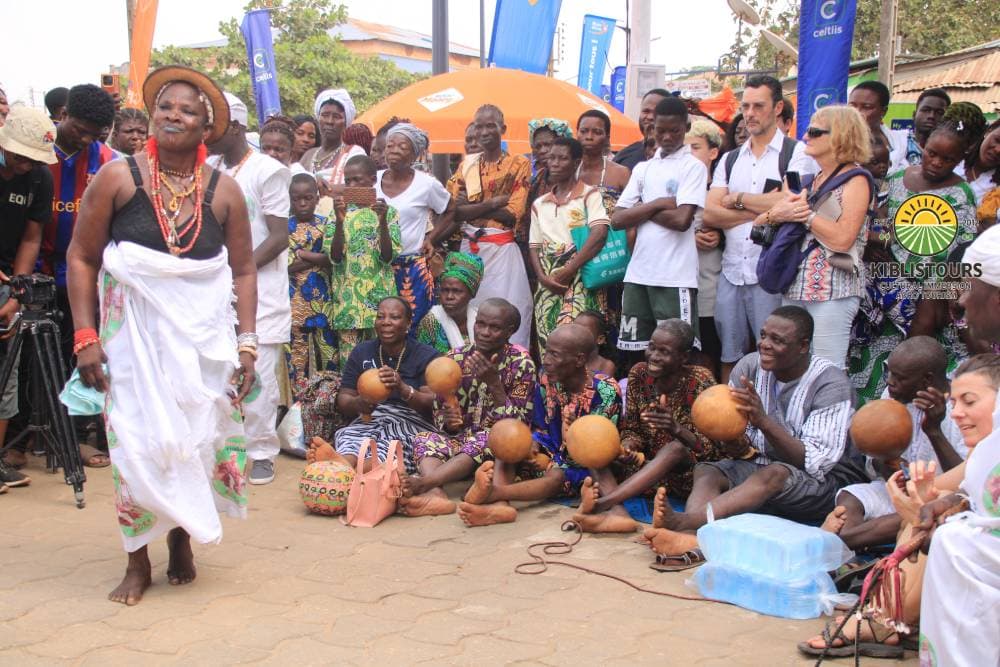
Festivals, community ceremonies, masks, dances and royal celebrations offer opportunities to witness traditions that remain meaningful to local communities. Travellers may arrive as observers and, respectfully, find themselves sharing in the atmosphere.
Discover the Markets: The Beating Hearts of Towns and Villages
Benin’s markets pulse with everyday life. Beyond commerce, they reveal local food, agriculture, craftsmanship, social relationships and countless opportunities for spontaneous human exchange.
Experiences That Stay with You Long After You Return Home
Travellers may forget a date or monument name, but they remember smiles, conversations, shared meals, passionate artisans and unexpected encounters. These are the moments that give travel its deepest value.
Why Choose a Cultural Tour with a Local Guide ?
A knowledgeable local guide can transform the same road, monument or landscape into a richer experience by revealing the stories, symbols and cultural context that the eyes alone cannot see.
Understanding What the Eyes Cannot See
A good guide does not simply recite dates. They explain traditions, symbols and historical context, allowing places to become chapters in a story you can truly understand.
Gain Access to Authentic Encounters
Because local guides have relationships built on trust, they can help create respectful encounters with artisans, village leaders, artists, fishermen, farmers, storytellers and families.
Travel with Respect for Local Traditions
Local guides help visitors understand customs around sacred places, ceremonies, photography and community interaction, creating the conditions for respectful and genuine exchange.
Save Time and Travel with Peace of Mind
A local guide understands roads, permissions, timing, markets, celebrations and changing local conditions. That knowledge allows travellers to spend less time worrying about logistics and more time experiencing the country.
Stories You Will Never Find in a Guidebook
Some of the most powerful travel moments arise from spontaneous invitations and personal stories. Monuments tell history. People give it a voice.
Kiblistours Expertise for a Truly Authentic Immersion
Kiblistours designs journeys around human encounters, local knowledge, flexibility and time to understand. A successful journey is measured not by kilometres travelled, but by emotions, people and stories remembered.
What to Do in Benin on Your First Trip
For a first journey, highlights can include Ganvié, Ouidah’s Slave Route, the Royal Palaces of Abomey, artisans, the Tata Somba, traditional markets, Beninese cuisine and, where appropriate, traditional celebrations or ceremonies.
Our Cultural Tours in Benin: Experiences Designed for Travellers Seeking Authenticity
Every traveller is different. Kiblistours designs itineraries around interests, expectations and preferred pace, while preserving authentic immersion in Beninese culture.
The Grand Cultural Tour of Benin
A comprehensive journey can connect Cotonou, Ganvié, Ouidah, Abomey and northern Benin, combining major heritage sites with encounters with artisans, families, artists and community representatives.
Immersive Tours at the Heart of Local Communities
For travellers who want to go deeper, immersive tours slow the pace and create time for cooking, workshops, markets, village walks and conversations with elders.
Fully Customized Private Journeys
Tours can be fully customized around photography, history, family travel, pace, accommodation, transportation, activities, cultural visits and community encounters.
A Journey Designed with Your Comfort in Mind
Cultural immersion does not mean sacrificing comfort. Thoughtful accommodation, transportation, local guidance and flexibility help travellers enjoy authentic experiences with peace of mind.
Responsible Tourism That Benefits Local Communities
Kiblistours works whenever possible with local guides, artisans, family-run accommodation, community initiatives, restaurants and producers, while encouraging respectful behaviour and cultural sensitivity.
More Than a Trip: An Experience That Stays with You
Travellers often return with photographs of famous places, but their strongest stories are usually about people: artisans, families, guides, children and spontaneous encounters.
Practical Tips for Planning Your Cultural Journey to Benin
What Is the Best Time to Visit Benin?
Benin can be visited throughout the year. The dry season, generally between November and March, is often comfortable for travel, while January is particularly interesting for travellers interested in Vodun culture.
How Many Days Should You Plan for Benin?
Seven to ten days allows many travellers to discover key cultural highlights without rushing. Twelve to fifteen days offers a gentler pace and more time for community encounters and lesser-known destinations.
What Should You Pack?
Lightweight breathable clothing, comfortable walking shoes, sun protection, mosquito repellent, a reusable water bottle, a daypack and respectful clothing for sacred or community settings are useful. And bring curiosity.
Getting Around During a Cultural Tour
Private vehicles provide flexibility between regions, while local boat journeys are part of experiences such as Ganvié. Flexibility makes room for unplanned encounters and discoveries.
A Few Tips for a More Authentic Experience
Greet people, ask permission before photographs, listen, learn a few local words, try unfamiliar foods, ask questions rather than making assumptions and allow yourself to slow down.
Prepare Your Adventure with Kiblistours
Kiblistours can design cultural journeys around history, culture, photography, spirituality, gastronomy, community encounters, nature or a combination of interests.
Why Travelers Choose Kiblistours to Discover Benin
Choosing a travel agency means deciding who you trust with your time, expectations and memories. Kiblistours aims to transform curiosity into a meaningful journey through local knowledge and human connection.
A Team Deeply Connected to Benin’s Heritage
Local guides know the roads, villages, traditions, languages, festivals, markets, artisans and cultural details that rarely appear in guidebooks. They act as cultural bridges.
Small-Group Tours That Encourage Genuine Interaction
Small groups create time for questions, conversations, flexibility and spontaneity, making it easier to enjoy meaningful encounters without rushing.
Personalized Support Before, During and After Your Journey
Support begins while the journey is still being imagined, continues throughout the trip and often extends afterwards as travellers share memories, return or recommend Benin to others.
Responsible Tourism That Benefits Local Communities
Responsible tourism is about economics, dignity and respect. Communities are hosts, not attractions, and meaningful cultural exchange should benefit both visitors and local people.
Our Commitment to Responsible Tourism
Responsible tourism is not a marketing slogan for Kiblistours. It means supporting local economies, respecting cultural encounters, reducing unnecessary environmental impacts and working with communities rather than simply consuming destinations.
Testimonials That Speak Louder Than We Ever Could
Travellers frequently highlight the human quality of their journeys: feeling like guests rather than tourists, enjoying flexibility and receiving explanations that helped them understand rather than simply see.
Ready to Experience Benin for Yourself?
You may arrive imagining Ganvié, Ouidah, Abomey or northern Benin. Yet the memory you treasure most may be an unexpected conversation, invitation, shared meal or story.
Why Book Your Tour with Kiblistours?
Choosing Kiblistours means choosing local expertise, carefully designed cultural itineraries, authentic encounters, flexible private and small-group tours, personalized support and responsible tourism.
Want to Discover Benin Differently?
Tell us what inspires you: history, Vodun spirituality, photography, cuisine, community encounters or the desire to experience a deeply authentic side of West Africa. Your journey can be designed around you.
Who Are Our Tours For?
Our cultural tours are designed for travellers seeking more than a conventional holiday: history and culture enthusiasts, couples, families, photographers, members of the African diaspora, travellers interested in spirituality, groups of friends and anyone who values human encounters.
FAQ
Why Choose a Cultural Tour in Benin?
A cultural tour offers access to historical sites, living traditions, ancient kingdoms, Vodun spirituality, lakeside communities, traditional architecture, craftsmanship and cultural diversity, enriched by local interpretation.
Is Benin a Safe Destination for Travellers?
Travellers should follow current official travel advice. Kiblistours plans itineraries according to local conditions and provides practical preparation guidance.
Do You Need a Visa to Travel to Benin?
Visa requirements depend on nationality. Travellers should check the latest official immigration requirements before departure.
What Are the Must-See Sites on a Cultural Tour of Benin?
Ganvié, Ouidah, Abomey and the Tata Somba are major highlights, complemented by markets, artisans’ workshops, community encounters, cuisine and village life.
Can You Attend a Vodun Ceremony During Your Trip?
Depending on the dates, place and nature of the ceremony, respectful observation may be possible. Vodun ceremonies are living spiritual practices, not tourist performances, and local guidance should always be followed.
Are the Tours Suitable for Families with Children?
Yes. Itineraries can be adapted for families through a gentler pace, shorter visits and more interactive experiences.
Can the Tours Be Customized?
Yes. Length, budget, interests, pace, regions, accommodation and experiences can all be adapted.
What Type of Accommodation Is Offered During the Tours?
Depending on location, accommodation may include comfortable hotels, guesthouses, eco-lodges or smaller locally managed establishments, selected for comfort, location, authenticity and reliability.
Can You Book a French or English Speaking Guide?
Yes, subject to availability and itinerary. Language requirements should be mentioned when making the initial enquiry.
How Do You Book a Tour with Kiblistours?
Booking begins with a conversation about dates, group size, length of stay and the experiences you want. Kiblistours then proposes an itinerary and guides you through the practical next steps.