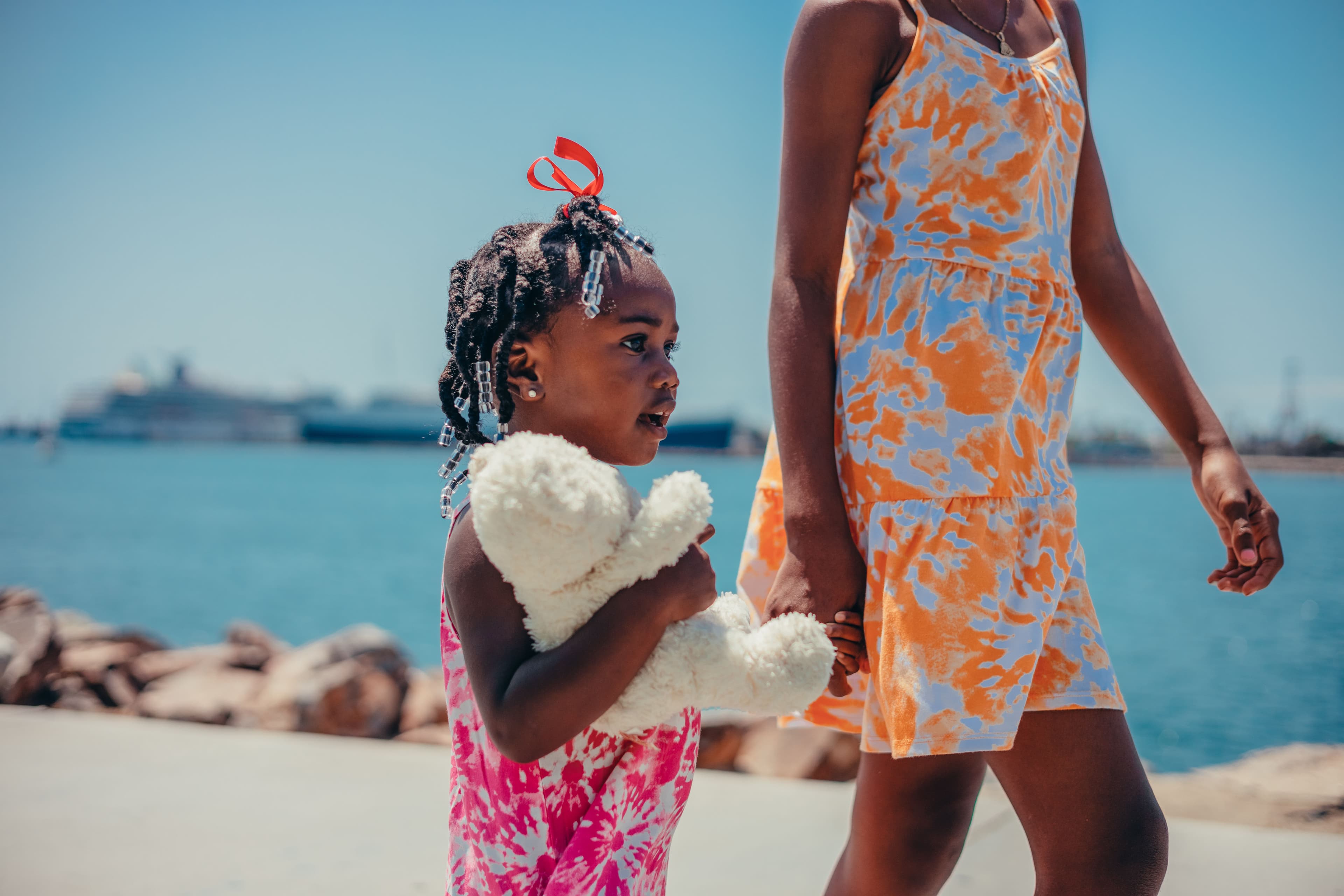
A cocoa pod opens and chocolate becomes a question. How can this fruit produce the bar we know? A little further on, an enormous leaf brings a walk to a halt; in a workshop, a fabric motif makes someone want to ask its story. Travelling to Ghana with children means sometimes letting these questions determine how long a visit lasts. Places matter, but so does the time allowed to understand them.
Accra, Aburi, the central coast, Kumasi and the Volta Region offer very different discoveries. Yet there is no need to combine them all: transfers, heat and hotel changes weigh on each day. For a first week, choose Accra and the coast. With ten days, add Kumasi; with twelve, favour a loop towards the Volta Region. Mole deserves a longer trip focused on wildlife.
Compare stops here by age, five- to fourteen-day routes and family budget. Practical advice then helps you prepare formalities, transport and activities.
Article revised on 16 November 2026. The itineraries are suggestions to personalise. Public prices serve as reference points; booked accommodation, transport, workshops and services are specified in your quotation.
The best stops to choose with children
Stop | What children enjoy | Suggested age or profile | Main precaution |
Accra | Museum, memorial park, crafts and food discoveries | All ages, with adapted visits | Traffic, heat and pace |
Aburi and Eastern Region | Gardens, cocoa and hill landscapes | Young and school-age children | Avoid repeatedly combining long days |
Shai Hills | Animal observation and guided nature exploration | Once the child enjoys short walks | Do not feed or approach monkeys |
Cape Coast and Elmina | History, coast and remembrance | Especially prepared children and teenagers | Emotional content of castle visits |
Kakum | Tropical forest, biodiversity and elevated walkways | Children comfortable with heights | Check access limits and ground-level alternatives |
Kumasi | Kente, adinkra, markets and Asante history | School-age children, preteens and teenagers | Choose suitable supervised workshops |
Volta Region and Wli | Gentle hiking, waterfalls and rural discovery | Children who enjoy walking and active families | Slippery ground, fatigue and waterways |
Mole | Wildlife observation and savannah landscapes | Families with more time | Long journey, heat and ranger rules |
For five days, remain around Accra. For seven days, add the central coast. Ten days allow time to discover Kumasi without rushing; twelve days can connect the south with the Volta Region, leaving Kumasi for another stay. Mole requires separate arrangements and more transfer time.
Choosing stops according to children’s ages
Ages 0 to 3: distinguishing infants from toddlers
With a baby or toddler, stability contributes to travel comfort. Two well-chosen bases maintain familiar routines and limit driving hours. A shaded garden, a relaxed meal and a short discovery can be enough for one day. Choose your hotel with the time spent there in mind: somewhere to rest, easily available meals and the ability to return quickly after an outing.
Before departure, check the cot, room configuration, food storage and a child seat suited to the vehicle. A pushchair works in some developed areas; uneven paths call for another solution chosen according to age and heat. With an infant under nine months, seek specialist medical advice before booking anything: yellow fever vaccination options vary with age.
Ages 4 to 7: learning by touching, watching and playing
At this age, begin with a concrete question: why do cocoa fruits grow on the trunk? How does a thread become cloth? A short explanation, an observed gesture and time to describe what they have understood make discoveries accessible. Accra, Aburi, a suitable cocoa visit or an easy Shai Hills outing are good initial choices.
A simple rule is to plan one main activity in the morning, then a light second stop only if the group still has the energy. Calculate door-to-door journey times, including traffic, toilet stops and meals. If heat or fatigue increases, returning is preferable to adding an improvised visit.
Ages 8 to 12: exploring, understanding and telling stories
Between eight and twelve, a map or travel journal gives everyone a role. One child records the stages, another draws a tree or chooses a question for the guide. At Kakum, those comfortable with heights may consider the walkways, subject to access rules and their willingness; others may prefer guided ground-level trails when offered.
Suggest a small learning challenge in each region: recognise three trees, draw a fabric motif, learn two greetings, distinguish a cocoa bean from chocolate or note differences between town and countryside. The aim is not to turn holidays into school, but to let each child take an active part in discovery. Difficult questions, particularly about slavery, require preparation and the freedom not to visit everything.
Ages 13 to 17: more choice and deeper meaning
Teenagers can help make decisions: choose a food experience, prepare questions for a guide, compare two historical sites or document a craft activity with the consent of those involved. Ghana offers stimulating subjects: independence and Pan-Africanism in Accra, architecture and remembrance on the coast, kingdoms and skills in Kumasi, and biodiversity conservation in reserves.
Also reserve time without visits and let teenagers choose one or two stops. After a long drive or an emotional discovery, they may need quiet rather than another activity. This free time often produces the most interesting conversations of the stay.
Discovering Accra as a family
Kwame Nkrumah Memorial Park: telling the story of independence without a lecture
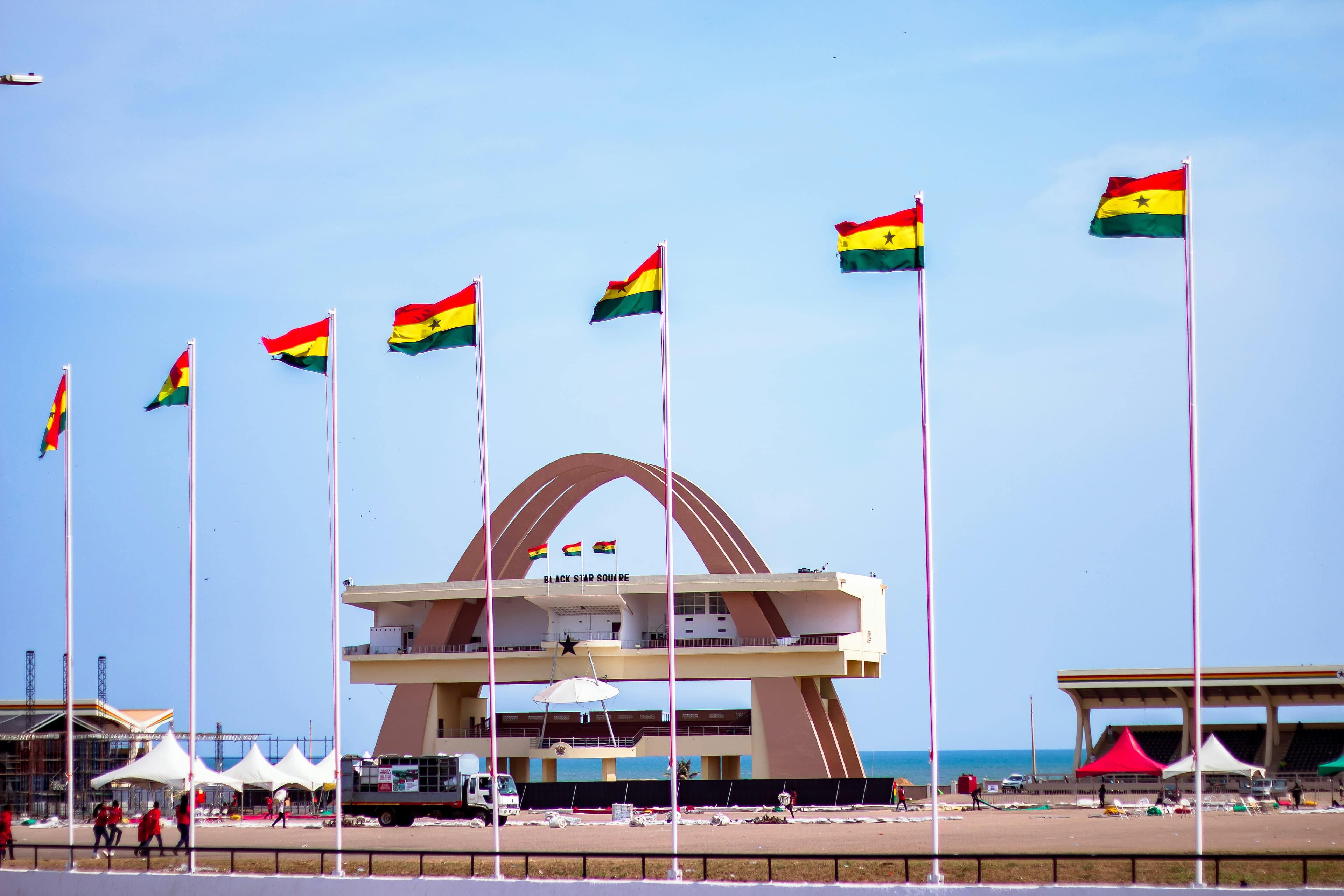
At Kwame Nkrumah Memorial Park, begin in the gardens. Ask children what they notice, then connect their observations with a question: what does becoming an independent country mean? The life of Ghana’s first president gives older children reference points; younger children can follow a short visit centred on spaces, symbols and objects. Leave time for questions instead of trying to explain everything.
The memorial publishes separate ticket categories for adults, children, and Ghanaian and non-Ghanaian visitors. Choose a short route followed by a relaxed lunch. Children’s questions - why build a memorial, what does independence mean - can guide the visit without turning it into a lesson.
The National Museum: looking at objects as stories
At the National Museum of Ghana, give each child a task: choose an object and describe what they think they have understood. An instrument, textile or archaeological object can start a conversation about uses and skills. Then return to the label or guide to distinguish observation from imagination. A few objects studied carefully are worth more than rushing through the entire collection.
Consult GMMB information for opening hours and collection access. For younger children, choose a few objects and a short visit. With school-age children, distinguish what an object teaches us from what we imagine: this nuance makes observation more stimulating.
Markets, crafts and first tastes: meeting people without disturbing them
In an Accra market, fruit, fabrics and conversations draw attention in every direction. With children, set limits to the walk: one area, a guide who knows it and a clear meeting point. Dense crowds are unsuitable for pushchairs and easily overwhelmed children. Ask permission before photographing people and let traders work.
Begin with a small portion of jollof rice or seasonal fruit, according to tastes and allergies. Ask which dishes can be served with little spice. For a cooking workshop, book a facilitator and clarify ingredients, duration and tasks accessible to children.
A first day in Accra that gives the family breathing space
Keep arrival day for settling in, eating and resting. The next day, choose the memorial or museum, then a short walk. If staying a third day, a craft discovery or outing beyond the city can build on these first impressions. Two or three nights in the same hotel avoid starting the holiday with repeated packing.
Aburi cocoa and Shai Hills around Accra
Aburi Botanical Gardens: learning to look at trees
Aburi Botanical Gardens offer an escape from Accra’s bustle for a walk among trees. Paths and shaded spaces give children opportunities to observe leaves, trunks and plant shapes. Choose a route suited to the group’s walking ability and enquire about toilets and lunch options.
Slow down beneath Aburi’s trees. Which leaf is biggest? Which bark looks smooth, and which seems rough? Children can compare shapes without picking anything. A notebook and pencil are enough to extend the walk; lunch in the area can then complete the outing without imposing a second excursion.
A cocoa plantation: from fruit to chocolate bar
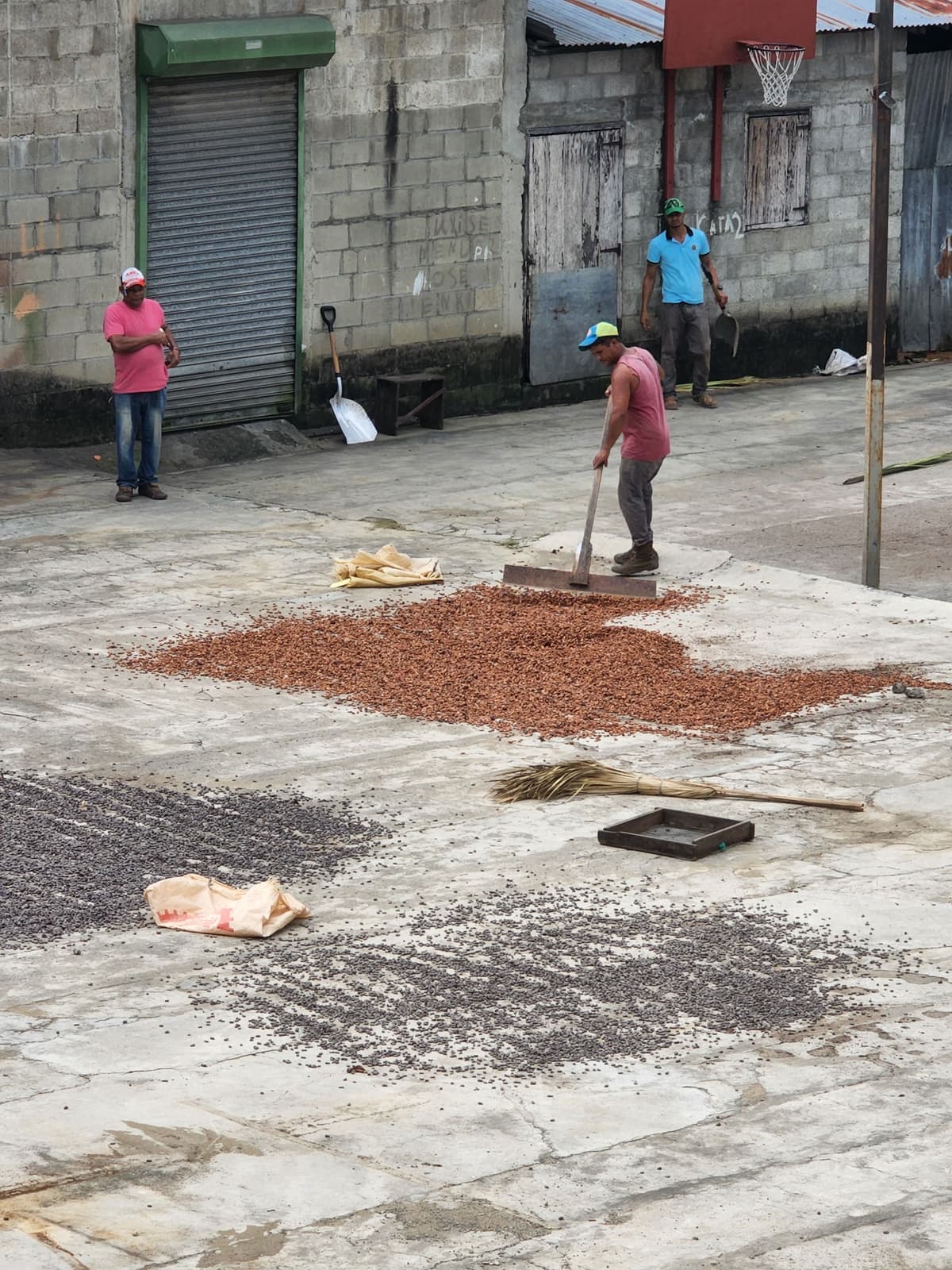
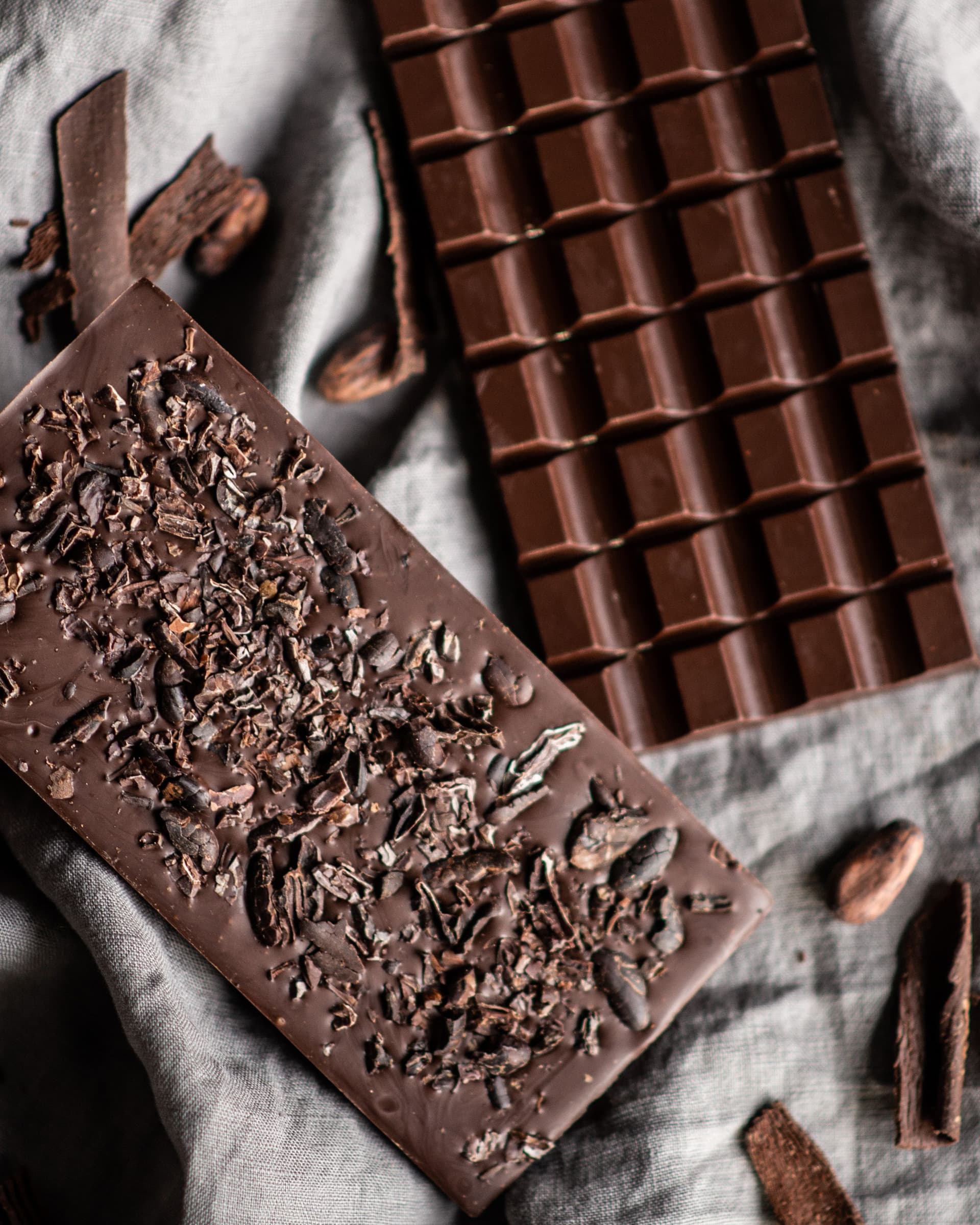
For a child, cocoa often means powder or a chocolate bar. Discovering a pod on a tree immediately changes that understanding. In the Eastern Region, heritage experiences around Mampong-Akuapem and processing visits at Amanase introduce, depending on the actual booking, cultivation history, harvesting, fermentation, drying and chocolate-making. The Kiblistours article on Ghana’s cocoa farms and chocolate makers details these places and distinguishes historical visits, agricultural encounters and practical workshops.
Further reading on Kiblistours: Also on Kiblistours: Ghana’s cocoa farms and chocolate makers
Observe a pod and processing stages with a facilitator. Cutting tools and machines remain for professionals. Tasting, handling and practical workshops are separate activities with their own age and supervision rules; choose those the site offers for your family.
Shai Hills: observing animals without treating the reserve as a zoo
At Shai Hills, the landscape opens onto coastal savannah and rocky hills. The Wildlife Division presents this reserve near Accra for its baboons, birds and rock formations. With your guide, look for movement, tracks or habitat. The outing’s value is learning to observe free-living animals, even when they remain distant.
Keep food packed away and neither feed nor touch baboons. Request an easy outing if the group includes young children: caves and rocky passages do not suit everyone. The guide adapts the route to the day’s conditions. Brief, quiet observation is enough; moving closer for a photograph must not become the visit’s purpose.
Boti Falls and Umbrella Rock: another side of the Eastern Region
Boti Falls and Umbrella Rock offer another Eastern Region outing focused on waterfalls and rock formations. Set aside a dedicated day rather than adding them to Wli, which is in the Volta Region. Before booking, ask about the number of steps, route duration and access conditions: rain, uneven ground and children’s walking abilities determine the choice.
For Umbrella Rock, choose a walk with the guide that matches the terrain and children’s confidence. Ask about steps, uneven sections and the return duration. Teenagers who enjoy rocky landscapes may appreciate this dedicated stop; with toddlers, a short walk and relaxed lunch are often more suitable.
Combining Aburi, cocoa and Shai Hills sensibly
For one day, choose Aburi with a regional stop, or Shai Hills with a relaxed lunch. For two days, book a botanical visit and a confirmed cocoa experience, then a separate day for the reserve. The return journey is part of the programme: with young children, keep the same hotel and decide departure time before the final visit ends.
Cape Coast Elmina and Kakum forest
Why choose the central coast for a family?
On the central coast, days can change character profoundly: forest at Kakum, history at Cape Coast or Elmina, then a walk by the sea. Keep these discoveries on separate days. A forest morning engages the body and observation; a visit related to the transatlantic slave trade requires preparation and time to discuss it.
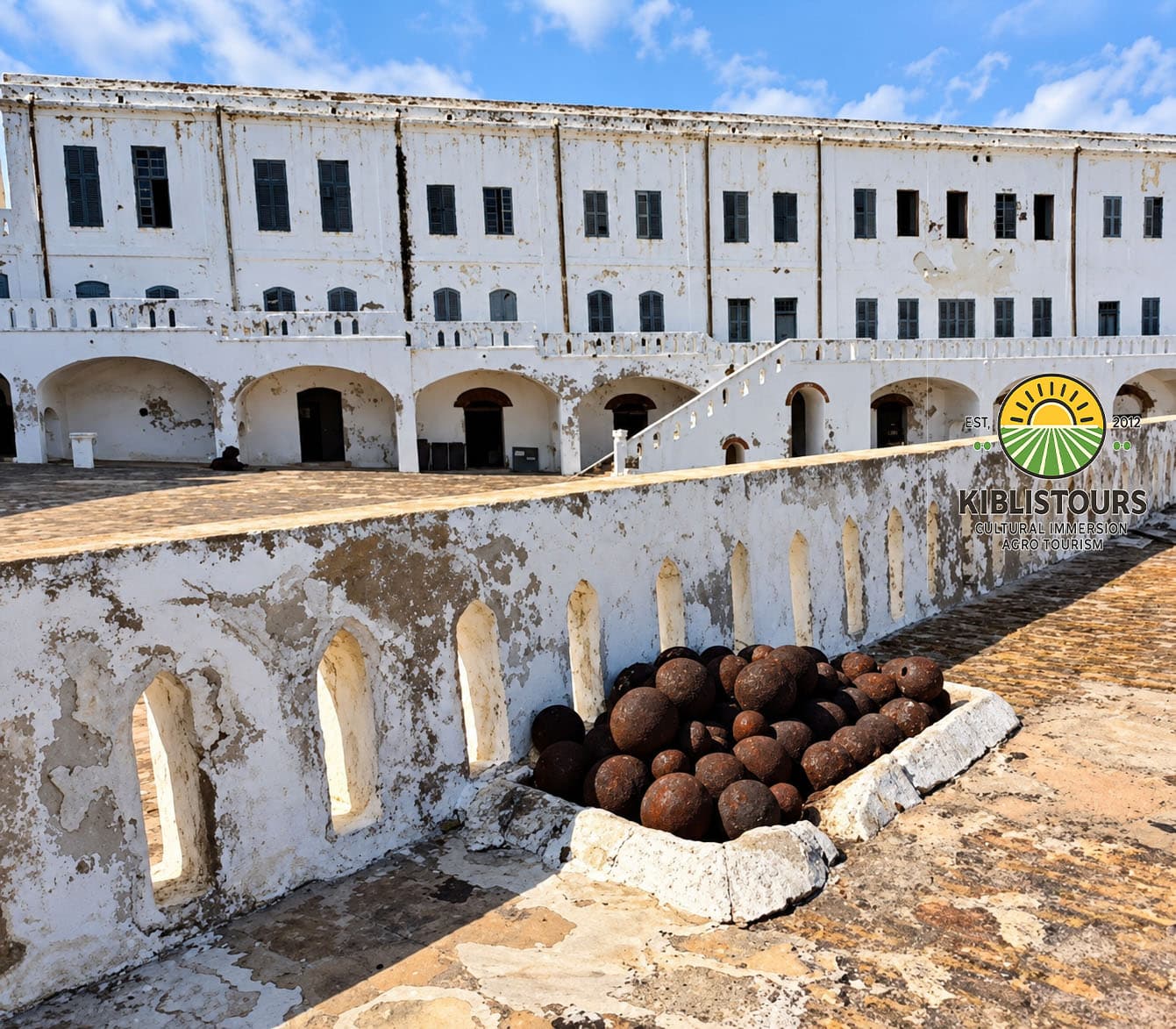
Choose a comfortable coastal base. Before a castle visit, explain in age-appropriate language that people were held captive there and forcibly deported. Ask the guide how to adapt the route and accept that a child may not want to enter certain spaces. For younger children, an accompanied coastal walk can replace the remembrance visit.
Cape Coast Castle: explaining the facts with care and respect
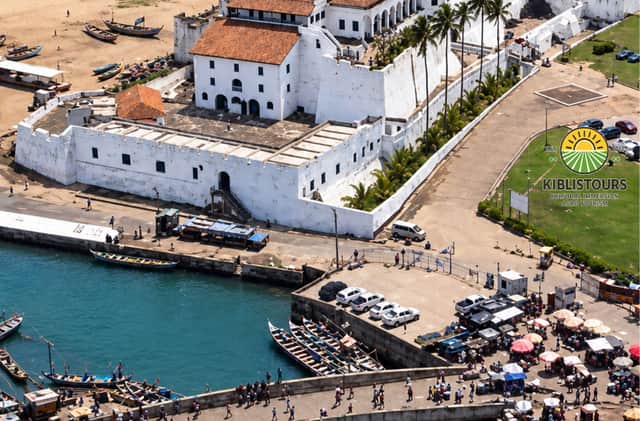
Cape Coast Castle, now managed by the Ghana Museums and Monuments Board, is part of Ghana’s forts and castles inscribed on the UNESCO World Heritage List. Its history intersects with Atlantic exchanges, colonial domination and the transatlantic slave trade. A guided visit provides essential context but can deeply affect children. Rather than requiring every room, ask the managing body and guide how the route can be adapted. A parent may choose to remain outside with a child who does not want to enter certain spaces.
For children old enough, prepare three ideas: these walls were built in different periods; people suffered captivity and extreme violence here; today, the monuments also pass on history and prompt reflection on human rights. Afterwards, allow silence or open conversation without expecting a particular emotional response. A quiet break and a meal can help with the transition. Published museum hours and prices are starting points, not guarantees for your chosen day.
Elmina Castle: the fortress, port and present-day town
In Elmina, St George’s Castle, founded in 1482, overlooks a still-active urban area. UNESCO highlights the significance of the forts and castles heritage ensemble, and the Ghana Museums and Monuments Board provides visiting information. A family stay can combine carefully prepared historical discovery with a walk through accessible parts of town led by a local guide, without hindering port activities.
Further reading on Kiblistours: Also on Kiblistours: Elmina Castle history and visiting
Look at the port as a workplace: fishing, selling and boat maintenance. Remain in authorised spaces and ask before photographing. If some children do not want to enter the castle, a parent can accompany them in a lighter activity while the others continue.
Kakum National Park: the forest at children’s eye level, then at canopy height
Kakum protects a tropical forest described by the Forestry Commission as rich in trees, birds and butterflies. Its suspended walkway offers views of the treetops, but exploring the park means more than this crossing. A guided ground-level walk can provide another understanding of vegetation and forest ecology.
Before visiting, check permitted ages, accessible routes, weather and staff rules. Respect a child’s refusal if they fear heights and arrange a ground-level alternative when available. Grippy footwear and free hands make progress easier. The presence of animals in the forest does not guarantee sightings.
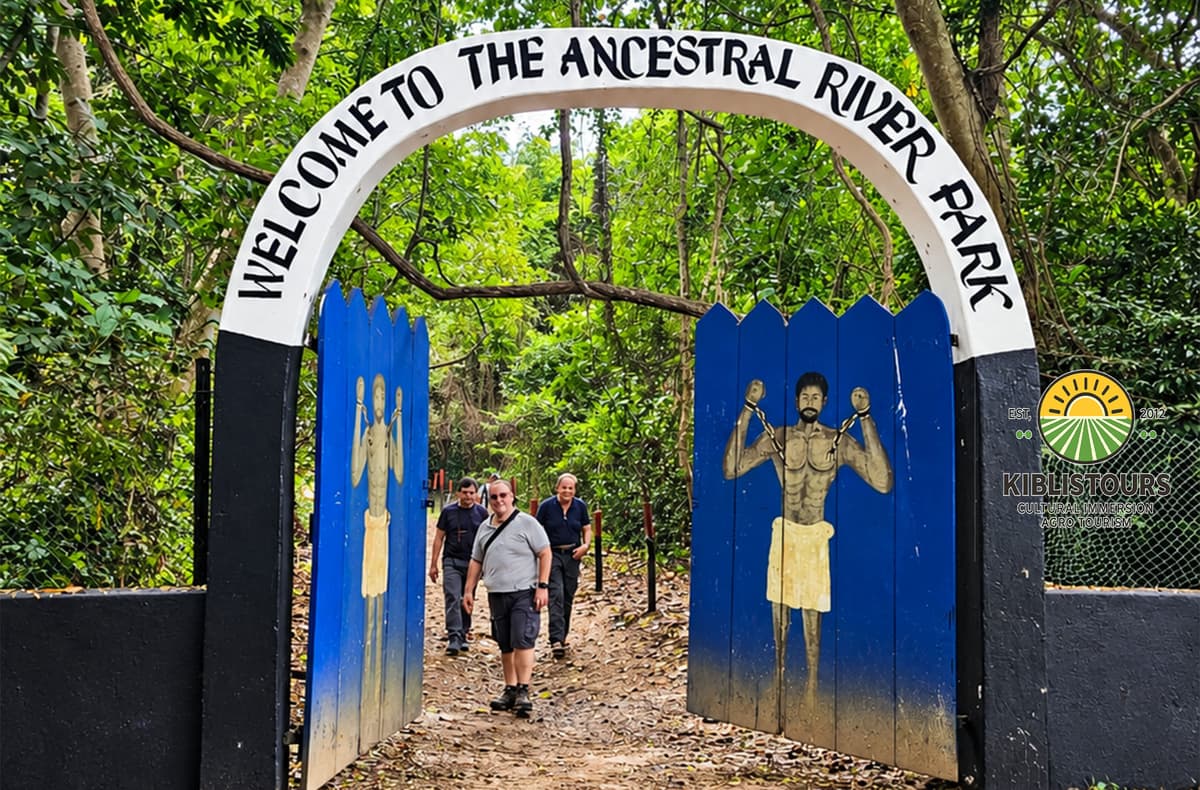
Coastal beaches: yes for the views, caution for swimming
Beaches can offer walks and games on the sand. However, British travel advice highlights dangerous currents and undertows along Ghana’s southern coast. A busy beach or seafront hotel does not guarantee safe swimming. For this journey, favour activities out of the water; any swimming requires a separate assessment of local conditions and close supervision.
Watching waves, drawing in the sand and observing boats from an authorised area already make a lovely coastal break. Choose a place and time appropriate to tides and weather. Near the water, keep young children within immediate reach; the same vigilance applies around pools. Flotation equipment does not replace supervision.
Kumasi and Asante skills
Understanding a city beyond its market
In Kumasi, a motif can become the starting point for a day. Fabrics, crafts and heritage tell the connections between Asante history and contemporary life. Younger children follow techniques; teenagers can explore institutions and the transmission of skills. Give the city at least two nights to discover more than its busiest roads.
Allow at least two nights for Kumasi, with rest after arrival. In town, request a short market route suited to children. Workshops and heritage visits vary the experience without repeatedly crossing the most congested areas.
Kente and adinkra: a working workshop rather than just a shop
In a workshop open to visitors, first follow the craftsperson’s work: a repeated gesture, colours assembled, a motif appearing. Ask about its meaning and use. An introduction to weaving or printing is possible only when offered and supervised; book it and pay for the time devoted to your family.
Each child can choose a motif, ask its meaning and explain what appeals to them. This small exercise gives meaning to a possible souvenir purchase. Obtain the necessary consent for photographs and demonstrations: a workshop remains a workplace.
Palaces, heritage and perspectives on Asante history
Kumasi’s heritage sites introduce the history of Asante authorities and cultural transmission. UNESCO-listed Asante traditional buildings illustrate architecture in earth and wood with relief decoration. Access must be prepared site by site; choose a visit that is actually open and suitable for the family.
For younger children, retain a brief story and a few visible details. With teenagers, compare the functions of a palace, workshop and historic religious building. These places have different uses, sometimes still active. Preserve a free afternoon or half-day rather than adding a site nobody will enjoy.
Lake Bosomtwe: slowing down beside a distinctive landscape
Lake Bosomtwe, south-east of Kumasi, can offer a scenic break during a longer stay. A waterside walk and relaxed lunch are enough to discover the place. For a boat outing, check the operator, child-appropriate equipment and weather; swimming is not part of the proposal described here.
Keep this stop for a stay with a free day around Kumasi. It provides a transition from urban discovery to quiet time beside the lake without another overnight stop. With an already busy programme, keeping the break at the hotel is preferable.
Waterfalls and villages in the Volta Region
Wli: choosing the lower waterfall rather than an excessive challenge
At Wli, favour the lower waterfall for a first family hike. The managing body describes a route of about 2.2 km and 30 to 40 minutes’ walking one way; allow longer for breaks, the return and children’s pace. The ground can be slippery. The upper waterfall involves a much more demanding hike, advertised at around three to four hours depending on the route: clarify total duration and required ability before considering it. Published Wli hiking routes
Approaching the waterfall, the sound of water gradually replaces conversation. Let the guide choose a safe viewpoint: rocks can be slippery and the pool is not a supervised swimming pool. Bring water, closed shoes and rain protection according to the season. Allow return time from the outset and accept turning back if conditions require it.
Liati Wote: rural immersion that respects residents
Around the Agumatsa hills and Mount Afadja, Liati Wote offers an excellent opportunity to discover farming landscapes and village life through organised local interpretation. The Kiblistours article on rural immersion in a Ghanaian village presents routes that do not all require climbing a summit. This matters for families: encountering a place does not necessarily mean undertaking a difficult hike.
Further reading on Kiblistours: Also on Kiblistours: rural immersion in Liati Wote
A farm walk, cooking activity or discussion with hosts can make a rewarding day. Agree on content, duration and payment for facilitators. The encounter remains an exchange: respect private spaces and obtain consent before photographs, particularly of children.
How to organise a proper nature stop
Plan a regional base with two useful days: one for an organised rural encounter, the other for a waterfall accessible to the group. A third day allows a more active outing or simply rest. After travelling from Accra, keep settling in as the only late-day obligation.
Preparing a stay at Mole National Park
A remarkable but distant experience
Mole appeals to families wishing to devote several days to savannah wildlife. The Forestry Commission describes diverse mammals, birds and habitats; elephants may be seen, without any guarantee. The park’s distance justifies building the stay around this discovery and reducing other regions visited.
Access from Accra takes time and can tire young children. Keep overnight stops and breaks. Before choosing the north, consult official safety advice and have your selected route checked; conditions are not uniform across all regions.
Vehicle safaris and guided walks: different rules
For a family, a vehicle outing may be preferable to a walking safari. Ask the park about admitted ages, duration, vehicle and ranger presence for the chosen activity. Being able to walk far does not itself authorise a child to join a walk among wild animals.
Before the outing, encourage children to observe more than the most anticipated animals: a track, bird or change in vegetation. The ranger helps interpret what you see. An antelope encounter can become the day’s memory; no elephant needs to appear for the outing to be meaningful.
Larabanga and cultural encounters
A stop in Larabanga introduces the region’s architectural and religious heritage. Arrange the visit with a local guide and respect access and photography rules at places of worship. Some areas may remain reserved for community use.
Family itineraries in Ghana from five to fourteen days
Distances and transfer times: suitable allowances for travelling with children
The distances and times below help organise stages by vehicle. Exact addresses, traffic and road conditions change them. Add meal and toilet breaks; avoid placing a demanding visit after a long transfer.
Journey | Indicative distance | Driving time to allow | Family planning perspective |
Accra → Aburi | approx. 35-40 km | 1-2 hr | Possible as a day trip |
Accra → Shai Hills | approx. 45-55 km | 1-2 hr | Keep to a suitable wildlife route |
Accra → Boti Falls | approx. 100-110 km | 2 hr 30 min-4 hr | Allow a full day and extra time for final access |
Accra → Cape Coast | approx. 140-170 km | 3-5 hr | Early departure; no demanding visit on arrival |
Cape Coast → Kumasi | approx. 200-220 km | 4-6 hr | Transfer stage; breaks required |
Kumasi → Accra | approx. 240-270 km | 5-7 hr | Do not schedule a flight shortly after arrival |
Accra → Wli / Hohoe | approx. 220-280 km depending on destination | 5-8 hr | Long transfer; regional overnight stay recommended |
Kumasi → Tamale | approx. 370-385 km | 6-8 hr | A day on the road; no late activity |
Tamale → Mole | approx. 145-160 km | 2 hr 30 min-4 hr | Confirm road conditions and park booking |
These ranges are planning references, not guaranteed schedules. Use an up-to-date road itinerary and stages suited to the season for your programme.
Five days: a gentle introduction around Accra
Day 1 - Accra and settling in. Arrival, transfer to accommodation, a meal and rest. Depending on timing, a short walk is enough. Do not schedule a compulsory visit after a flight or long drive: children need to re-establish routines and adapt to the climate.
Day 2 - Cultural Accra. Visit Kwame Nkrumah Memorial Park in the morning, then choose a relaxed lunch. Keep the afternoon free or allow a brief museum visit according to children’s ages and fatigue. The aim is to understand a first chapter of Ghanaian history, not cover every capital-city monument.
Day 3 - Aburi gardens. Leave the city for a botanical walk, tree observation and a picnic or meal at an agreed venue. Keep the end of the day deliberately flexible to avoid a late hotel return.
Day 4 - Shai Hills or cocoa. Choose one major activity: a guided wildlife outing without contact with animals, or a cocoa-growing discovery with a confirmed facilitator. The choice depends on children’s mobility, actual travel time and availability.
Day 5 - Guided market, souvenirs and departure. A short craft discovery precedes the transfer if timing allows. This programme particularly suits early travel experiences with children under eight, without claiming to suit every family.
Seven days: Accra, gardens, Kakum forest and the central coast
Day 1 - Accra: arrival and settling in. Day 2 - Memorial or museum, then a short food or craft discovery. Day 3 - Aburi or Shai Hills, returning to Accra. Day 4 - Transfer to Cape Coast, settling in and rest. Day 5 - Kakum: forest walk and optional walkway according to rules and willingness. Day 6 - Cape Coast or Elmina: one adapted remembrance visit, then a break. Day 7 - Return to Accra and departure only if the schedule provides sufficient margin; otherwise, add a night in Accra.
This week uses two main bases and separates the forest from the historical visit. With very young children, replace the castle with a light coastal discovery. For an early return flight, another night in Accra is preferable to a long same-day transfer.
Ten days: adding Kumasi and craft skills
This ten-day, nine-night route allocates three nights to the central coast to separate Kakum from the remembrance visit. It then allows three nights in Kumasi, with a free half-day, followed by a night in Accra before departure.
Day | Stage and journey | Main activity | Overnight stay |
Day 1 | Accra | Arrival and rest | Accra |
Day 2 | Accra | Memorial or museum and a light activity | Accra |
Day 3 | Accra → Cape Coast | Coastal transfer and settling in | Cape Coast |
Day 4 | Kakum | Guided forest walk; optional walkway | Cape Coast |
Day 5 | Cape Coast or Elmina | One adapted remembrance visit; a break | Cape Coast |
Day 6 | Cape Coast → Kumasi | Transfer and rest | Kumasi |
Day 7 | Kumasi | Pre-booked kente or adinkra workshop | Kumasi |
Day 8 | Kumasi | Heritage or scenic break, then free time | Kumasi |
Day 9 | Kumasi → Accra | Transfer with breaks | Accra |
Day 10 | Accra | Departure according to transport schedule | End of stay |
It particularly suits school-age children and teenagers interested in crafts. To maintain this pace, keep the Volta Region and Mole for another stay.
Twelve to fourteen days: two distinct alternatives
Option A - Twelve days and eleven nights between Accra, the central coast and the Volta Region. This route leaves Kumasi for another trip: three nights on the coast, three in the Volta Region and breaks in Accra reduce the accumulation of long transfers.
Day | Stage and journey | Main activity | Overnight stay |
Day 1 | Accra | Arrival and rest | Accra |
Day 2 | Accra | Memorial or museum and light craft discovery | Accra |
Day 3 | Accra → Cape Coast | Transfer and settling in | Cape Coast |
Day 4 | Kakum | Guided forest walk, quiet afternoon | Cape Coast |
Day 5 | Cape Coast or Elmina | One adapted remembrance visit | Cape Coast |
Day 6 | Cape Coast → Accra | Return and rest | Accra |
Day 7 | Accra | Rest day; optional short outing | Accra |
Day 8 | Accra → Hohoe / Wli | Transfer with breaks, then settling in | Hohoe or Wli |
Day 9 | Wli | Guided lower waterfall visit subject to conditions | Hohoe or Wli |
Day 10 | Liati Wote | Organised rural encounter and adapted walk | Hohoe or Wli |
Day 11 | Hohoe / Wli → Accra | Return with a time allowance | Accra |
Day 12 | Accra | Departure transfer | End of stay |
Option B - Fourteen days and thirteen nights with Kumasi and Mole. This proposal reserves just one major central-coast discovery, Kakum or a castle, before continuing north. To include Kakum and a remembrance visit on separate days, add at least one day. The Tamale-Accra return requires a confirmed domestic flight; without it, the duration and stages must be revised.
Day | Stage / journey | Main activity | Overnight stay |
Day 1 | Arrival in Accra | Settling in and rest | Accra |
Day 2 | Accra | Memorial, museum or short workshop | Accra |
Day 3 | Accra → Cape Coast | Transfer and light coastal discovery | Cape Coast |
Day 4 | Kakum OR Cape Coast / Elmina | Just one major discovery; leave the other option for a longer stay | Cape Coast |
Day 5 | Cape Coast → Kumasi | Interregional transfer | Kumasi |
Day 6 | Kumasi | Workshops and Asante cultural heritage | Kumasi |
Day 7 | Kumasi → Tamale | Long driving day, regular breaks | Tamale |
Day 8 | Tamale → Mole | Transfer and park-rules briefing | Mole |
Day 9 | Mole National Park | Wildlife observation by vehicle if authorised | Mole |
Day 10 | Mole / Larabanga | Second gentle outing or cultural visit | Mole |
Day 11 | Mole → Tamale | Return transfer; spare time | Tamale |
Day 12 | Tamale → Accra | Confirmed domestic flight and hotel transfer | Accra |
Day 13 | Accra | Buffer day, suitable activity | Accra |
Day 14 | Accra | Departure transfer | None - end of stay |
The twelve-day route includes five nights in Accra, three in Cape Coast and three in the Volta Region. The fourteen-day route includes four nights in Accra, two in Cape Coast, two in Kumasi, two in Tamale and three in Mole. Road days remain devoted to transfers and rest.
Choose the Volta Region for waterfalls and rural encounters, or Mole to place wildlife observation at the centre of the stay. With young children, extending a southern base is often more comfortable than adding regions.
Choosing when to travel
The coast and forest regions: planning around rainfall
On the coast and in southern regions, heat and humidity can be present much of the year. Rainy periods affect roads, walks and outdoor activities; they may also make some waterfalls more impressive. Promising ideal weather for a particular date would be misleading. For a family, the best approach is flexible stages and an indoor alternative if heavy morning rain prevents a planned outing.
Keep an indoor activity and appropriate equipment in the programme: grippy shoes, rain protection and bags for devices. At Kakum, Boti or Wli, trail conditions matter more than climate averages.
The north and Mole: considering heat, distances and safety advice
In the north, the dry season favours some wildlife observations, while heat can become particularly demanding. The Forestry Commission indicates that Mole’s dry season runs mainly from November to March, with sometimes very high temperatures in March-April. For children, an early safari or reduced programme may be wiser than a long outing in the sun. Choosing a season does not replace consulting current safety advice and road conditions.
Preparing formalities health and safety
Passports, visas and children’s documents
Every child must have the travel document required for their nationality. Beninese nationals benefit from visa exemption for Ghana, subject to other entry conditions. Use the official checker with each person’s nationality and passport type, then follow the result “Visa-Free”, “ETA Required” or “eVisa Required”. Residence in Benin alone does not determine the applicable rules.
When travelling with one parent, a grandparent or another accompanying adult, check applicable proof of parentage, authorisations and custody rules. Carrier, departure-country and transit requirements may apply in addition to Ghana’s. Keep originals accessible and copies separately.
Electronic health declaration for every arriving traveller
The Ghana Health Service portal presents the health declaration as mandatory for arrivals. Complete it before the Port Health counter and keep the QR code offline. A parent or guardian completes the procedure for a child under 12. The declaration is separate from immigration documents and the vaccination certificate.
Yellow fever, malaria and children’s medical preparation
Consult a doctor or travel medicine centre several weeks before departure. They will review vaccinations, health documents, malaria prevention and each child’s needs. Ghana requires proof of yellow fever vaccination under applicable rules; clarify the situation of an infant or contraindication before booking.
Infants under nine months: a medical decision before booking anything
Before six months, yellow fever vaccination is contraindicated according to the CDC. Discuss postponing travel that exposes the infant to transmission risk with the doctor.
From six to eight months, the vaccination decision requires specialist assessment of travel and vaccine risks. A medical exemption does not automatically guarantee admission at the border.
From nine months, children without contraindications should be vaccinated before travelling to a country where yellow fever is endemic, according to the CDC. The authorised centre will clarify timing and the required certificate.
For malaria, request prevention adapted to age, weight and medical history, and protect children against mosquito bites. Fever during or after the stay requires prompt medical advice, mentioning the journey. Bring prescriptions and regular treatments; do not estimate a child’s dose by roughly dividing an adult dose.
Roads, child seats and transport safety
Book a vehicle with working seat belts and restraints appropriate to children’s ages and sizes, compatible with its seats. Check availability before confirming. Prioritise daytime travel, breaks and a rested driver.
Keep water, snacks, regular medication and sun protection within reach. After a long drive, plan settling in and rest. If weather or driver fatigue slows the journey, reduce activities rather than forcing the arrival time.
Water, food, swimming and wild animals
Choose safe water and food prepared and stored appropriately; communicate allergies. Do not let children touch or feed animals, even those accustomed to visitors. Near any water, clearly identify the adult supervising and keep younger children within immediate reach.
Accessibility and particular needs
Specify organisational needs: step-free access, toilets, walking time, sensitivity to noise or regular breaks. A visit can be replaced by a more accessible activity. Ask for concrete information about the site and vehicle rather than simply accepting a “family-friendly” label.
Site access: what is published and what must be confirmed
For Kakum, Wli and Mole, preparation focuses on routes, admitted ages and supervision. The table summarises points to check with managing bodies to choose an activity that is genuinely appropriate.
Site | Verified public reference information | To confirm specifically for your family | Source |
Kakum | Suspended walkway and guided forest walks; trails described. | Accepted age, ability, weather, time slot, assistance and ground-level visit option. | Forestry Commission / Kakum Park |
Wli - lower waterfall | Published route of about 2.2 km and 30-40 min one way; allow longer with children. | Bridge conditions, weather, return duration, child prices, guide and availability. | Wli managing body |
Wli - upper waterfall | Demanding hike advertised at approximately 3-4 hr; clarify total duration and route. | Admission of minors, actual return duration and safety arrangements. | Wli managing body |
Mole | Savannah reserve with wildlife observation and supervised excursions. | Minimum age for chosen safari, vehicle type, ranger, duration, season and total price. | Forestry Commission |
For Wli, two pricing pages on the same domain still display different amounts. Ask for the price applicable to your children’s ages and what it includes, particularly guiding. This confirmation is more useful than a budget based on the lowest advertised amount.
Choosing accommodation and preparing the budget
A suitable hotel can be worth more than an extra attraction
Choose somewhere that limits journeys and allows returns for breaks. Specify beds, any connecting rooms, cot, meals, air conditioning and mosquito protection. If the hotel has a pool, check access and supervision; an adult remains responsible for the child.
For a week, two well-placed bases are often enough. For ten days, three already provide varied landscapes. Before adding a region, compare extra discovery time with driving hours and transfer costs. Another night in one place may provide a better day than another hotel change.
Comparing expenses and understanding what the price covers
Separate individual costs, such as admission, from shared expenses, such as the vehicle and family room. Child discounts depend on ages and ticket categories. Compare proposals covering the same route, room configuration and service duration.
A clear family quotation details the vehicle, overnight stays, meals, admission fees and options. Also check airport transfers, child seats, taxes and any workshop fees: these can substantially change the total.
Budget example: a family of four for seven days
Calculation example for two adults and two school-age children, seven days and six nights on the Accra-Aburi-central coast-Accra route. Memorial admission uses its public non-Ghanaian rate; other lines are illustrative allowances chosen to show expense categories, without supplier quotations. They do not describe average market prices and are not a Kiblistours package.
Item | Calculation basis | Amount GHS | CFA equivalent |
Vehicle and driver | 7 days × GHS 750 | 5,250 | 266,100 |
Family accommodation | 6 nights × GHS 900 | 5,400 | 273,700 |
Family meals | 7 days × GHS 320 | 2,240 | 113,500 |
Kwame Nkrumah Memorial Park | 2 adults × 100 + 2 children × 30 | 260 | 13,200 |
Other visits and admission fees | Overall allowance | 800 | 40,500 |
Guides and workshops | Overall allowance | 650 | 32,900 |
Water and snacks | Overall allowance | 350 | 17,700 |
SUBTOTAL | Sum of items | 14,950 | 757,700 |
Contingency reserve | 10% of subtotal | 1,495 | 75,800 |
TOTAL FOR THE EXAMPLE | Subtotal + reserve | GHS 16,445 | 833,500 |
In this example, the family budget reaches GHS 16,445 including a 10% reserve, approximately CFA 834,000 at the indicative rate of 16 November 2026. It excludes international travel, any domestic flights, formalities, insurance, vaccinations, specific child seats and personal expenses. Another night may be necessary depending on flights. Actual costs will depend on confirmed services and prices for your stay.
Reading CFA equivalents
The indicative rate used is GHS 1 ≈ CFA 50.68 on 16 November 2026, calculated from the West African Monetary Agency’s (WAMA) EUR rates. Table conversions are rounded to the nearest hundred, excluding commissions and exchange-rate margins. Your bank or exchange office applies its own rate.
Choosing a Kiblistours family option
Standard - Sharing first discoveries
Description. Standard prioritises shared costs and a common programme. Over five days, the stay remains around Accra; over seven, it can reach the central coast. Activities are chosen according to children’s ages and group composition.
Services to request. Shared transport suited to the group, route coordination, guides for selected visits, specified accommodation and chosen meals. The quotation details child seats, overnight stays, tickets and service hours.
Experiences and practical information. An introduction to independence, a botanical walk and forest discovery depending on the stages. Standard suits families wanting shared arrangements, a common pace and a controlled budget.
Premium - Taking time with greater comfort
Description. Premium prioritises a small group, accommodation selected for family comfort and more time with facilitators. Seven days can combine Accra and the coast; to add Kumasi, choose the ten-day route with its planned overnight stops.
Services to request. A reserved vehicle, more in-depth guiding, accommodation selected for family comfort and a pre-booked craft or cocoa experience. Specify rooms, meals and group size to compare proposals.
Experiences and practical information. More time for questions, crafts and nature walks. Premium favours a small group and flexible pace, with breaks adapted to ages.
VIP - A private journey designed around your family
Description. VIP allows a private journey built around your family’s schedule and interests. Accommodation, stops and free time are personalised. A ten- to fourteen-day stay can explore the south in depth, reach the Volta Region or include Mole according to the chosen route.
Services to request. A private vehicle and driver, dedicated assistance, pickups at agreed addresses and accommodation chosen with the family. Museums and natural areas remain shared with other visitors under their rules.
Experiences and practical information. A programme built around family interests, mobility and schedules, with scope to prioritise particular visits and shorten walks. The price depends on chosen services and traveller numbers.
How to request a genuinely comparable family quotation
Provide your dates, adult numbers, each child’s age, nationalities, departure and return points, preferred rooms and three priority experiences. Specify dietary, mobility and child-seat needs. Kiblistours can propose a suitable distribution of overnight stays and activities.
The options describe levels of organisation to request. Only services listed in the quotation are included. Before confirming, particularly check meals, transfers, tickets, workshops and services for children.
Payment amendments and cancellation
Before paying, read the total, currency, payment dates, amendment or cancellation fees and refund possibilities. The terms communicated with your proposal also explain the handling of site closures or programme changes. Keep them with your booking confirmation.
Know your dates and preferred pace? Request a family proposal detailing overnight stays, vehicle, visits and child prices. Book here request your family quotation
Frequently asked questions about Ghana with children
Is Ghana a good destination for a first African trip with children?
Yes, for a family whose plans and preparation suit the children. Begin with Accra and one or two nearby regions, with breaks and well-organised transfers.
What is the best age for visiting Ghana as a family?
There is no single ideal age. Toddlers need stability; school-age children enjoy practical activities; teenagers can explore history and hiking in greater depth. For a baby, prepare the journey with a doctor.
Which stops should you choose for seven days?
Accra, Aburi or Shai Hills, then the central coast. Separate Kakum and the castle across two days and keep the return to Accra compatible with the flight; another night may be necessary.
Can you visit Kakum with a child who fears heights?
The walkway is optional. Ask for a ground-level forest walk suited to age and terrain. A child afraid of heights must not be forced to cross.
Are Cape Coast and Elmina castles suitable for children?
They may suit prepared children, especially older ones. Explain captivity and the transatlantic slave trade and accept that a child may not want to enter certain spaces.
Which waterfall should you choose: Boti or Wli?
Boti fits the Eastern Region; Wli fits a Volta Region stop. Choose according to walking ability and the overall route. At Wli, favour the lower waterfall for a first family outing.
Are elephant sightings at Mole guaranteed?
No. Elephants live in the park, but sightings depend on their movements and outing conditions. Respect ranger rules for your chosen activity.
Where can children discover cocoa?
Around Mampong-Akuapem for cocoa history and in Amanase for some processing visits, depending on operators. Check whether your booking includes a farm, demonstration or workshop: these are separate activities.
Are Ghana’s beaches safe for children to swim?
Do not assume they are safe: coastal currents can be dangerous. Favour walks and games out of the water; swimming requires suitable conditions and close supervision.
Does a Beninese child need a visa for Ghana?
Visa exemption for Beninese nationals does not remove the documents and checks applicable to the child. Check their passport and any electronic formalities on Ghana’s official portal.
Must children complete Ghana’s new health declaration?
The Ghana Health Service portal specifies it for arrivals. For a child under 12, the parent or guardian completes the form and keeps the QR code for health checks.
What should you prepare if a child travels with one parent?
Check applicable proof of parentage, authorisations and custody decisions, as well as carrier and transit-country rules. Prepare the documents according to the child’s circumstances.
What are the main health risks for a family?
Prepare vaccinations, malaria prevention, hydration and personal treatments with a healthcare professional. For an infant, vaccination circumstances require particular attention before booking.
How many nights should you allow in Accra?
Two or three nights make arrival and initial visits easier. Also allow a night before an international flight if the final regional transfer might compromise departure.
Can a family journey take place in a group?
Yes, if ages, schedules, the vehicle and child seats are suitable. Shared arrangements follow a common pace; a private programme offers greater adaptability.
Can children take part in a village encounter?
Yes, with hosts’ agreement, an appropriate activity and agreed payment. Respect private spaces and photography consent; children encountered are not tourist entertainment.
How do you obtain a Kiblistours family quotation?
Provide dates, participant numbers, ages, nationalities, rooms and priority experiences. The proposal will specify transport, accommodation, meals, visits, exclusions and booking terms. Contact Kiblistours
What does Wli cost for two adults and two children?
Two price schedules on the Wli domain still differ. Ask the managing body for the rate applicable to your dates and children’s ages, including fees and services, rather than automatically using the lowest amount.
Can you cancel a Kiblistours journey free of charge 48 hours before departure?
Deadlines, charges and refunds are those in the proposal and the terms accepted before payment. Check them before confirming, particularly for partner services.
Preparing your family journey to Ghana
After returning, one child may talk about an Aburi leaf, another about a motif discovered in Kumasi. A historical visit may prompt a question days later; Wli’s sound will remain associated with the walk that led there. These memories take shape when the programme leaves enough time to look, understand and discuss.
Choose stops according to your family, then give them space. One main activity, a reasonable transfer and free time often make a more successful day than a long list of sites. This guide’s routes are starting points: children’s ages, wishes and the conditions of the stay determine the final version.
With Kiblistours, choose stops suited to your children and available time. Describe your pace, wishes and preferred comfort to prepare a detailed family programme in Standard, Premium or VIP.
Would you like to turn these ideas into a tour suited to your family? Provide your dates, children’s ages and the regions that appeal to you. Book here
Kiblistours - Experience Authentic Africa.