Benin is more than just a destination
Some destinations are simply visited. Others are deeply felt.
Benin belongs to the latter. It is a country that offers far more than beautiful landscapes and remarkable monuments. It touches travelers through its history, its traditions, its people, and the genuine warmth that can be experienced everywhere-from vibrant cities to the smallest rural villages.
When planning a trip, most people think about the places they want to see, the photos they hope to take, or the activities they want to experience. Yet those who return from Benin rarely speak only about the sites they visited. Instead, they remember the people they met, the emotions they felt, the unexpected conversations they shared, and the simple moments that gave their journey a deeper meaning.
At Kiblistours, we believe that a truly memorable journey is not measured by the number of landmarks checked off an itinerary. What truly matters are the memories that remain long after you have returned home.
That is why we create immersive travel experiences that allow visitors to discover Benin in an authentic, meaningful, and respectful way.
Over the years, we have seen travelers arrive with curiosity and leave with a genuine connection to Benin. That is probably the most rewarding part of our work.
What we value most is the moment when a visitor stops being just a tourist and becomes an active participant in local life. It is often at that very moment that the journey takes on a completely different meaning.
Travel to Benin : A unique journey through culture, history, and unforgettable experiences
Benin is often described as one of West Africa's best-kept secrets.
Unlike many popular tourist destinations, the country has preserved much of its authenticity. Here, traditions are not staged for visitors-they are simply part of everyday life. Ceremonies continue to shape community life, traditional knowledge is passed down from one generation to the next, and the warmth of the welcome remains genuine and heartfelt.
Once the Kingdom of Dahomey, Benin is home to an extraordinary historical heritage. Its story is closely connected to the great African kingdoms, the transatlantic slave trade, the struggle for freedom, and the emergence of a culture that has influenced many regions of the world.
Yet Benin is not defined solely by its past.
The country continues to grow, evolve, and innovate. With its modern cities, community-based initiatives, cultural projects, and emerging forms of tourism such as agritourism, Benin now offers a wide variety of experiences to suit every type of traveler.
Traveling to Benin is about far more than simply changing scenery or checking famous landmarks off a list. It is a journey where each day reveals a different side of the country through its history, traditions, natural beauty, and human connections. Behind every city, every village, and every landscape lies a story that offers a deeper understanding of the identity of a people whose heritage is as vibrant as it is remarkable.
It means following in the footsteps of the Kings of Dahomey in Abomey, the former capital of a powerful kingdom that shaped the history of West Africa. As visitors explore the UNESCO World Heritage-listed Royal Palaces, admire the bas-reliefs depicting great battles, and discover the symbols of successive rulers, they are immersed in centuries of history. Every courtyard, every wall, and every artifact bears witness to the greatness of a civilization whose legacy continues to shape Benin's cultural identity.
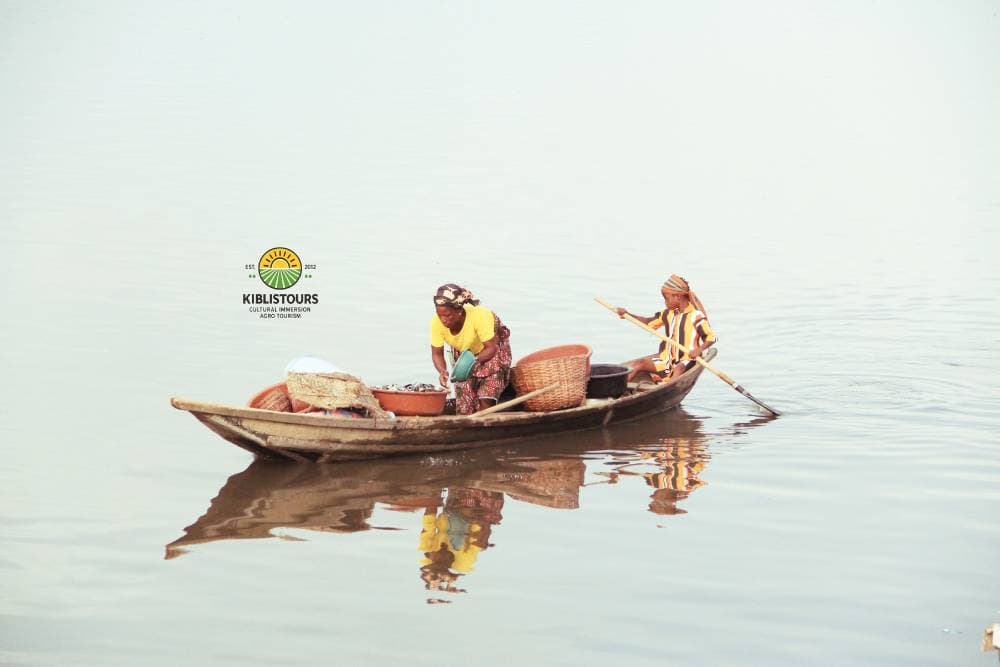
It means cruising through the heart of Ganvié, the remarkable lake village often referred to as the "Venice of Africa." From the very first strokes of the paddle, the rhythm of life changes completely. Stilt houses appear to float above the water, canoes replace cars, and floating markets come alive in the early morning hours. Watching children paddle to school, fishermen pulling in their nets, and traders selling their goods from their boats offers a fascinating glimpse into a community that has lived in harmony with its environment for centuries.
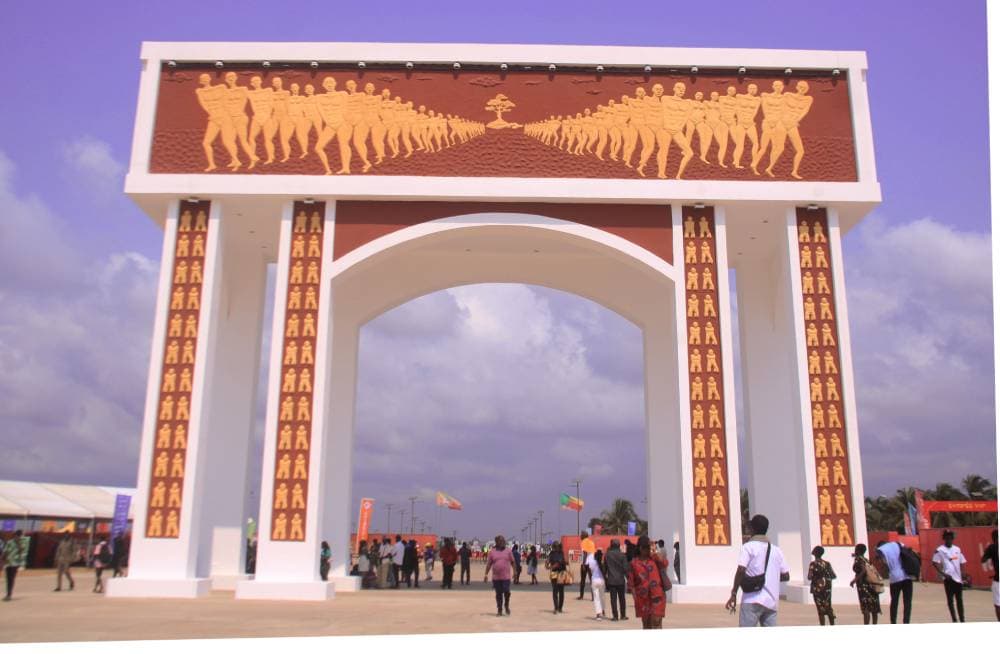
It means standing before the Atlantic Ocean in Ouidah, where the waves meet a coastline filled with history and emotion. This iconic town invites visitors to follow the Slave Route, discover the Door of No Return, visit memorial monuments, and explore the many sites that bear witness to one of humanity's darkest chapters. Yet Ouidah is also a place of cultural renewal, where Vodun traditions, art, spirituality, and local initiatives now convey a powerful message of remembrance, resilience, and hope.
It means sharing a meal with a local family and discovering that Beninese hospitality is far more than a warm welcome. Around the table, conversations unfold naturally, smiles quickly overcome language barriers, and everyone takes pride in introducing visitors to the culinary specialties of their region. Tasting dishes prepared from family recipes, learning about local ingredients, and listening to stories shared over the meal transforms an ordinary lunch into a genuine cultural exchange.
It means listening to stories that have been passed down through generations, shared with passion by guides, traditional leaders, artisans, and local residents proud of their heritage. These stories speak of ancient kingdoms, beliefs, customs, local heroes, traditional celebrations, and the ways communities continue to preserve their cultural heritage today. More often than not, these conversations add a deeper dimension to the places being visited, revealing what monuments alone cannot tell.
Every day brings new discoveries. A sacred forest at sunrise, a colorful traditional market, an artisan's workshop where ancestral skills are still practiced, a farm where producers proudly explain their expertise, or a peaceful beach where time seems to stand still-each stop offers its own sense of wonder and reminds visitors that Benin is a country of many faces.
Why visit Benin ?
Benin appeals to history enthusiasts, culture lovers, nature seekers, and travelers searching for authentic experiences.
This remarkable country offers an exceptional diversity that allows you to enjoy several journeys within a single trip.
An exceptional historical heritage
Benin's historical heritage ranks among the richest and most significant in West Africa.
For centuries, this land was home to some of the region's most powerful kingdoms. Even today, numerous historical sites provide valuable insight into the political, cultural, and military systems that flourished long before the colonial era.
Among Benin's most iconic destinations, travelers discover an extraordinary heritage that tells the story of centuries of history, resilience, traditions, and collective memory. Each site offers a unique perspective on the country's identity and reveals the remarkable richness of its cultural legacy.
The Royal Palaces of Abomey are among West Africa's most outstanding historical treasures. Recognized as a UNESCO World Heritage Site, they served as the seat of the powerful Kingdom of Dahomey for nearly three centuries. As visitors explore the palace courtyards, admire the famous bas-reliefs, and discover the carefully preserved royal artifacts, they are immersed in the world of the kings who shaped the nation's history. These palaces tell the story of great military campaigns, royal traditions, powerful symbols, and the political organization of a kingdom whose influence extended far beyond the borders of present-day Benin.
The former sites of the Kingdom of Dahomey further enrich this historical journey. They allow visitors to explore the places where royal ceremonies were held, discover areas dedicated to religious practices, examine the remains of ancient fortifications, and visit cultural sites that still bear witness to the power and sophistication of this remarkable civilization. Accompanied by a knowledgeable guide, these places take on an entirely new dimension, as every stone and every symbol reveals a fascinating story that remains largely unknown to many visitors.
Museums dedicated to Benin's national history provide a comprehensive understanding of the country's past and its evolution over time. Through collections of historical artifacts, works of art, archives, photographs, traditional costumes, and themed exhibitions, visitors gain insight into the major periods that have shaped the nation-from the pre-colonial kingdoms and the colonial era to independence, as well as the many cultural traditions that continue to define Beninese identity today. These museums appeal equally to history enthusiasts and to travelers eager to gain a deeper understanding of the country they are visiting.
Monuments associated with the transatlantic slave trade, particularly those in Ouidah, are places of immense historical and symbolic significance. By following the famous Slave Route, visitors retrace the path once taken by thousands of men, women, and children who were torn from their homeland before being deported to the Americas. Iconic landmarks such as Place Chacha, the Tree of Forgetfulness, the Zoungbodji Memorial, and the Door of No Return invite profound reflection on this tragic chapter of world history while honoring the memory of its victims.
Memory sites found throughout the country also remind visitors that Benin's heritage extends far beyond monuments alone. Sacred forests, royal squares, traditional temples, historic villages, ceremonial sites, and memorials all reflect the richness of the country's traditions, beliefs, and intergenerational transmission of knowledge. They reveal how communities continue to preserve their history, craftsmanship, and cultural practices, making Benin a destination where the past continues to illuminate the present.
Beyond their historical importance, these sites offer a deeply human experience. They allow travelers to connect faces, stories, and emotions with the events that have shaped the nation. Every visit becomes an opportunity to better understand Benin, its identity, its resilience, and the extraordinary richness of its cultural heritage.
In Benin, history is not confined to books, archives, or museum display cases. It is part of everyday life and continues to thrive through the women and men who pass down stories, skills, and traditions from one generation to the next, shaping the country's identity. Here, heritage is not frozen in the past-it remains deeply rooted in the daily lives of local communities.
History lives on through the stories shared by elders, who take the time to recount the histories of ancient kingdoms, great historical figures, local customs, and the events that have shaped their regions. Whether beneath the shade of a tree, in a family courtyard, or during a guided tour, these personal accounts bring each place to life. They add a human dimension that no textbook can provide, allowing visitors to understand history through those who continue to preserve it.
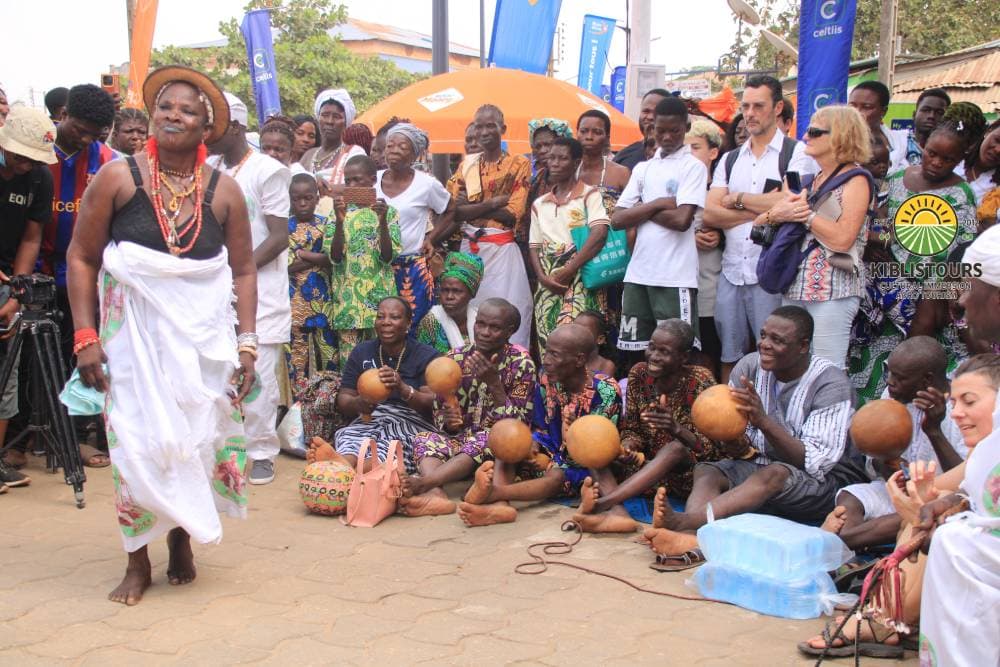
It is also reflected in traditions that are still proudly celebrated during festivals, ceremonies, and cultural events. Traditional dances, songs, drum rhythms, colorful attire, rituals, and artisanal craftsmanship each tell a part of Benin's story. Far more than simple cultural performances, these traditions represent a living heritage that continues to evolve while remaining faithful to its roots.
History is equally expressed through architecture, where every historic building tells the story of a different era. The Royal Palaces of Abomey, the Afro-Brazilian houses of Ouidah and Porto-Novo, traditional temples, royal squares, and lake villages such as Ganvié all illustrate the country's remarkable historical and cultural diversity. Behind every façade, sculpture, and decorative motif lie symbols, beliefs, and stories that enrich every visit.
It also continues to live through customs that remain actively practiced today. In many parts of the country, traditional ceremonies, rites of passage, spiritual practices, ancestral farming techniques, and traditional crafts are still preserved and passed on. Visitors discover a culture that does more than preserve its past-it keeps it alive every day with authenticity, pride, and remarkable vitality.
This close connection with history makes every discovery especially meaningful. In Benin, visitors do more than admire monuments or listen to guides. They meet people who keep a collective memory alive, take part in experiences that give meaning to the places they visit, and develop a genuine connection with the country's heritage. Every encounter, every story, and every visit deepens their understanding of Benin while creating memories that go far beyond photographs. It is this immersion in a living history that makes Benin such an authentic, unforgettable, and deeply rewarding destination.
A spiritual heritage unlike any other
Benin is recognized around the world as the birthplace of Vodun, a spiritual tradition that originated in West Africa before spreading throughout the Americas and the Caribbean over the course of history. Yet despite its global influence, this extraordinary cultural heritage remains widely misunderstood, often because of the inaccurate portrayals found in certain films, novels, and works of fiction.
In reality, Vodun is far more than a religion. It is a genuine philosophy of life, a system of thought, and a cultural heritage that has shaped the identity of many Beninese communities for centuries. It is founded on a worldview that emphasizes harmony between human beings, the forces of nature, ancestors, and the spiritual world. It promotes respect for life, solidarity, the transmission of knowledge, and a balanced relationship between people and their environment.
In Benin, this spiritual tradition is deeply woven into everyday life. It influences customs, ceremonies, festivals, art, music, dance, craftsmanship, and even certain aspects of social organization. Discovering Vodun is therefore much more than visiting a place of worship-it is an opportunity to enter a cultural universe deeply rooted in the country's history and to better understand how local communities preserve and celebrate their intangible cultural heritage.
Across several regions of the country-including Ouidah, Porto-Novo, Abomey, and many inland villages-visitors can explore sites that reflect this remarkable spiritual and cultural richness.
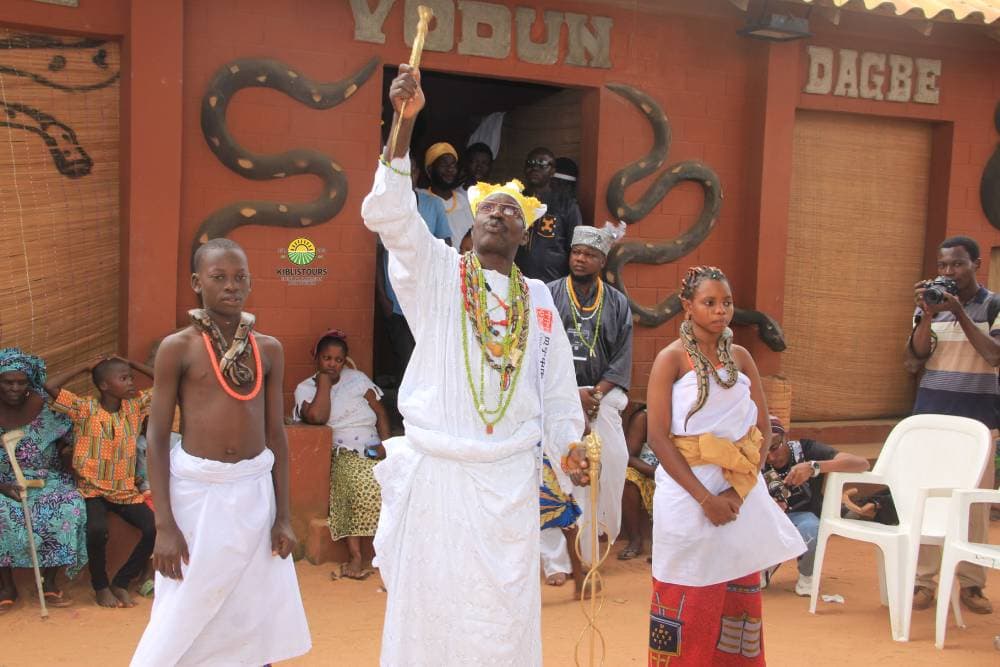
They can visit Vodun temples, where different deities are honored according to local traditions. Rich in symbolism, these sacred places offer valuable insight into the foundations of the religion, especially when explored with the guidance of a knowledgeable local expert.
Visitors can also discover traditional convents, where initiates receive their training and ancestral knowledge has been preserved and passed down for generations. While certain practices naturally remain reserved for members of the community, these places clearly demonstrate the vitality of a living tradition that continues to thrive today.
The journey also leads to sacred sites, including forests, revered trees, ceremonial squares, and natural springs that hold deep spiritual significance for local communities. These places illustrate the profound relationship between Vodun, nature, and environmental stewardship.
Depending on the time of year, and always with the utmost respect for the communities involved, travelers may also have the opportunity to attend traditional ceremonies. Accompanied by songs, dances, powerful drum rhythms, and symbolic attire, these celebrations express a living culture that has been passed down from one generation to the next. They are not staged performances for tourists but genuine moments of spirituality and community gathering, where visitors are welcomed with discretion, openness, and respect.
Throughout these encounters, travelers also discover ancestral practices that remain part of everyday life : conversations with religious dignitaries, traditional knowledge of medicinal plants, ritual objects crafted by specialized artisans, and oral traditions that explain the origins of various deities and ceremonies. These exchanges allow visitors to appreciate Vodun in all its richness and complexity, far removed from the stereotypes often portrayed abroad.
For many travelers, this discovery becomes one of the most memorable moments of their journey through Benin. It offers a rare opportunity to experience a spiritual tradition within its original cultural context, engage with those who practice it, and move beyond misconceptions toward a deeper, more authentic understanding of this remarkable cultural heritage.
I still remember a group of travelers who, after attending a traditional ceremony in Ouidah, spent a long time talking with the guide and the local spiritual leaders. Before arriving, several of them associated Vodun with the sensationalized images they had seen in movies. Their questions quickly multiplied: Why are these songs sung ? What do the drum rhythms symbolize ? What role do the ancestors play in this spiritual tradition ? As their questions were answered, their perspective gradually changed. Before leaving, one of the travelers told me, "I thought I was going to discover a mysterious religion. Instead, I discovered a culture built on respect, the transmission of knowledge, and the relationship between people and nature." This perfectly reflects what many visitors experience : they arrive with misconceptions and leave with a much deeper understanding and profound respect for a tradition that forms one of the essential foundations of Benin's identity.
An unforgettable human experience
If there is one aspect of Benin that every visitor remembers after their journey, it is undoubtedly its people.
Beninese people are often described as welcoming, warm, and genuinely kind.
Opportunities for meaningful encounters are everywhere.
A simple walk through a neighborhood can lead to a spontaneous conversation.
A stop at a local market can become a memorable moment of sharing.
A visit to a village may result in an invitation to discover the daily life of a local family.
These unexpected moments often become the most treasured memories of the trip.
Over the years, many travelers have told us that it was the human encounters that made their stay truly exceptional.
After accompanying so many visitors throughout Benin, we couldn't agree more.
A destination still preserved from mass tourism
While some destinations welcome millions of visitors every year, Benin has managed to preserve an authenticity that has become increasingly rare.
Its attractions remain accessible.
Interactions with local people remain natural and genuine.
Traditions continue to exist for their own cultural significance, not simply for the benefit of tourists.
This authenticity is attracting a growing number of international travelers.
More and more people are looking for meaningful experiences, far removed from standardized tours and artificial attractions.
Benin meets those expectations perfectly.
Here, the travel experience remains deeply human.
Why is Benin attracting more and more international travelers ?
Over the past several years, Benin has attracted growing interest from travelers from Europe, North America, the Caribbean, Africa, and many other parts of the world. Long overlooked by mainstream international tourism, the country is gradually establishing itself as one of West Africa's leading cultural destinations for travelers seeking a more authentic, meaningful, and human-centered experience.
This growing interest is no coincidence. It reflects a broader shift in the way people choose to travel. Today, more and more travelers are no longer satisfied with simply visiting a country or collecting photographs in front of famous landmarks. They are looking for experiences that have meaning-experiences that help them understand the places they visit and build genuine connections with local communities. Travel has become an opportunity to learn, to share, and to experience emotions that leave a lasting impression.
Visitors want to understand the cultures they discover rather than simply observe them from a distance. They want to learn the history of each place, discover the traditions that shape everyday life, understand local beliefs, customs, and knowledge that have been passed down through generations. This curiosity goes far beyond sightseeing; it reflects a genuine desire for immersion and cultural exchange.
Travelers also want to meet local people. Conversations with artisans, discussions with passionate guides, meals shared with local families, or demonstrations of traditional farming techniques often become the highlights of a journey. These encounters give the country a human face and allow visitors to discover Benin through the people who bring it to life every day.
Today's travelers are also seeking experiences that leave a lasting impact. Rather than consuming attractions, they value memories built around emotions, meaningful encounters, and authentic discoveries. Attending a traditional ceremony, exploring the stilt village of Ganvié, walking through the Royal Palaces of Abomey, discovering the traditions of Vodun, or exploring Benin's natural landscapes are experiences that often stay with visitors long after they return home.
Benin responds perfectly to these new expectations. Its thousand-year history, extraordinary cultural heritage, living traditions, diverse landscapes, and the genuine hospitality of its people create the ideal setting for a more responsible, immersive, and enriching form of tourism. Here, every journey becomes a succession of discoveries that deepen visitors' understanding not only of the country itself but also of the women and men who continue to preserve its heritage.
Benin is also home to an exceptionally rich heritage that remains relatively undiscovered on the international tourism scene. From the UNESCO World Heritage-listed Royal Palaces, historic cities, and lake villages to Vodun spiritual traditions, Atlantic beaches, sacred forests, traditional markets, and countless forms of craftsmanship, Benin offers an extraordinary variety of sites and experiences rarely found within a country of this size.
For many visitors, traveling to Benin also means stepping away from conventional tourist routes. Far from overcrowded destinations, they discover a country where authenticity remains ever-present and interactions with local people happen naturally. This feeling of discovering a destination that has remained largely untouched by mass tourism is often one of the aspects travelers appreciate most.
At the same time, Benin's tourism infrastructure continues to improve. The sector is developing steadily, with a clear commitment to welcoming visitors while preserving the country's cultural identity and authenticity. These improvements enhance travelers' comfort without compromising the genuine nature of the experiences offered.
Accommodation options have also become increasingly diverse. Charming boutique hotels, luxury establishments, family-run guesthouses, nature lodges, and eco-friendly accommodations now cater to a wide range of travelers, whether they seek comfort, immersion, or a combination of both.
Tour itineraries have also evolved considerably. They are now better organized, offer more personalized experiences, and showcase the country's cultural, historical, and natural treasures in greater depth. Today's visitors can choose itineraries tailored to their interests, whether they are passionate about heritage, agritourism, nature, gastronomy, or memory tourism.
Professional guides also play a vital role in enhancing the quality of these experiences. Thanks to their extensive knowledge of Benin's history, traditions, and local realities, they do much more than explain the sites-they tell stories, facilitate meaningful encounters, and help visitors enjoy truly immersive experiences. Their guidance often transforms a simple visit into a much richer human and cultural journey.
Tourism services continue to become more professional as well. Specialized travel agencies now design tailor-made itineraries, transportation has become more comfortable, booking systems are increasingly modern, and visitor support has improved at every stage of the journey. This steady progress strengthens the confidence of international travelers and reinforces Benin's reputation as one of Africa's most promising emerging destinations.
It is precisely this unique combination of a remarkably well-preserved heritage and an increasingly professional tourism sector that continues to attract more and more travelers. Benin offers a rare balance : a country where visitors can enjoy deeply meaningful human experiences while benefiting from services that meet international standards. For many, this combination makes all the difference and explains why those who discover Benin often leave with the desire to return-or to introduce this still relatively undiscovered destination to family and friends.
A history that leaves a lasting impression
Benin's history often evokes powerful emotions.
Through the stories of its ancient kingdoms, the memorial sites linked to the transatlantic slave trade, and traditions that are still alive today, visitors discover an essential chapter of both African and world history.
Many travelers arrive with only limited knowledge of the country.
They leave with a far richer and more nuanced understanding of Benin's historical significance.
Certain sites leave an especially profound impression.
In Ouidah, the Slave Route provides a deeper understanding of one of the darkest chapters in human history.
In Abomey, the Royal Palaces tell the fascinating story of a kingdom that profoundly shaped the region.
These visits are far more than educational.
They invite reflection.
They give a human face to the historical events that have shaped the modern world.
Many travelers tell us that these experiences moved them far more deeply than they had ever expected before arriving.
The kingdom of dahomey and the legacy of the amazons
It is impossible to speak about Benin without mentioning the Kingdom of Dahomey.
For several centuries, it stood among the most powerful kingdoms in West Africa.
Its political organization, military strength, and rich cultural heritage continue to fascinate historians and visitors alike.
One of the kingdom's most famous symbols remains the Amazons of Dahomey.
These elite women warriors were renowned for their discipline, courage, and unwavering loyalty to the king.
Their story continues to inspire admiration and respect around the world.
Their legacy lives on through numerous cultural initiatives and remains a powerful symbol of memory, resilience, and national pride in Benin.
For many visitors, discovering this remarkable chapter of history becomes one of the most memorable moments of their journey.
It offers a deeper understanding of the roots of modern Benin and the extraordinary richness of its cultural heritage.
What to do in Benin ? Must-visit destinations
One of Benin's greatest strengths is the incredible diversity of experiences it offers.
In just a few days, you can explore an ancient royal capital, cruise through a village built entirely on water, discover sites steeped in history, relax on unspoiled beaches, or share everyday life with local communities.
Each region has its own unique identity.
Each destination tells a different story.
It is this diversity that makes Benin such an exceptional destination for travelers seeking culture, heritage, authentic human encounters, and truly immersive experiences.
Abomey : At the heart of the kingdom of Dahomey
If there is one city that embodies Benin's historical greatness, it is undoubtedly Abomey.
The former capital of the Kingdom of Dahomey, this iconic city is now one of the most important historical centers in West Africa.
From the very first moments, visitors can feel the weight of history.
Royal symbols, the stories of powerful kings, living traditions, and historic monuments all bear witness to the kingdom's remarkable influence throughout the region.
In Abomey, the past is not frozen in time.
It continues to live through collective memory and traditions passed down from generation to generation.
The royal palaces of Abomey
The Royal Palaces are the city's greatest historical treasure.
Listed as a UNESCO World Heritage Site, they form an extraordinary complex of buildings constructed by the successive kings of the Kingdom of Dahomey.
Each ruler built his own palace, reflecting the achievements, symbols, and legacy of his reign.
A visit to the Royal Palaces of Abomey offers a genuine immersion into several centuries of African history. Far more than a collection of ancient buildings, the site tells the story of the rise, organization, and influence of the powerful Kingdom of Dahomey, which shaped the history of West Africa between the 17th and 19th centuries. Accompanied by an expert guide, visitors gradually discover how the kings governed their kingdom, administered their territories, organized their armies, and maintained diplomatic relations with neighboring peoples and foreign powers.
As the tour unfolds, every space visited sheds new light on life at the royal court and on the functioning of a monarchy whose influence extended far beyond the borders of present-day Benin.
Visitors first explore the royal courtyards, vast spaces where official audiences, public ceremonies, military gatherings, and major royal celebrations once took place. These courtyards formed the political and social heart of Abomey. Walking through them today, it is still possible to imagine the excitement that once surrounded royal festivals and diplomatic meetings.
They then enter the ceremonial halls, where royal rituals, council meetings, and ceremonies marking significant political events were held. Each hall served a specific purpose and reflected the central role that tradition played in governing the kingdom. Guided explanations help visitors understand the protocols, symbols, and rituals that shaped life at the royal court.
The tour also showcases an impressive collection of carefully preserved historical artifacts. Royal thrones, weapons, ceremonial garments, statues, ritual objects, musical instruments, jewelry, and handcrafted masterpieces each tell part of the kingdom's remarkable story. These collections provide a tangible insight into the exceptional craftsmanship and artistic refinement that characterized the Dahomey royal court.
Throughout the visit, visitors encounter the symbols of royal authority that are omnipresent in the palaces' architecture and decoration. The famous bas-reliefs, each king's personal emblems, sculptures, and decorative motifs are far more than artistic embellishments. They recount the achievements, victories, leadership qualities, and values that each ruler sought to pass on to his people. Every symbol carries a specific meaning that guides carefully explain throughout the tour.
Travelers also discover the stories of the great military campaigns that established the Kingdom of Dahomey as one of the dominant powers in the region. The lives of rulers such as King Ghezo, King Glèlè, and King Béhanzin illustrate periods of expansion, military strategy, political alliances, and resistance against colonial rule. These narratives place the kingdom within the broader context of African history and help visitors appreciate its regional significance.
Finally, the visit highlights the traditions of the Dahomey monarchy, many aspects of which remain part of Benin's cultural heritage today. Royal succession rules, ceremonial practices, court protocol, the responsibilities of dignitaries, the role of the Amazons of Dahomey, and the many customs associated with the royal court all demonstrate an exceptionally sophisticated political and social organization.
Beyond the monuments and artifacts, this visit offers visitors a deeper understanding of a civilization that profoundly shaped Benin's history. It presents a fresh perspective on African history by revealing the complexity of pre-colonial kingdoms, their institutions, culture, and lasting legacy. Many visitors leave with the feeling that they have discovered an important chapter of world history that remains insufficiently known despite its tremendous significance.
Every detail tells part of the kingdom's story.
The bas-reliefs, royal emblems, and preserved artifacts provide valuable insight into the political, military, and cultural organization that existed long before the arrival of colonial powers.
For many travelers, this discovery is a genuine revelation.
I often notice the same reaction among visitors: they suddenly realize that African history is far richer, more complex, and more fascinating than they had ever imagined before arriving.
https://www.kiblistours.com/blog/pourquoi-abomey-est-classe-au-patrimoine-mondial-de-lunesco
https://www.kiblistours.com/circuit/22
https://www.kiblistours.com/circuit/28
The Amazons of Dahomey
Abomey is also the ideal place to discover the extraordinary story of the Amazons of Dahomey.
These women warriors formed a unique elite military corps unlike any other in the world.
Their reputation extended far beyond the borders of the kingdom.
They were renowned for their exceptional discipline, remarkable courage in battle, and unwavering loyalty to the king.
For many years, they were considered one of the most respected military forces in the region.
Their story continues to inspire visitors from around the world.
Through the accounts shared by guides, historical testimonies, and the symbols still visible throughout the city, travelers discover one of the most fascinating chapters of African history.
Their legacy remains deeply rooted in Benin's national identity.
They symbolize strength, determination, and the resilience of an entire people.
One French traveler admitted to the Kiblistours team that she had never even heard of the Amazons of Dahomey before arriving in Benin. At the end of her visit, she told us that discovering their story had completely changed her perception of African history and of the role women have played in some of the world's greatest civilizations.
A city that tells the story of pre-colonial Africa
For many international visitors, Abomey serves as a gateway to a chapter of African history that is still rarely taught elsewhere in the world.
Long before colonization, Africa was already home to organized, prosperous, and influential kingdoms.
The Kingdom of Dahomey stands as one of the most remarkable examples of pre-colonial Africa's political and cultural history. For nearly three centuries, it developed a highly structured state, a strong central government, an efficient administration, and a cultural identity that continues to influence contemporary Benin. Visiting Abomey introduces travelers to a sophisticated civilization that often challenges long-held misconceptions about African history.
As visitors walk through the former royal palaces, ceremonial courtyards, and historic sites, they discover that the Kingdom of Dahomey was far more than a military power. It also possessed a highly developed political, economic, religious, and social organization comparable to that of many great civilizations of its time.
The visit offers valuable insight into the traditional systems of governance that structured the kingdom. Although the king held supreme authority, he was supported by advisers, high-ranking dignitaries, administrators, and officials responsible for various functions. Clearly defined rules governed decision-making, territorial administration, taxation, justice, and diplomatic relations. This sophisticated political organization enabled the kingdom to flourish for centuries.
Visitors also learn about the kingdom's military organization, which played a major role in establishing Dahomey's reputation. The army was highly disciplined and carefully structured, with specialized units, a clear chain of command, and military strategies adapted to the realities of the time. The famous Amazons of Dahomey, an elite all-female corps, perfectly illustrate this historical uniqueness. Their courage, rigorous training, and strategic role continue to fascinate historians and travelers alike.
The tour also highlights the commercial networks that made the kingdom a key economic player in West Africa. Abomey's markets attracted merchants from across the region, trading agricultural products, textiles, handcrafted goods, metals, salt, spices, and many other commodities. These commercial activities contributed significantly to the kingdom's prosperity and strengthened its relationships with neighboring peoples.
The discovery of Abomey also provides a deeper understanding of the religious beliefs that played a central role in the kingdom's daily life. Major political decisions, royal ceremonies, traditional festivals, and many aspects of everyday life were closely connected to spiritual practices. Deities, ancestors, and rituals formed an integral part of political authority and social cohesion. This spiritual dimension helps visitors better understand the cultural foundations that continue to influence Benin today.
Visitors finally explore the social structures of the time, characterized by a highly organized distribution of responsibilities and roles. The royal court brought together kings, dignitaries, artisans, priests, warriors, merchants, and representatives of various communities. Each group fulfilled a specific function within the kingdom, illustrating a society built upon clearly defined traditions, specialized skills, and knowledge transmitted from generation to generation.
Throughout the visit, many travelers come to realize that the Kingdom of Dahomey possessed strong institutions, an efficient administration, a vibrant cultural life, and an advanced political vision. This discovery often challenges simplistic interpretations of African history that have long underestimated the richness of pre-colonial civilizations.
I remember a Canadian traveler who, after leaving the Royal Palaces of Abomey, told me, "At school, I learned a great deal about the kingdoms of Europe, but almost nothing about those of Africa. Today I realize how incomplete my understanding of history really was." This reflection is one we hear frequently. By discovering Abomey, visitors do far more than explore a historical site—they rediscover an essential part of world history and leave with a profoundly renewed appreciation of Africa, its heritage, and the great civilizations that shaped it.
The experience gives visitors a broader and more nuanced understanding of African history.
On some tours, visitors even decide to extend their stay because they want to learn more about everything they have just discovered.
Abomey is undoubtedly one of the destinations that inspires the greatest curiosity and emotion during a journey through Benin.
Destination Abomey
https://kiblistours.com/fr/destinations/abomey-autrement-histoire-confort-et-traditions?formula=vip
Ganvié: The venice of Africa
Among all of Benin's destinations, Ganvié is undoubtedly one of the country's most spectacular.
Located on Lake Nokoué, this remarkable lake village is often called the "Venice of Africa."
Yet once visitors arrive, they quickly realize that Ganvié is far more than a comparison to another famous destination.
It is a place unlike any other in the world.
A place where water is at the very heart of everyday life.
A place where an entire community has developed a unique way of life that has been passed down for generations.
A village built on water
Ganvié is made up of thousands of houses built on stilts.
For centuries, its inhabitants have lived in harmony with the rhythm of the lake.
Here, almost every aspect of daily life takes place on the water.
People travel primarily by canoe.
Children go to school by boat.
Traders transport their goods across the lake.
Fishermen leave their homes before sunrise to reach their fishing grounds.
This way of life immediately fascinates visitors.
It demonstrates an extraordinary capacity for adaptation.
Every canoe ride offers a new perspective on this exceptional community.
Visitors discover :
Stilt houses
Floating schools
Places of worship
Traditional canoes
Fishing activities
Floating markets
The spectacle is captivating from sunrise to sunset.
A story of resistance and freedom
Ganvié's history is as moving as it is inspiring.
According to tradition, the Tofinu people settled on the lake to escape slave raids that threatened their villages.
The lake became a natural refuge.
This strategy allowed them to preserve their freedom.
Ganvié is therefore much more than a floating village.
It is also a symbol of resistance.
A symbol of resilience.
A symbol of survival in the face of adversity.
Once visitors learn this story, they often see the village in an entirely different light.
They realize that every house built above the water also tells a story of courage.
A journey beyond time
Cruising through Ganvié creates a feeling that is difficult to put into words.
Life slows down.
The noise of the cities fades away.
Water becomes ever-present.
Scenes of everyday life unfold naturally.
A woman transports her goods by canoe.
Children play near their homes.
Fishermen repair their nets.
Merchants paddle through the village selling their products.
Every moment seems to tell a story.
This immersion feels like stepping into another world.
A world that has preserved its identity despite the passage of time.
One visitor remarked after the tour, "I've traveled to many countries, but I've never seen a place where life and water are so closely connected." That sentence perfectly captures the unique feeling of visiting Ganvié.
Why does Ganvié leave such a lasting impression?
Ganvié first captivates visitors through its originality.
Very few places in the world offer such an extraordinary experience.
But what truly moves travelers goes far beyond the scenery.
What leaves the deepest impression is the human dimension.
Visitors do not encounter an artificial tourist attraction.
They discover a living community.
They observe an authentic way of life.
They meet people who continue traditions that have endured for centuries.
This authenticity creates memories that last a lifetime.
Many travelers consider Ganvié one of the highlights of their journey through Benin.
Because beyond its breathtaking landscapes, they discover an inspiring lesson in ingenuity, resilience, and human adaptability.
During one visit to Ganvié, a Canadian traveler told us that he felt as though he had stepped into a living documentary. Watching children paddle to school and traders sell their goods directly from their boats, he realized that this was not a staged attraction but everyday reality. "I've never seen a community so deeply connected to its environment," he told us as he left the village.
Destination Ganvié
https://kiblistours.com/fr/destinations/ganvie-authenticite-au-fil-de-leau?formula=standard
https://kiblistours.com/fr/destinations/ganvie-immersion-culturelle-enrichie?formula=premium
https://kiblistours.com/fr/destinations/ganvie-luxe-dune-emotion-exclusive?formula=vip
Ouidah: memory, spirituality, and emotion
Among all the cities of Benin, Ouidah holds a truly unique place.
Few destinations in Africa combine history, memory, spirituality, and emotion with such intensity.
Here, every place tells a story.
Every monument carries a message.
Every visit invites reflection.
For many travelers, Ouidah is far more than a tourist destination.
It is a deeply human experience.
An experience that often leaves a lasting impression.
The slave route
The slave route is one of the most significant memorial trails on the African continent.
Stretching for approximately four kilometers, this symbolic route retraces the path once taken by thousands of men, women, and children before they were forcibly deported to the Americas.
Along the way, several memorials commemorate this painful chapter of history.
Each stop offers a different perspective on the human consequences of the transatlantic slave trade.
The visit is far more than a succession of monuments.
It invites reflection.
It encourages visitors to question the past.
It also helps them better understand the cultural legacies that continue to shape societies around the world today.
For travelers from the African diaspora, this site often represents an especially emotional experience.
Many describe it as one of the most powerful moments of their journey through Benin.
The door of no return
Facing the Atlantic Ocean, the door of no return has become one of Benin's most iconic landmarks.
This memorial marks the final point where enslaved captives left their homeland before being forcibly shipped to the Americas.
Standing before the ocean, it is difficult to remain unmoved.
The sound of the waves.
The endless horizon.
The weight of history.
Together, they create a deeply moving atmosphere.
Silence often comes naturally.
Some visitors remain for only a few minutes.
Others stay much longer.
Each person experiences the moment in their own way.
I have often watched travelers stand motionless before the Door of No Return. No one spoke. There was simply nothing to add. History spoke for itself.
One visitor from the United States remained silently facing the ocean for several minutes after visiting the Door of No Return. Later, he told us that although he had learned about slavery through books, it was the first time he had truly felt the emotional weight of that history. It became one of the most unforgettable moments of his journey.
The python temple
Ouidah is also regarded as one of the great spiritual capitals of Vodun.
Among its best-known sites is the python temple.
For local communities, the python is a sacred animal associated with specific deities and ancient spiritual beliefs.
The visit introduces travelers to a cultural dimension that is often misunderstood abroad.
Guides explain the origins of these beliefs, their role in society, and their importance within Beninese spirituality.
For many visitors, this discovery is particularly enlightening.
It enables them to move beyond stereotypes and gain a deeper appreciation of the country's rich cultural heritage.
The Sacred Forest
The sacred forest is one of Ouidah's most emblematic spiritual sites.
This unique place is home to numerous statues, sacred symbols, and representations connected to the Vodun tradition.
Its atmosphere is unlike any other.
The peaceful silence of the forest contrasts sharply with the lively energy of the city.
As visitors walk through the site, they discover a world where spirituality, history, and nature come together.
For many, this visit provides an opportunity to understand Vodun from a cultural and philosophical perspective rather than through the misconceptions often portrayed abroad.
A city that leaves a lasting impression
Ouidah touches both the mind and the heart.
Visitors discover :
A deeply moving history
A living spiritual tradition
A powerful collective memory
A culture deeply rooted in its heritage
Warm and welcoming people
Few cities are capable of inspiring so many different emotions in a single day.
That is one of the reasons why Ouidah often remains one of the most unforgettable memories of a journey through Benin.
Destination Ouidah
https://kiblistours.com/fr/destinations/ouidah-offre-decouverte-spiritualite?formula=standard
https://kiblistours.com/fr/destinations/ouidah-immersion-culturelle-spirituelle?formula=premium
https://kiblistours.com/fr/destinations/ouidah-experience-exclusive-memorielle-2?formula=vip
Cotonou: energy, creativity, and modernity
As Benin's economic capital, Cotonou is usually the first gateway for international travelers.
Dynamic, vibrant, and constantly evolving, it provides an interesting contrast to the country's historic sites.
Here, Benin reveals its contemporary face.
A dynamic city.
An entrepreneurial city.
A creative city.
A city looking confidently toward the future.
Dantokpa market
It is impossible to talk about Cotonou without mentioning Dantokpa market.
Recognized as one of the largest markets in West Africa, it is a cultural experience in its own right.
From the moment they enter, visitors are struck by its immense size.
Thousands of traders conduct business here every day.
Visitors will find :
Colorful fabrics
Spices
Handicrafts
Food products
Traditional objects
Everyday goods
Every aisle reveals new discoveries.
Every turn offers a different atmosphere.
Every encounter tells a story.
For many travelers, Dantokpa represents the beating heart of Cotonou.
The Artisan center
The Artisan center is a must-visit destination for anyone interested in local craftsmanship.
It is the perfect place to discover the richness of Beninese artisanal traditions.
Visitors can meet :
Woodcarvers
Weavers
Jewelers
Painters
Leather craftsmen
Beyond shopping, the experience offers the opportunity to speak directly with artisans who continue techniques that have often been passed down through generations.
These encounters give every handcrafted object a much deeper human meaning.
Amazon square
Amazon square has become one of the symbols of Benin's tourism renaissance.
Its monumental statue immediately captures visitors' attention.
It pays tribute to the legendary Amazons of Dahomey and highlights the importance of their legacy in Benin's national history.
Today, it is one of the country's most photographed landmarks and a powerful symbol of national pride and cultural heritage.
The site attracts both local residents and international visitors alike.
Nightlife and gastronomy
When the sun sets, Cotonou reveals another side of its personality.
The city is renowned for its welcoming atmosphere and vibrant nightlife.
Visitors can enjoy :
Restaurants
Traditional maquis (local open-air restaurants)
Live concerts
Cultural venues
Beachfront bars
This diversity offers another way to experience Beninese culture.
Here, music, cuisine, and human connection play a central role.
Destination Cotonou
https://kiblistours.com/fr/destinations/cotonou-culture-loisirs-bord-de-mer?formula=standard
https://kiblistours.com/fr/destinations/cotonou-culture-nature-experiences?formula=premium
https://kiblistours.com/fr/destinations/cotonou-prestige-experience-exclusive?formula=vip
Grand-Popo: relaxation and the art of slow living
After several days of historical and cultural exploration, Grand-Popo offers a welcome moment of tranquility.
Located along the Atlantic coast, this destination immediately charms visitors with its peaceful atmosphere.
Here, life slows down.
Time seems to stretch.
The ocean becomes your constant companion.
Unspoiled beaches
Unlike many crowded seaside resorts, Grand-Popo has preserved its authenticity.
Its long sandy beaches invite visitors to relax and reflect.
Here you can enjoy:
Walks along the shoreline
Spectacular sunsets
Traditional fishing villages
The peaceful atmosphere
It is precisely this simplicity that gives the destination its unique charm.
Lagoons and mangroves
The region is also home to remarkable natural landscapes.
Traditional canoe excursions allow visitors to explore :
Lagoons
Mangrove forests
Riverside villages
Coastal ecosystems
These excursions reveal an entirely different perspective of Benin.
They also highlight the close relationship between local communities and their natural environment.
A lifestyle that encourages you to slow down
Grand-Popo invites visitors to rediscover the pleasure of taking their time.
Taking time to walk.
Taking time to observe.
Taking time to talk with local people.
Taking time simply to enjoy the present moment.
I often encourage travelers not to plan anything for a few hours while in Grand-Popo. It is usually during these quiet moments that the most meaningful experiences and genuine memories are created.
This relaxed way of life captivates many visitors.
After several days filled with discoveries, Grand-Popo offers an opportunity to recharge while continuing to experience another side of Benin.
It is a destination that soothes, refreshes, and perfectly complements a cultural journey across the country.
Destination Grand-Popo
Unique experiences to enjoy in Benin
Visiting Benin is one thing.
Truly experiencing it is something entirely different.
What makes this destination genuinely exceptional goes far beyond its monuments, museums, and landscapes. It is above all the human, cultural, and emotional experiences that visitors enjoy throughout their journey.
At Kiblistours, we have always believed that the most memorable journeys are those that create genuine connections with the places visited and the people encountered.
That is why we focus on immersive experiences that allow travelers to discover Benin from the inside.
https://www.kiblistours.com/circuit/8
Benin is a country to experience from within
In many destinations, visitors simply observe.
In Benin, they participate.
They interact.
They learn.
They discover.
They share.
This close connection with local communities profoundly transforms the travel experience.
Visitors are no longer mere spectators.
They become active participants in their own journey of discovery.
This approach offers a much deeper understanding of Beninese culture.
The memories created are often far more meaningful than those of a conventional trip.
Over the years, we have noticed that travelers rarely talk about their hotels several months after returning home. What they continue to remember are conversations with artisans, meals shared with local families, and smiles exchanged in small villages.
Discovering vodun with respect for tradition
Benin is recognized worldwide as the birthplace of Vodun.
Yet few traditions have been so widely misunderstood.
Many visitors arrive with preconceived ideas.
They leave with an entirely different understanding.
Understanding before observing
Above all, Vodun is a religion, a philosophy of life, and a cultural heritage deeply rooted in the history of Beninese communities.
It places great importance on :
Ancestors
The forces of nature
The balance between the visible and invisible worlds
The transmission of knowledge
Respect for tradition
Understanding this reality is essential before experiencing it.
That is why our guides always take the time to explain the historical, cultural, and spiritual context surrounding these traditions.
This preparation enables visitors to approach ceremonies with greater understanding and respect.
Attending a traditional ceremony
When certain ceremonies can be respectfully shared with visitors and with the full consent of local communities, they offer an unforgettable experience.
Songs resonate.
Drums set the rhythm.
Dances tell stories.
Traditional attire captures the eye.
Symbols come alive.
Together, they create an atmosphere unlike any other.
Even travelers with little interest in spirituality often leave deeply impressed by the cultural richness of these celebrations.
A deeply human experience
What touches visitors most is not always the religious aspect.
It is often the importance placed on community.
Families come together.
Generations reunite.
Traditions are passed on.
Social bonds are strengthened.
This human dimension leaves a profound impression.
We have often seen visitors arrive with many questions and leave with enormous respect for this ancient cultural heritage.
Human encounters that make the journey unforgettable
If there is one quality that truly distinguishes Benin, it is undoubtedly the richness of its human encounters.
Its people are at the heart of every travel experience.
Their hospitality, generosity, and willingness to share often leave a lasting impression.
Sharing time with a local family
In several regions of the country, travelers have the opportunity to meet local families.
These encounters offer insight into:
Daily life
Family traditions
Local cuisine
Economic activities
Regional customs
These moments are often simple.
Yet they are usually the memories that remain with visitors the longest.
Discovering the skills of beninese artisans
Craftsmanship plays an essential role in Beninese culture.
Depending on the region, visitors can meet:
Weavers
Woodcarvers
Blacksmiths
Potters
Traditional musical instrument makers
Watching these artisans at work provides a deeper appreciation of the richness of Benin's cultural heritage.
Every handcrafted object tells a story.
Every gesture reflects skills and knowledge that have often been passed down through generations.
Talking with the elders
In many communities, elders remain the guardians of collective memory.
Their stories provide valuable insight into:
Local history
Traditions
Beliefs
Social changes
Traditional ways of life
These conversations offer a perspective that no travel guide can ever replace.
Why are these encounters so memorable ?
Because they are genuine.
Because they are never staged.
Because they create real human connections.
At a time when many travel experiences have become standardized, this authenticity is an increasingly rare treasure.
Agrotourism in Benin: An exclusive experience with Kiblistours
Among the most original experiences available in Benin today, agritourism occupies a special place.
Although it is still relatively unknown internationally, it offers an exceptional opportunity to immerse yourself in the daily lives of rural communities.
What is Agrotourism?
Agritourism is an immersive way of discovering the agricultural world.
Travelers do much more than simply observe.
They participate.
They interact.
They learn.
They understand.
This approach creates a much stronger connection with the places they visit.
It also encourages a more responsible form of tourism that directly benefits local communities.
Discovering Benin's farms and plantations
Depending on the season and the region, visitors can explore :
Pineapple plantations
Cassava farms
Palm oil plantations
Corn fields
Vegetable farms
Fruit orchards
Every visit offers a better understanding of the essential role agriculture plays in Benin's economy.
Meeting local farmers
One of the most appreciated aspects of these experiences is meeting the farmers themselves.
Visitors learn about :
Their farming methods
Their daily challenges
Their innovations
Their expertise
Their vision for the future
These conversations add a deeply human dimension to every visit.
During a visit to a pineapple plantation, a German traveler was surprised to learn that growing a single pineapple can require more than a year of work before harvest. After speaking with the farmers, he discovered an agricultural reality he had never imagined. A few days later, he told us that he would never look at the food he consumed in quite the same way again.
Taking part in farming activities
Depending on the season, visitors may even participate directly in certain agricultural activities, including:
Harvesting crops
Agricultural processing
Traditional food preparation
Technical demonstrations
Tasting local products
These experiences make the journey especially immersive.
A discovery that surprises travelers
Many visitors arrive without knowing what to expect.
Then they discover a fascinating world.
They begin to understand the importance of agriculture in everyday life.
They appreciate the work required to produce the food they consume.
They build meaningful relationships with the people who cultivate the land.
Several travelers have told us they never imagined that a simple visit to a farm would become one of the highlights of their journey through Benin.
Living culture: where traditions come to life
One of Benin's greatest strengths is that its traditions are still part of everyday life.
Here, culture is not confined to museums.
It thrives in villages, ceremonies, festivals, and community gatherings.
Agritourism experiences
https://kiblistours.com/fr/agrotourisme
Traditional dances
Dance plays a central role in Beninese cultural life.
It accompanies:
Ceremonies
Festivals
Family celebrations
Community events
Every region has its own rhythms and artistic expressions.
African drumming
Drums occupy a central place in many cultural celebrations.
Their rhythms have accompanied ceremonies for generations.
The art of drumming is often passed down within families.
The result is an extraordinary musical heritage that fascinates visitors from around the world.
Traditional masks
In some regions, traditional masks continue to play an important cultural role.
They appear during special ceremonies and often symbolize values, beliefs, or connections with the ancestors.
Witnessing these traditions is a memorable experience for many travelers.
Cultural festivals
Throughout the year, numerous festivals showcase the diversity of Beninese culture.
These events provide opportunities to enjoy:
Live performances
Craft demonstrations
Traditional ceremonies
Concerts
Art exhibitions
They also offer visitors the chance to meet local artists and cultural leaders.
Destination Kétou
https://kiblistours.com/fr/destinations/ketou-patrimoine-decouverte?formula=standard
https://kiblistours.com/fr/destinations/ketou-immersion-culturelle-traditions?formula=premium
https://kiblistours.com/fr/destinations/ketou-histoire-spiritualite-culture-vivante-vip?formula=vip
Beninese cuisine: An explosion of flavors
Traveling through Benin also means discovering a cuisine that is generous, authentic, and deeply rooted in tradition.
Every region has its own specialties.
Every meal tells a story.
Every flavor reveals another aspect of local culture.
A truly authentic cuisine
Beninese recipes are often passed down from one generation to the next.
They celebrate local ingredients and traditional culinary expertise.
This authenticity can be tasted in every dish.
Local specialties to try
During your stay, you will have the opportunity to taste :
Akassa
Gari
Peanut sauce
Grilled fish
Aloco (fried plantains)
A variety of traditional sauces
These dishes showcase the remarkable richness of Beninese gastronomy.
Markets: Culinary treasures
Benin's markets are also ideal places to discover local ingredients.
Visitors will find:
Tropical fruits
Spices
Fresh vegetables
Processed local products
Regional specialties
Every visit becomes a culinary adventure.
Blog: Que manger au Bénin ?
Why is food such an important part of the journey ?
Because food helps us understand a culture.
Because it brings people together.
Because it encourages meaningful conversations.
Because it creates lasting memories.
We have often found that some of the most memorable moments of a journey are simply those shared around a table with local families.
Why do these experiences change the way people travel ?
Tourism is evolving.
Today's travelers are looking for far more than places to photograph.
They want meaningful experiences.
Benin perfectly meets these new expectations.
Here, visitors discover :
A profound history
A living culture
An authentic spiritual heritage
Unique traditional skills
Genuine human connections
These experiences create a lasting bond with the country.
They often transform an ordinary vacation into a truly life-changing journey.
Recommended itineraries for discovering Benin
1. 7-Day Tours
Ideal for : Travelers with limited time who still want to enjoy a complete Benin experience.
Main destinations : Cotonou, Ouidah, Ganvié, Abomey.
7-Day Benin Tour -Standard Class
https://kiblistours.com/fr/tours/circuit-de-7-jours-au-benin
7-Day Benin Tour -Premium Class
https://kiblistours.com/fr/tours/circuit-de-7-jours-au-benin-2
7-Day Benin Tour -VIP Class
https://kiblistours.com/fr/tours/circuit-de-7-jours-au-benin-3
2. 10-Day Tours
Ideal for : Travelers seeking a customized journey and more in-depth experiences.
Main destinations : Cotonou, Ouidah, Ganvié, Abomey, Grand-Popo, Porto-Novo.
10-Day Benin Tour -Standard Class
https://kiblistours.com/fr/tours/circuit-de-10-jours-au-benin
10-Day Benin Tour - Premium Class
https://kiblistours.com/fr/tours/circuit-de-10-jours-au-benin-classe-premium
10-Day Benin Tour- VIP Class
https://kiblistours.com/fr/tours/circuit-de-10-jours-au-benin-classe-vip
3. 14-Day Tours
Ideal for : Travelers looking for a fully immersive experience in Benin.
Main highlights : Benin's must-see attractions, agrotourism experiences, traditional villages, and authentic community encounters.
14-Day Benin Tour -Standard Class
https://kiblistours.com/fr/tours/circuit-de-14-jours
14-Day Benin Tour -Premium Class
https://kiblistours.com/fr/tours/circuit-de-14-jours-2
14-Day Benin Tour- VIP Class
https://kiblistours.com/fr/tours/circuit-de-14-jours-3
Every traveler arrives in Benin with different expectations.
Some want to discover the country's major highlights within a few days.
Others prefer to slow down, immerse themselves in local culture, and enjoy meaningful encounters.
That is why several itineraries are available depending on the length of your stay.
At Kiblistours, we always design balanced itineraries that combine the country's must-see attractions with plenty of opportunities for authentic human experiences and spontaneous discoveries.
Because these unexpected moments often become the most treasured memories of the journey.
A more meaningful journey
The itinerary extends well beyond the country's iconic landmarks.
It also includes:
Traditional villages
Agritourism experiences
Community encounters
Off-the-beaten-path discoveries
This approach reveals a more intimate side of Benin.
The agrotourism experience
This itinerary fully integrates agritourism into the journey.
Travelers have the opportunity to :
Visit plantations
Meet local farmers
Participate in farming activities
Taste locally produced foods
Better understand rural life
This immersion provides a much more complete picture of the country.
A richer cultural immersion
Two weeks also allow visitors to :
Gain a deeper understanding of local traditions
Discover everyday realities
Build relationships with local communities
Experience Benin at a more natural pace
The journey becomes far more human and meaningful.
A different way to travel
Many travelers choose this itinerary because they want to truly experience the country rather than simply visit it.
This philosophy perfectly reflects the values of Kiblistours.
Our longest journeys are often the ones that create the strongest memories and the most lasting emotions.
When is the best time to visit Benin ?
One of the questions travelers ask most often is about the best time to plan a trip to Benin.
The good news is that Benin can be visited all year round.
However, certain periods offer particularly favorable travel conditions.
November to march: The best season to visit
This period generally corresponds to the dry season.
Travel conditions are especially pleasant.
Advantages include :
More comfortable temperatures
Low rainfall
Easier road conditions
More enjoyable outdoor activities
Smoother travel between destinations
For a first visit to the country, this is often the most recommended period.
Festivals and cultural events
The dry season is also home to several major cultural events.
During this time, travelers can enjoy:
Traditional celebrations
Cultural festivals
Artistic events
Community gatherings
These occasions provide an even deeper immersion into Beninese culture.
Can you travel during the rainy season ?
Absolutely.
The rainy season also has many advantages.
The landscapes become greener.
The vegetation is especially lush.
The countryside offers magnificent scenery.
Tourist sites are often less crowded.
Some travelers even appreciate this quieter and more authentic atmosphere.
The key is simply to adapt your itinerary to the weather conditions.
Practical tips for planning your trip
A successful journey always begins with good preparation.
A few simple precautions will help you make the most of your stay.
Pack appropriate clothing
Benin generally enjoys warm temperatures throughout the year.
We recommend bringing:
Lightweight clothing
A hat
Sunglasses
Sunscreen
Comfortable walking shoes
Being dressed appropriately greatly enhances your travel experience.
Respect local traditions
Respecting local cultures makes every journey more rewarding.
A few simple gestures go a long way :
Ask permission before taking certain photographs
Follow your guide's recommendations
Dress appropriately when visiting sacred sites
Show curiosity and respect
This attitude encourages more authentic cultural exchanges.
Leave time for meaningful encounters
One of the most common mistakes travelers make is trying to visit too many places in too little time.
In Benin, it is important to leave room for the unexpected.
Human encounters are an essential part of the journey.
Sometimes, a simple conversation becomes one of the most unforgettable memories of the trip.
I always encourage travelers not to fill every minute of their itinerary. In Benin, the most memorable moments are often the ones that were never planned.
How much does a trip to Benin cost ?
The overall budget naturally depends on several factors:
Length of your stay
Desired level of comfort
Time of year
Number of travelers
Experiences included in your itinerary
Accommodation
Benin now offers a wide range of accommodation options:
Budget hotels
Comfortable mid-range hotels
Luxury establishments
Charming boutique accommodations
Every traveler can find an option that suits their budget.
Transportation
Travel within Benin can be arranged:
By private vehicle
By minibus
With a driver-guide
As part of an organized tour
For international visitors, guided tours generally offer the most comfortable and convenient solution.
Activities
Costs vary depending on :
The sites you visit
The experiences you choose
Services included
The level of customization
Traveling with a professional guide generally enhances the experience while making all logistics much easier.
Why travel with a local guide ?
This is a question many travelers ask before departure.
Should you travel independently or with a guide ?
Both options are possible.
However, experience shows that a local guide brings tremendous added value to discovering Benin.
Understanding what you visit
A monument without explanation often remains just another building.
A historical site without context can become little more than another landscape.
A guide's role is to bring places to life.
They provide :
Historical context
Local anecdotes
Cultural traditions
Stories passed down through generations
Cultural insights that deepen understanding
Thanks to these explanations, every visit becomes richer and far more memorable.
Facilitating meaningful encounters
Guides also play an essential role in interactions with local communities.
They facilitate:
Communication
Human encounters
Cultural exchanges
Mutual understanding
This mediation often creates much more authentic interactions.
Access to exclusive experiences
Some experiences are difficult to enjoy without local expertise.
This is especially true for :
Certain traditional ceremonies
Visits to specific local communities
Agritourism experiences
Private visits
Local partnerships and experienced guides often make these unique discoveries possible.
Traveling with complete peace of mind
Professional guidance greatly reduces logistical concerns.
Visitors can simply focus on what matters most:
Discovering
Learning
Connecting
Enjoying the journey
Many travelers tell us afterward that they would never have experienced so much without the support of a knowledgeable local guide.
Why does Benin leave such a lasting impression ?
Beyond its monuments, landscapes, and activities, Benin possesses something that is difficult to describe.
Authenticity.
Warmth.
Sincerity.
The country does not try to impress visitors artificially.
Instead, it gradually reveals itself.
Through its people.
Through its traditions.
Through its stories.
Through its emotions.
And it is often this simplicity that touches visitors most deeply.
Many arrive with curiosity.
They leave with genuine affection for the country.
I have witnessed it so many times that it no longer surprises me : travelers come to discover a country and leave feeling as though they have discovered a part of themselves.
Why choose Kiblistours for your trip to Benin ?
Today, organizing a trip has become relatively easy.
A few clicks are enough to book a hotel or purchase an airline ticket.
But truly discovering a country often requires much more.
It requires:
In-depth local knowledge
Reliable local contacts
A deep understanding of the culture
Careful organization
A genuine passion for the destination
That is precisely the mission we have given ourselves at Kiblistours.
Our goal is not simply to show you Benin.
Our goal is to help you understand it, experience it, and truly connect with it.
At the end of a ten-day tour, one traveler told us something we will never forget:
"I thought I was coming to discover a country. I'm leaving with memories, faces, and emotions that I'll carry with me for the rest of my life."
That sentence perfectly captures what a journey through Benin often represents.
Why more and more travelers trust Kiblistours ?
Since our creation, we have had the privilege of welcoming nearly 1,000 travelers from around the world to discover Benin. Every tour we organize is an opportunity to showcase the country's extraordinary heritage while fostering genuine human connections.
To date, we have successfully organized nearly 50 tours, including private journeys, cultural circuits, immersive experiences, tailor-made vacations, and programs designed for institutions and groups.
Our greatest source of pride remains the satisfaction of our travelers. Feedback collected after each journey reflects an overall satisfaction rate of around 90%, demonstrating our commitment to providing high-quality, personalized, and meaningful experiences.
Public reviews are also beginning to reflect that trust. Kiblistours currently has two google reviews, complementing the many positive testimonials we receive directly from our travelers after their stay. We actively encourage every visitor to share their experience to help future travelers plan their journey to Benin with confidence.
Tailor-made tour
https://kiblistours.com/fr/custom-circuit
Kiblistours: much more than a travel agency
Kiblistours was born from one simple conviction :
Benin deserves to be discovered differently.
For many years, this remarkable country remained outside the major international tourism routes.
Yet those who take the time to discover it often leave deeply moved.
We created Kiblistours to showcase this exceptional heritage.
Above all, we do so while respecting:
Local communities
Cultural traditions
Beninese heritage
The environment
The country's authenticity
Our vision
We believe that travel should create value for everyone involved.
For travelers.
For local communities.
For guides.
For artisans.
For local producers.
For tourism professionals.
This responsible vision guides everything we do.
Our philosophy
At Kiblistours, we focus on :
Meaningful human encounters
Immersive experiences
Small-group travel
Tailor-made itineraries
Authentic discovery
Every journey is designed to create a genuine connection with the country.
What makes Kiblistours different ?
Passionate local guides
Our guides do much more than provide information.
They share their culture.
They tell their stories.
They facilitate meaningful encounters.
They share their passion.
This approach transforms every visit into a living experience.
In-depth local expertise
Our teams know every destination in detail.
They know :
Which sites deserve priority
The best times to visit
How to avoid overly standardized experiences
How to adapt every itinerary to your expectations
This expertise allows us to create smoother, richer, and more rewarding travel experiences.
Unique immersive experiences
We aim to go beyond traditional tourism.
That is why our tours include experiences that allow travelers to discover Benin from a different perspective.
Community encounters
Travelers discover :
Everyday life
Local traditions
Artisan activities
Ancestral knowledge
Cultural Experiences
Our programs include :
Heritage discoveries
Meetings with local artists
Culinary experiences
Authentic cultural activities
Exclusive Agritourism
Agritourism has become one of Kiblistours' most appreciated experiences.
Travelers discover :
Plantations
Farms
Agricultural processing techniques
Local producers
An immersion rarely offered through traditional tours.
Fully tailor-made journeys
Every traveler is unique.
Every travel project deserves a personalized approach.
We customize every itinerary according to :
Your interests
Your budget
Your travel duration
Your preferred travel pace
Solo travel
Traveling alone or as a couple ?
We create a fully personalized itinerary.
Family travel
Activities are adapted to both children and parents.
Travel with friends
We design flexible and enjoyable shared experiences.
Business and institutional travel
We also work with :
Companies
NGOs
Universities
Public institutions
International delegations
Maximum Peace of Mind
Traveling with confidence is essential.
Our teams provide:
Assistance throughout your stay
Complete logistical coordination
Travel monitoring
Professional support
This organization allows travelers to focus entirely on enjoying their experience.
Responsible tourism
We believe that sustainable tourism can make a meaningful contribution to local development.
That is why we prioritize :
Beninese guides
Local artisans
Local producers
Community-based partners
Responsible initiatives
Every journey therefore contributes directly to the development of the regions visited.
Traveler testimonials
An unexpected discovery
"I knew very little about Benin before this trip. I was amazed by the richness of its history and the warmth of its people. It has been one of the most memorable journeys of my life." Ashley from Canada
An authentic immersion
"Meeting local communities completely changed my perception of travel. I truly felt as though I was discovering the country from the inside." Emilia from Mauritanie
Perfect organization
"Everything was perfectly organized. The guides were passionate, attentive, and extremely knowledgeable. We enjoyed every single stage of the journey." Georges from France
Our promise
At Kiblistours, we have one simple ambition :
To help you discover Benin as it truly is.
A country rich in history.
A country rich in traditions.
A country rich in culture.
A country rich in humanity.
We want every traveler to return home with much more than photographs.
We want you to leave with :
Lasting memories
Authentic encounters
Genuine emotions
A deeper understanding of West Africa
Our greatest satisfaction is hearing a traveler say:
"I never expected to experience something so powerful."
FAQ- Everything you need to know before traveling to Benin
1. Is Benin a good tourist destination ?
Yes. Benin is one of the richest cultural destinations in West Africa. From the Royal Palaces of Abomey and Ganvié to Ouidah, Vodun traditions, the beaches of Grand-Popo, and the warm hospitality of its people, the country offers an authentic experience that remains largely untouched by mass tourism.
2. Why should I visit Benin ?
Benin attracts visitors with its remarkable historical heritage, vibrant culture, ancestral traditions, diverse landscapes, and meaningful human encounters. It is the ideal destination for travelers seeking authenticity.
3. When is the best time to visit Benin ?
The period between November and March is generally considered the most pleasant thanks to the dry season. However, Benin can be visited year-round depending on your itinerary and planned activities.
4. How many days should I spend in Benin ?
7 days : Discover the country's main highlights.
10 days : Enjoy a deeper cultural immersion.
14 days : Explore Benin in depth and experience its most authentic treasures.
5. Is Benin safe for tourists ?
Yes. Benin is considered one of the most stable countries in West Africa. As with any destination, travelers should follow standard safety precautions and ideally travel with an experienced local agency.
6. Do I need a visa to travel to Benin ?
Most foreign visitors need to obtain an e-Visa before traveling. Visa requirements vary depending on nationality, so it is advisable to check the latest entry requirements before departure.
7. What are the must-see destinations in Benin ?
The country's most popular destinations include:
Ouidah
Ganvié
Abomey
Cotonou
Grand-Popo
Porto-Novo
Dassa-Zoumè
Natitingou
Tata Somba
Lokoli
8. What can I do in Ouidah ?
Visit the Slave Route, the Door of No Return, the Python Temple, the Sacred Forest, the Museum of History, and discover the cultural significance of Vodun.
9. Why is Ganvié called the "Venice of Africa" ?
Because the village is entirely built on stilts in the middle of Lake Nokoué, and residents travel primarily by canoe.
10. What is Abomey famous for ?
Abomey is renowned for its UNESCO-listed Royal Palaces, its connection to the Kingdom of Dahomey, and the legendary Amazons of Dahomey.
11. Is Vodun dangerous ?
No. Vodun is first and foremost a traditional religion and a living cultural heritage. Visitors discover it respectfully, alongside local communities and knowledgeable guides.
12. Can visitors attend traditional ceremonies ?
Yes. Some ceremonies are open to visitors when participation is appropriate, respectful, and accompanied by an experienced guide.
13. What currency is used in Benin ?
The official currency is the West African CFA franc (XOF).
14. What language is spoken in Benin ?
French is the official language. Many national languages are also spoken throughout the country.
15. Is Benin suitable for a first trip to Africa ?
Yes. Thanks to its stability, cultural diversity, and growing tourism infrastructure, Benin is often recommended as an excellent introduction to West Africa.
16. Which traditional dishes should I try ?
Don't miss specialties such as Akassa, Aloco, Gari, traditional sauces, grilled fish, and many other dishes prepared with locally sourced ingredients.
17. Is Benin suitable for family travel ?
Absolutely. Many activities-including canoe excursions, artisan workshops, beaches, and cultural visits-are ideal for families.
18. Is Benin suitable for solo travelers ?
Yes. Solo travelers particularly appreciate the friendliness of local people and the ease of joining guided tours.
19. How much does a trip to Benin cost ?
The budget depends on the duration of your stay, accommodation level, number of travelers, and the experiences you choose. Tours are available for a wide range of budgets.
20. Why should I travel with a local guide ?
A local guide helps you understand Benin's history, traditions, and culture while facilitating authentic encounters with local communities.
21. Is agrotourism available to visitors ?
Yes. Several experiences allow travelers to visit farms, meet producers, and even participate in selected agricultural activities.
22. Is Benin a good destination for photographers ?
Absolutely. Its landscapes, lake villages, colorful markets, historical monuments, and everyday scenes provide outstanding photographic opportunities.
23. Can I organize a fully customized trip ?
Yes. Your itinerary, travel duration, accommodations, activities, and travel pace can all be tailored to your personal preferences.
24. Why book with a local agency like Kiblistours ?
A local agency knows the destination inside out, works with experienced local guides, facilitates authentic encounters, and provides personalized support before, during, and after your trip.
25. How can I book a trip with Kiblistours ?
Simply contact the Kiblistours team to discuss your travel plans. A travel advisor will prepare a personalized itinerary based on your budget, interests, and preferred length of stay.